What would happen if asteroid Apophis hits Earth? Would it be a life-ending event?

Asteroid 99942 Apophis threatened Earth with a mega impact in 2029, but not any more. NASA has cleared the space rock, which would make a close flyby. However, what if it were to hit Earth? Could it kill all life on the planet? Understanding the scenario
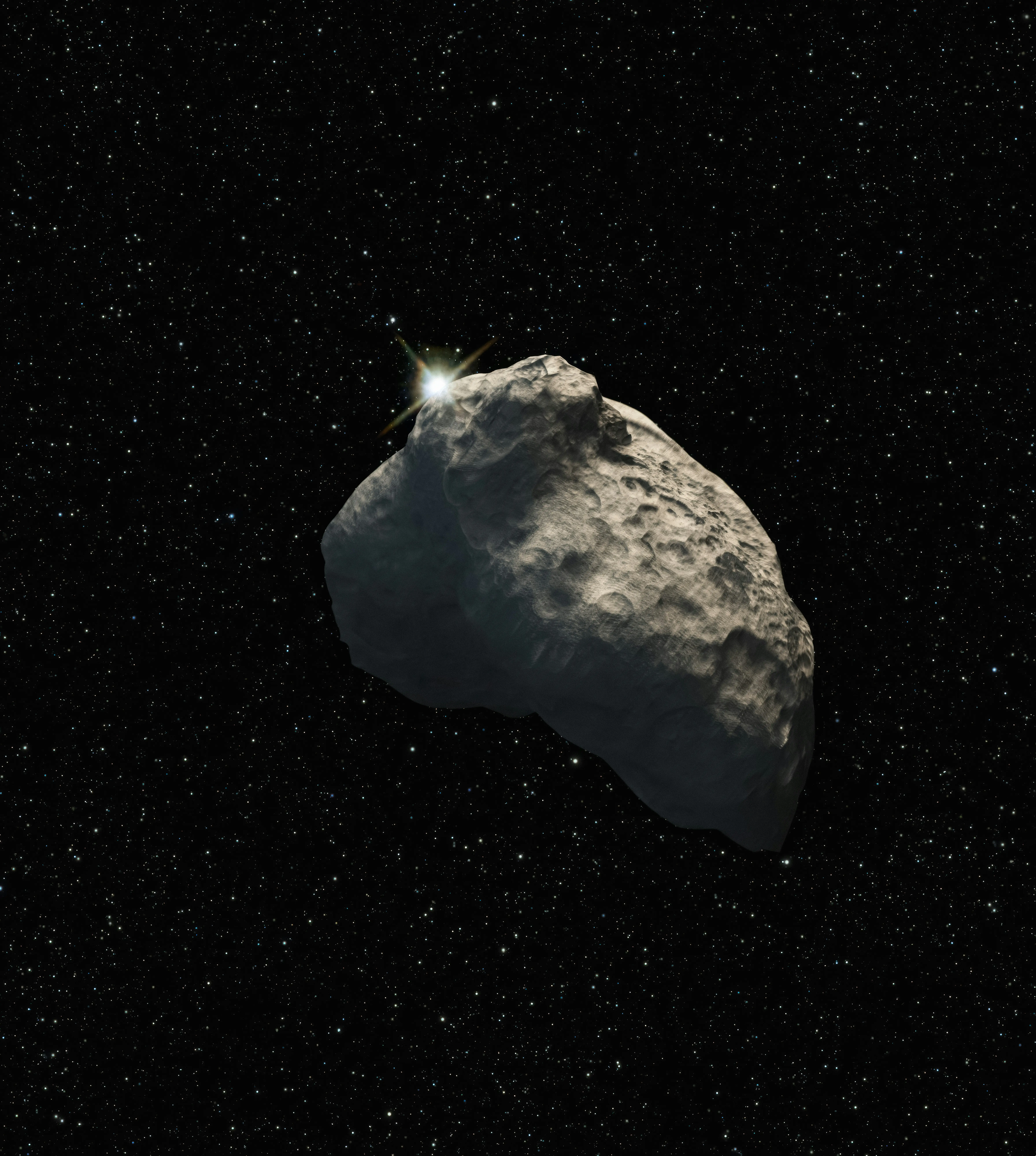
Asteroid 99942 Apophis threatened Earth
Asteroid 99942 Apophis created a scare for weeks after calculations showed that it would hit Earth in 2029. NASA scientists and others across the world raced to get accurate estimates and confirm if Earth faced a threatening scenario from the asteroid. Thankfully, its trajectory and current orbit later showed that there is no risk of impact for at least 100 years.
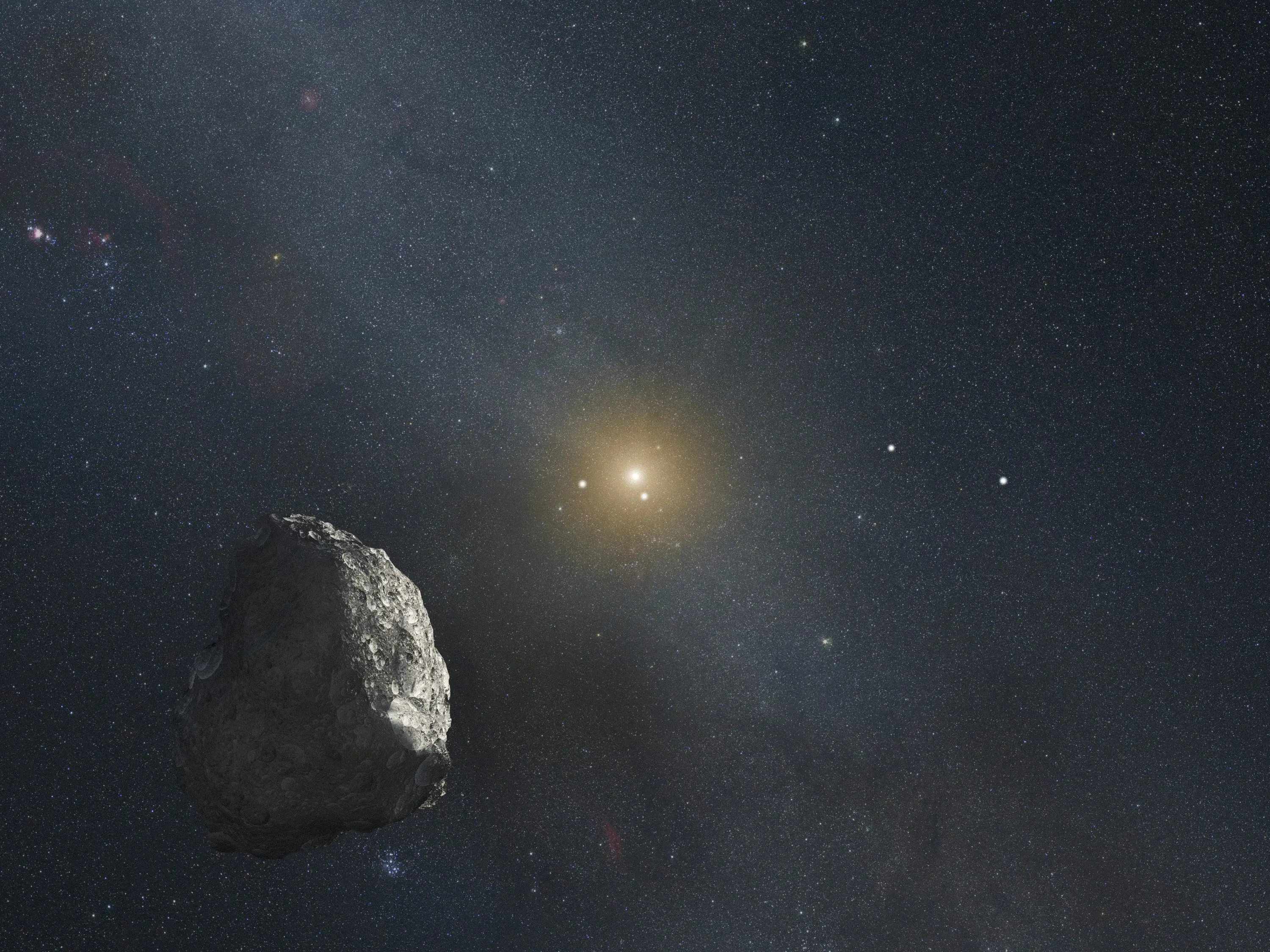
Asteroid 99942 Apophis was calculated to hit Earth in 2029
The roughly 1,214-foot asteroid will be closely observed when it flies by Earth at an extremely close distance in 2029. However, in a hypothetical scenario where Apophis does hit Earth, what would happen? Would it be a civilisation-ending event?
A mega release of energy
If Apophis strikes Earth, the energy released would be equivalent to 100,000 megatons of TNT. For comparison, the largest thermonuclear tests were in the tens of megatons. It will level cities across a region. Buildings within tens to a few hundred of kilometres would sustain extreme damage, and some of them will be destroyed.
Asteroid Apophis will cause huge crater and casualties
If Apophis hits land, the impact will create approximately five kilometres crater. Intense heat would be generated on the surface because of the speed with which the crater would be formed. It would also trigger a massive earthquake in the region, although it would be contained to the local area. If Apophis were to hit a populated area, it would lead to deaths and casualties, and damage infrastructure.
Over 1,000-feet-high tsunami waves
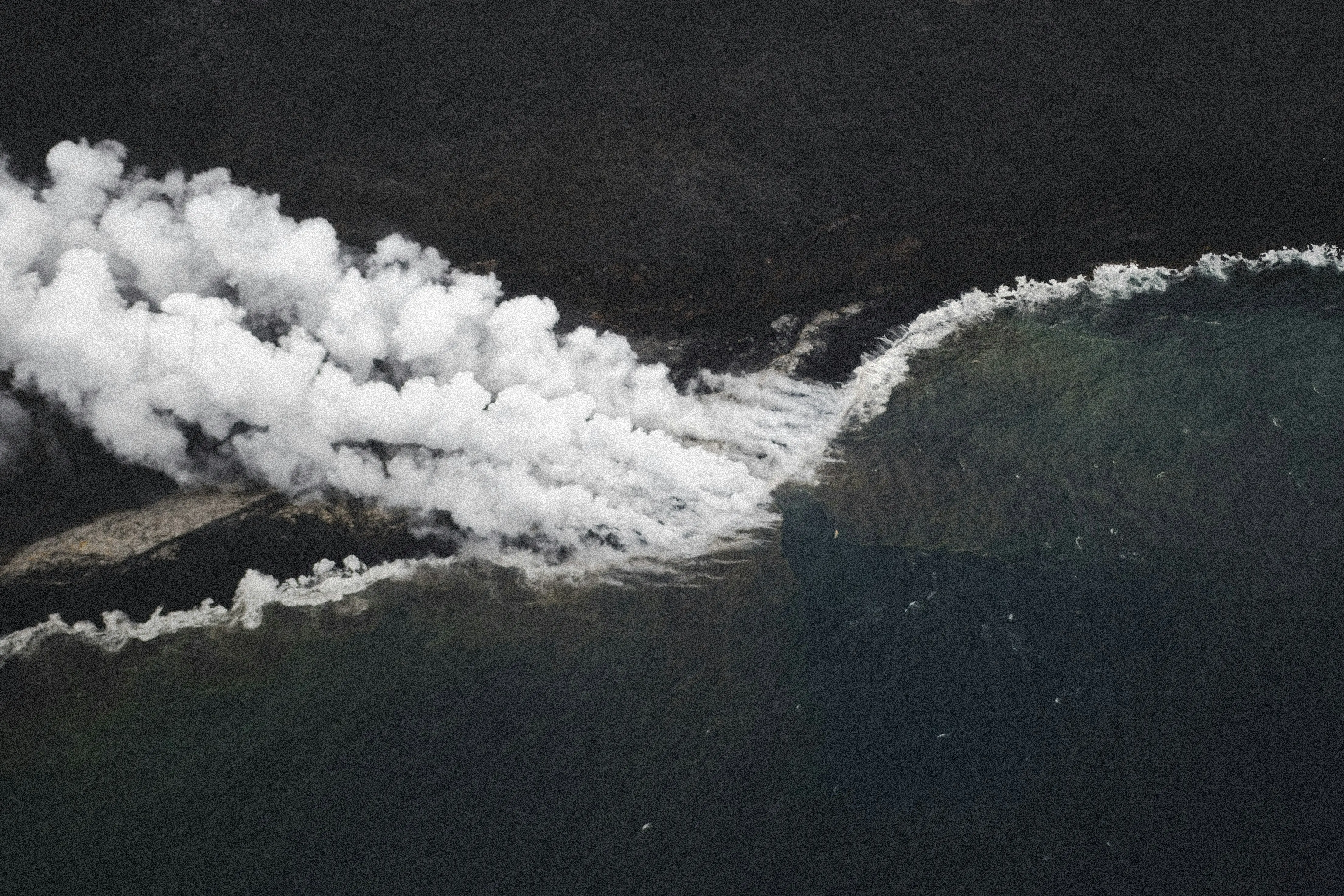
If Apophis falls into the ocean, large tsunamis would be triggered locally and regionally. The tsunami waves would measure a whopping 1,312 feet. Simulations carried out on Apophis-sized objects showed the formation of large transoceanic waves, which could also affect distant coastlines that could suffer major inundation.
If Apophis breaks apart above Earth
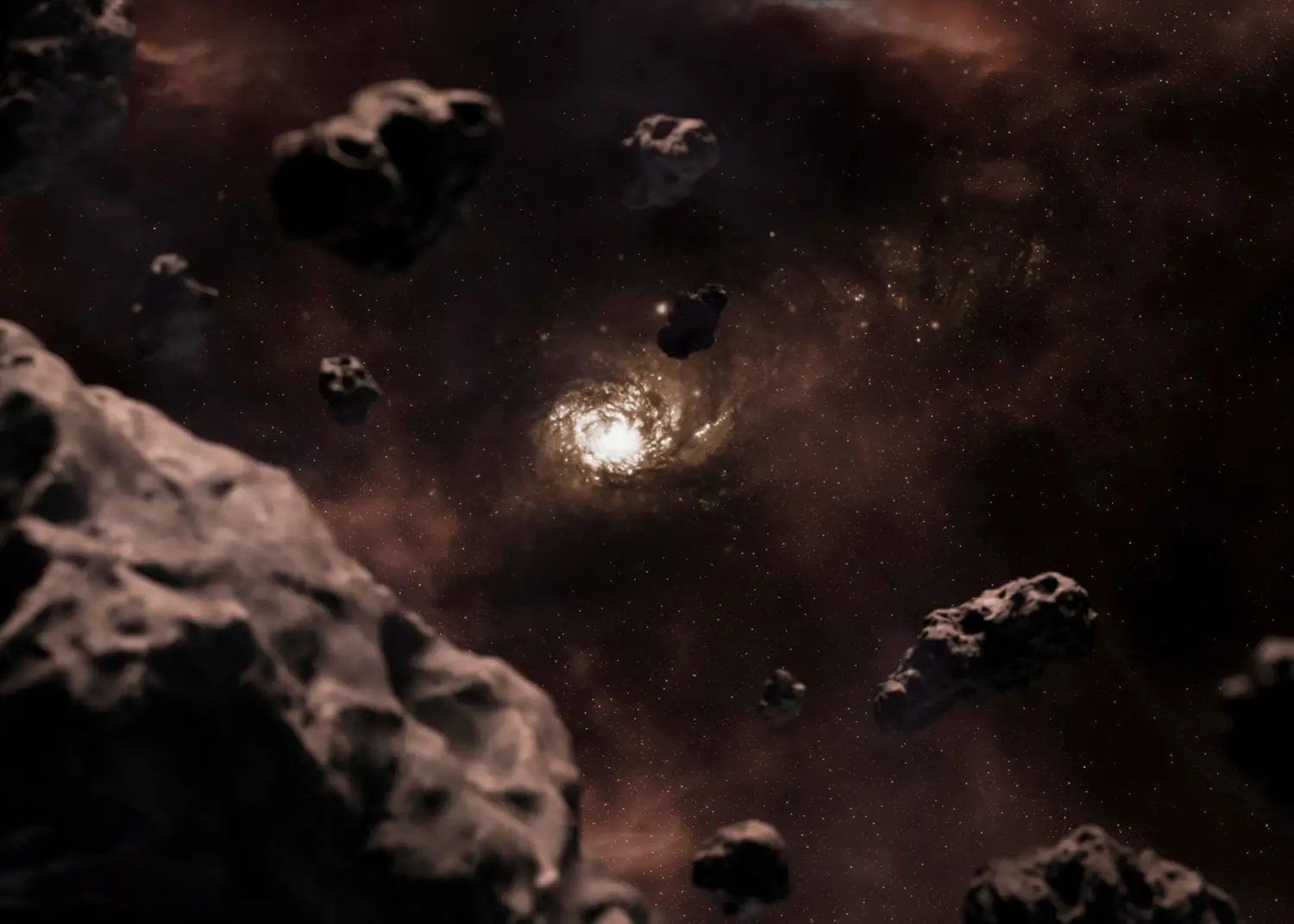
If Apophis doesn't hit land or ocean, and breaks up high in the atmosphere, a powerful airburst would be generated, with enormous overpressure, thermal pulse and blast over a broad area. The radius of the damage would depend on the altitude the asteroid breaks up.
Tunguska asteroid of 1908
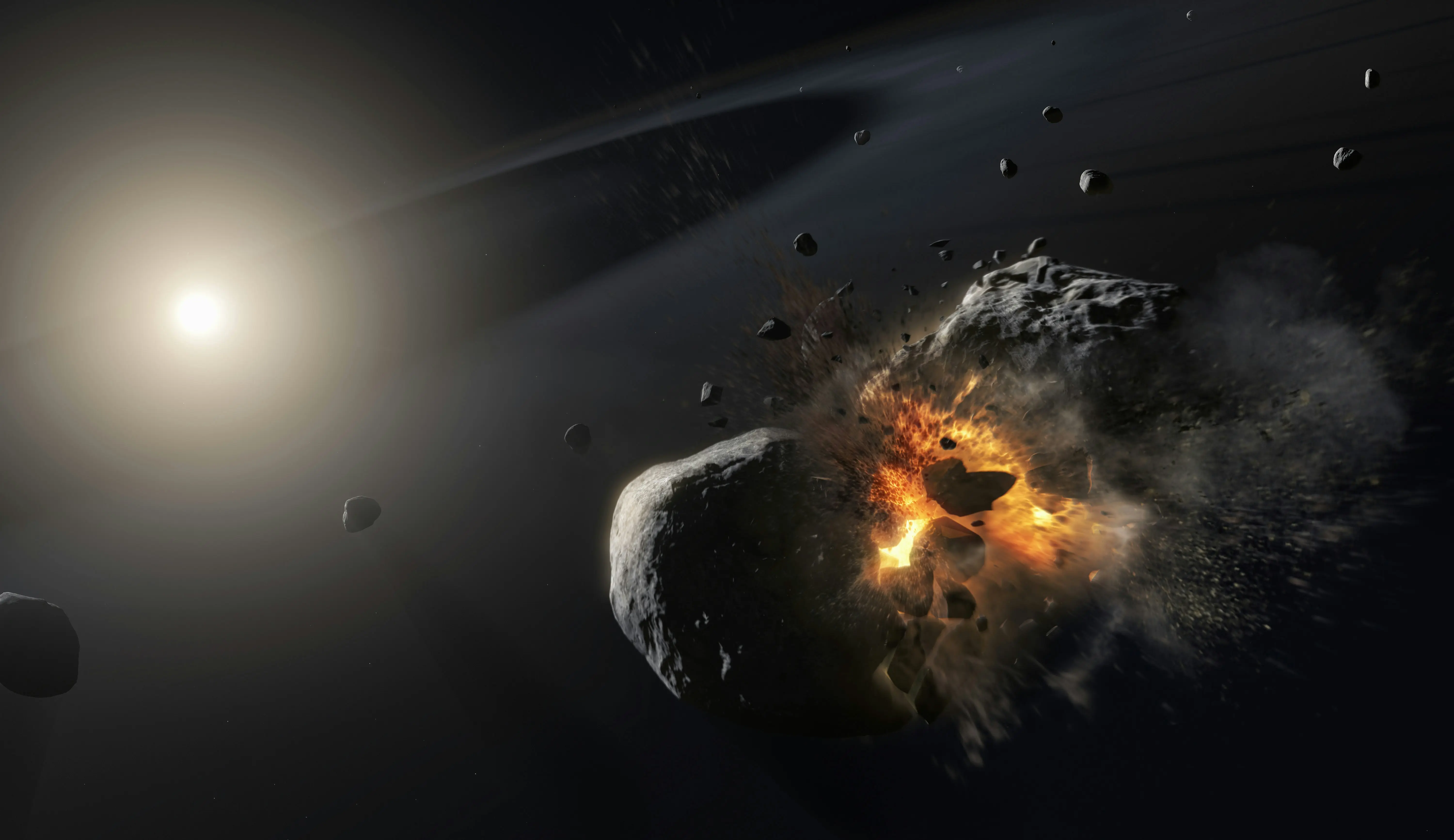
This would be similar to what people experienced in Tunguska, when a massive explosion was reported in Siberia on June 30, 1908. A forest caught fire and trees were flattened across 2,150 square kilometres of area.
Chicxulub impactor that caused mass extinction
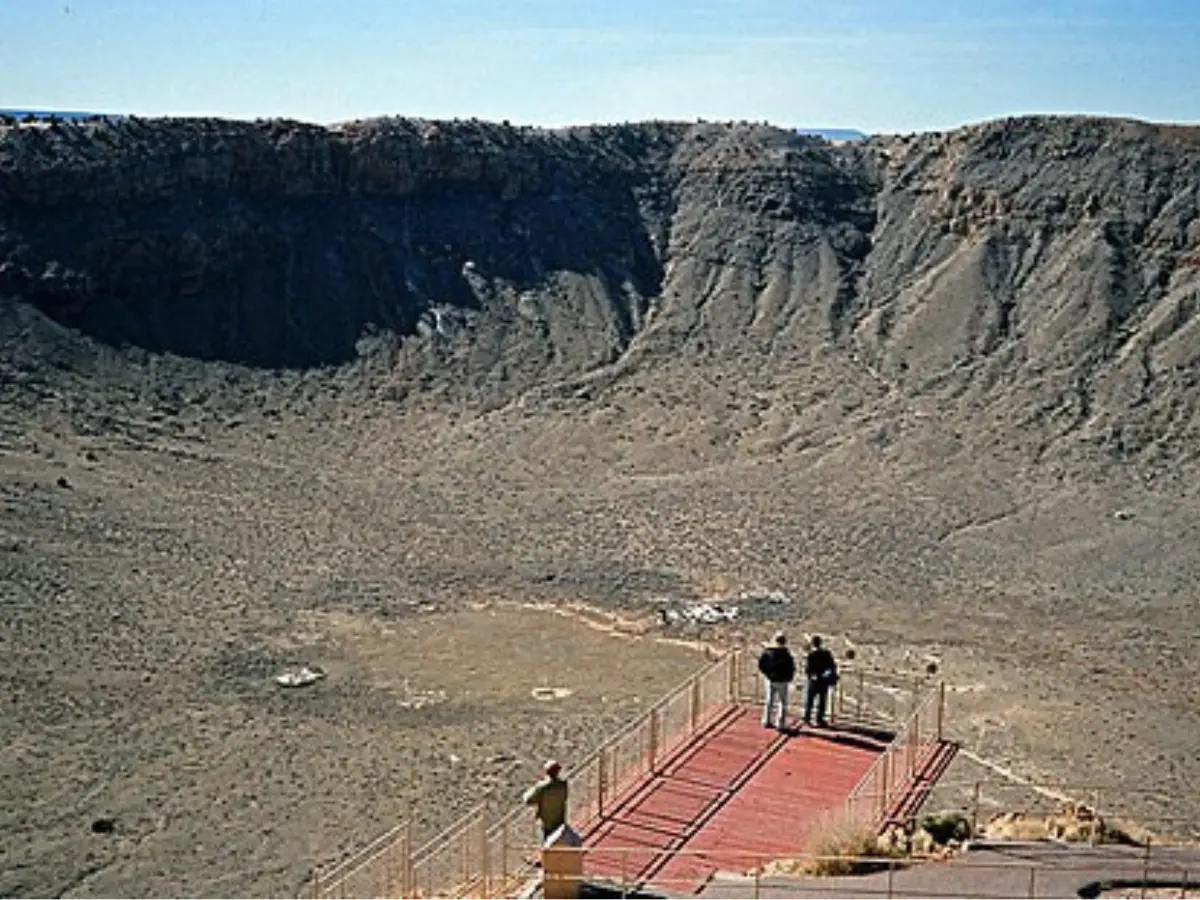
The effects of Apophis on the climate would not be as devastating as previous civilisation-ending asteroid events, such as the Chicxulub impact in Mexico, which caused the end-Cretaceous extinction. It would not produce a long-lasting global winter as an impact of that scale would not inject enough dust or sulfates into the stratosphere.
)
)
)
)
)