What would happen if a B-2 Bomber tried to fly into space? Understanding the limits behind its physics

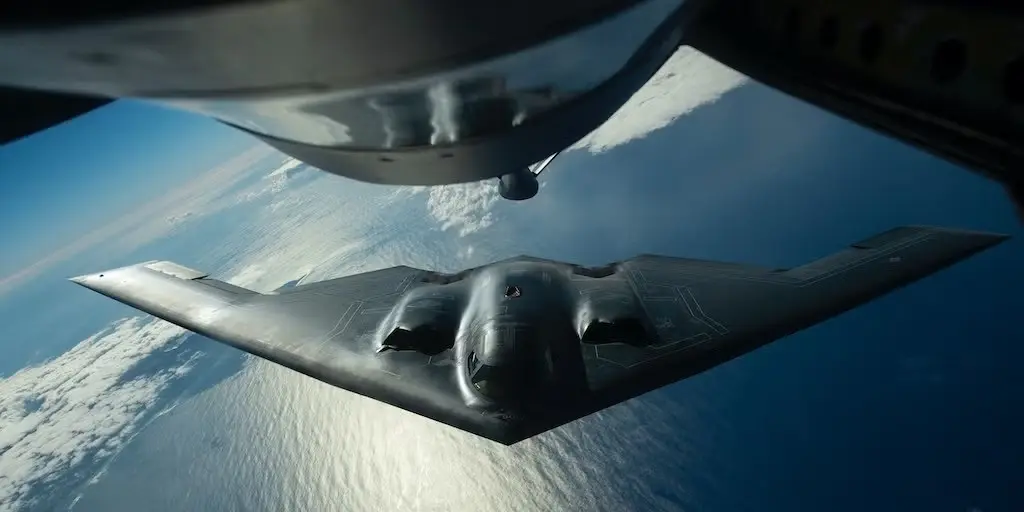
The B-2 Spirit stealth bomber is one of the most iconic aircraft in the world, virtually invisible to radar, built to penetrate deep into enemy airspace, and capable of carrying nuclear weapons. But what if, just for a moment, we imagined it flying beyond its limits.
Dangerous Physics
Can the B-2 fly into orbit? What would happen to its engines, its wings, or even its crew? The idea may sound like science fiction, but the reality exposes the sharp divide between Earth’s atmosphere and space, and the dangerous physics in between.
What Is the B-2 Designed For?
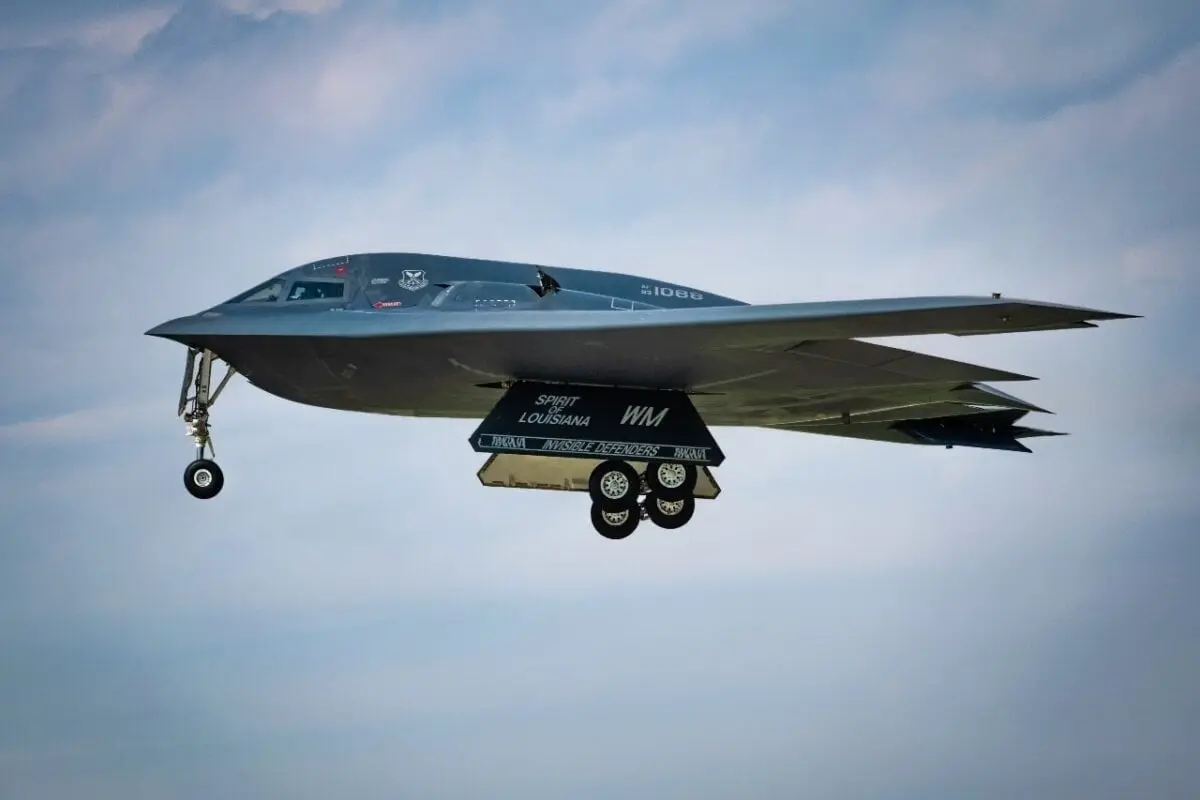
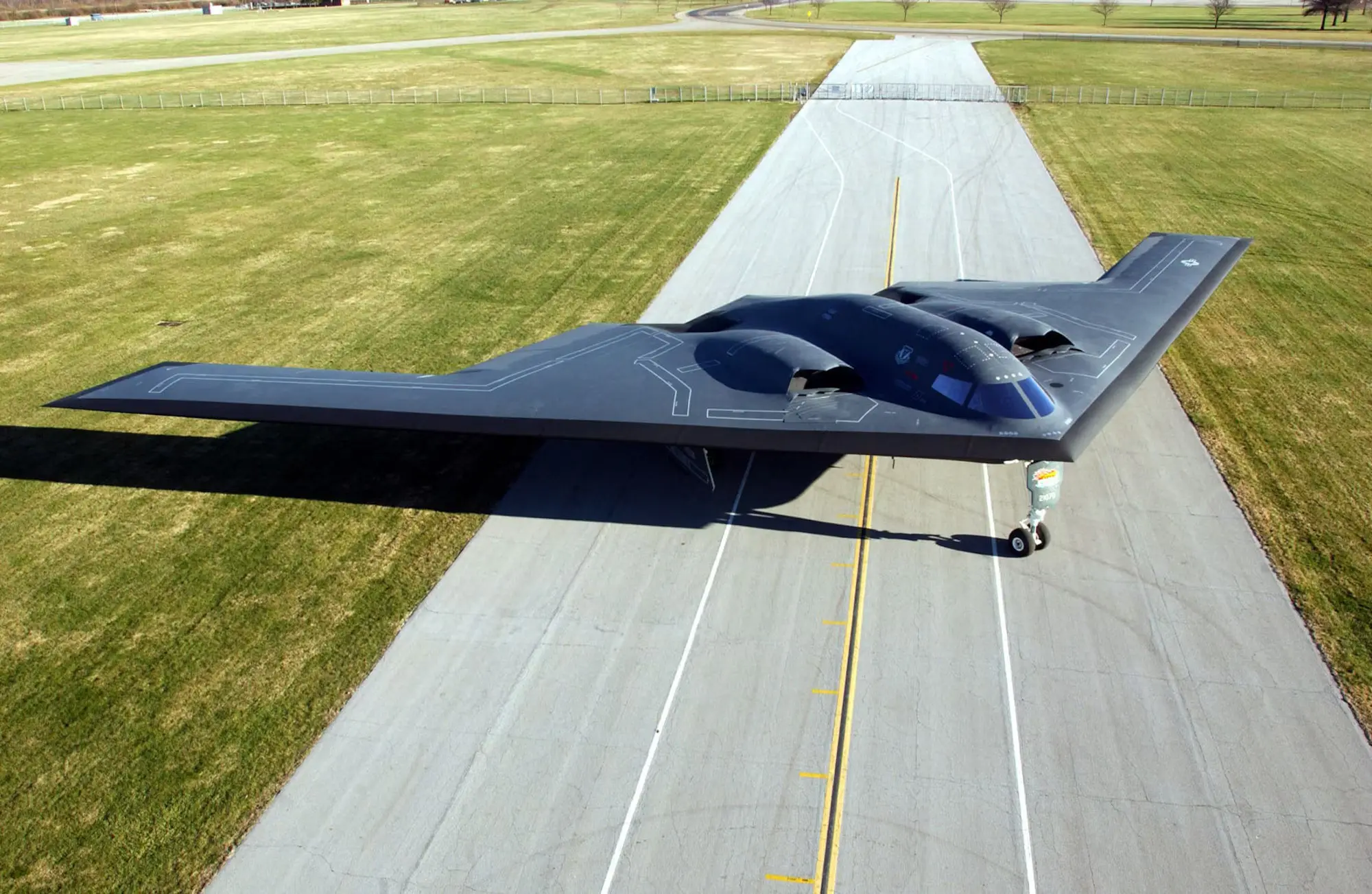
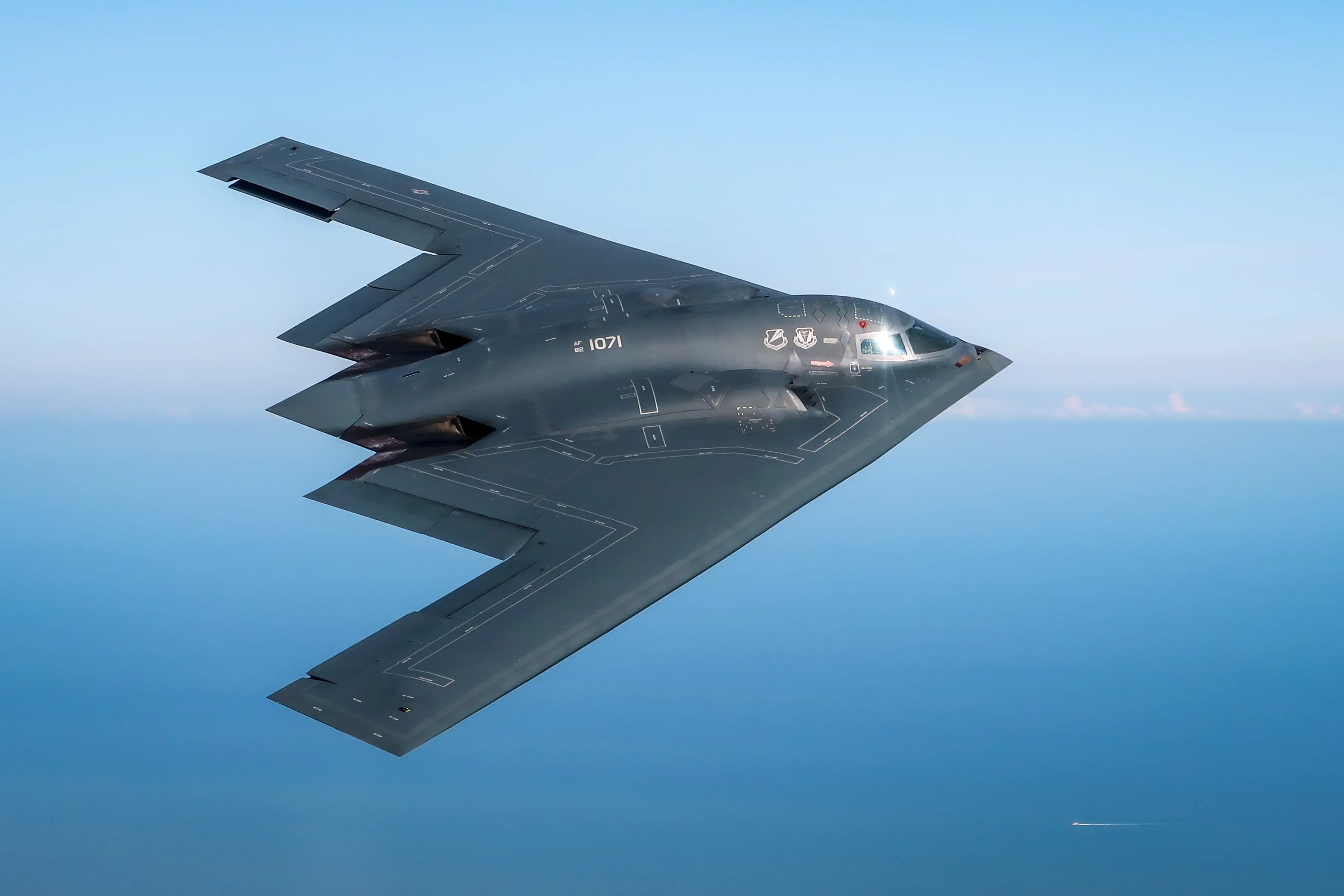
The B-2 Spirit was built for stealth, endurance, and global strike. Flying at high subsonic speeds, it can travel over 11,000 kilometres without refuelling, cruising at an altitude of 50,000 feet (around 15 km). But even with all its cutting-edge tech, the B-2 was never meant to leave the atmosphere. It relies on air-breathing jet engines, aerodynamic lift from its flying wing design, and stealth coatings optimised for Earth's air density. In short: it’s brilliant in the sky but helpless beyond it.
Why Space Is a No-Fly Zone for Bombers
Space begins at the Kármán Line, about 100 km above Earth. Above this line, the atmosphere becomes too thin to support conventional flight. Jet engines, like those on the B-2, work by mixing fuel with atmospheric oxygen. But in space, there’s no air, meaning the engines would instantly shut down. Even before reaching space, the bomber would stall as air pressure drops and the wings lose their ability to generate lift. The higher it climbs, the less control it has, until it becomes an unstable, falling object.
What Happens to the Engines?
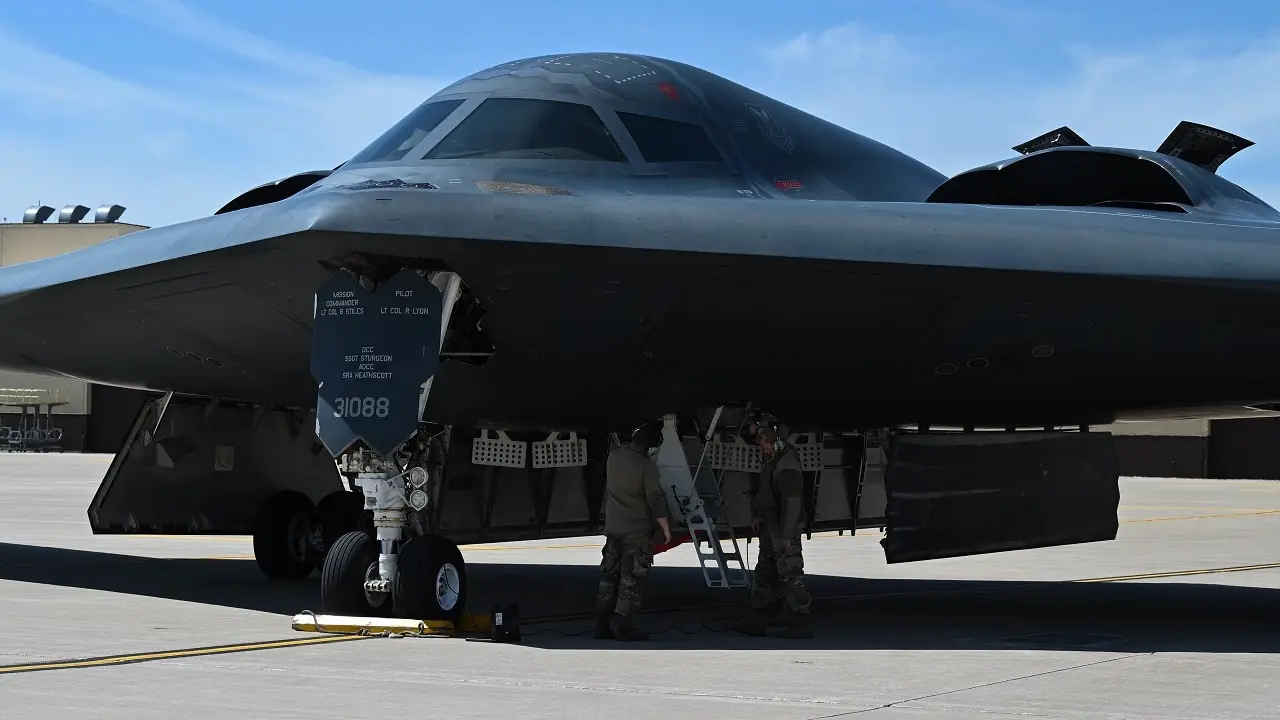
The B-2’s General Electric F118 engines are high-efficiency turbofans, built to run in the thin upper atmosphere—but not beyond it. As altitude increases and air thins, the engines begin to lose thrust. By around 20 km, performance drops significantly. Above that, the lack of oxygen would cause a complete engine flameout. Without any rocket propulsion or alternate fuel system, the B-2 would become a 170,000 kg glider, one with no glide capability at that altitude.
What Happens to the Pilots?
The B-2 is pressurised, and pilots wear oxygen masks, but they’re still vulnerable to altitude extremes. Above 19,000 metres, human blood can boil without pressure suits. While the cockpit offers some protection, it’s not designed for space-like vacuum conditions. If the bomber breached even the upper stratosphere, the crew would face decompression, hypoxia, and ultimately death. Unlike astronauts, they don’t wear full body suits or have life support for orbital conditions.
Could It Glide Back to Earth?
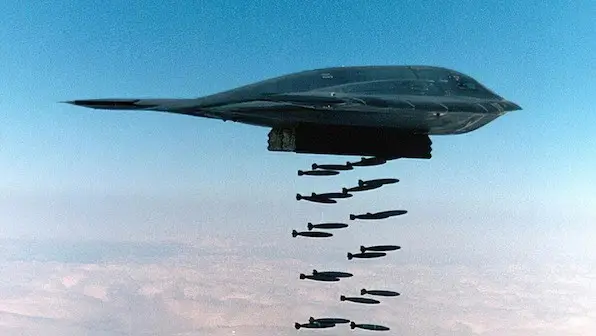
Technically, once it stalls and loses thrust, the B-2 would fall back to Earth. But without enough speed or altitude control, it would likely enter an uncontrolled tumble. Its wide wingspan and unstable dynamics at extreme altitudes could lead to structural failure as it re-enters denser air. Unlike spacecraft, it lacks heat shielding to survive re-entry friction. In short: if the bomber somehow climbed too high, it wouldn’t survive the way down.
The Sky Has a Ceiling
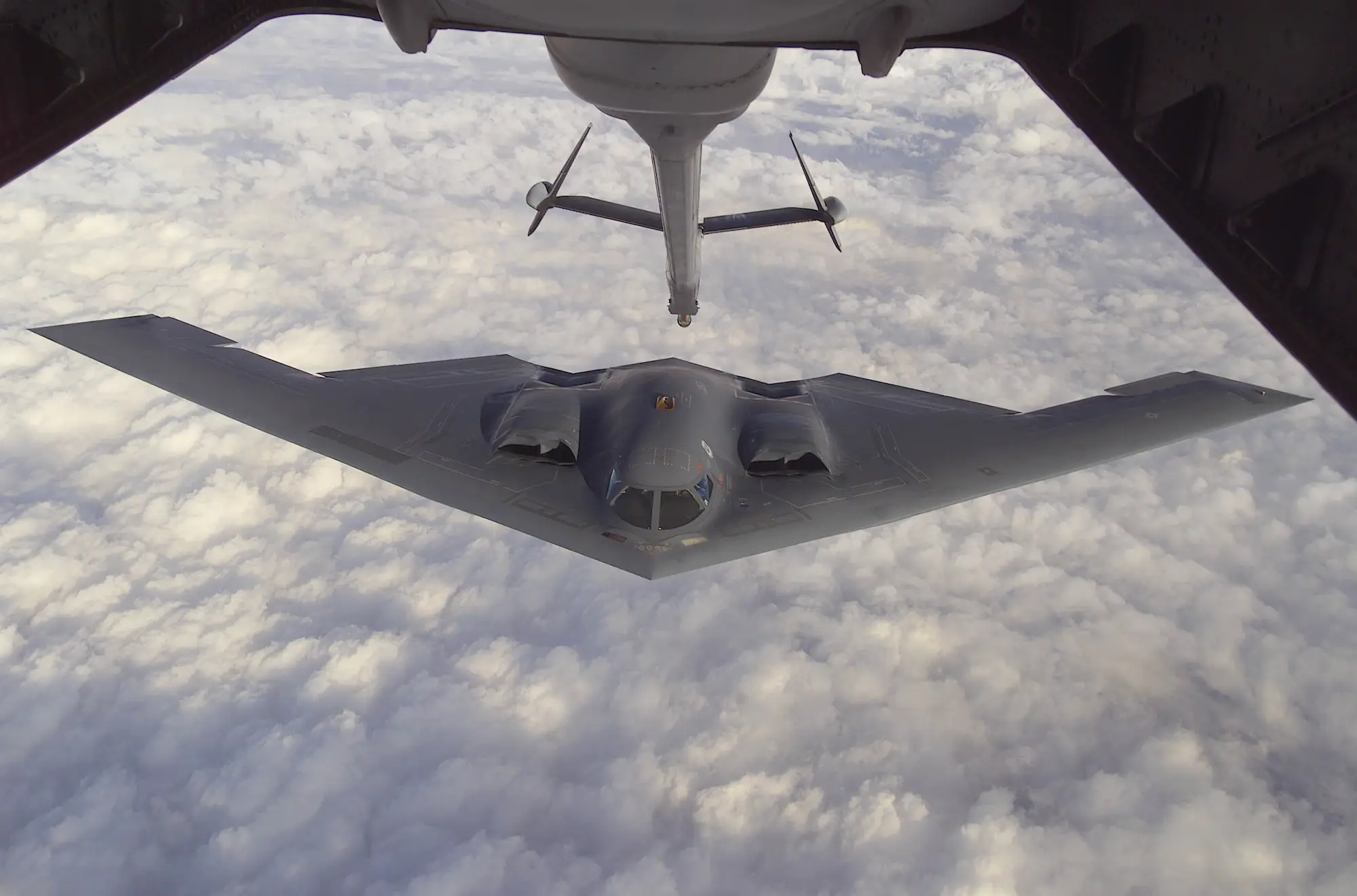
The B-2 Spirit may be an engineering marvel, but like all aircraft designed for Earth, it has strict limits. It operates in a delicate band of atmosphere where its engines breathe and its wings work. Beyond that? Physics wins. Space is not just “higher up”—it’s a completely different environment with rules the B-2 wasn’t built to obey.
So while the idea of a stealth bomber cruising above Earth might sound epic, the truth is simple: the B-2 is unbeatable in the sky but useless in space.
)
)
)
)
)