What will happen on Oct 29? 3I/ATLAS could reveal its true identity, says Joe Rogan's guest

Loeb compared 3I Atlas to ‘Oumuamua, the 2017 interstellar object that baffled astronomers with its non-gravitational acceleration. He said that scientists missed the chance to study ‘Oumuamua up close, but “this time, the window is open and closing fast.”
1. The Object Everyone’s Watching
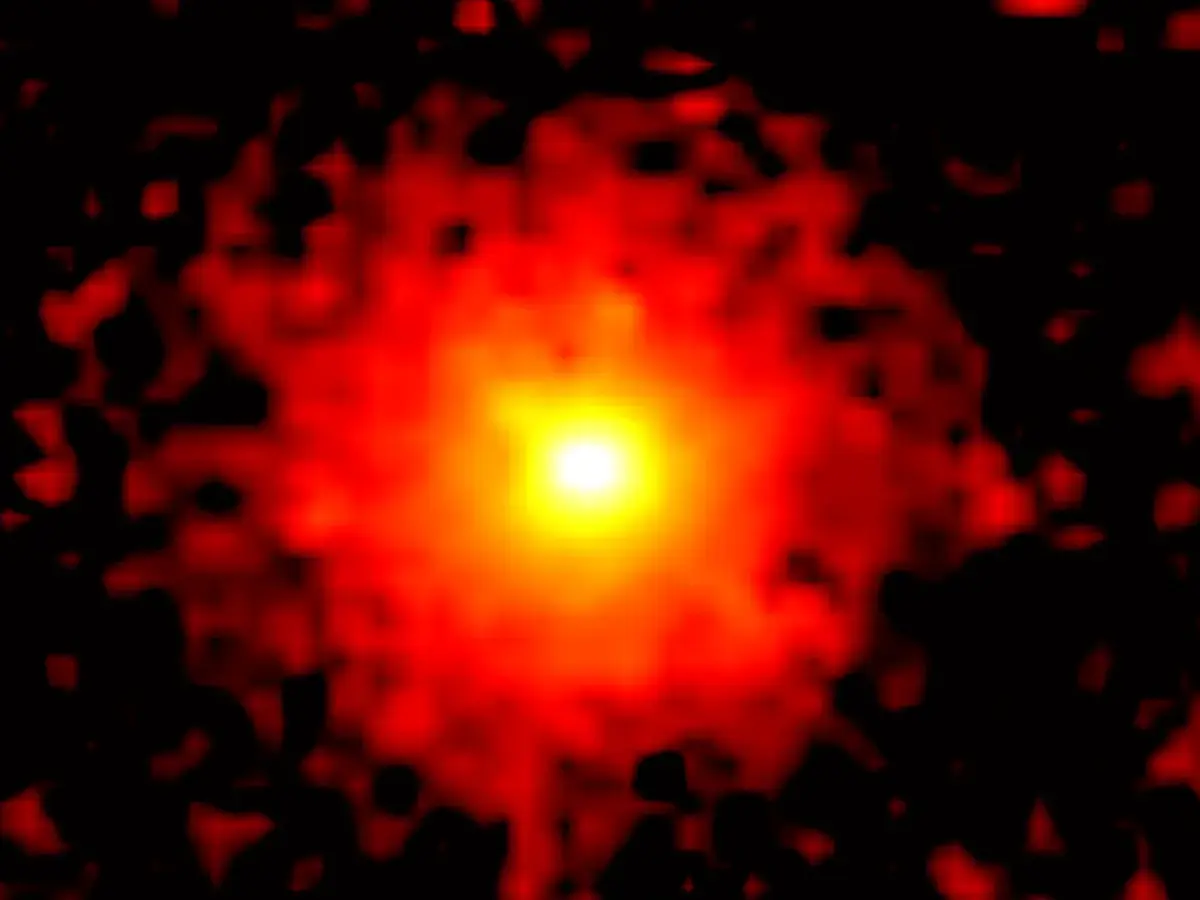
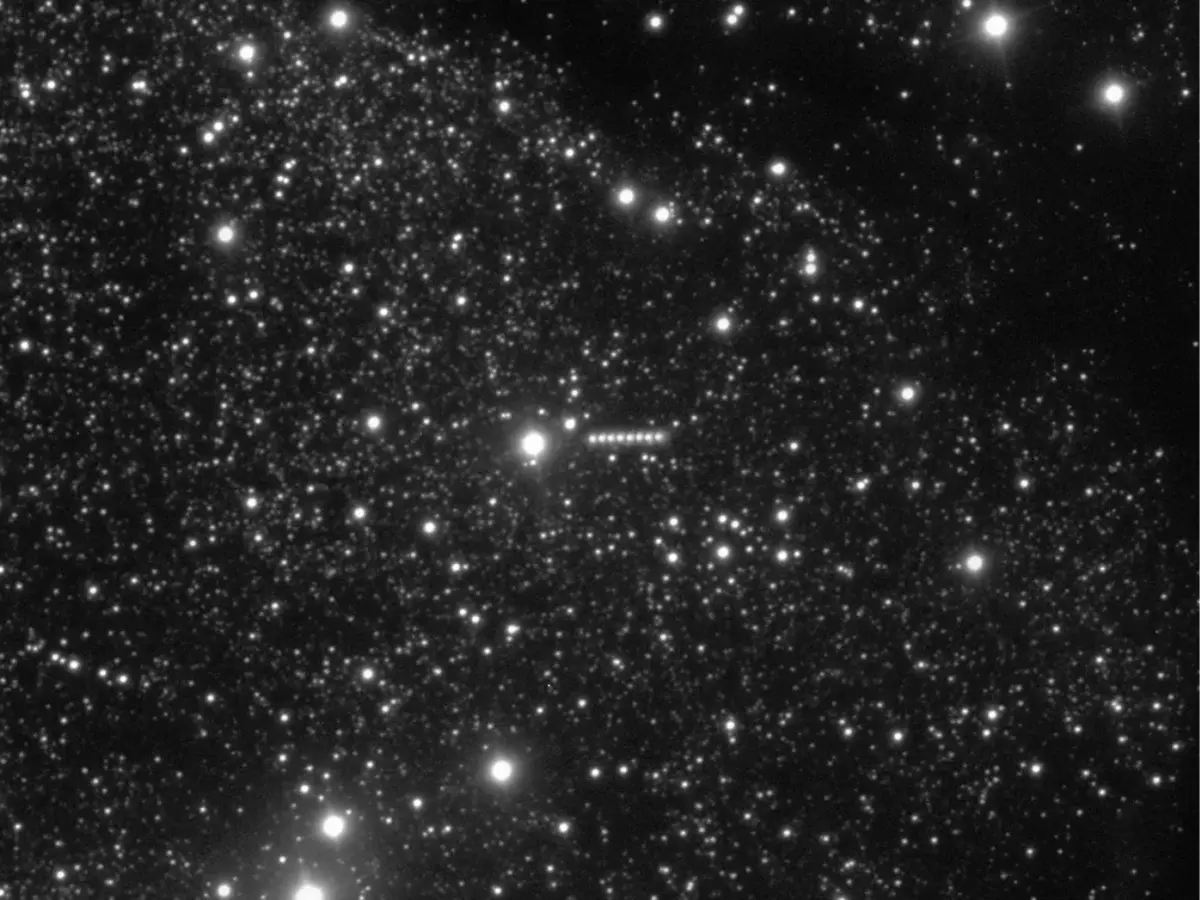
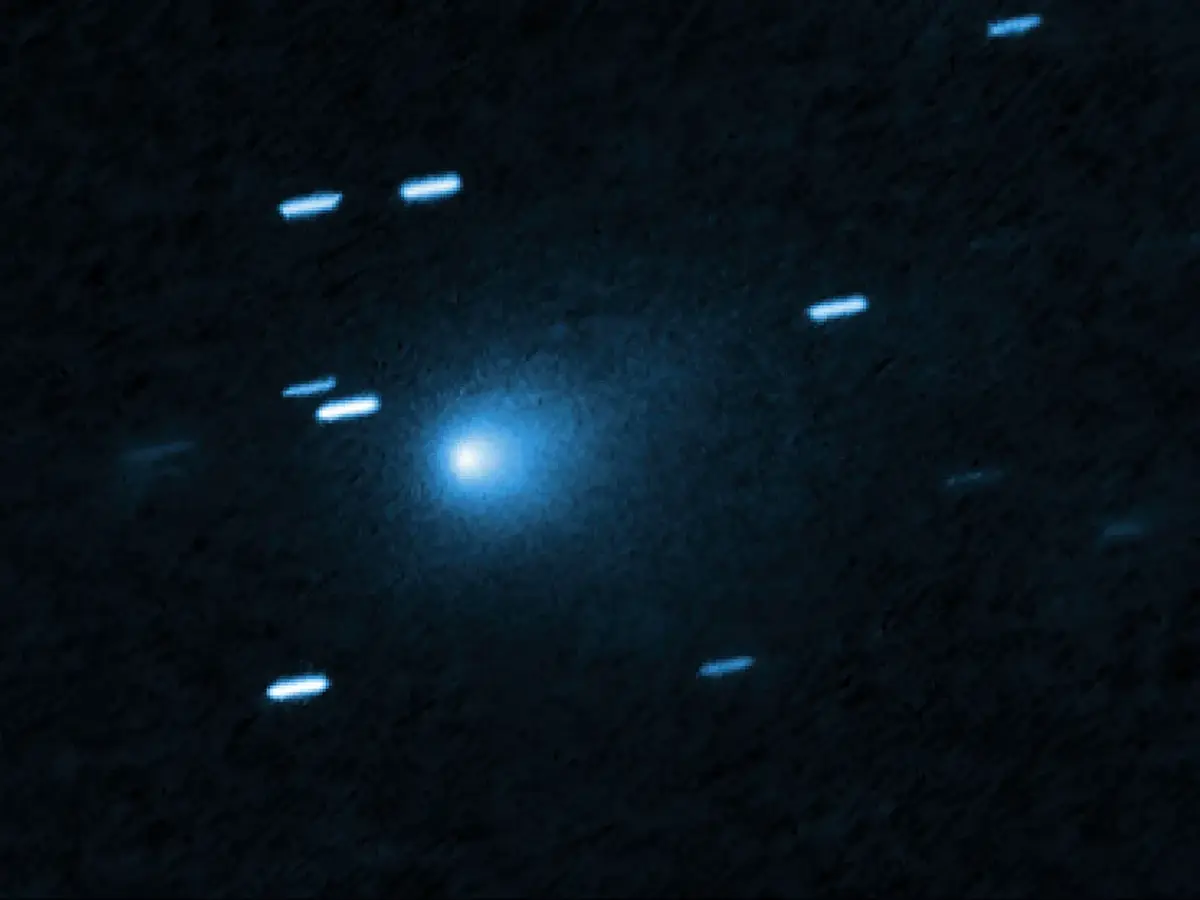
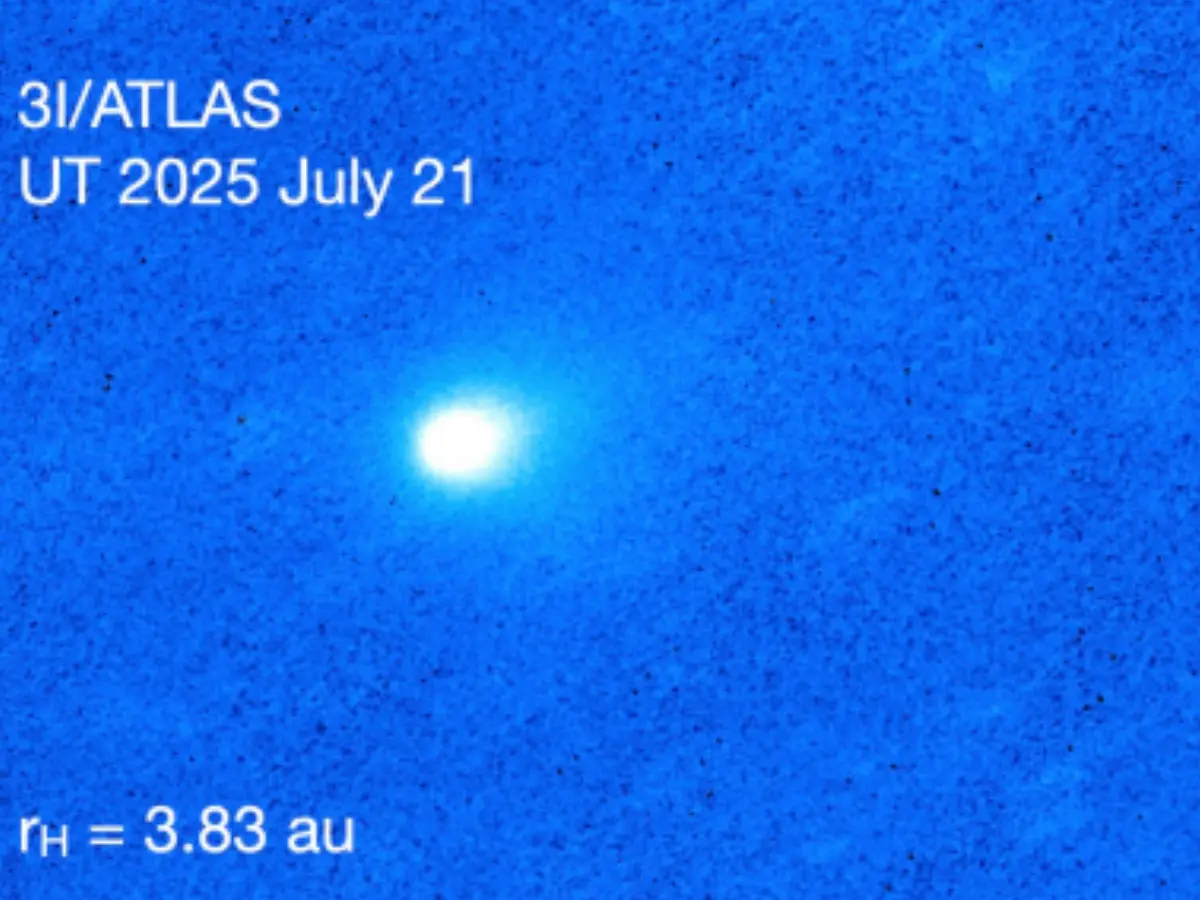
3I Atlas is only the third interstellar object ever detected entering our solar system. Unlike comets or asteroids formed here, it comes from outside, carrying chemical and structural clues from another star system. On 29 October, it will reach its closest point to the Sun, a prime moment for study.
2. Loeb’s Prediction: The “Revelation Window”
According to Avi Loeb, this close approach could act as a “revelation window,” helping scientists determine whether 3I Atlas is a natural comet or a technological relic. He argues that changes in its light reflection, movement, or emissions during this period could prove decisive.
3. Why the Date Matters
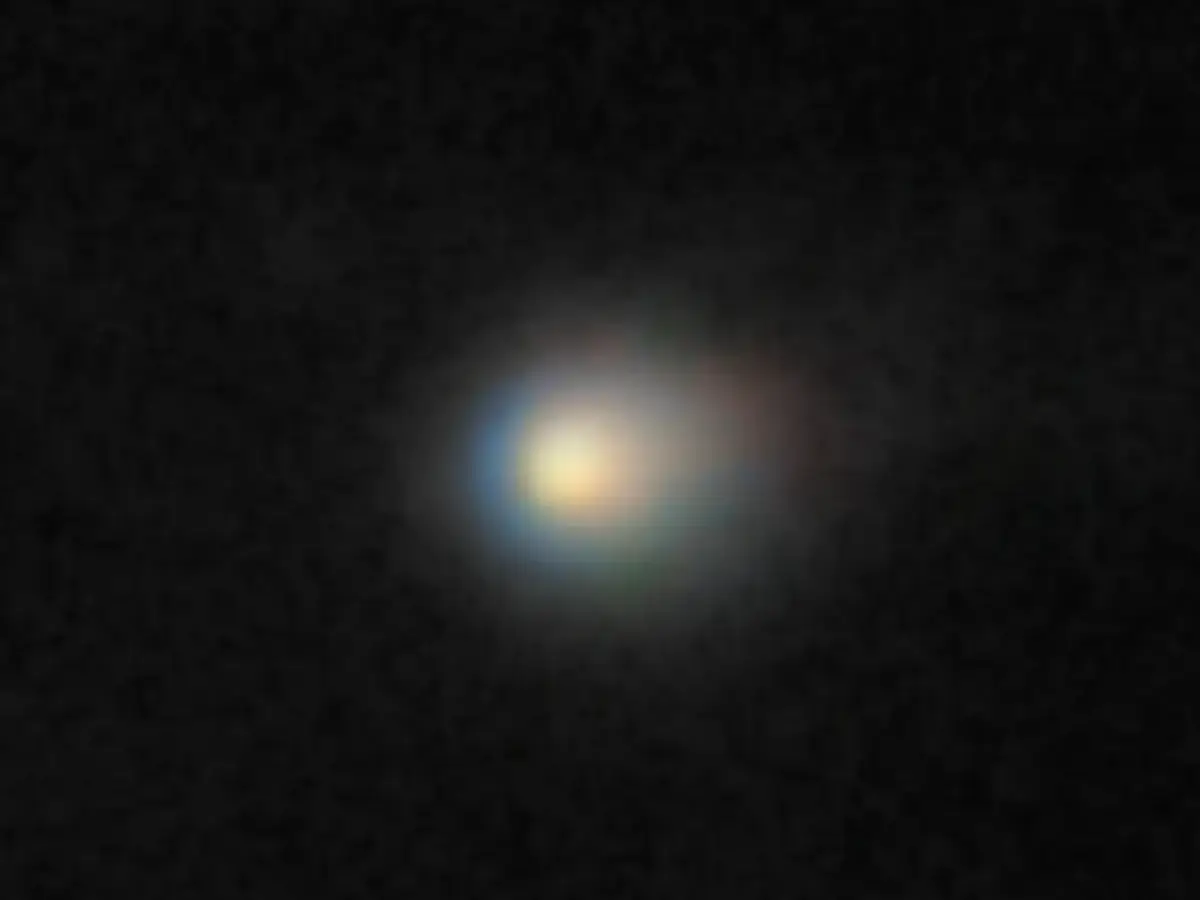
Loeb says that 29 October is not just another orbital milestone. As 3I Atlas interacts with stronger solar radiation, any artificial components, such as metallic surfaces or reflective panels, would produce a measurable brightness anomaly or heat signature, if they exist.
4. Lessons from ‘Oumuamua
Loeb compared 3I Atlas to ‘Oumuamua, the 2017 interstellar object that baffled astronomers with its non-gravitational acceleration. He said that scientists missed the chance to study ‘Oumuamua up close, but “this time, the window is open and closing fast.”
5. The Search for Non-Natural Patterns
Teams using the James Webb Space Telescope and ground-based observatories are preparing to capture data on the object’s trajectory, reflectivity, and gas emissions. Loeb says that a consistent, directional pattern would hint at intentional design, not random cosmic behaviour.
6. The Scientific Divide
Many astrophysicists remain sceptical. They suggest 3I Atlas could simply be an unusual comet shedding gas in a way that mimics artificial movement. Loeb, however, insists that science should not “dismiss outliers because they make us uncomfortable.”
7. “Even a One Percent Chance is Worth Looking At”
In his discussion with Joe Rogan, Loeb summarised his view: “If there’s even a one percent chance that 3I Atlas is not natural, we owe it to ourselves to look closer.” Whether the object turns out to be a cosmic rock or a relic of intelligent life, he says, 29 October could be the day that reshapes how we look at our universe.
)
)
)
)
)