What will be the speed of a bullet fired from a fighter jet at Mach 2?

If a bullet is fired from a fighter jet at Mach 2, then how fast will the bullet travel? How will air resistance slow them down, but their initial speed makes them very fast projectiles. Know how.
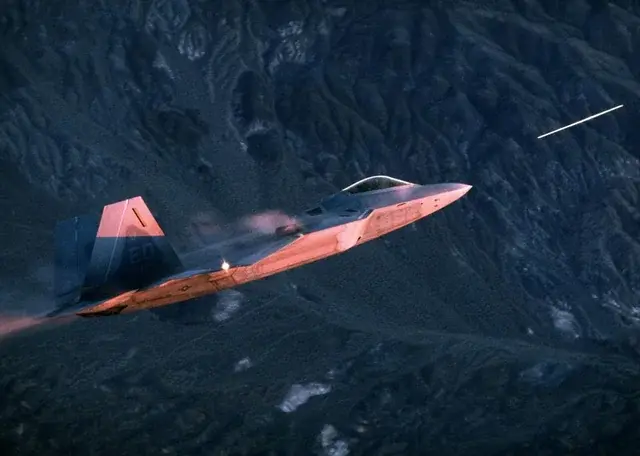
Mach 2 Speed?
Mach 2 means twice the speed of sound. At sea level, that is about 1,534 miles per hour, which is around 2,468 km/h. Many fighter jets, can fly at this speed.
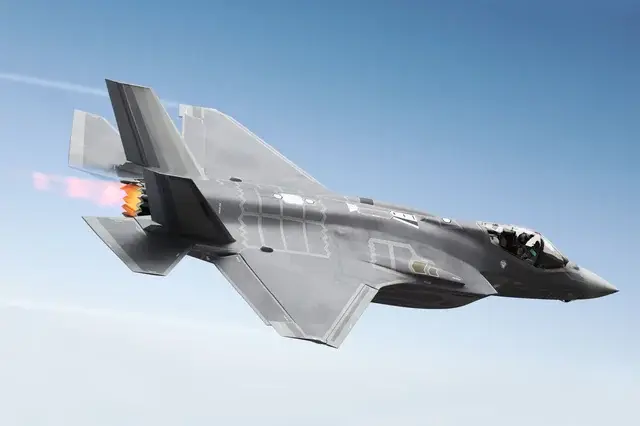
Speed of Bullets Fired From Fighter Jets
A bullet fired from a jet does not just travel at its own speed. It starts moving at the speed of the jet itself, so the bullet's speed is the sum of the jet’s speed and the bullet’s speed leaving the gun.
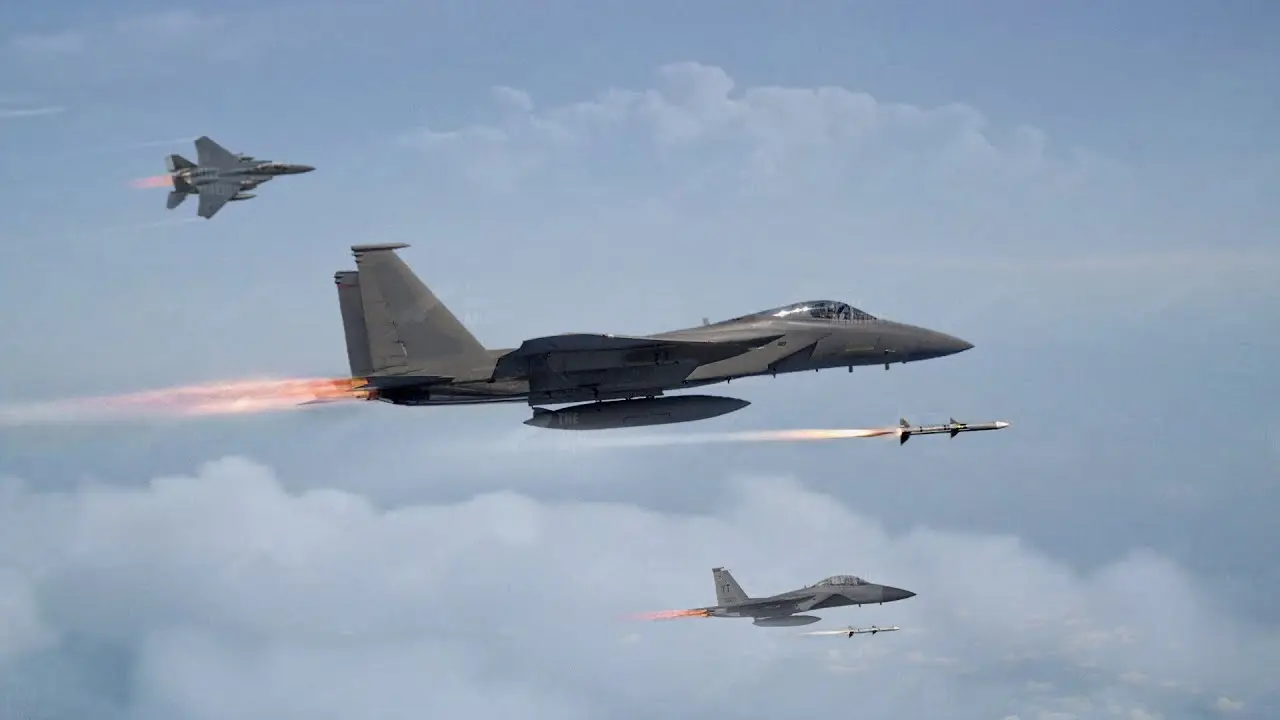
How Fast Is a Bullet Fired From a Jet at Mach 2?
Typical fighter jet machine guns fire bullets around 3,000 feet per second (about 2,045 mph or 3,290 km/h). If the jet flies at Mach 2 (1,534 mph), the bullet’s real speed over the ground is roughly the sum of about 3,579 mph, which is around 5759 km/h.
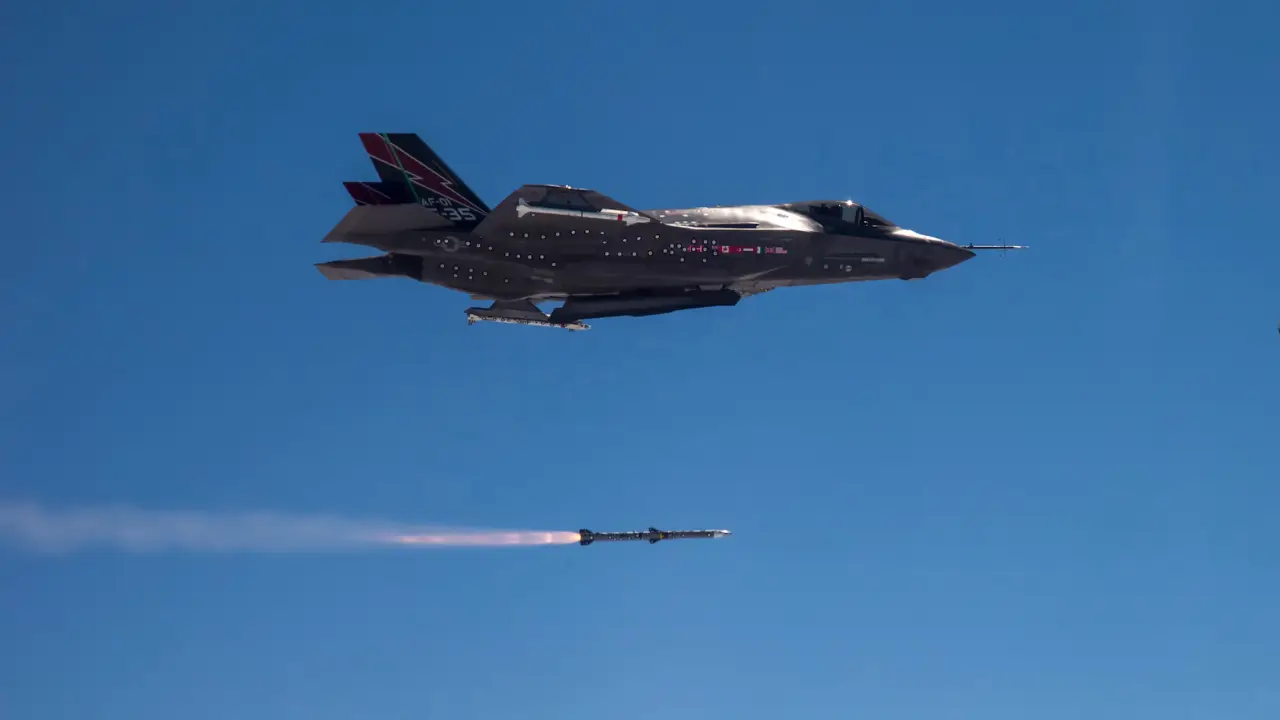
What Does This Mean for a Bullet’s Flight?
Though the bullet flies very fast, it starts slowing down quickly because of air resistance. The bullet also falls due to gravity. But at such high initial speeds, it covers a large distance very fast.
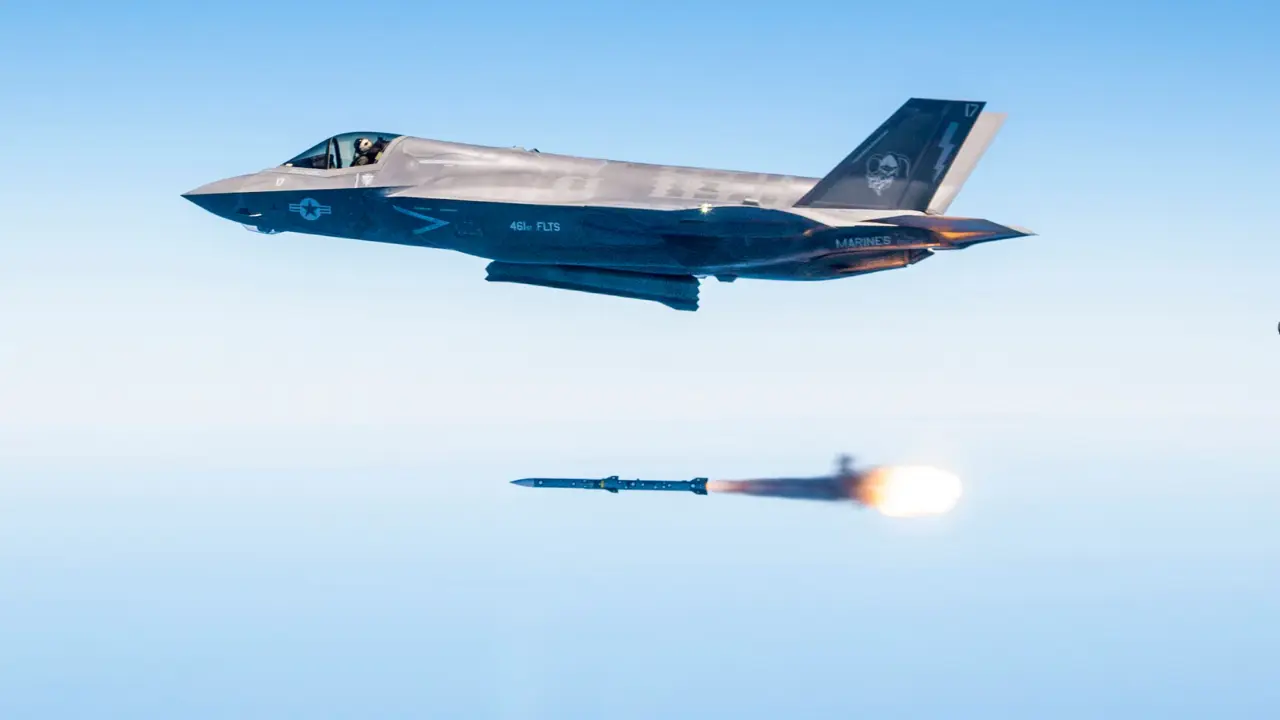
Does Flying at Mach 2 Change the Bullet's Force?
The bullet’s kinetic energy increases with speed, making it more powerful when fired from a fast-moving jet. This adds to its ability to hit a target quickly but also means it faces more air resistance.
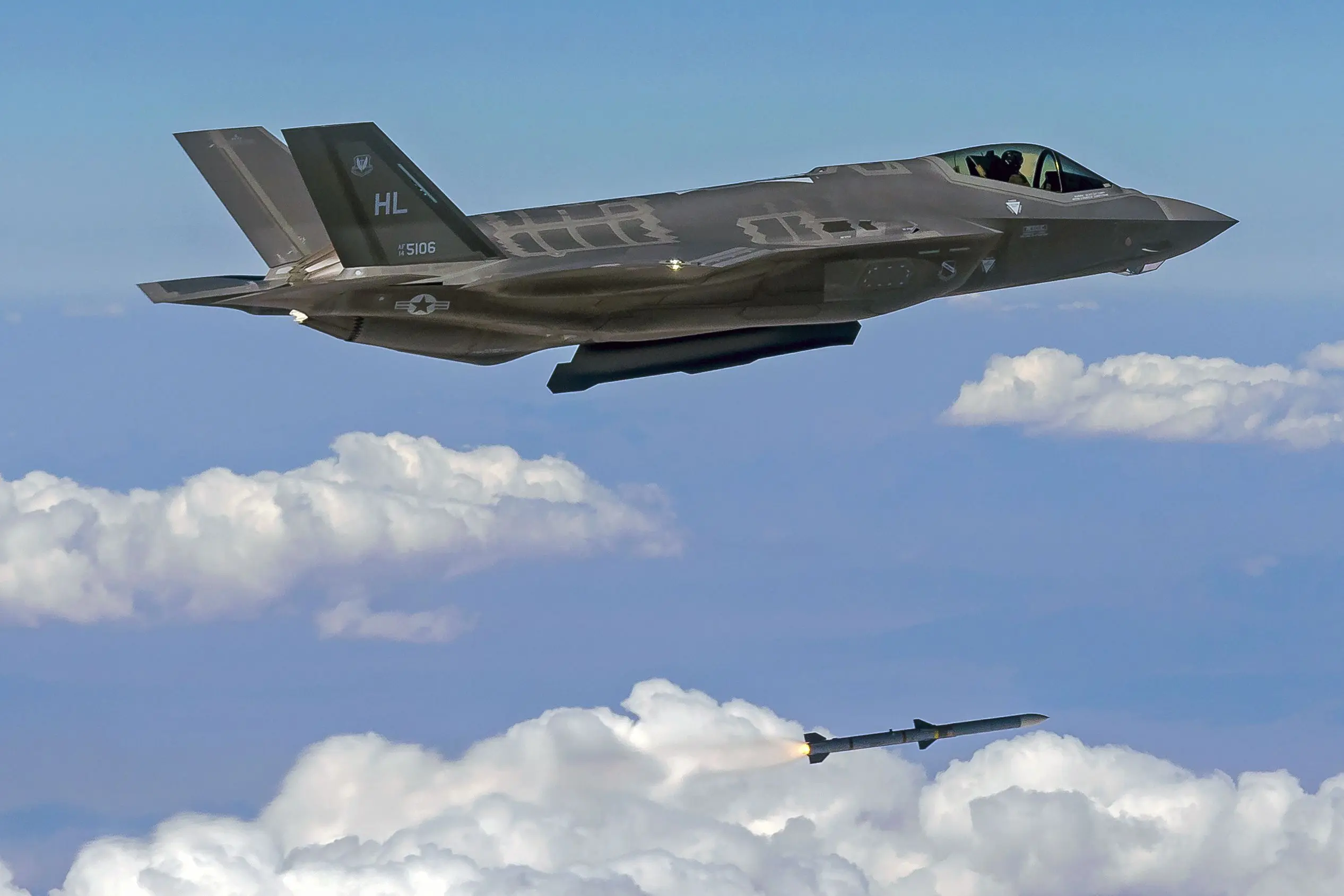
Why Is This Important in Air Combat?
Higher bullet speeds let pilots engage targets faster and at longer ranges. However, the aerodynamic effects and flight conditions at Mach 2 make aiming and shooting more challenging.
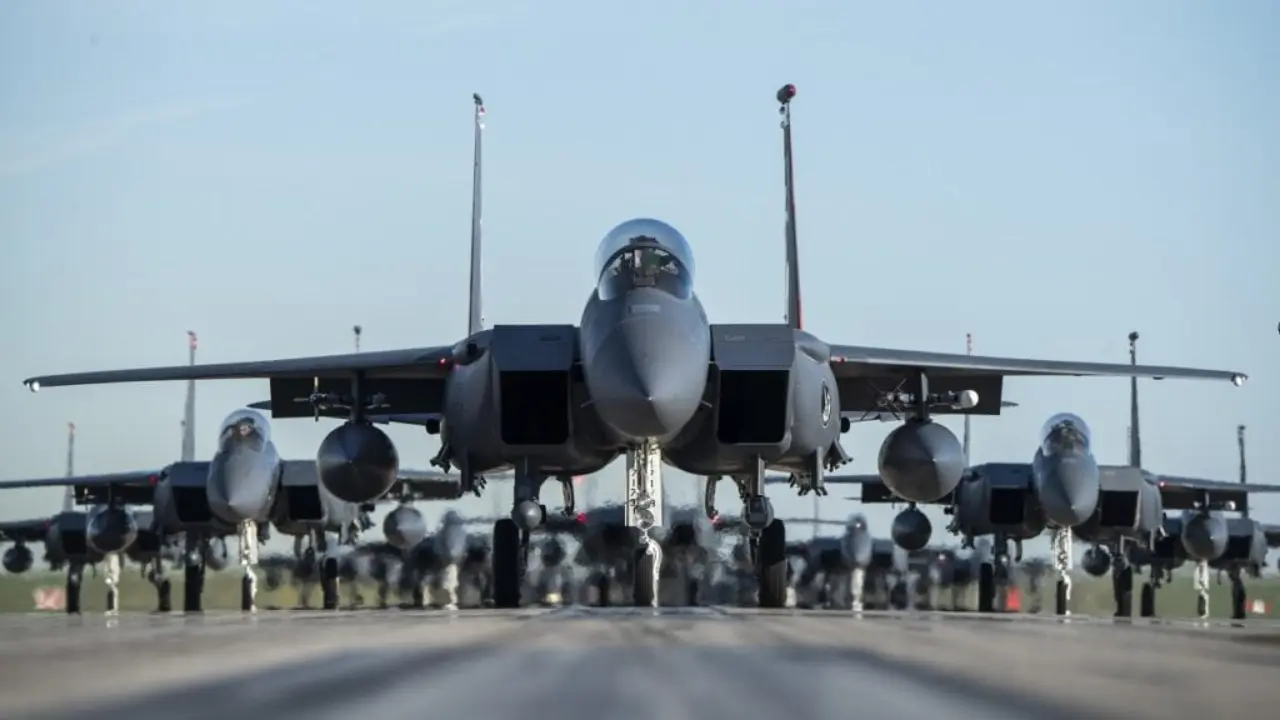
The Science Behind Jet Bullets
In a vacuum, speeds would simply add up. But in air, drag reduces bullet speed quickly after firing. Still, combined jet and bullet speeds make these bullets some of the fastest man-made projectiles.
)
)
)
)
)