What will be the next steps after Italy elections

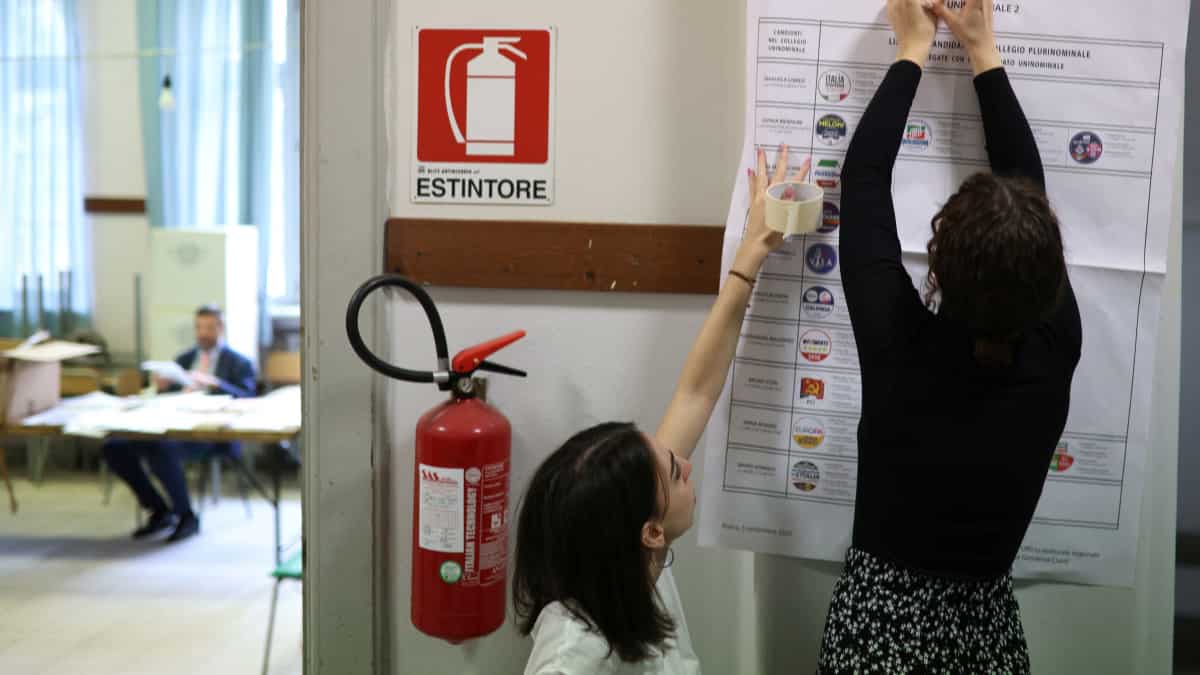
Official results
Exit polls will be published once voting ends at 2100 GMT on Sunday night but the interior ministry will not issue official results until during the day on Monday.
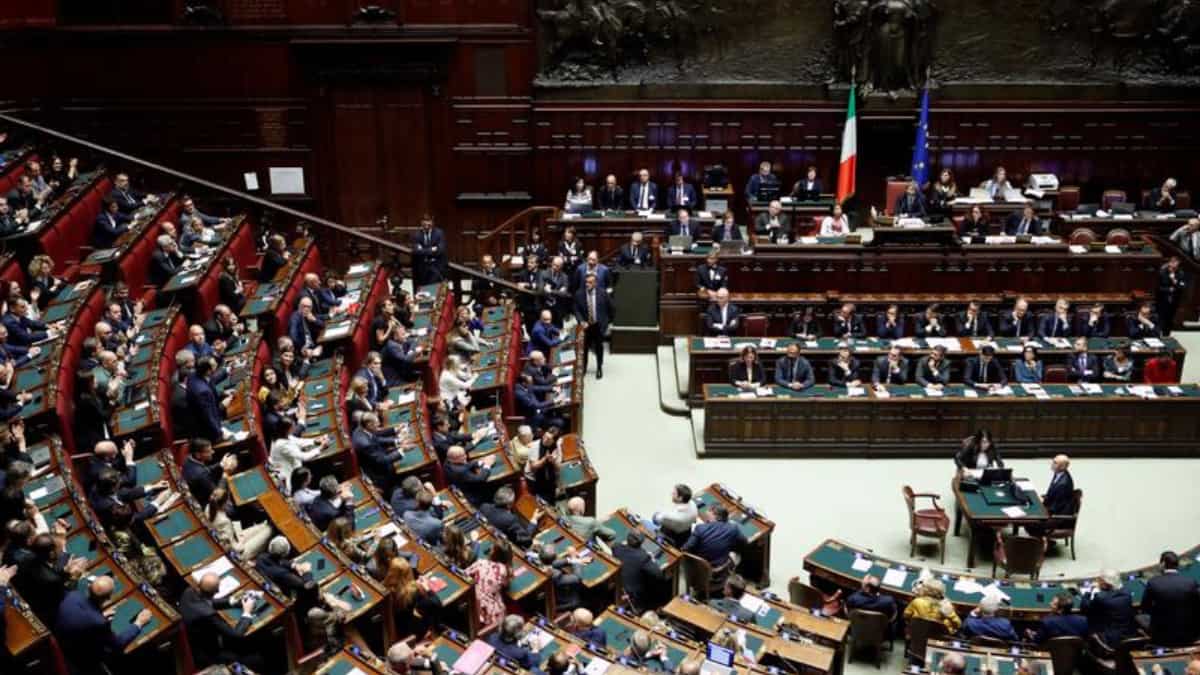
Parliament meets
The Italian constitution requires that newly elected members of the two houses of parliament, the Senate and the Chamber of Deputies, meet no later than 20 days after elections.
This would put their first gathering no later than October 15.
At this time, each chamber must elect a president and only then can the process of nominating members of a government begin.
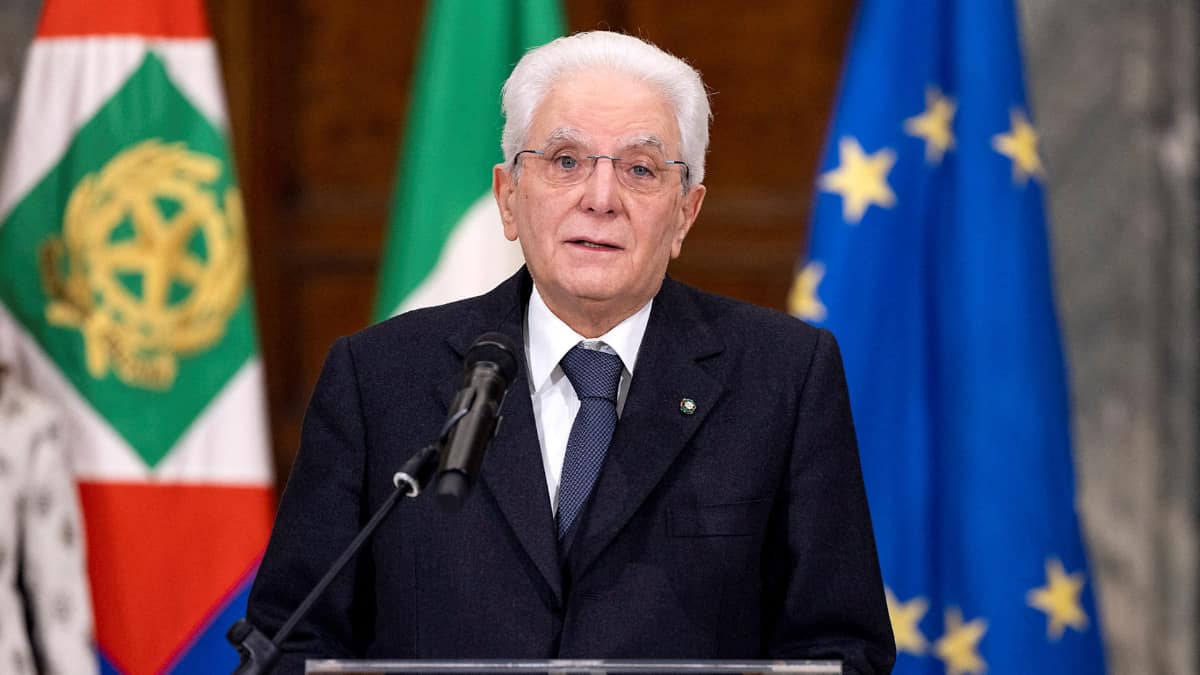
President leads negotiations
President Sergio Mattarella will begin consultations on who should lead the new government with the Senate and Chamber presidents, the leaders of the main parties and eventually the parliamentary groups.
If the result of the election is clear, these consultations will be fairly short, perhaps two days, but could last up to a week.
Then Mattarella, elected by parliament to a second seven-year term as head of state earlier this year, will nominate a prime minister.
This person will accept the mandate to form a new government "with reservations" and begin talks with allies on ministerial appointments and a programme.
At the end of these discussions, if all goes well, the prospective premier will return to Mattarella and "lift their reservations".
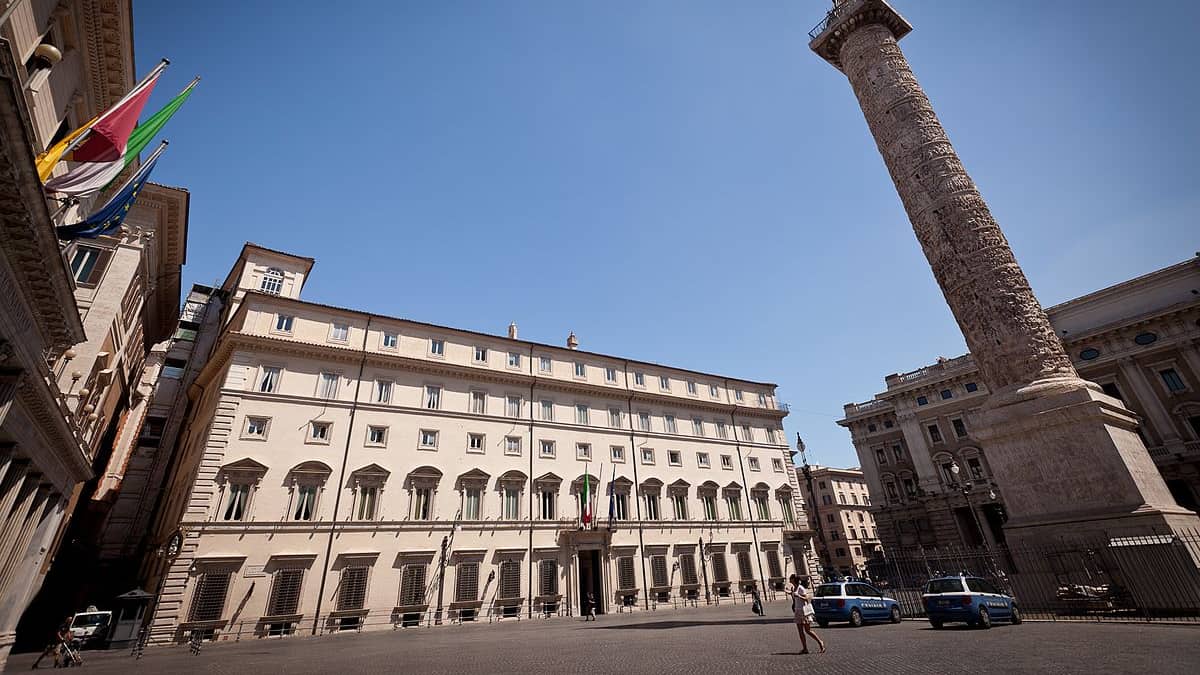
Finally a government
The new government is announced and sworn in before the president the same day or the next. The prime minister and their ministers then go to the seat of the executive, Palazzo Chigi, for the handover of power.
Silvio Berlusconi only needed 24 days in 2008 to take office, while it took 89 for Giuseppe Conte in 2018.
'Limited room for manoeuvre'
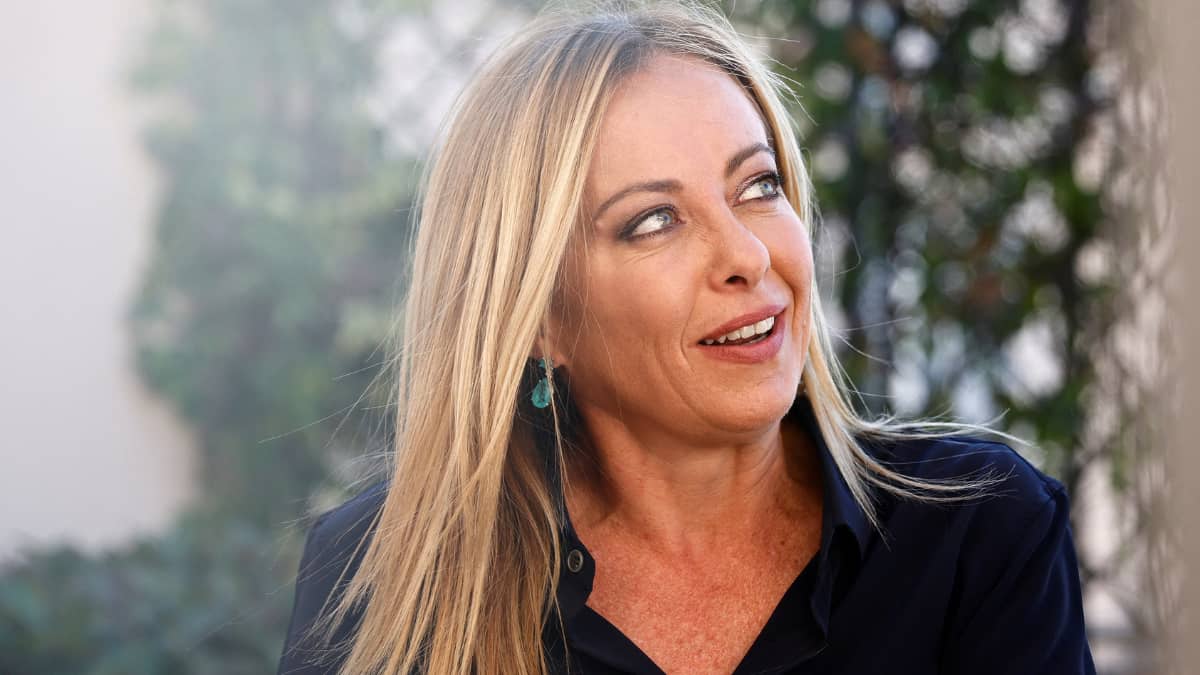
Meloni has dedicated her campaign to trying to prove she is ready despite her party never before being in power.
Brothers of Italy, which has roots in the post-fascist movement founded by supporters of dictator Benito Mussolini, pocketed just four percent of the vote during the last elections in 2018.
Meloni has moderated her views over the years, notably abandoning her calls for Italy to leave the EU's single currency.
However, she insists her country must stand up for its national interests, backing Hungary in its rule of law battles with Brussels.
Her coalition wants to renegotiate the EU's post-pandemic recovery fund, arguing that the almost 200 billion euros Italy is set to receive should take into account the energy crisis aggravated by the Ukraine war.
But "Italy cannot afford to be deprived of these sums", political sociologist Marc Lazar told AFP, which means Meloni actually has "very limited room for manoeuvre".
The funds are tied to a series of reforms only just begun by outgoing Prime Minister Mario Draghi, who called snap elections in July after his national unity coalition collapsed.
Despite her euroscepticism, Meloni strongly supports the EU's sanctions against Russia over Ukraine, although her allies are another matter.
Notoriously unstable
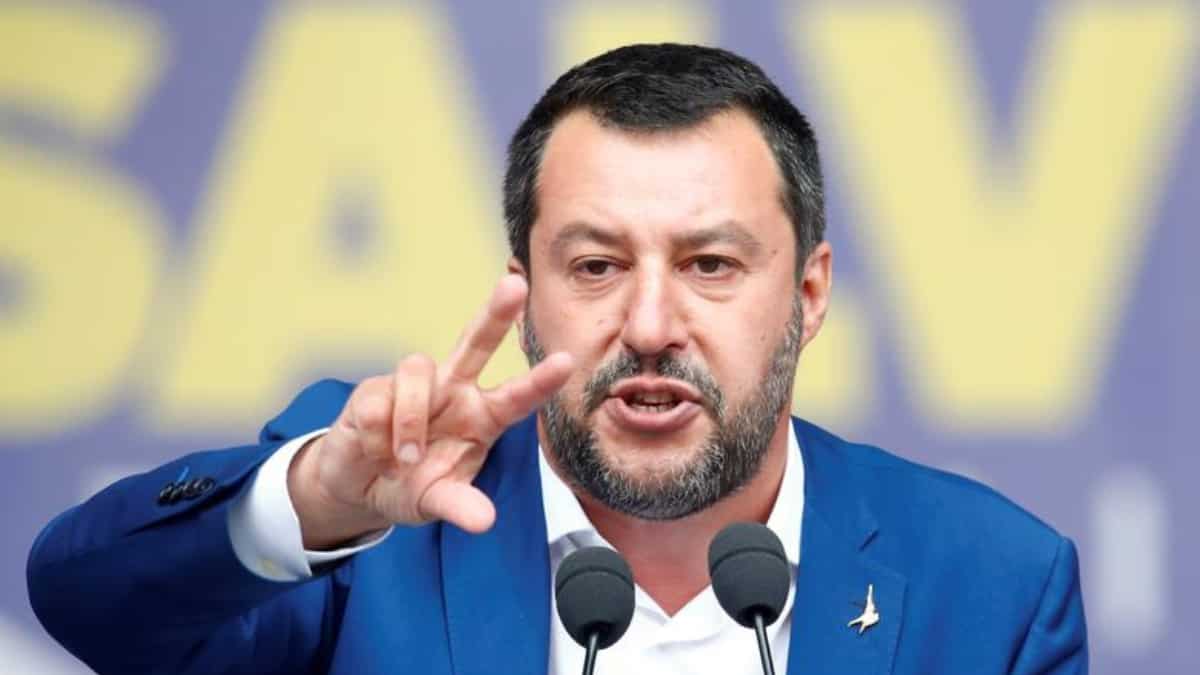
The next government is unlikely to take office before the second half of October, and despite pledges from Meloni and Salvini to serve five years, history suggests they may struggle.
Italian politics are notoriously unstable. The country has had 67 governments since 1946.
)
)
)
)
)