What were the top 7 most powerful battleships in naval history? Take a look.

Before aircraft carriers rose to dominance, battleships ruled the seas, and their scale and capability pushed the limits of naval engineering.
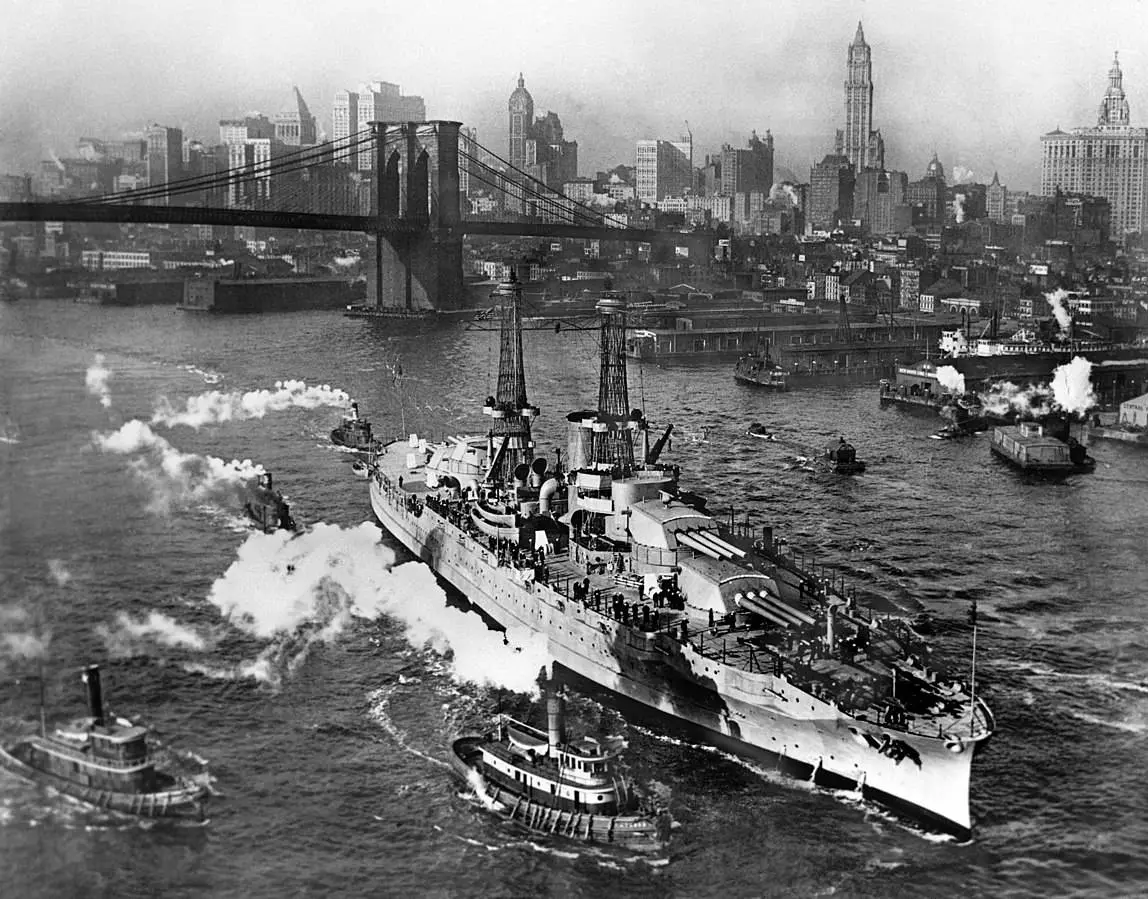
Titans of the Seas
Throughout the 20th century, battleships were the ultimate expression of naval power, combining immense firepower, thick armour, and massive size. These warships were more than just tools of war—they were floating fortresses that symbolised the industrial and military might of their nations. Before aircraft carriers rose to dominance, battleships ruled the seas, and their scale and capability pushed the limits of naval engineering. These are the seven largest and most powerful battleships ever built.
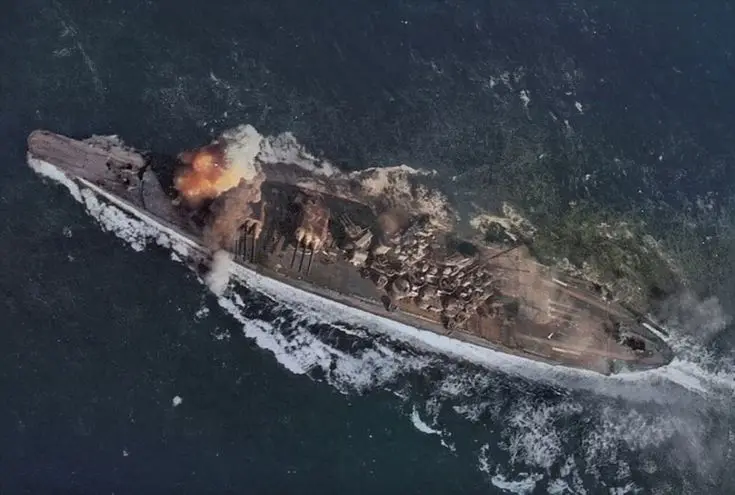
Yamato Class (Japan)
At the top of the list is the Yamato class of the Imperial Japanese Navy, the largest battleships ever built. Yamato and her sister ship Musashi displaced an astonishing 71,659 long tons at full load. They were 862 feet (263 m) in length and carried the largest naval guns ever mounted: nine 18.1-inch (460 mm) main guns. These ships were heavily armoured and designed to engage multiple enemy battleships at once. However, they were vulnerable to air power, and both were sunk by US aircraft. Despite their limited combat success, the Yamato class remains unmatched in size and firepower, symbolising the peak—and decline—of the battleship era.
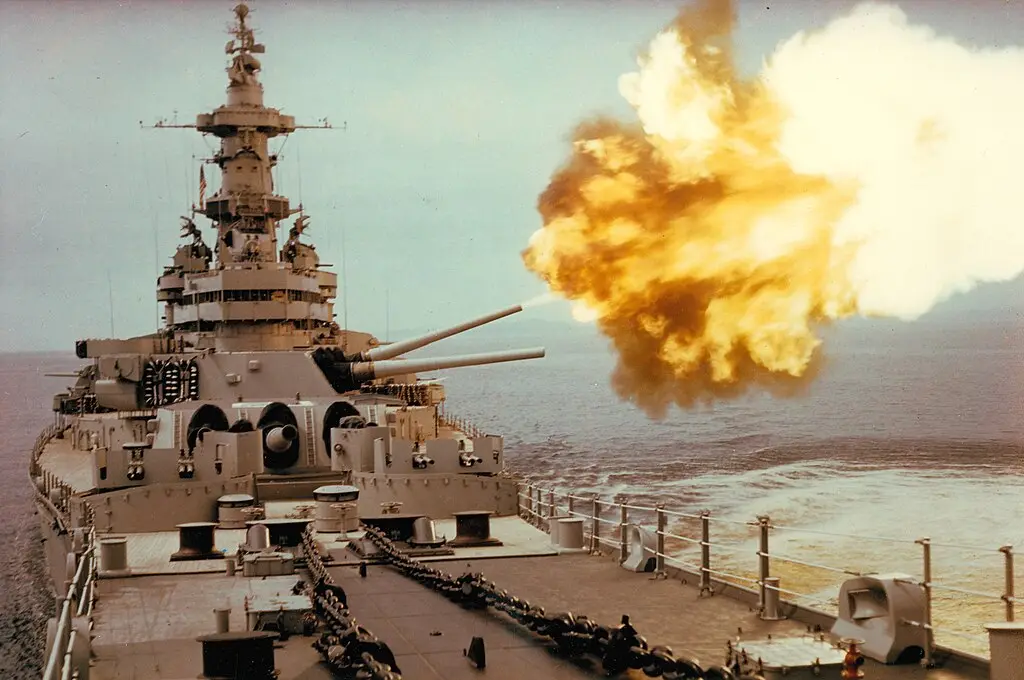
Iowa Class (USA)
The Iowa class battleships were the largest and fastest ever built by the United States Navy. Displacing up to 57,540 long tons at full load, these ships measured 887 feet (270.4 m) in length and could reach speeds over 32 knots. They were armed with nine 16-inch/50 calibre guns and featured advanced fire control systems for their time. Four ships were completed: Iowa, New Jersey, Missouri, and Wisconsin. They served from World War II through the Korean War and even into the Cold War, with modernised versions active as late as the 1990s. Their longevity and versatility made them some of the most effective battleships in history.
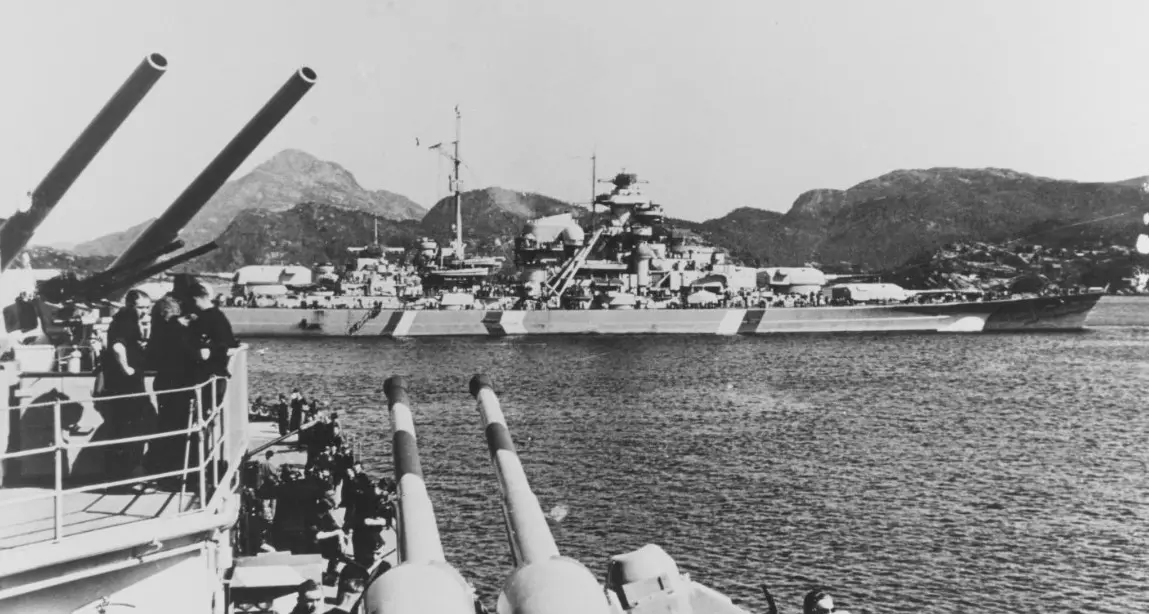
Bismarck Class (Germany)
Germany’s Bismarck class battleships were among the most formidable warships of World War II. The second ship, Tirpitz, received significant wartime modifications that increased her displacement to 51,800 long tons. At 823 feet (251 m) in length, the class was armed with eight 15-inch (380 mm) guns and protected with heavy armour. Bismarck famously sank HMS Hood but was later hunted down and sunk. Tirpitz spent much of the war in Norway, serving as a constant threat to Allied convoys before being destroyed by British bombers. The Bismarck class embodied the Kriegsmarine’s push for naval parity with other world powers.
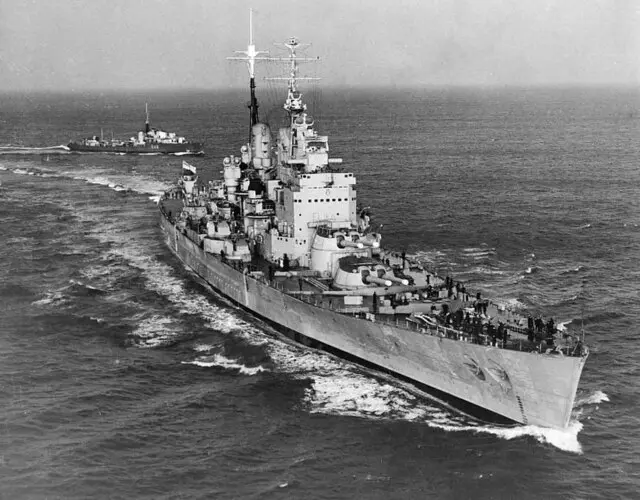
HMS Vanguard (UK)
HMS Vanguard was the last battleship built by the Royal Navy and the final battleship ever launched by any nation. She displaced 51,420 long tons at deep load and measured 814 feet (248.2 m) in length. Commissioned in 1946, she reused 15-inch guns originally built for earlier World War I-era ships, mounted in a modern hull with updated radar, armour, and propulsion systems. Although she saw no combat, Vanguard served as a flagship and royal yacht escort during peacetime. Her design represented the culmination of British battleship experience, but also marked the end of an era, as aircraft carriers quickly rendered battleships obsolete.
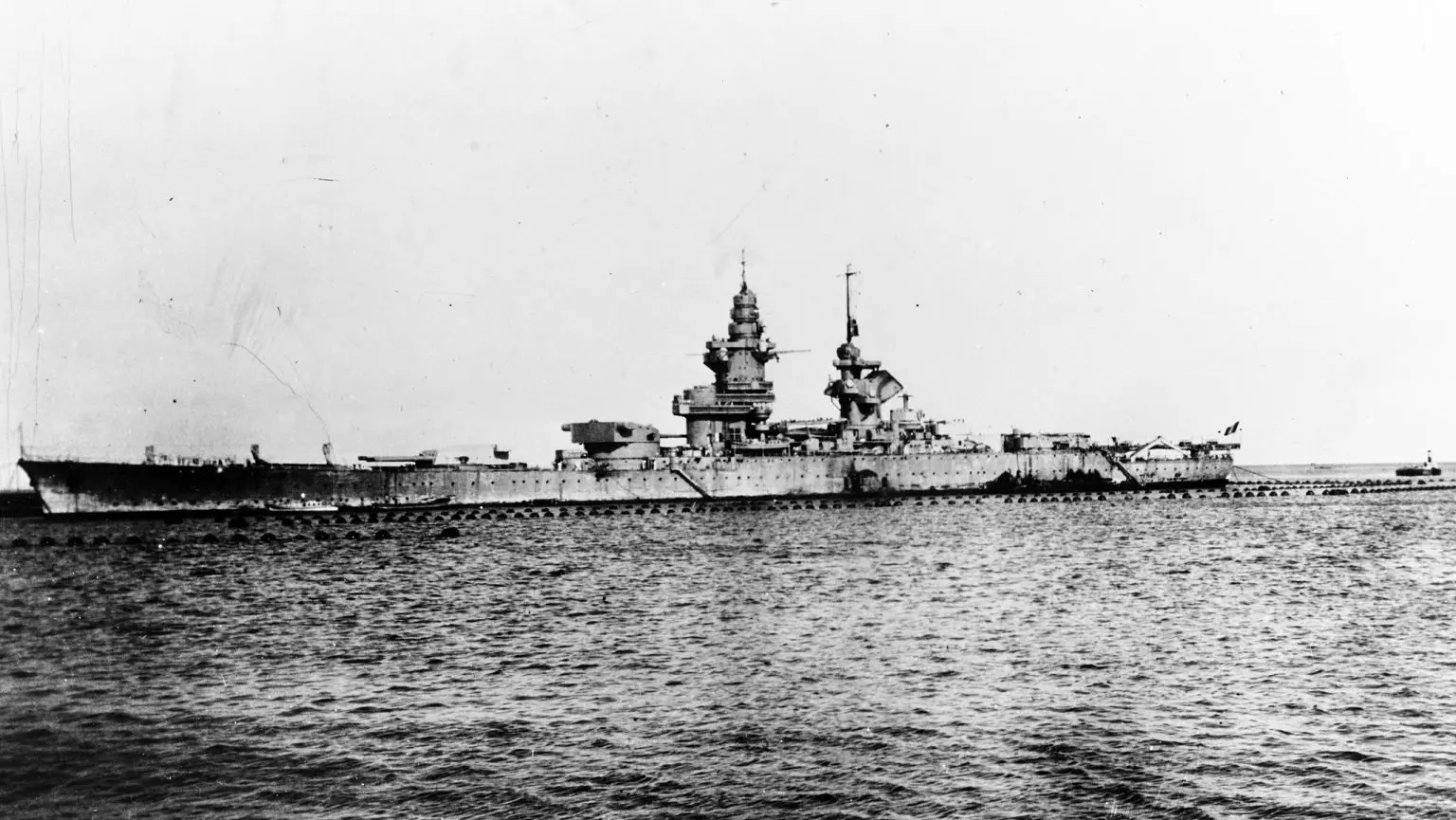
Richelieu Class (France)
France’s Richelieu class battleships were among the most powerful built under treaty restrictions. The completed ship, Jean Bart, reached a full load displacement of 48,180 long tons after post-war upgrades. At 813 feet (248 m) long and with a beam of 116 feet (35.5 m), the class featured a unique all-forward turret layout with two quadruple 15-inch (380 mm) gun turrets. Richelieu saw action in World War II, while Jean Bart was completed later and served during the early Cold War. Upgrades included modern radar, fire control, and anti-aircraft defences, giving the ships extended relevance in the post-war navy.
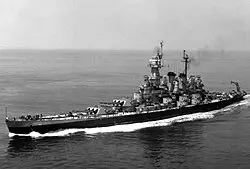
North Carolina Class (USA)
The North Carolina class included two battleships—North Carolina and Washington—that represented America’s first modern battleship designs under the constraints of the Washington Naval Treaty. At full load, they displaced 46,700 long tons and measured 728 feet (222 m) in length. They were armed with nine 16-inch guns and protected by a balanced system of armour and speed, capable of 27 knots. USS Washington distinguished herself in the Pacific, notably in the Battle of Guadalcanal. These ships demonstrated how treaty-era battleships could still be highly effective in modern naval warfare, particularly in combined operations with aircraft carriers.
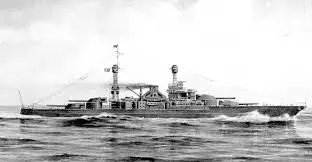
South Dakota Class (USA)
Rounding out the list is the South Dakota class, which consisted of four battleships: South Dakota, Indiana, Massachusetts, and Alabama. Designed to be shorter than the North Carolina class while offering better protection, they displaced up to 46,200 long tons at full load and were 680 feet (207.3 m) long. Armed with nine 16-inch guns and capable of 27 knots, these ships featured compact designs that concentrated armour around vital areas. They saw extensive combat in World War II, especially in the Pacific, where their firepower and anti-aircraft capabilities were instrumental in supporting amphibious operations and defending carrier task forces.
)
)
)
)
)