What the world Googled in 2025? Top 10 global news of the year – Charlie assassination, LA fires, US govt shutdown & more

2025 has been full of political shocks, surprises, tragedy and natural calamities that have affected from the individual level to global level. Here's the list of the top 10 most googled global news stories of the year.
1. Charlie Kirk assassination
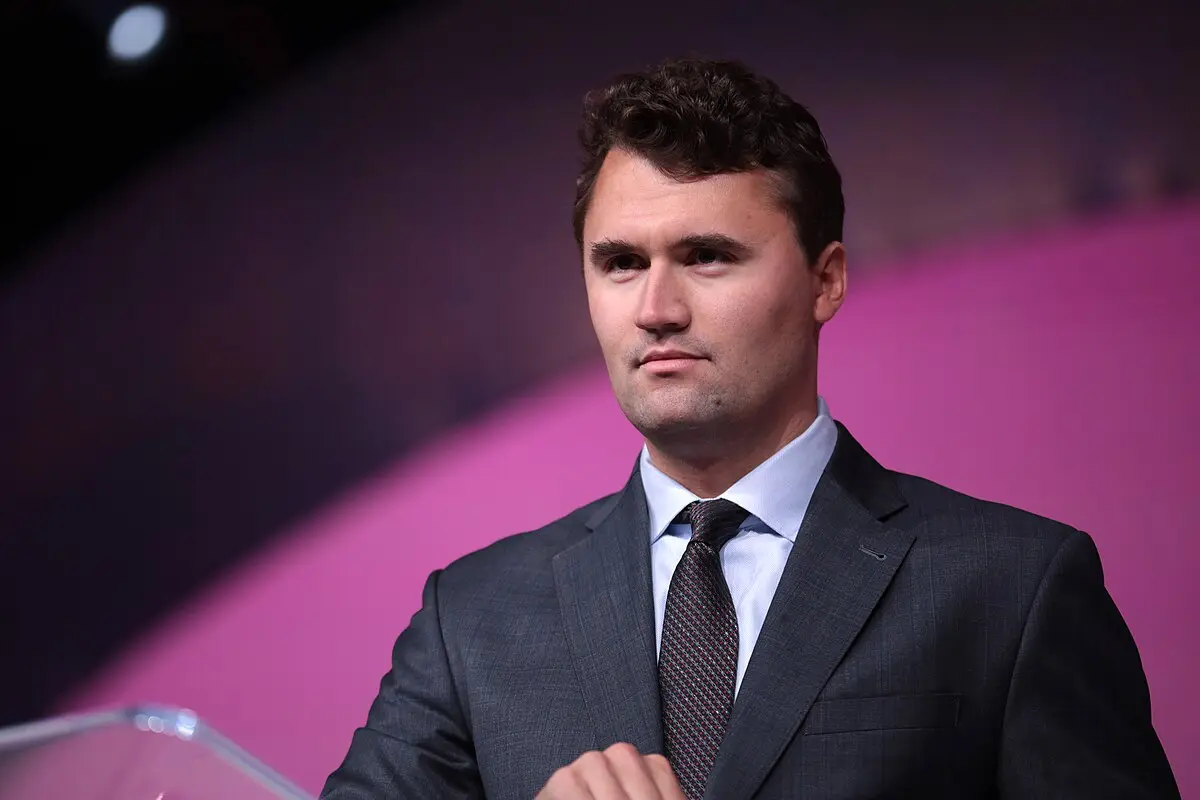
Conservative activist and Turning Point USA founder Charlie Kirk was shot dead during a campus event in Orem, Utah, in September 2025, triggering a storm of partisan anger and online conspiracy theories. Following the incident, Tyler Robinson, a 22-year-old Utah man, was accused of the murder. He has been charged with aggravated murder and other offences, and prosecutors are seeking the death penalty. Robinson turned himself in to officials a day after the shooting. The killing intensified debates over political violence, security at university events and the role of AI chatbots and social‑media algorithms in rapidly amplifying misinformation surrounding high‑profile crimes.

2. Israel–Iran war
In June 2025, Israel launched Operation 'Rising Lion', a surprise attack on Iranian nuclear and missile sites, labelling Iran’s program as an existential threat. In response, Iran retaliated with large missile salvos on Israeli military facilities. Following the event that unfolded, civilian casualties, cyberattacks, and disruption of air traffic and oil markets pushed the conflict to the top of global news searches. To mediate and stop the war, US President Donald Trump brokered a deal between the nations; however, both sides accused each other of violations and promised to launch attacks if provoked.
3. US government shutdown
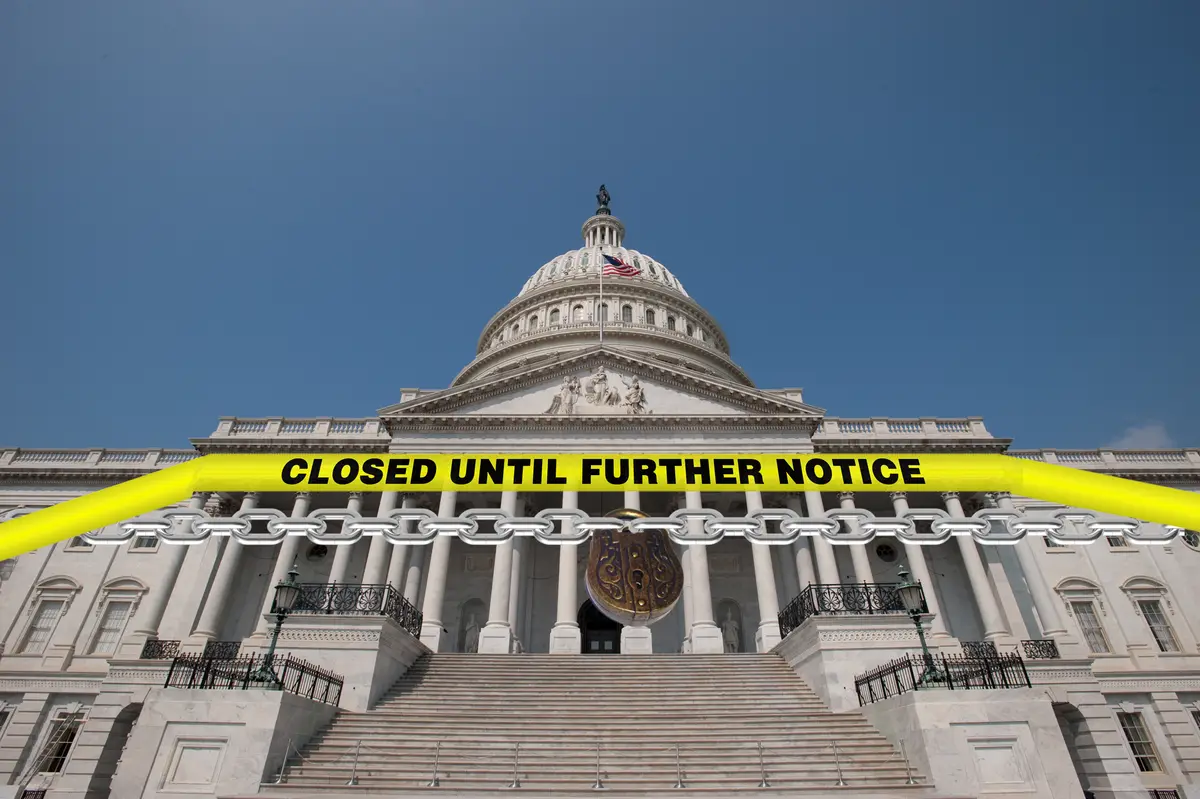
The US federal government entered a funding lapse on 1 October 2025 after Congress failed to pass budget bills or a continuing resolution, leading to the longest shutdown in American history. By early November, it had passed 35 days, surpassing the 2018–19 record, with hundreds of thousands of federal workers furloughed or working without pay. After the shutdown, several public services & economic activities were disrupted, some court operations slowed, and data releases from agencies like the Bureau of Labour Statistics were delayed.
4. Election of a new pope
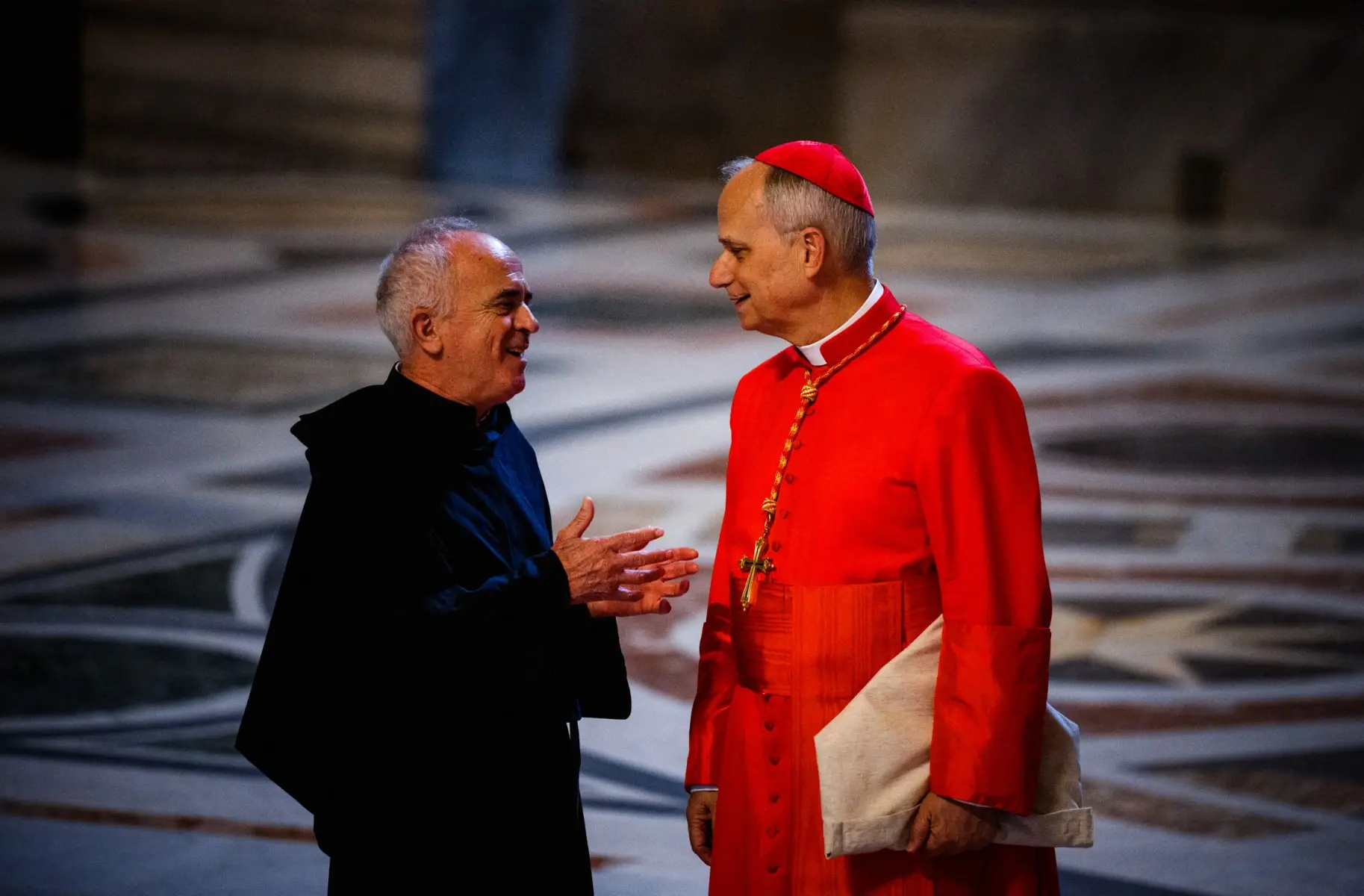
After Pope Francis died on 21 April 2025, cardinals met in conclave on 7–8 May to choose his successor. On the fourth ballot, they elected US‑born Cardinal Robert Francis Prevost, head of the Dicastery for Bishops, who took the name Pope Leo XIV.
5. Los Angeles fires
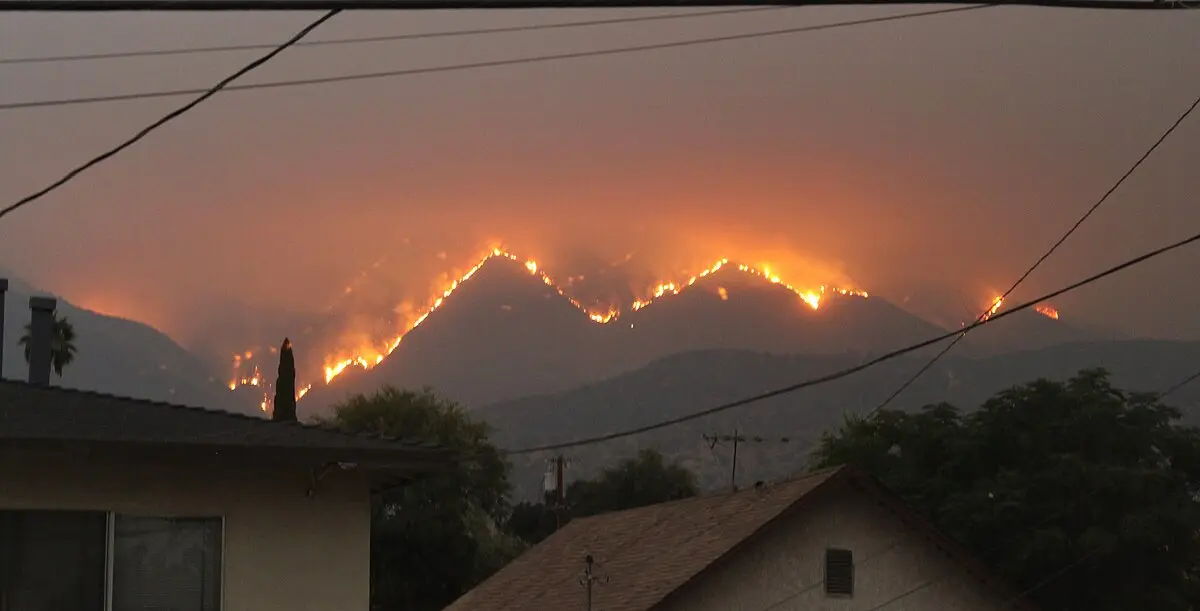
A severe 2025 fire season witnessed multiple large wildfires threaten the Los Angeles metropolitan area, fuelled by prolonged drought, extreme heat and Santa Ana winds (reported across US climate and local‑news coverage). Evacuations, freeway closures and smoke‑related air‑quality alerts affected millions. Firefighters put their efforts to protect power infrastructure and film‑industry facilities in the affected areas, reigniting political fights over land‑use planning, water policy and the pace of California’s climate‑adaptation investments.
6. Hurricane Melissa
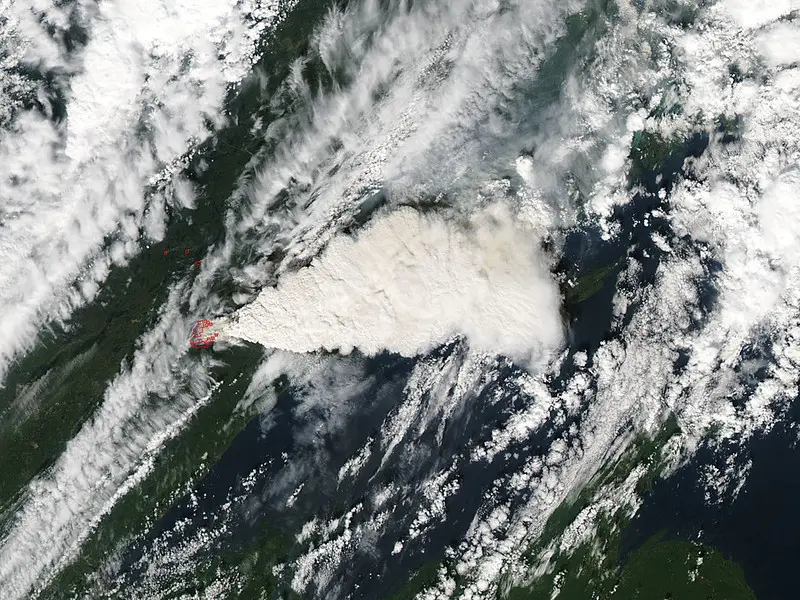
Hurricane Melissa became the strongest tropical cyclone of 2025 and one of the most intense Atlantic hurricanes on record. Originating from a tropical wave off West Africa, it meandered before rapidly intensifying into a Category 5 storm and making landfall near New Hope, Jamaica, on 28 October with record‑level winds and central pressure. Hurricane Melissa devastated multiple areas of Jamaica; however, it was weakened while crossing toward Cuba.
7. TikTok bans and restrictions
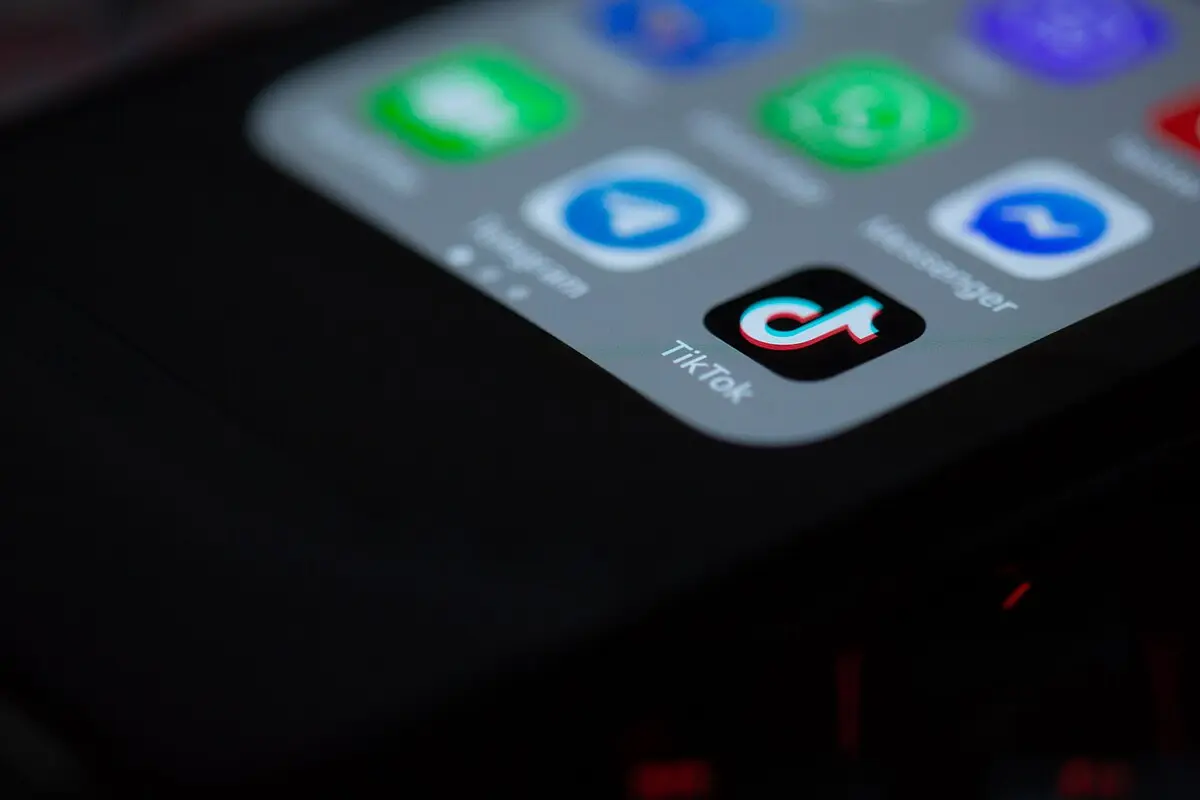
Debates over TikTok’s ownership and data practices peaked in 2025 as more governments imposed restrictions. In the United States, the Supreme Court upheld a law requiring TikTok to separate from its Chinese parent, ByteDance, or face a nationwide ban, creating uncertainty for creators and advertisers. Some 23 countries had enacted full or partial bans, often citing national security or election integrity concerns. In the European Union, stricter obligations under the Digital Services Act forced changes to algorithms, transparency and content moderation, making regulation of Chinese‑linked platforms a top‑searched technology and geopolitics issue.
8. Zohran Mamdani: New York City first Muslim mayor
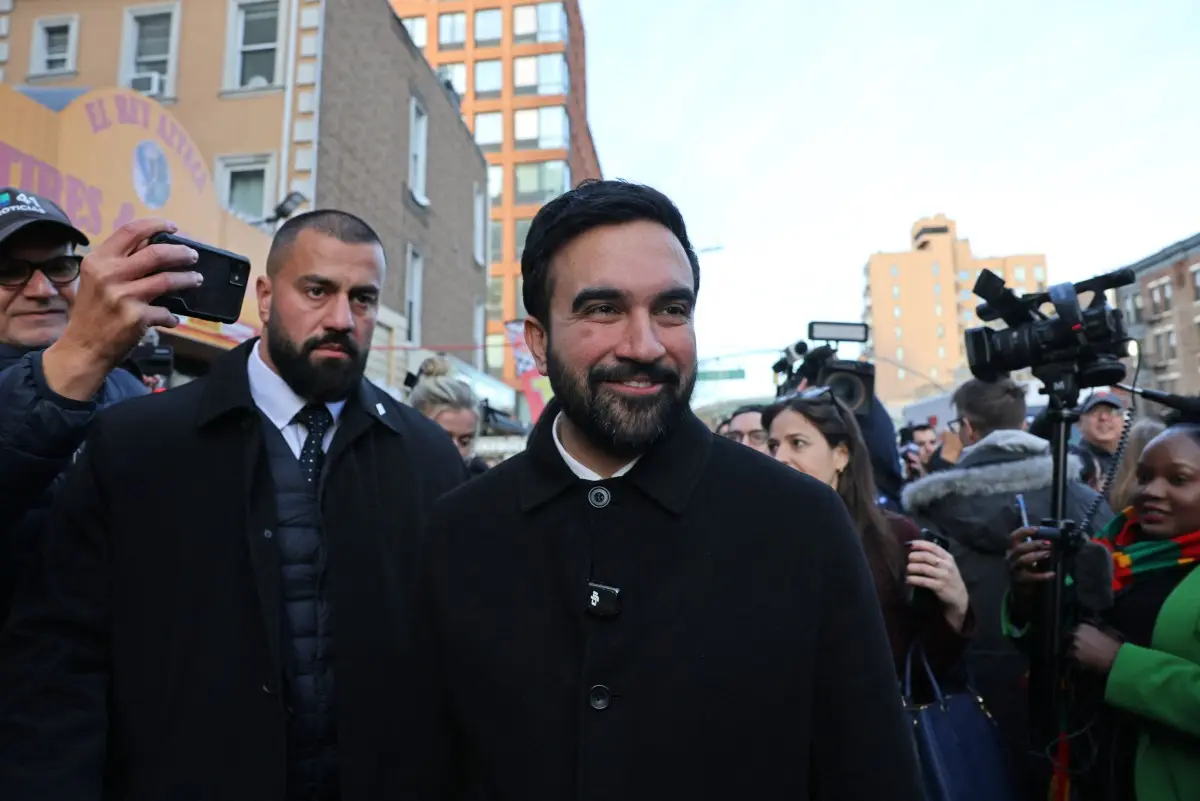
After defeating Andrew Cuomo in the Democratic primary, Zohran Mamdani, a 34‑year‑old democratic socialist assembly member from Queens, won the 2025 New York City mayor election with just over 50 per cent of the vote, beating Republican Curtis Sliwa and independent Cuomo. He became NYC’s first Muslim mayor, powered by small donations, youth turnout and endorsements from progressive leaders. While campaigning, Zohran Mamdani proposed free city buses, a rent freeze for stabilised apartments, universal childcare, 200,000 affordable homes, and higher taxes on millionaires and corporations.
9. USAID
While facing scrutiny from both left and right (as reflected in US congressional and policy coverage), the United States Agency for International Development (USAID) remained central to US foreign policy debates in 2025 as it funded humanitarian relief in Gaza, Ukraine and climate‑vulnerable states. Controversies over aid conditionality, alleged politicisation, and coordination with the Pentagon or State Department kept the agency frequently searched, especially when major crises or new funding packages were announced.
10. Kamchatka earthquake and tsunami
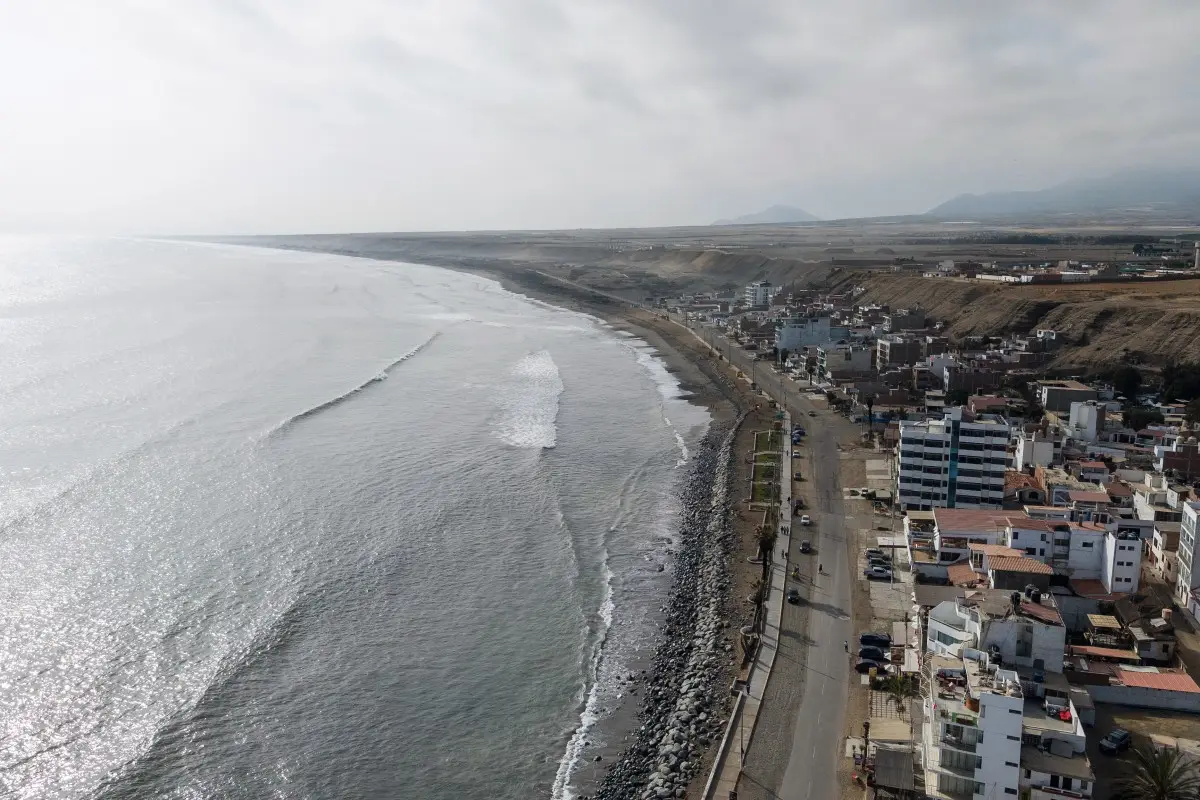
On 28 July 2025, a powerful offshore earthquake struck near Russia’s Kamchatka Peninsula, generating a Pacific‑wide tsunami warning. Kamchatka Krai and parts of Sakhalin experienced moderate structural damage and injuries, while tsunami waves around 1 metre reached many coastal areas. A narrow valley near Vestnik Bay recorded a local run‑up of 33.1 metres, and Japanese islands witnessed evacuations, one indirect death and 21 injuries. The event revived memories of past Pacific megatsunamis and dominated global disaster searches.
)
)
)
)
)