What Stephen Hawking’s 'Black Hole Evaporation Theory' really means for universe?

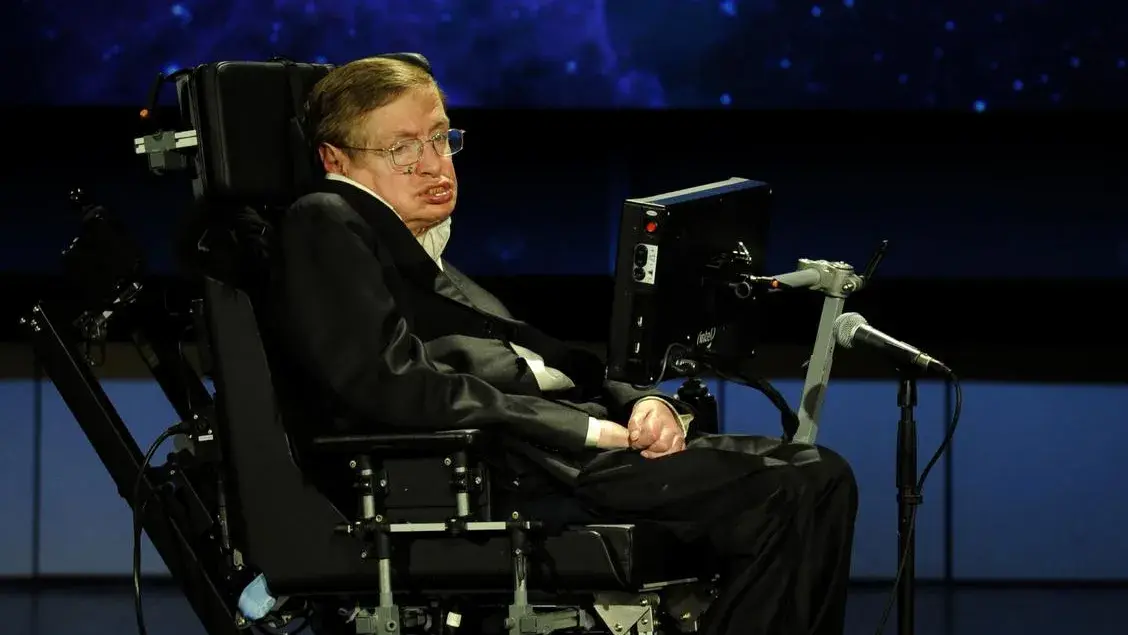
In 1974, Stephen Hawking shook the scientific world with a revolutionary idea: black holes aren’t eternal. Instead, they slowly lose mass over time through a process now famously known as Hawking Radiation.
The Spark of the Theory
Hawking combined quantum mechanics and general relativity, two pillars of physics that usually don’t get along. He proposed that quantum effects near a black hole’s event horizon cause particles to escape into space, leading to a slow loss of mass.
The Role of Virtual Particles
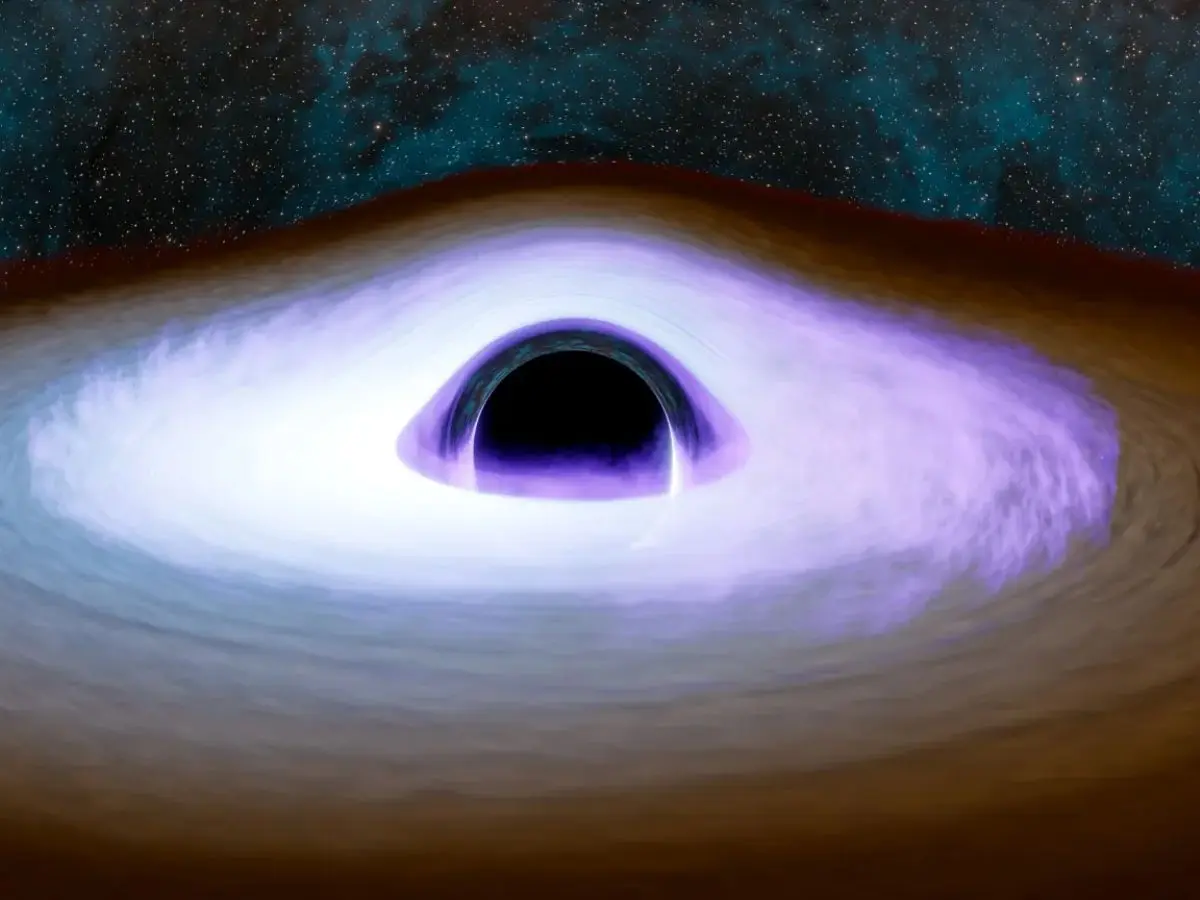
According to quantum theory, space is never truly empty, it’s buzzing with pairs of virtual particles that constantly pop into existence. Near a black hole, one particle may fall in while the other escapes, making it appear as if the black hole is radiating energy.
Hawking Radiation Explained
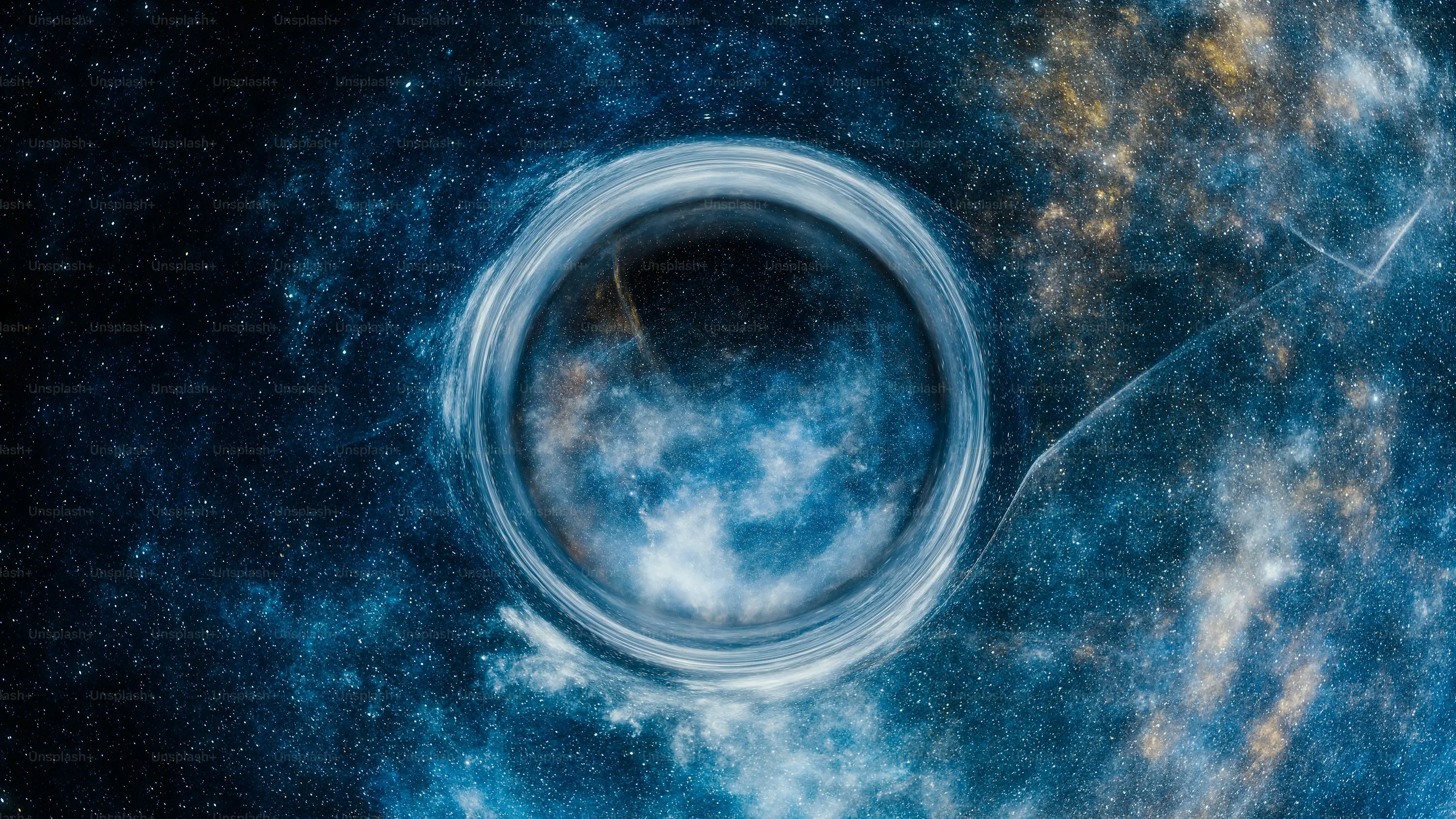
The escaping particle becomes real, carrying away a tiny amount of the black hole’s energy. This process is incredibly slow for large black holes but faster for smaller ones, meaning tiny black holes could evaporate completely within the age of the Universe.
Black Holes Aren’t Forever
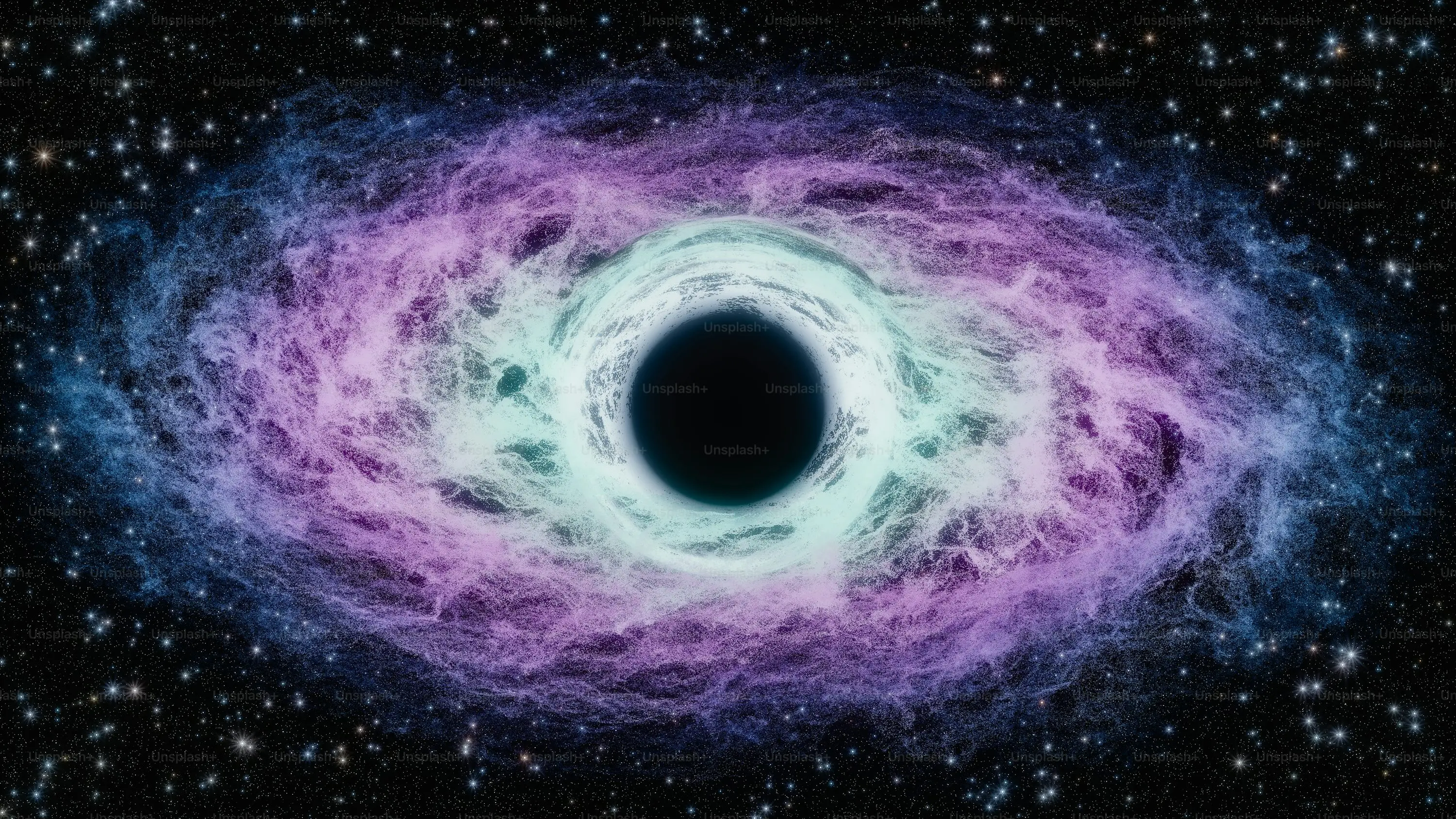
Before Hawking’s work, it was believed that black holes could only grow larger. His theory suggested the opposite, given enough time, they can evaporate entirely, leaving behind nothing but radiation.
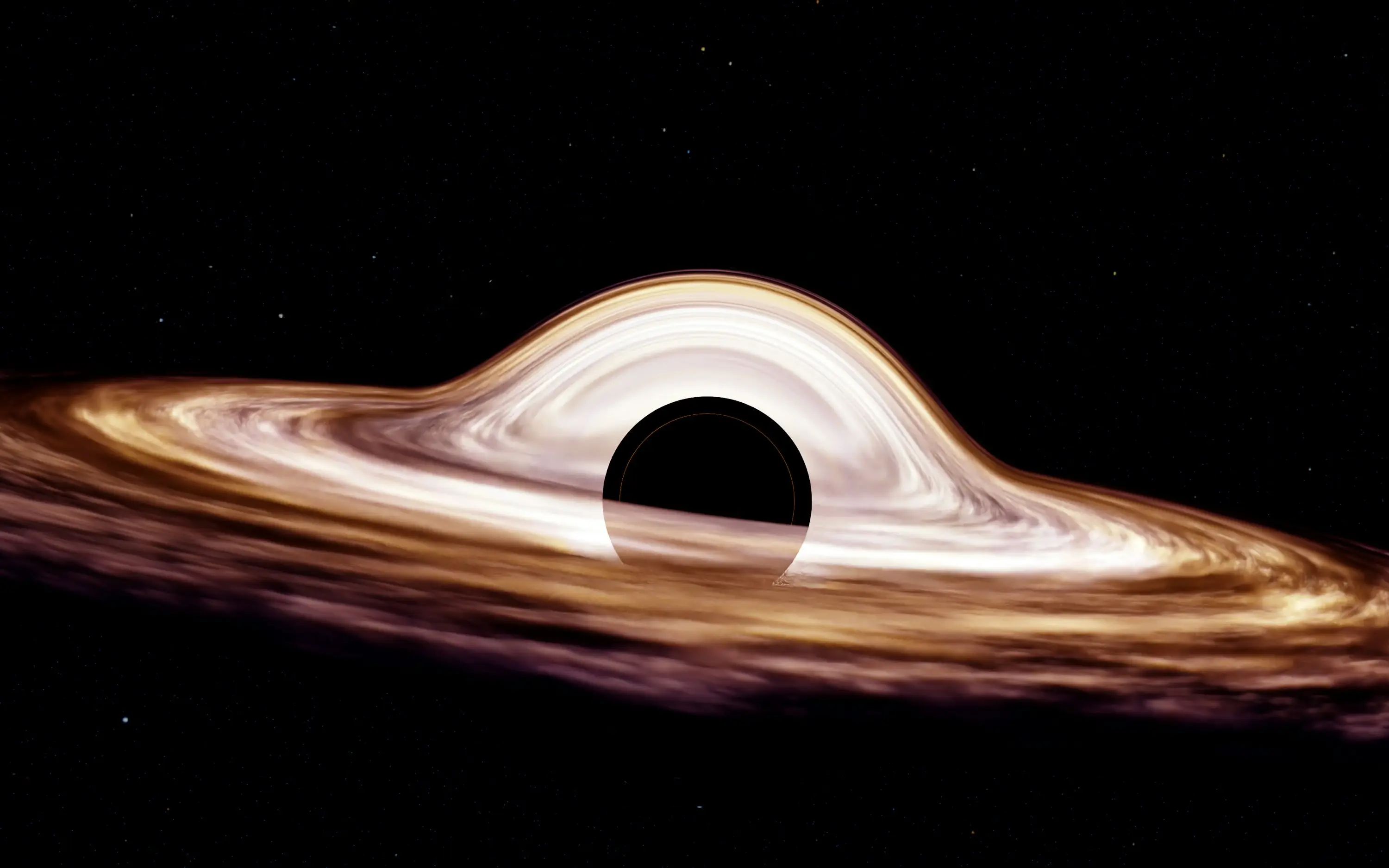
Energy Loss and Temperature
Hawking found that black holes actually have a temperature, smaller ones are hotter and radiate faster. This was groundbreaking because it linked thermodynamics with the extreme conditions of spacetime.
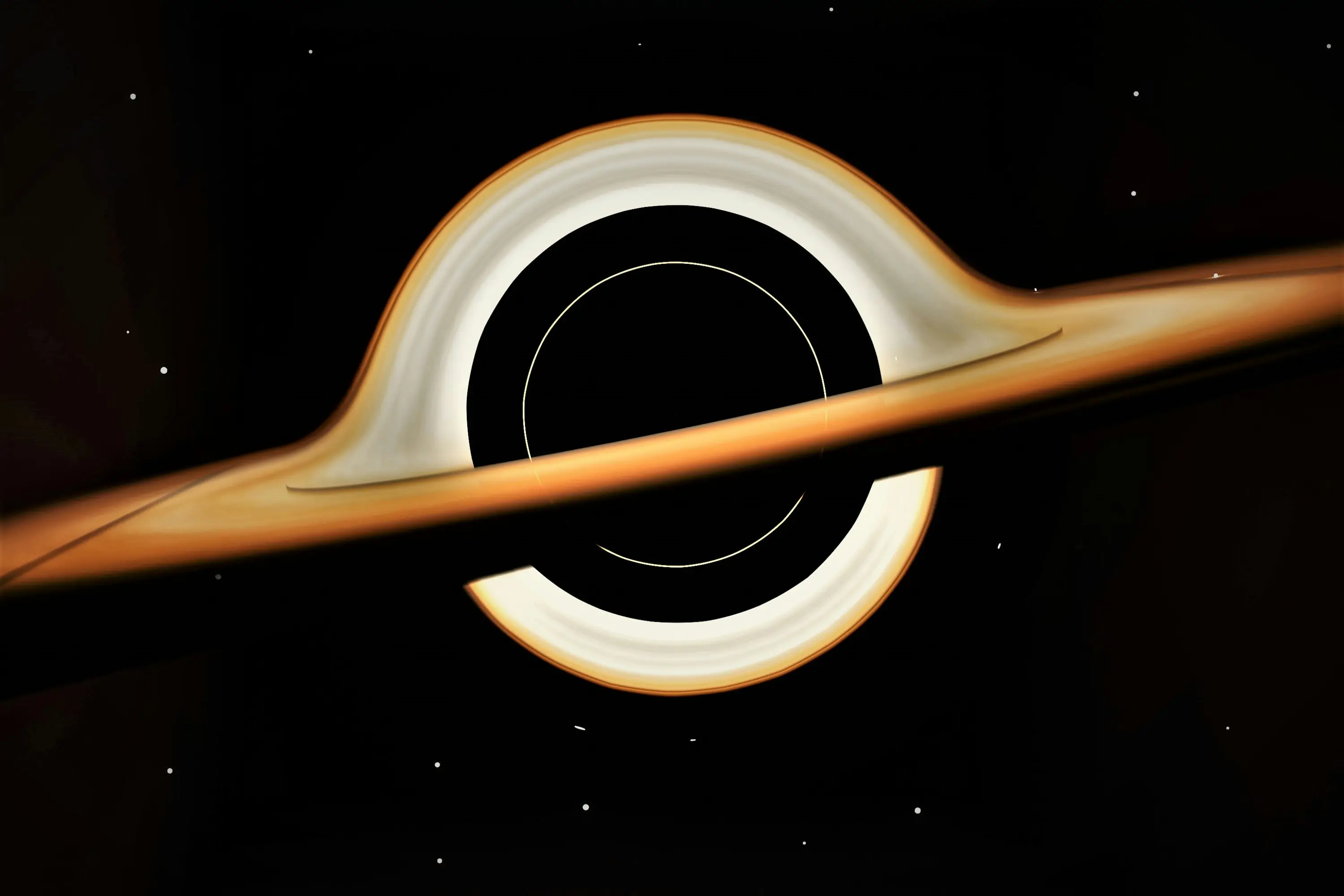
The Information Paradox
If a black hole can evaporate completely, what happens to the information about everything it consumed? This led to the famous Black Hole Information Paradox, which remains one of the greatest unsolved mysteries in physics.
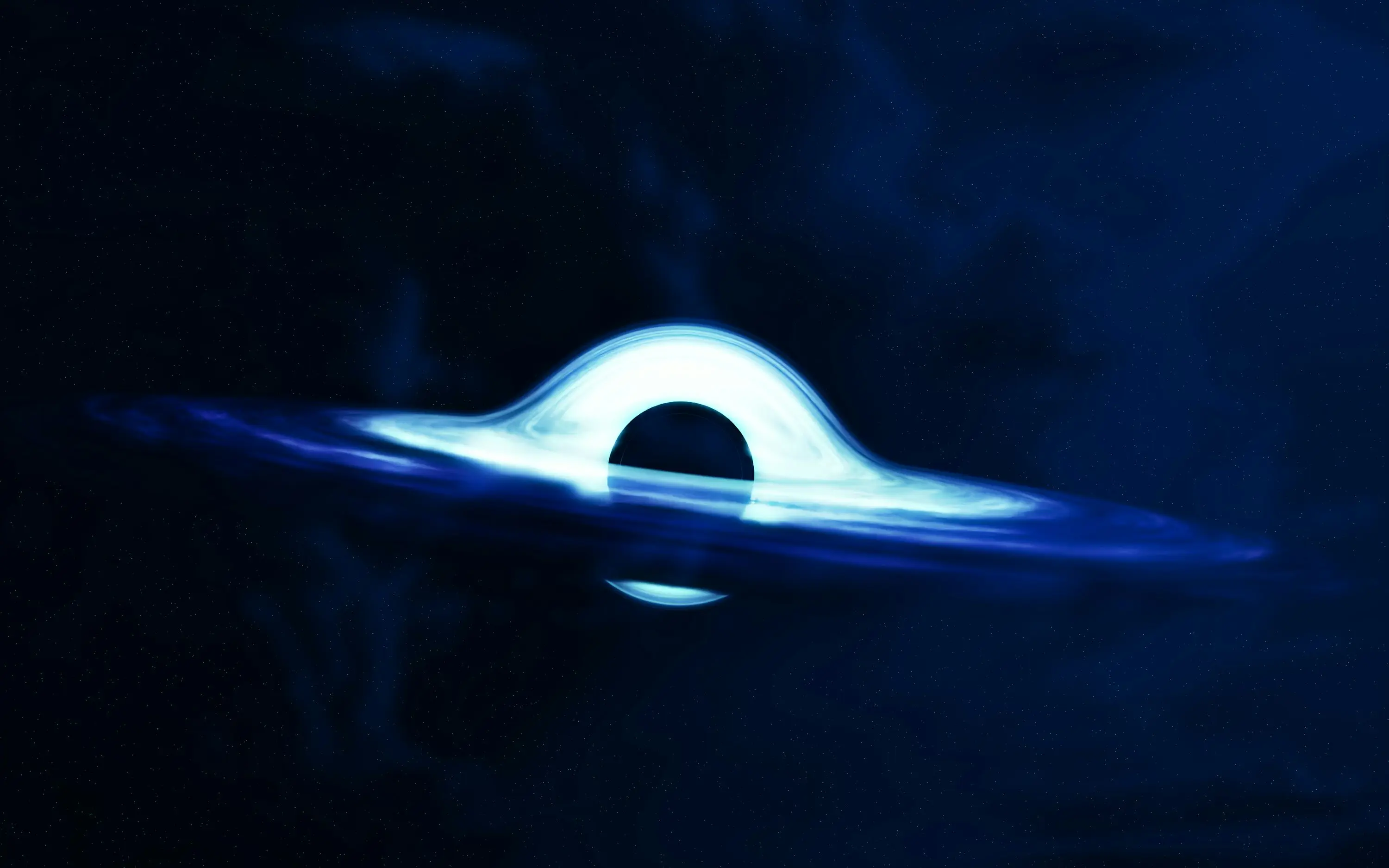
Real-World Evidence?
Directly detecting Hawking radiation from astronomical black holes is nearly impossible, they’re too cold. However, scientists are creating laboratory analogues of black holes to test and observe the effect in controlled conditions.
)
)
)
)
)