What's the difference between LPG and PNG? How India’s kitchens depend on cylinders and pipelines

Across many households, concerns over cooking gas availability have revived a familiar question: whether piped natural gas (PNG) or liquefied petroleum gas (LPG) offers a more reliable solution. LPG and PNG differ primarily in how they are supplied to households.
A gas supply debate amid global tensions
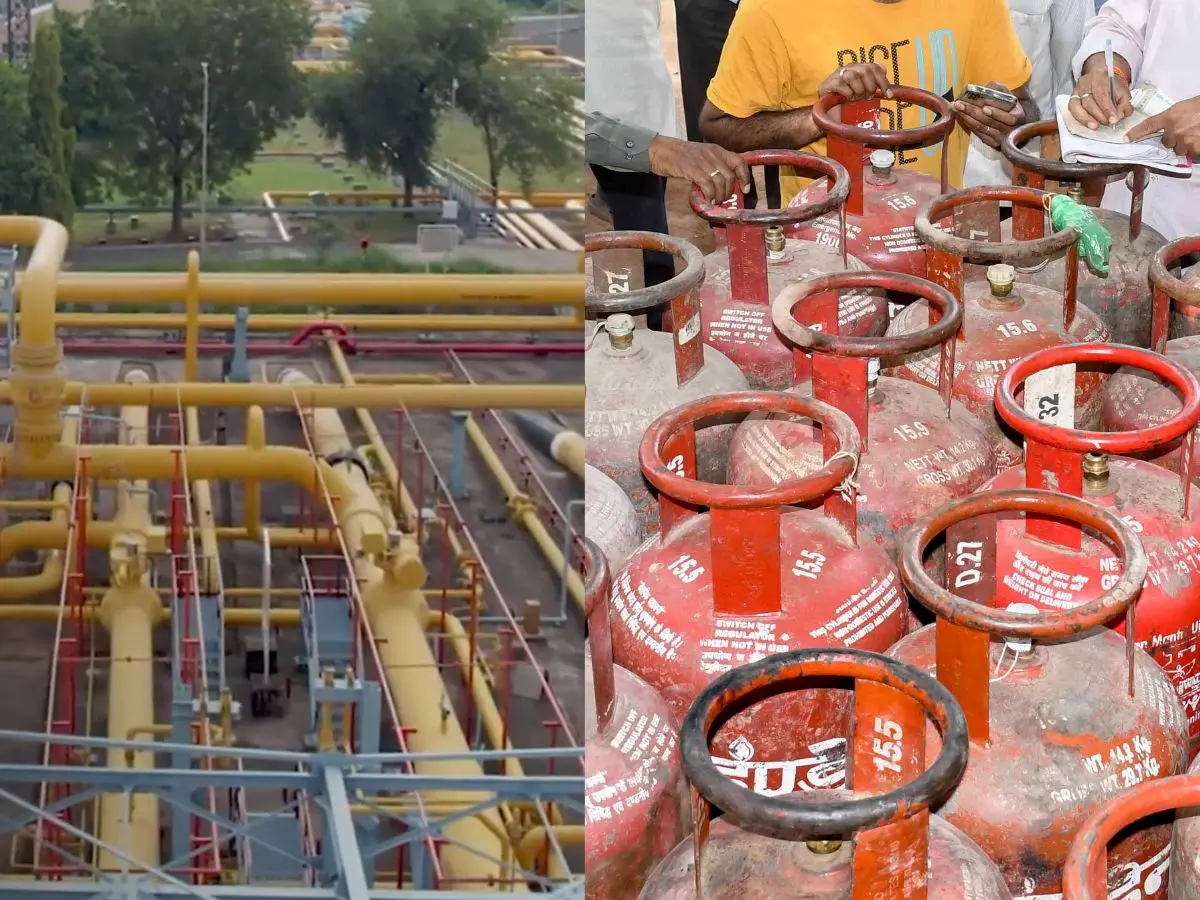
As the conflict involving Iran continues to disrupt energy routes in the Middle East, India’s cooking fuel system has come under renewed strain. Across many households, concerns over cooking gas availability have revived a familiar question: whether piped natural gas (PNG) or liquefied petroleum gas (LPG) offers a more reliable solution. India imports a large share of its LPG and most of those shipments pass through the strategic Strait of Hormuz, a critical corridor now affected by due to Middle East conflict.
Government measures to manage LPG demand
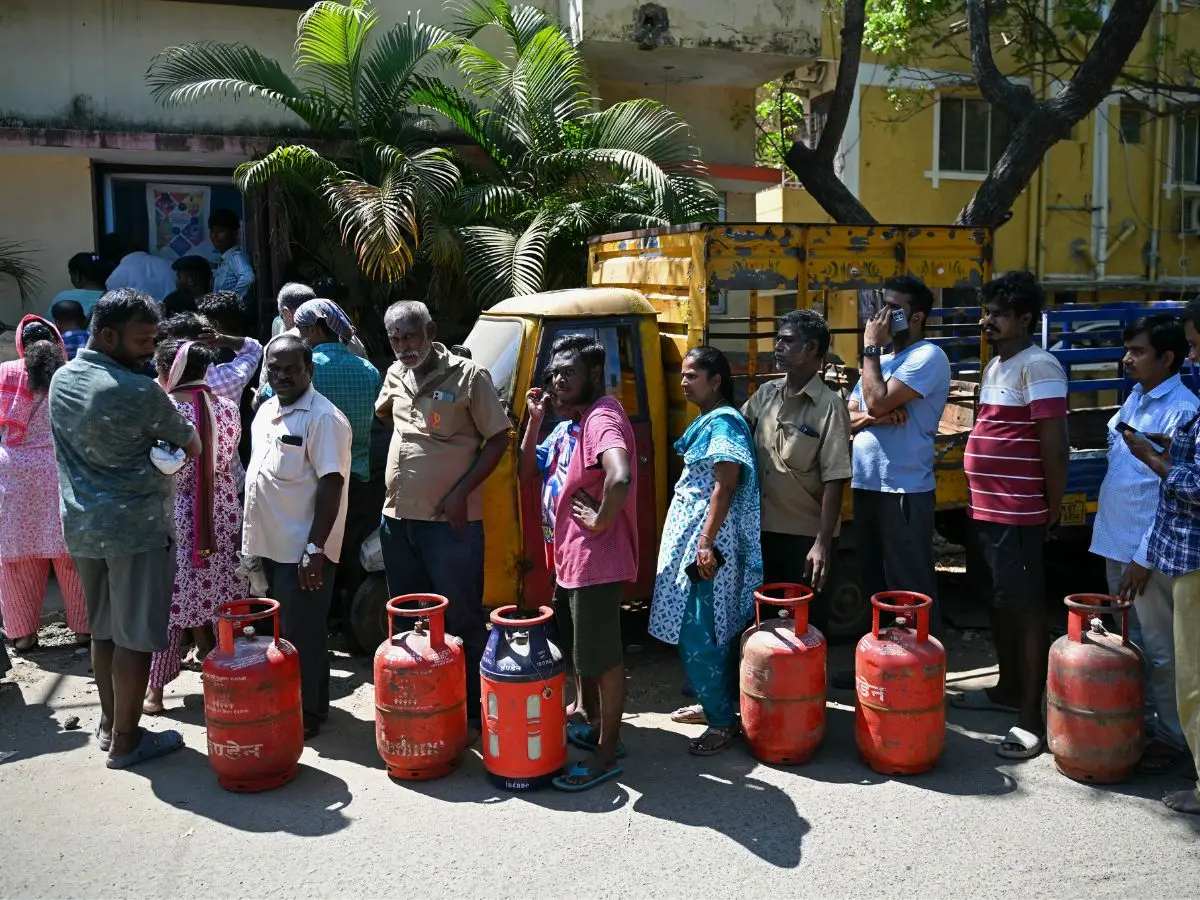
With supply pressures emerging, the government has tightened booking rules for LPG cylinders. The minimum gap between LPG bookings has been raised from 21 days to 25 days as a temporary demand-management measure, while rural consumers face a longer booking cycle of 45 days. At the same time, the government has expanded the Delivery Authentication Code system to nearly 90 per cent of consumers to curb diversion at the distributor level. According to a statement from the Press Information Bureau, “Domestic PNG supply and CNG for vehicles will receive 100 per cent supply with no cuts.”
India’s dependence on LPG imports
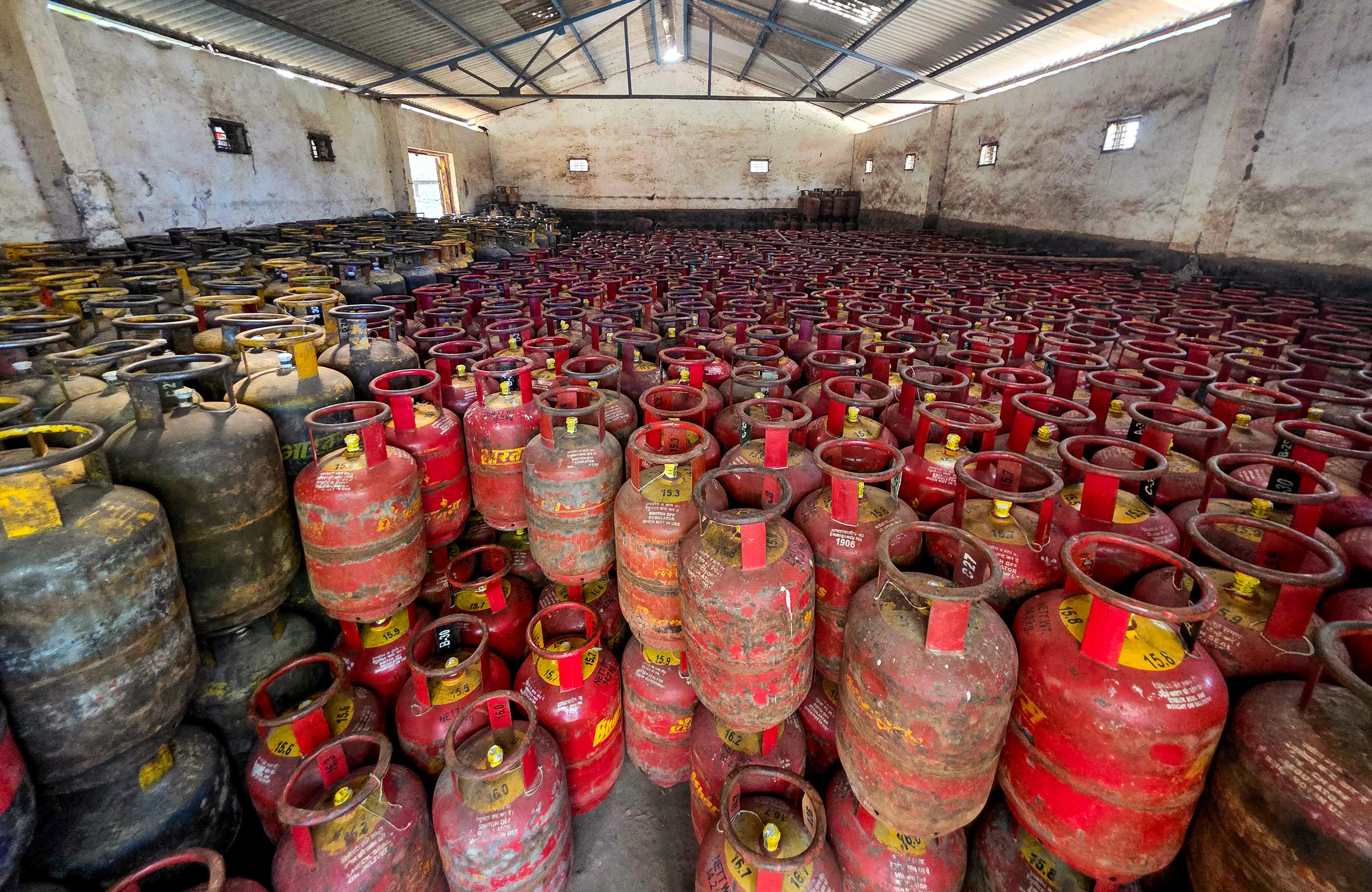
India’s cooking gas demand remains substantial. Data from the Petroleum Planning and Analysis Cell show the country has more than 33.2 crore active LPG connections, including over 10 crore beneficiaries of the Pradhan Mantri Ujjwala Yojana. In the financial year 2024–25, India produced about 12.8 million metric tonnes of LPG domestically, roughly 40 per cent of total consumption of 31.3 million tonnes. The remainder comes largely through imports routed via the Gulf.
How PNG works differently
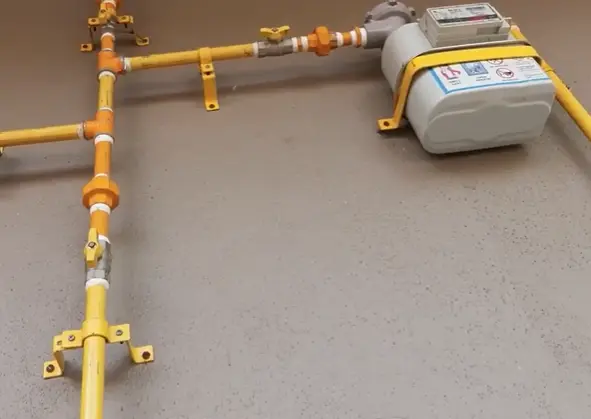
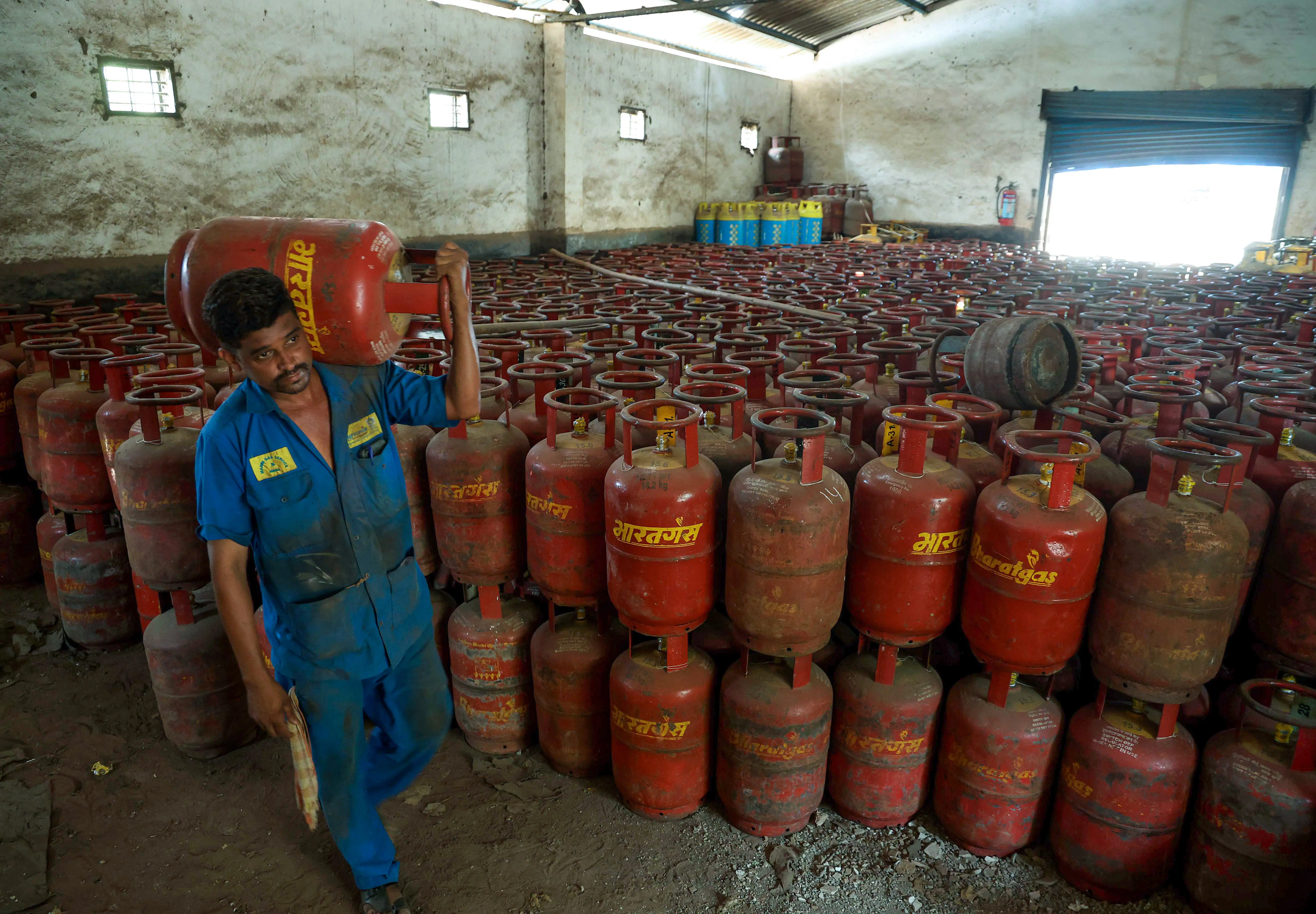
Liquefied Petroleum Gas (LPG) and Piped Natural Gas (PNG) differ primarily in how they are supplied to households. LPG is stored in cylinders and delivered through a distribution network that includes bottling plants, transport trucks and local dealers. Consumers must book refills and wait for cylinder delivery. PNG, by contrast, is supplied through an underground pipeline network directly to homes. Gas flows continuously from production fields or import terminals through the national grid and city gas distribution systems to household meters, eliminating the need for cylinder refills. Consumers pay for usage in a metered system similar to electricity or water, removing the need to book cylinder refills.
What they consist of
The composition of the two fuels is also different. LPG mainly consists of propane and butane, which are stored in liquid form under pressure in cylinders. PNG is largely methane, supplied in gaseous form through pipelines at relatively low pressure. Because methane is lighter than air, it disperses upward if a leak occurs, whereas LPG is heavier than air and tends to settle near the ground, which can increase risks in poorly ventilated areas.
Expanding PNG networks across cities
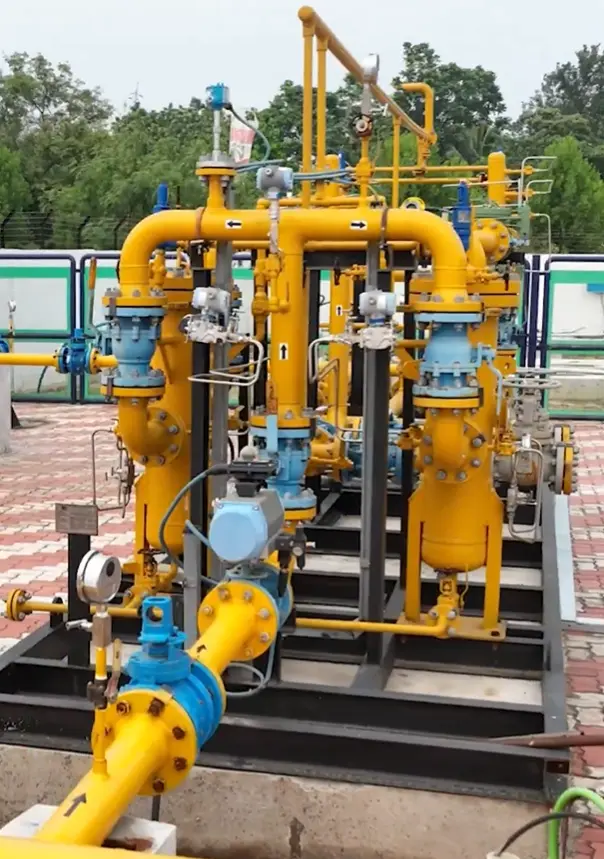
India has steadily expanded PNG access through the city gas distribution programme. Companies such as Indraprastha Gas Limited, Mahanagar Gas Limited, Gujarat Gas and Adani Total Gas supply piped gas to urban homes. Earlier policy decisions gave the sector priority access to domestic natural gas supplies, placing it in the “no-cut” category to protect household usage. The government also plans to expand liquefied natural gas import capacity to about 66.7 million tonnes a year by 2030.
convenience and pricing
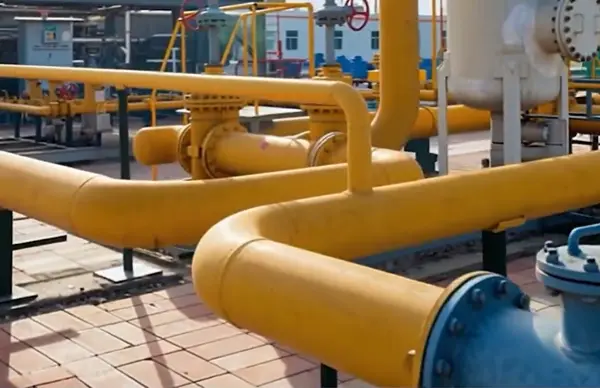
Another major difference lies in convenience and pricing structure. LPG users pay for each cylinder and must monitor usage to ensure timely refills. PNG operates on a metered system similar to electricity or water, where households are billed for the quantity consumed each month. While LPG remains the dominant cooking fuel across India, PNG is expanding in urban areas through city gas distribution networks, offering households a continuous supply without storage or delivery concerns.
)
)
)
)
)