What’s inside a NASA space suit and why it has sixteen layers

NASA space suits are high-tech life-support systems with up to sixteen layers. From cooling tubes to bulletproof fabric, discover how each part protects astronauts from the harshest conditions in space.

NASA space suit
A space suit is more than just clothing it is a small spacecraft built to protect astronauts in space. Modern NASA suits have up to sixteen layers, each one serving a special purpose. These layers work together to keep the astronaut safe from pressure changes, temperature swings, dust, and radiation.

Ventilation Garment
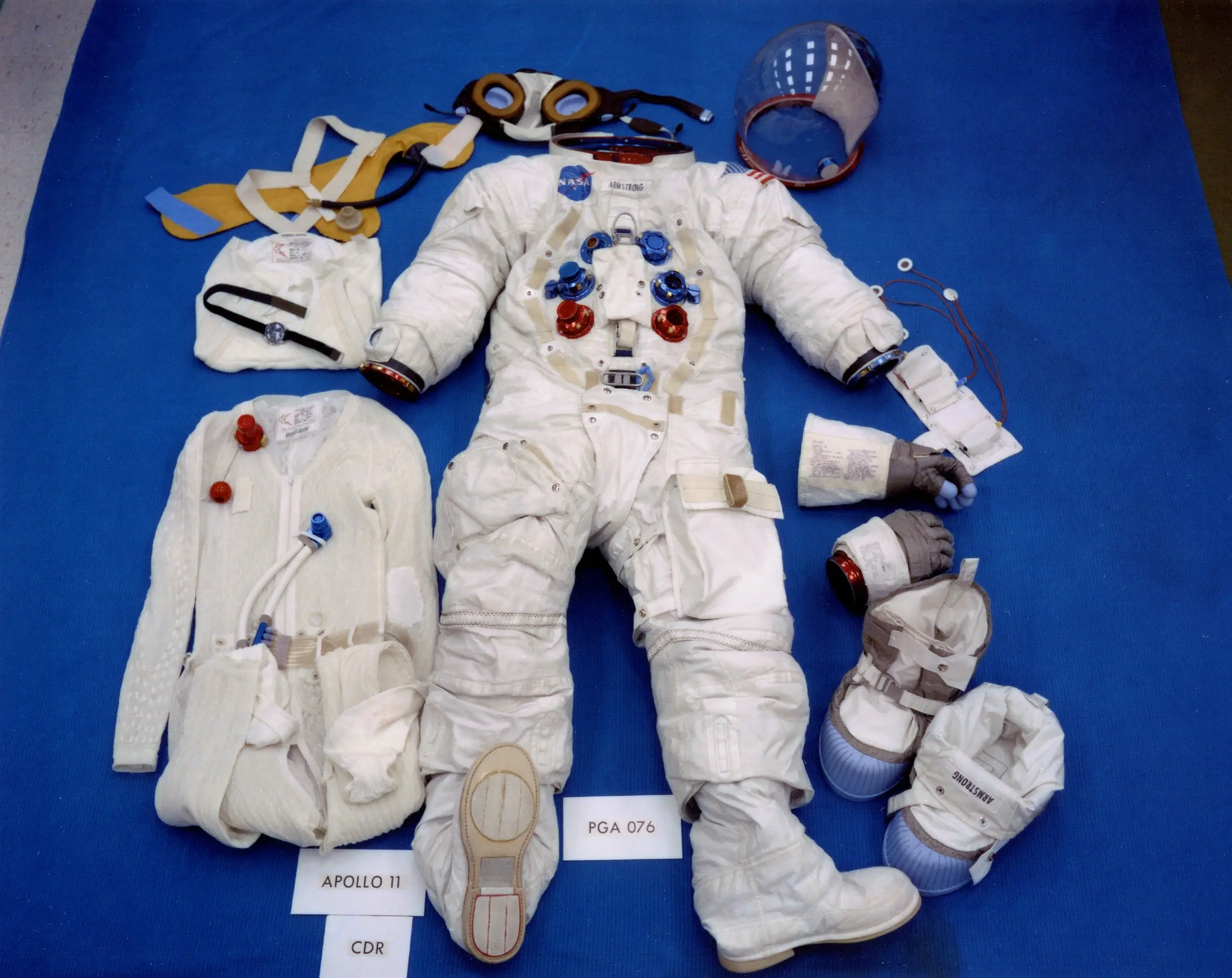
Closest to the skin is the Liquid Cooling and Ventilation Garment. This is a tight suit with hundreds of metres of thin tubes. Cool water flows through these tubes, taking away heat and sweat from the astronaut’s body, which helps them stay comfortable during spacewalks even under strong sunlight.

Astronaut’s body
Then comes the bladder layer, filled with gas to hold pressure around the astronaut’s body. This keeps in the oxygen needed for breathing. A shape-holding layer wraps around the bladder layer to make sure it fits snugly to the astronaut and keeps everything in place.
Dangerous temperature
After this, there is a ripstop liner, a tear-resistant layer. Several more layers of insulation follow, working like a thermos to trap heat inside the suit and block dangerous temperature extremes from over 100°C in sun to below -100°C in the shade.

The outer part
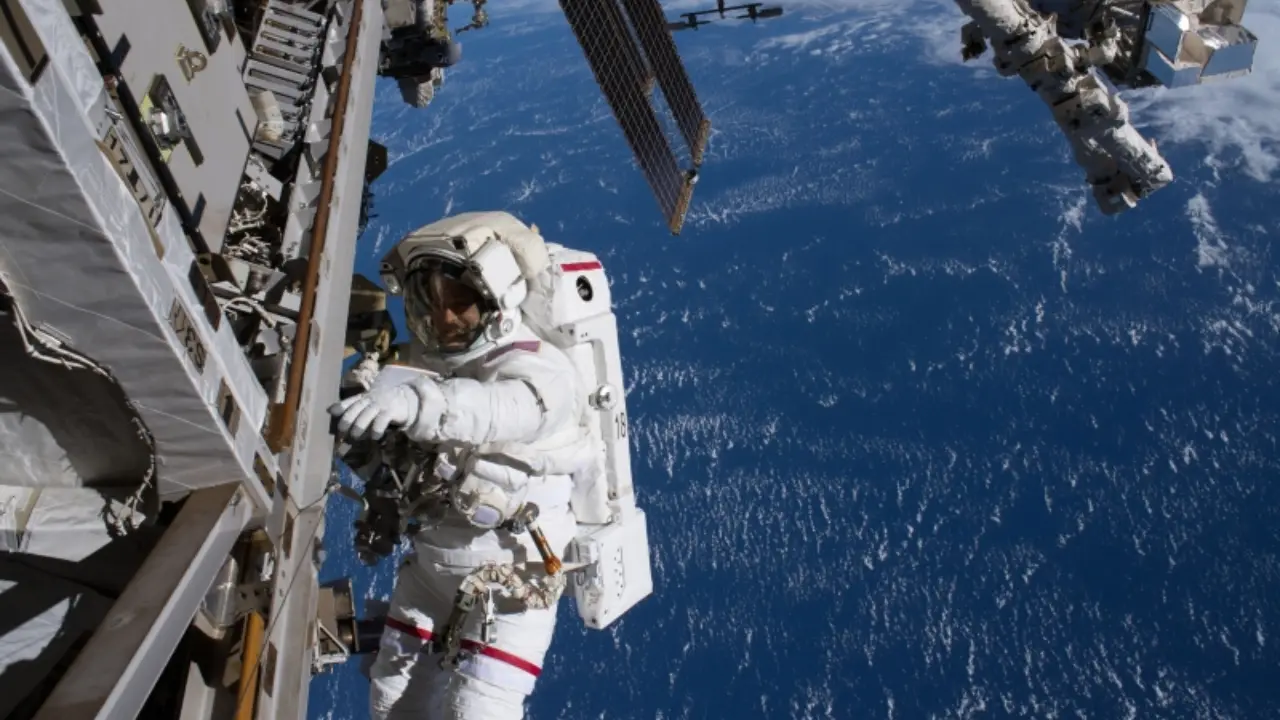
The outer part of the suit is made of a strong, white fabric. It combines water resistance, bulletproof thread (like Kevlar), and fire-resistant materials. The bright white layer reflects sunlight to keep the suit cool and stops micrometeoroids that could poke through.

Astronauts
Special layers, like the radiation shield vest used on newer missions, help reduce astronauts’ exposure to space radiation. Some suits use extra features like water-based shielding or advanced smart fabrics for deep space travel.
Spacesuit
On the outside, a spacesuit also has a helmet made of polycarbonate, boots with grip, gloves with heaters, and a life-support backpack. The backpack gives oxygen, removes carbon dioxide, stores water, and powers electronics. All these parts and layers work together to let astronauts work and survive far from Earth.
)
)
)
)
)