What role does wing design play in fighter jets’ agility?

Fighter jet agility mostly relies on wing shape: delta wings, canards, and swept-back designs enable tight turns, fast climbs, and unique combat moves. Modern wings help pilots outmanoeuvre rivals at any speed.
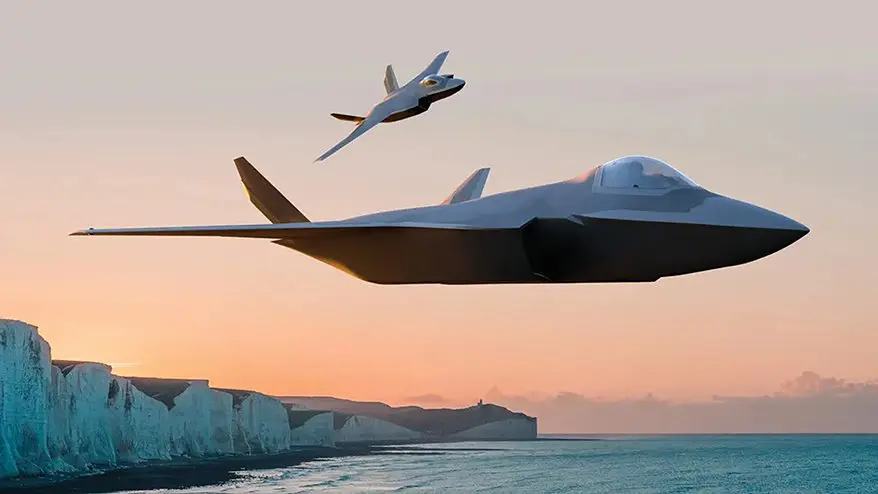
Wing design is the cornerstone of agility in fighter jets
The shape and structure of a fighter jet’s wing decide how sharply it can turn, how fast it climbs, and how stable it feels at high speed. Different missions call for delta wings, canards, sweep or variable-sweep types each with their own agility benefits for pilots in combat.
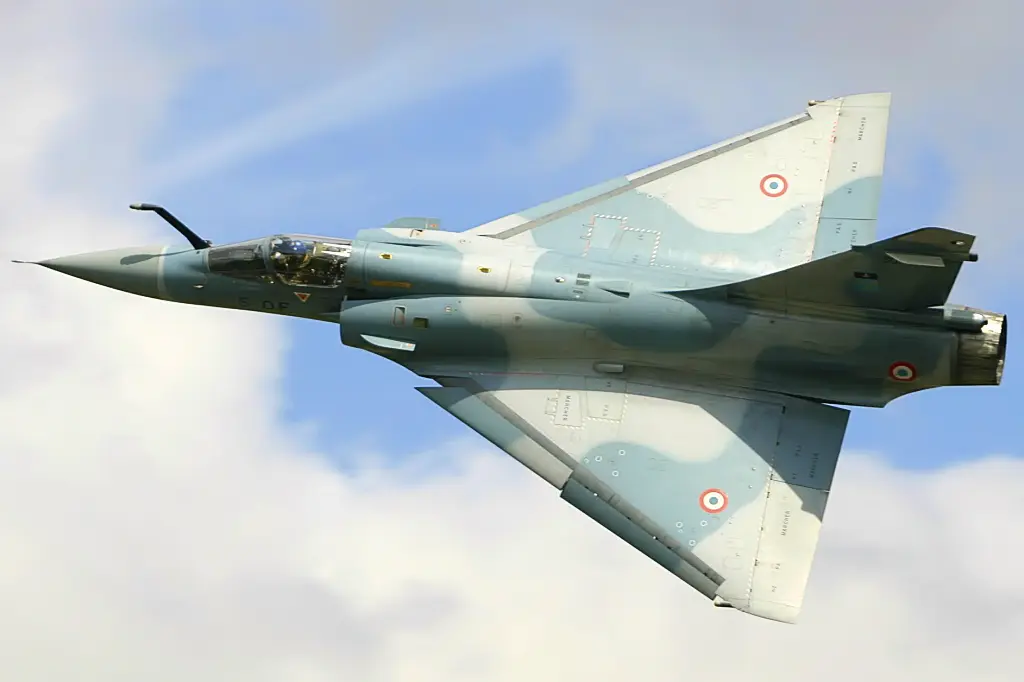
Delta wings famous for sharp turns
Delta (triangle-shaped) wings are common on jets like the Mirage III and Eurofighter Typhoon. Their big surface gives strong lift and lets the jet pull high-g turns. Delta wings are stable at both supersonic and slow speeds, making them top picks for nimble fighters.
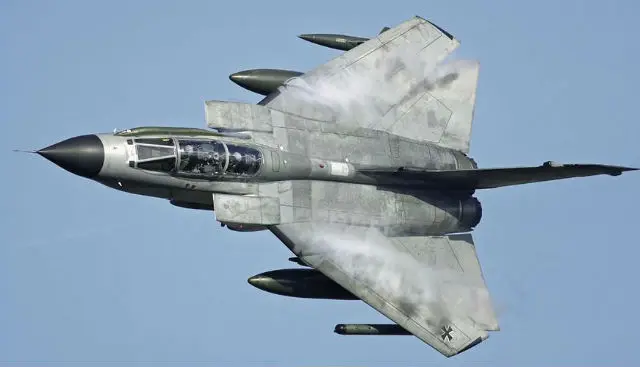
Wing sweep speed and flexibility
Swept-back wings cut drag at supersonic speeds, helping jets reach and hold Mach 1+. Fighters with variable-geometry (swing) wings, like the F-14 Tomcat, can change shape mid-flight straight for slow agility, swept for fast dashes, giving both high-speed and close-in turn power.
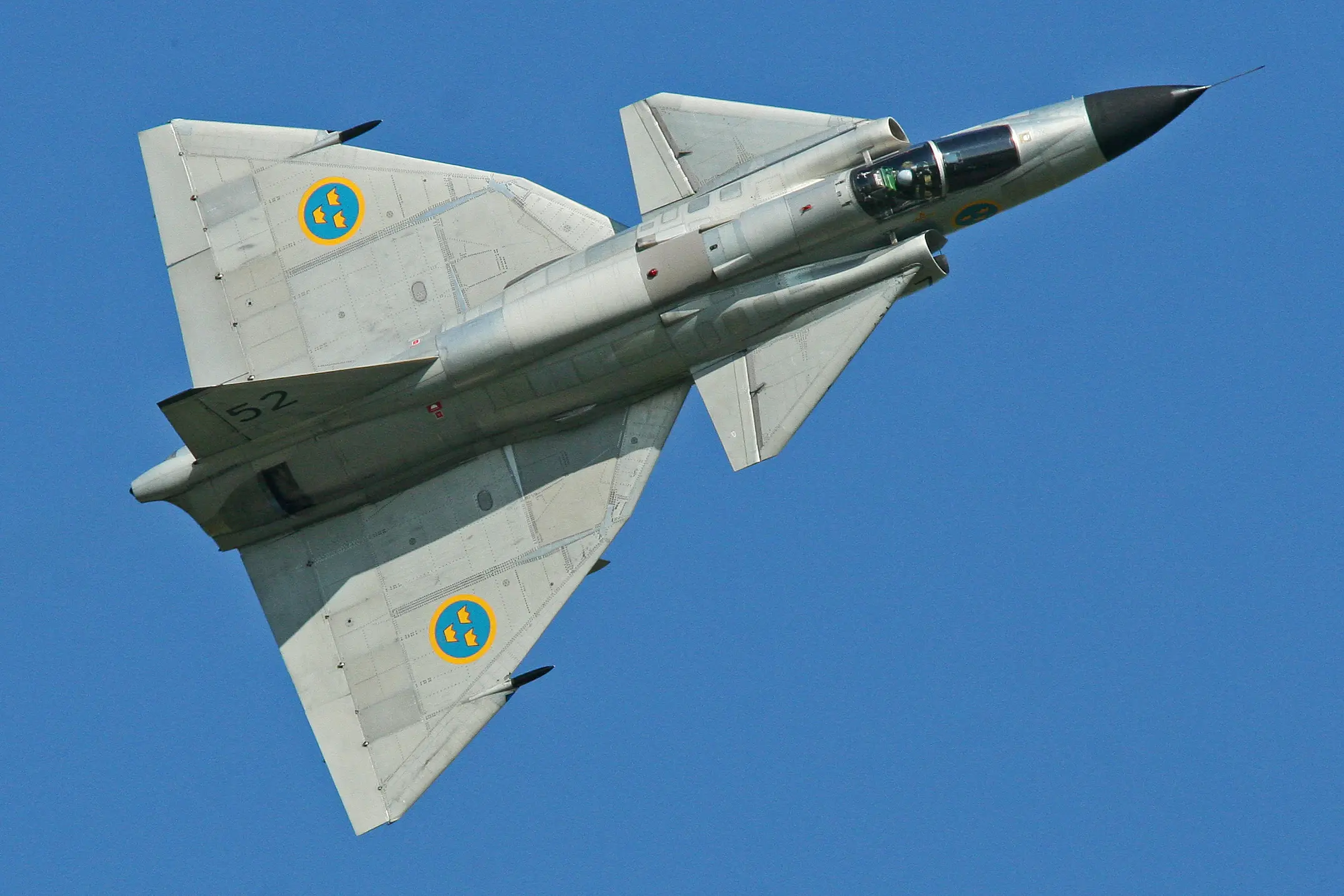
Canards front fins for extra control
Modern jets often use canards, small wings near the cockpit. Canards help jets change pitch quickly, boost lift and allow higher angles of attack without stalling. This means a jet can make sharper moves and recover safely from extreme angles in a dogfight.
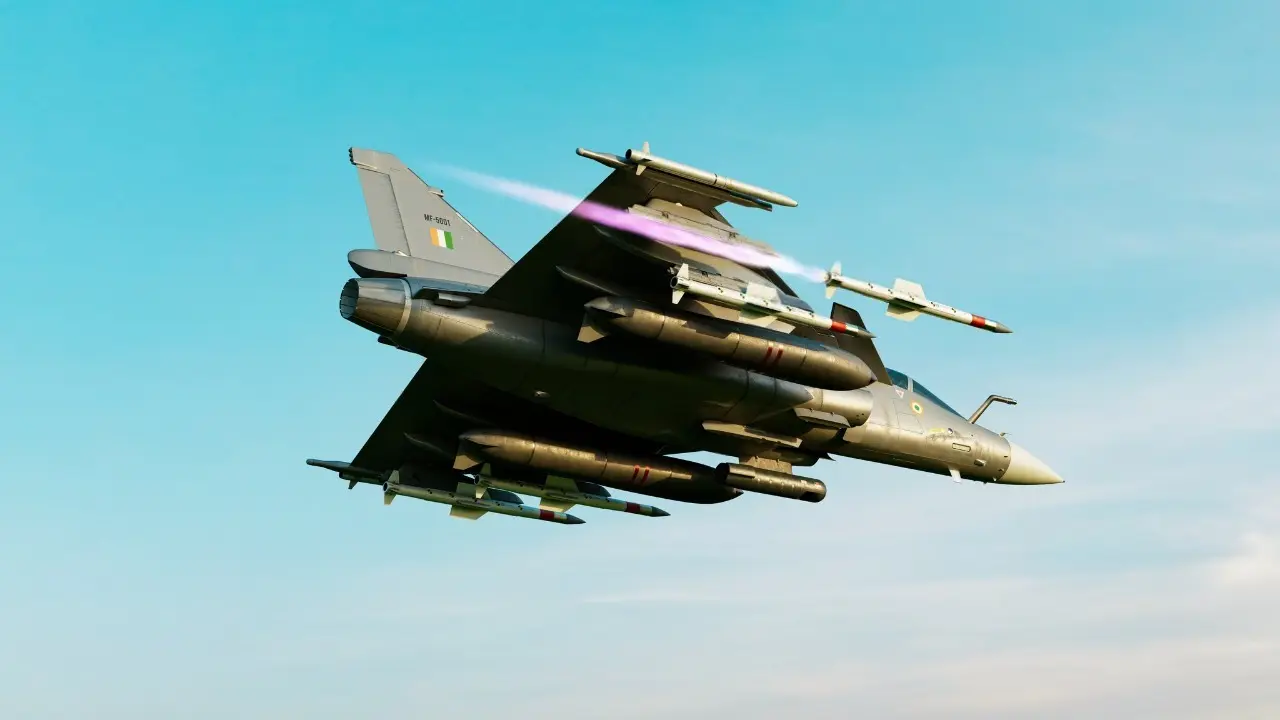
More hardpoints, more choices
Wings designed to take extra hardpoints (places to fit weapons) add flexibility. Lighter, agile fighters like Tejas Mk2 and Gripen E use modern wing tech to carry various missiles and tanks, without losing speed or turning ability vital for modern tactics.
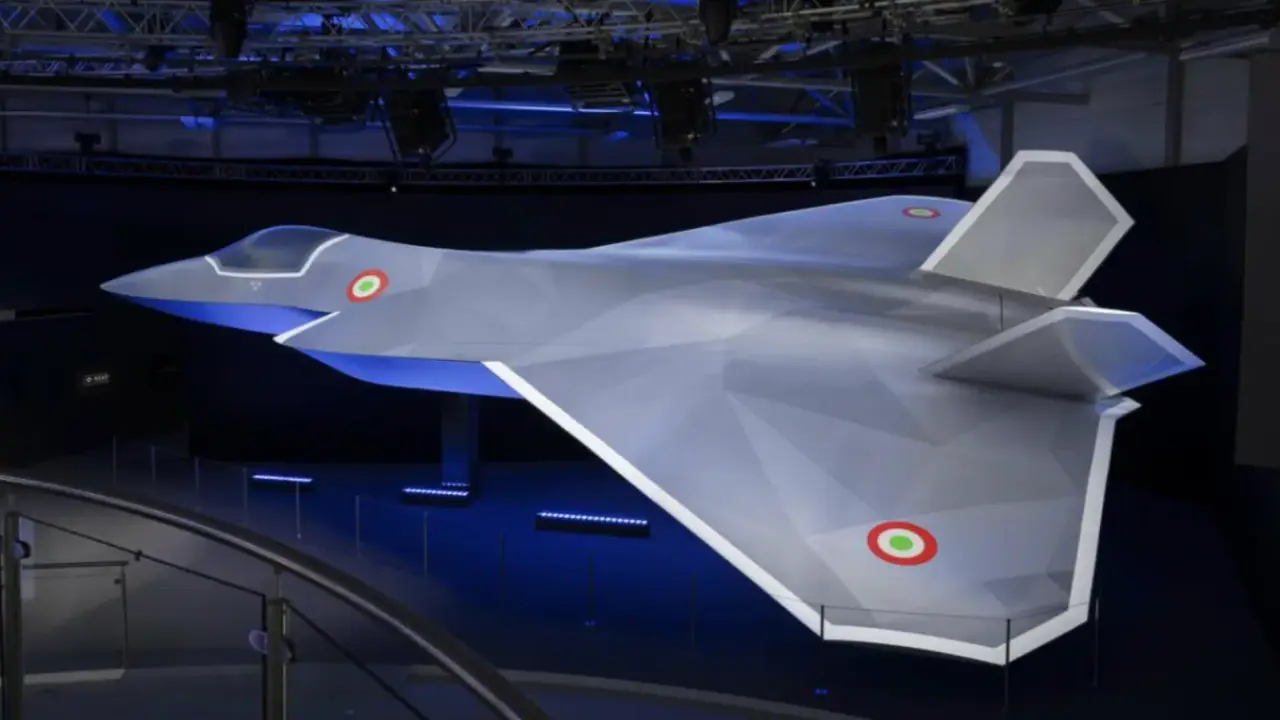
Wing devices flaps, slats and control
Flaps and slats along wing edges can be moved to boost lift at slow speed great for takeoff, landing and tight turns. Smart control surfaces at the wing tips help the jet roll or twist faster, giving pilots minute-by-minute control in combat situations.
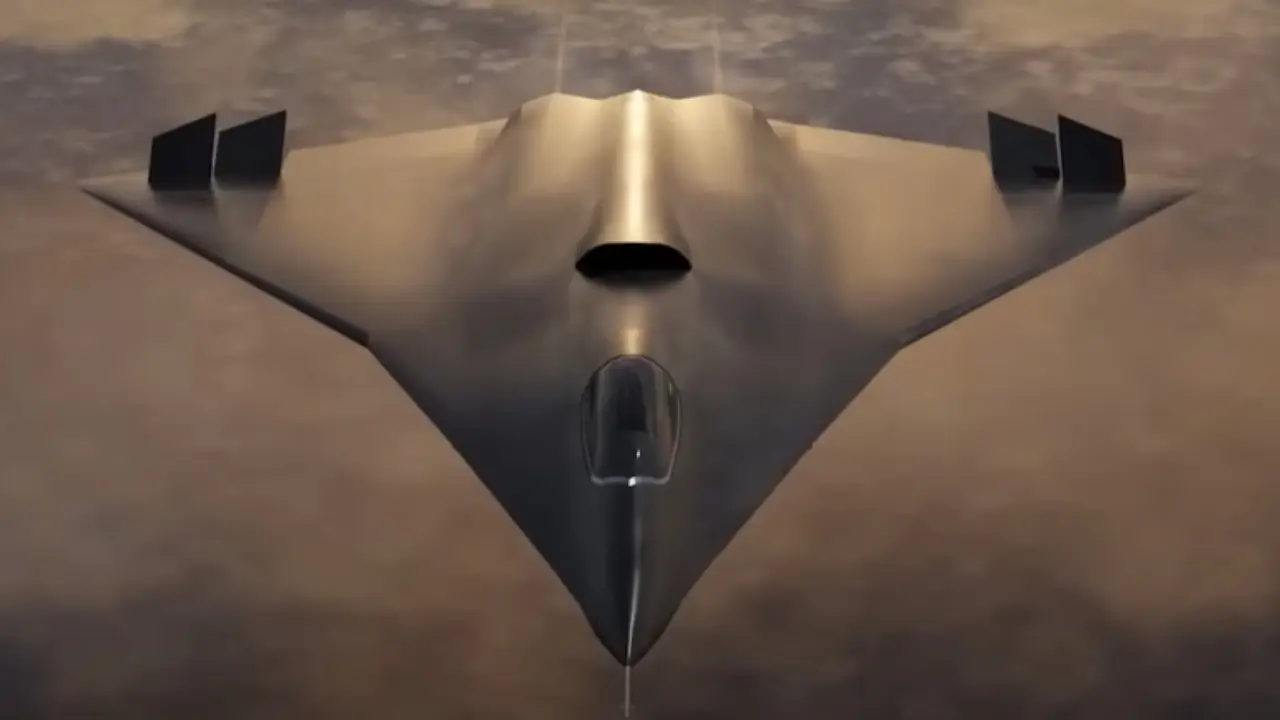
The balance agility, speed and safety
No single wing suits all jets or missions. Top fighter jets blend delta, swept, and canard tech for a balance of raw speed, tight turns, and safe control at all speeds. That’s why studying wing shape and tech is essential to winning future dogfights.
)
)
)
)
)