What really happens when supermassive black holes collide?

These events are not rare in astronomical timescales. They can occur anywhere from stellar systems to the centres of galaxies, where supermassive black holes lurk.
The most violent events in the universe
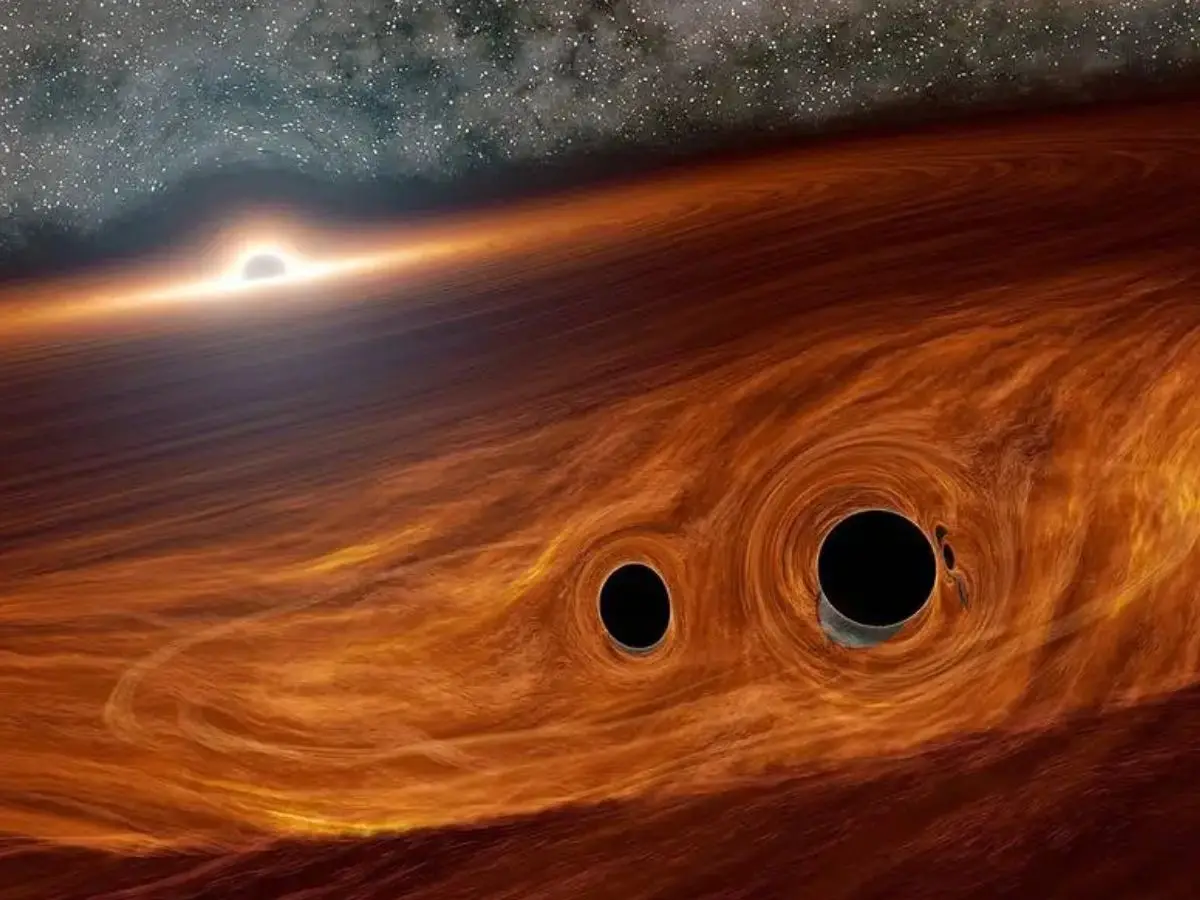
Few cosmic events are as dramatic as the collision of two black holes. These mysterious regions of space, where gravity is so strong that not even light can escape, can merge when caught in each other’s pull. When this happens, they release energy on a scale greater than anything else in the universe. In fact, for a brief moment, a black hole merger can outshine all the stars in the observable cosmos, yet not in visible light, but through ripples in spacetime called gravitational waves.
Why black holes collide
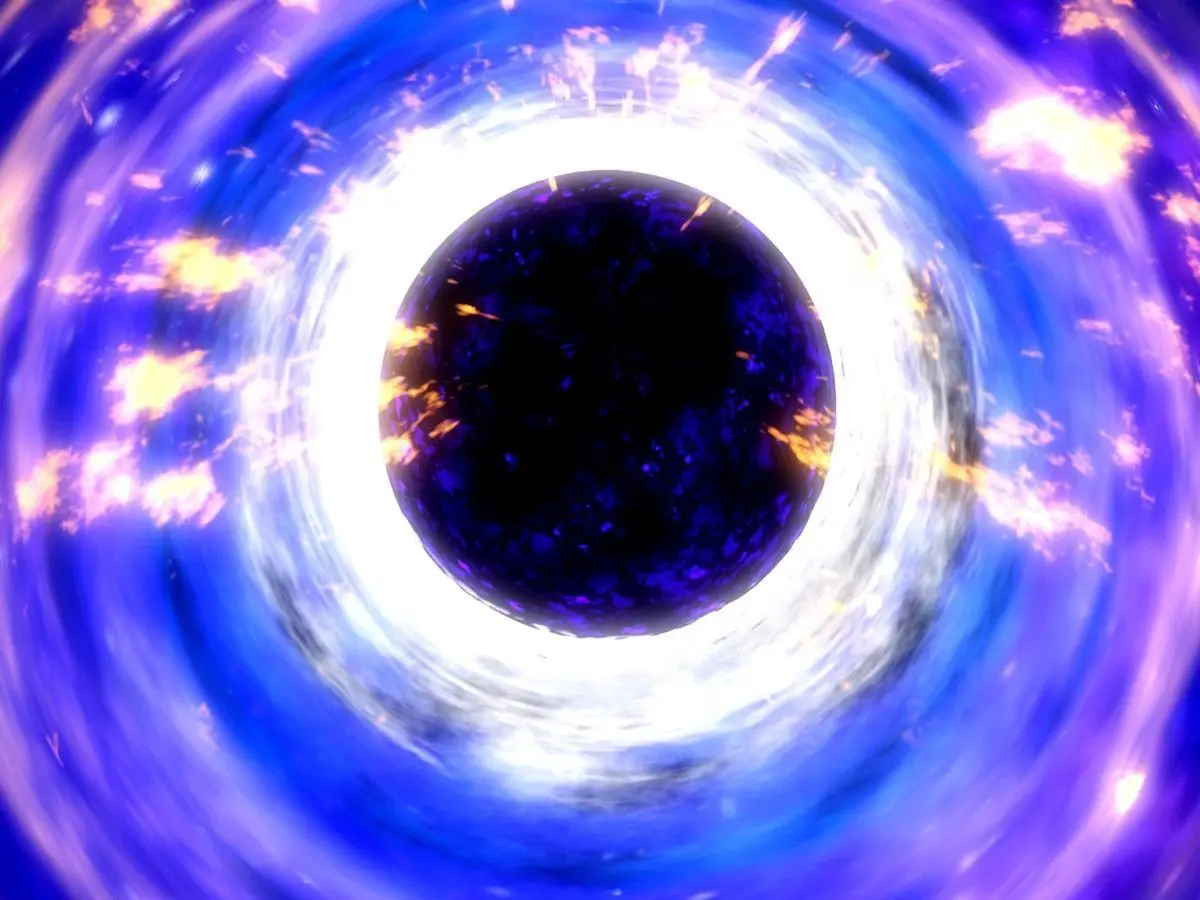
Black holes form when massive stars collapse under their own gravity, leaving behind an invisible but immensely heavy core. Over time, if two black holes are locked in orbit around one another, they gradually lose energy through gravitational waves. As this loss builds, the two are drawn closer and closer until they eventually collide in a final, spectacular merger. These events are not rare in astronomical timescales. They can occur anywhere from stellar systems to the centres of galaxies, where supermassive black holes lurk.
The role of supermassive black holes
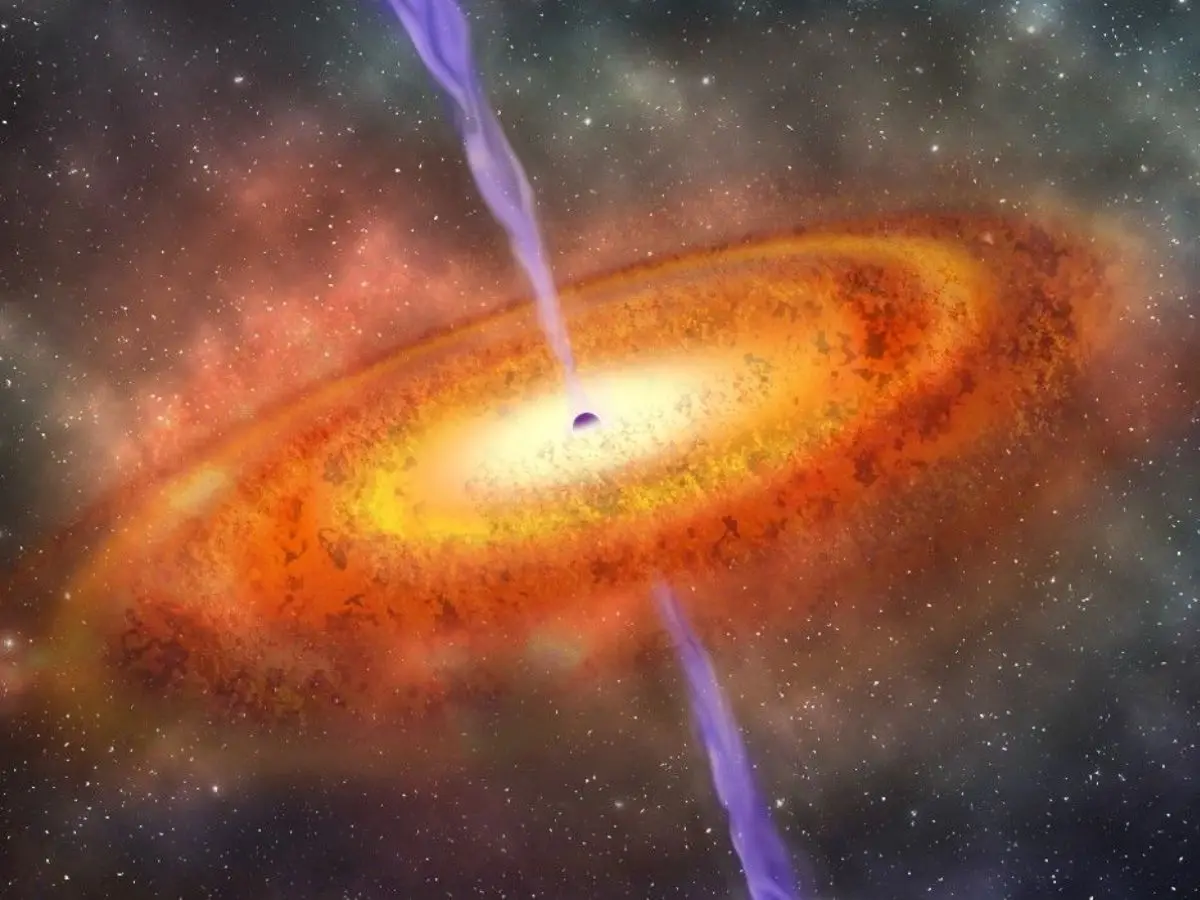
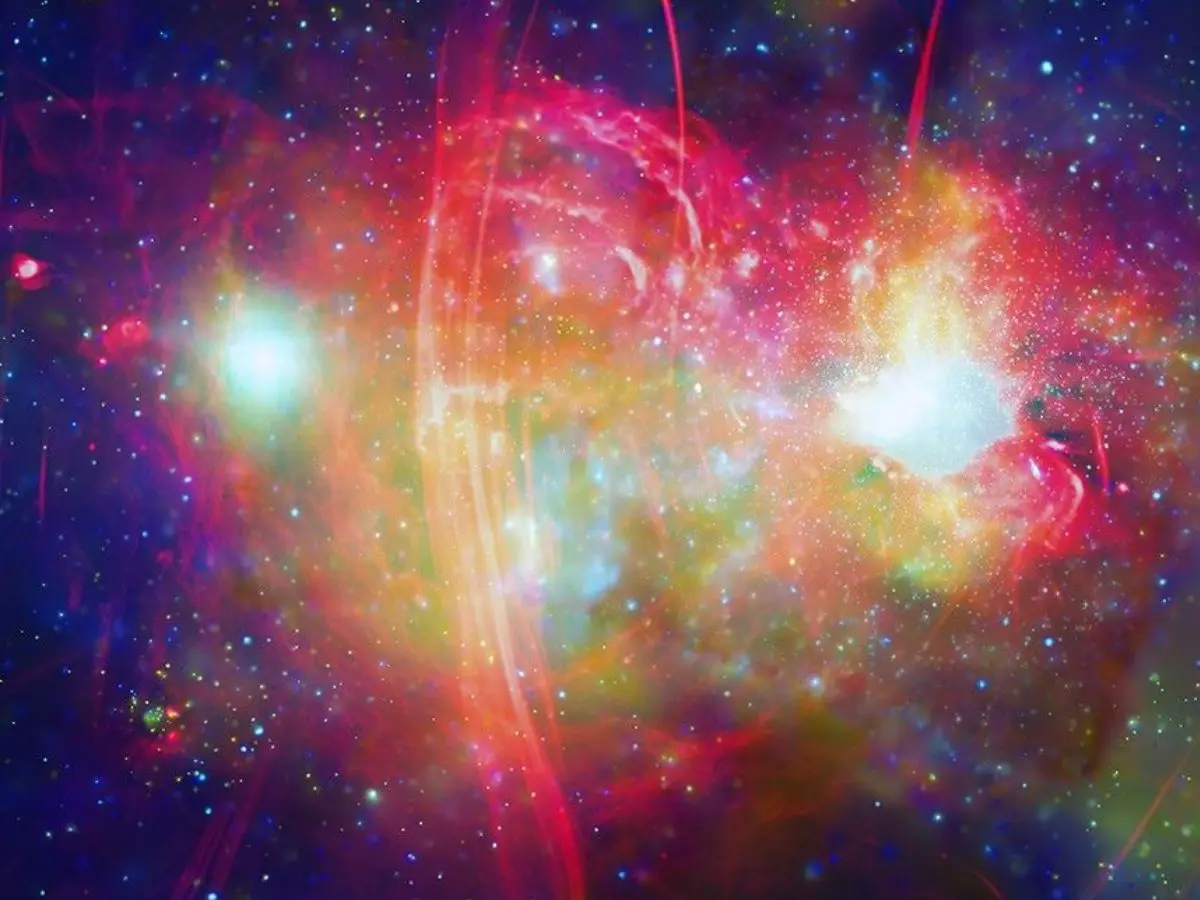
Supermassive black holes, with masses millions or even billions of times that of the Sun, sit at the heart of most galaxies, including our own Milky Way. When galaxies collide and merge, their central black holes are eventually drawn together as well. The idea of two supermassive black holes spiralling into one another is particularly unsettling, as their eventual collision would send out some of the most powerful gravitational waves ever detected, shaking spacetime itself.
A storm of gravitational waves
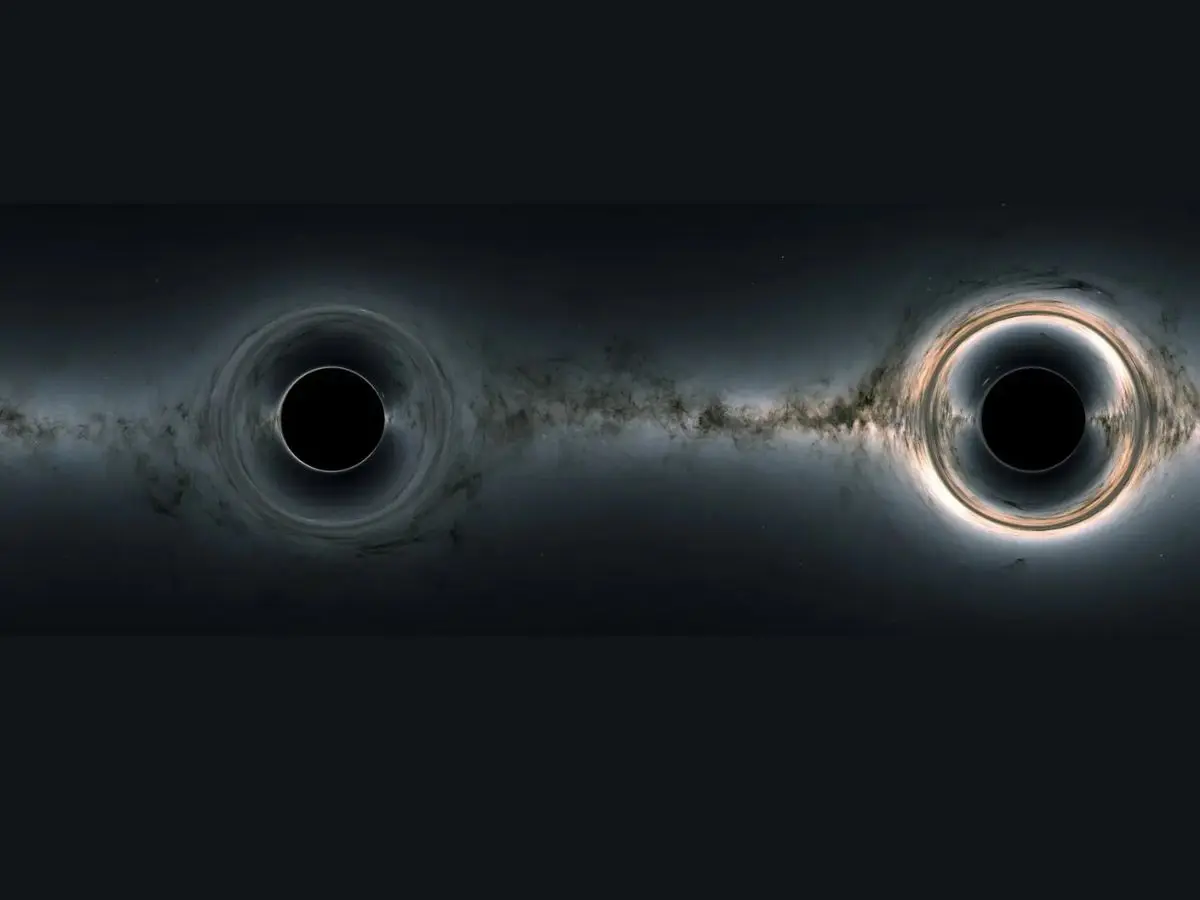
When two black holes merge, the event sends out gravitational waves, ripples in the very fabric of space and time first predicted by Albert Einstein in 1916. These waves were directly detected for the first time in 2015 by the Laser Interferometer Gravitational-Wave Observatory (LIGO). The signal, lasting just a fraction of a second, came from two black holes colliding 1.3 billion light years away. The energy released in that instant was equivalent to converting three Suns entirely into gravitational-wave energy.
What emerges from the collision
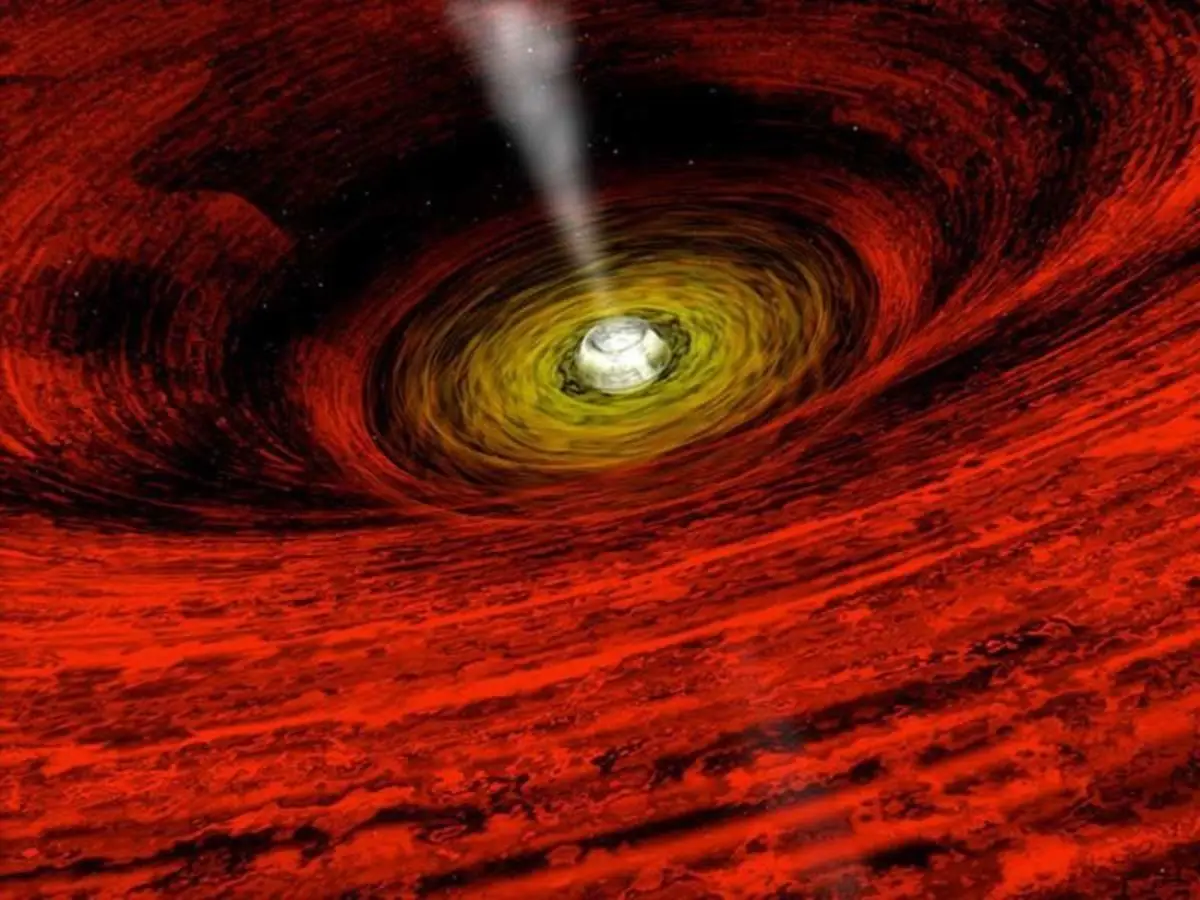
The outcome of a black hole collision is a single, larger black hole, more massive than either of its parents. The newly formed black hole can be briefly unstable, ringing like a struck bell before settling down. For astronomers, these events are goldmines of data. By studying the shape and strength of the gravitational waves, scientists can calculate the masses, distances, and even the spins of the black holes involved.
Could such a collision threaten Earth?
While the thought of colliding black holes is daunting, humanity is in no danger from them. All detected mergers so far have happened hundreds of millions or billions of light years away. Even if two supermassive black holes were to merge within our own galaxy, the gravitational waves would wash harmlessly through Earth, detectable only by sensitive instruments.
Why these collisions matter
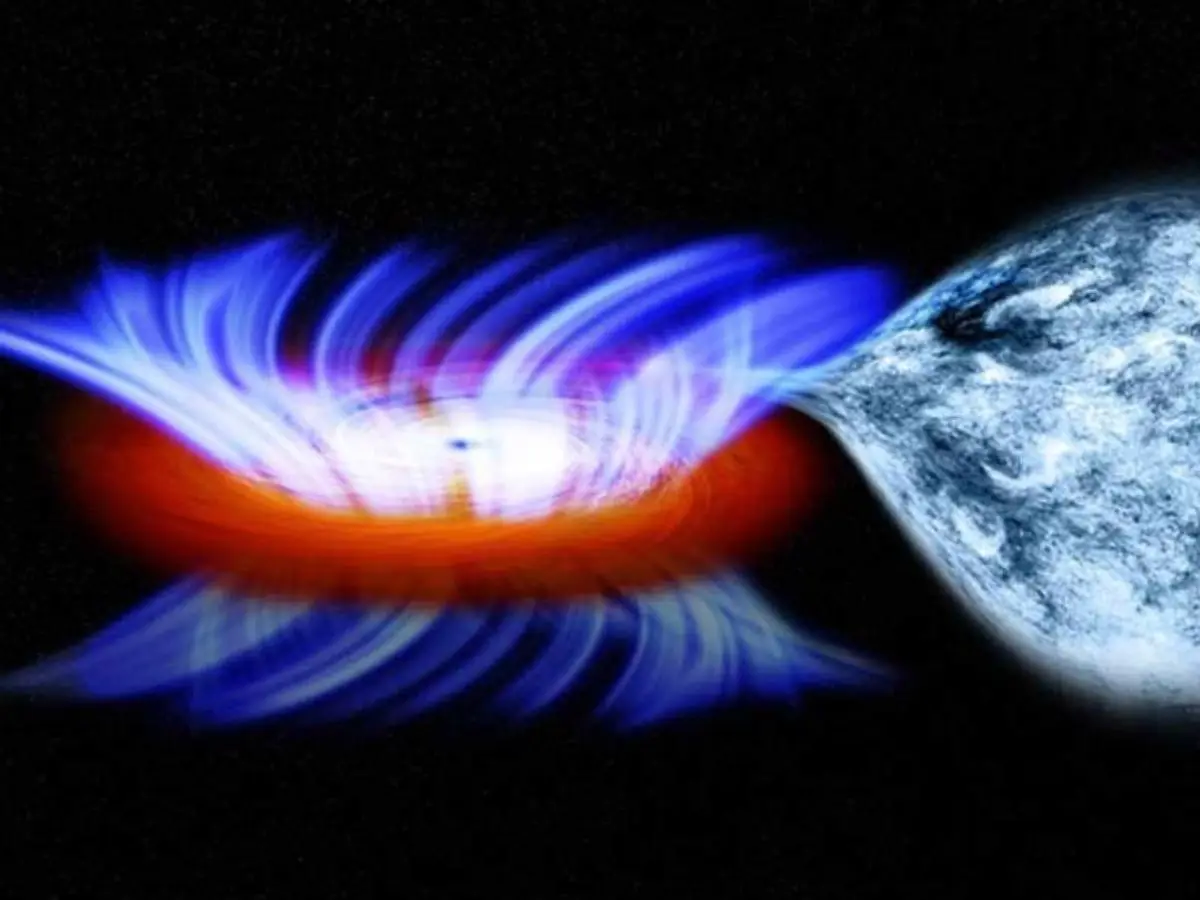
Every black hole collision is a window into the hidden universe. They confirm Einstein’s predictions, test the limits of our understanding of gravity, and allow astronomers to explore realms that cannot be seen with telescopes. In studying these cataclysmic events, scientists are not only observing cosmic destruction but also uncovering clues about how galaxies form, evolve, and interact.
)
)
)
)
)