What really happens if an astronaut dies in space?

In just over 60 years of human exploration, 20 people have died in space-related incidents. These tragedies underline the risks, but they also raise a rarely discussed question: what would happen if an astronaut were to die in space today?
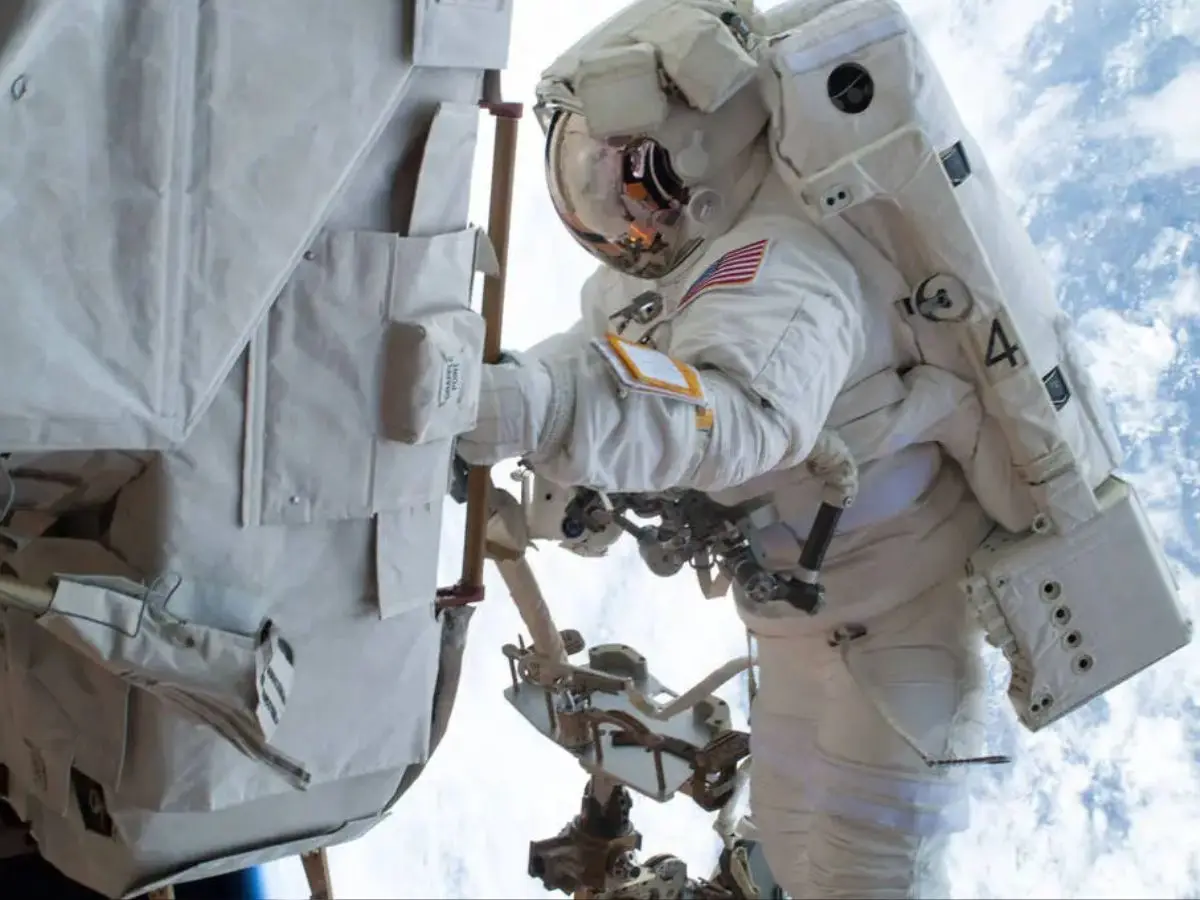
Death in the Final Frontier
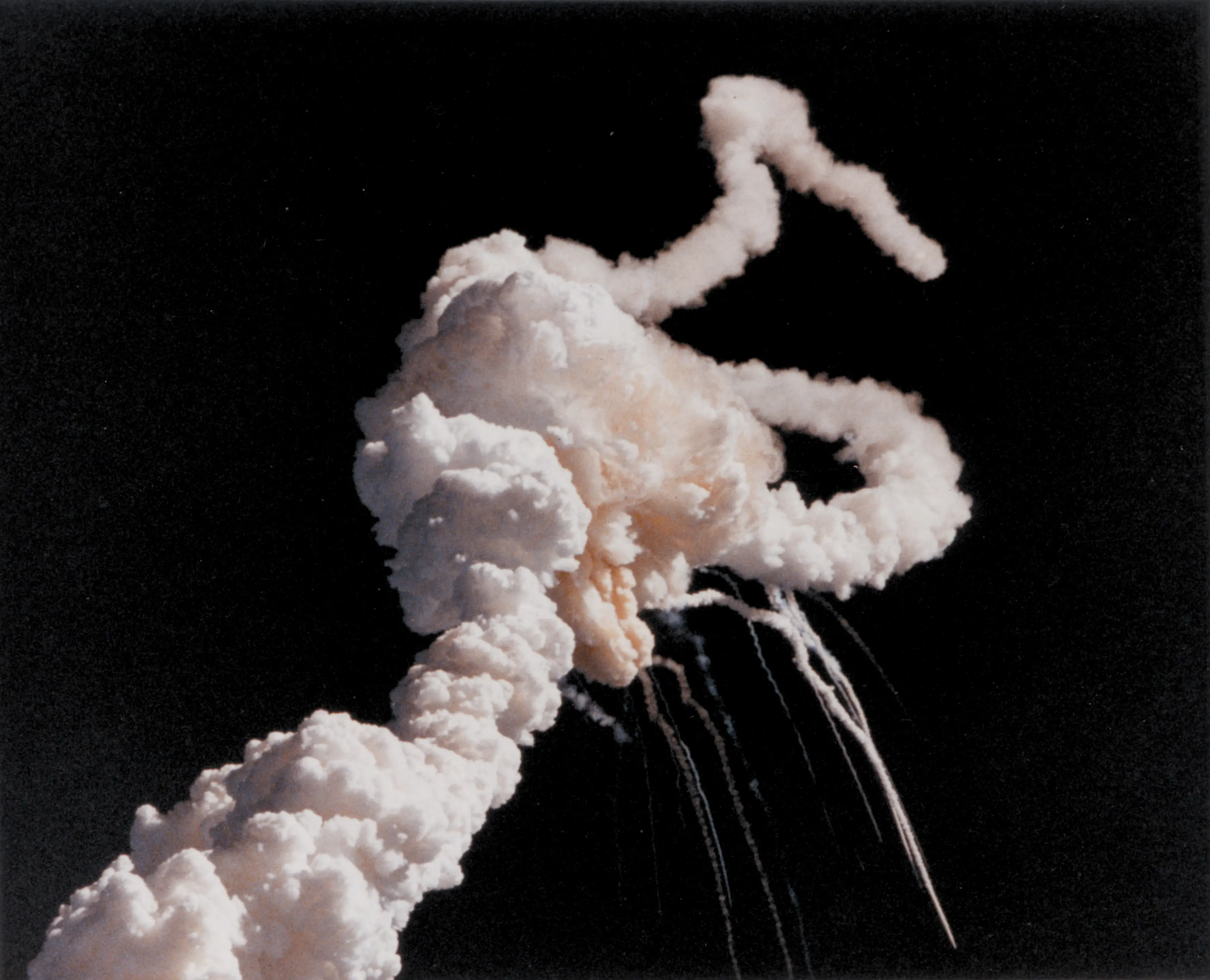
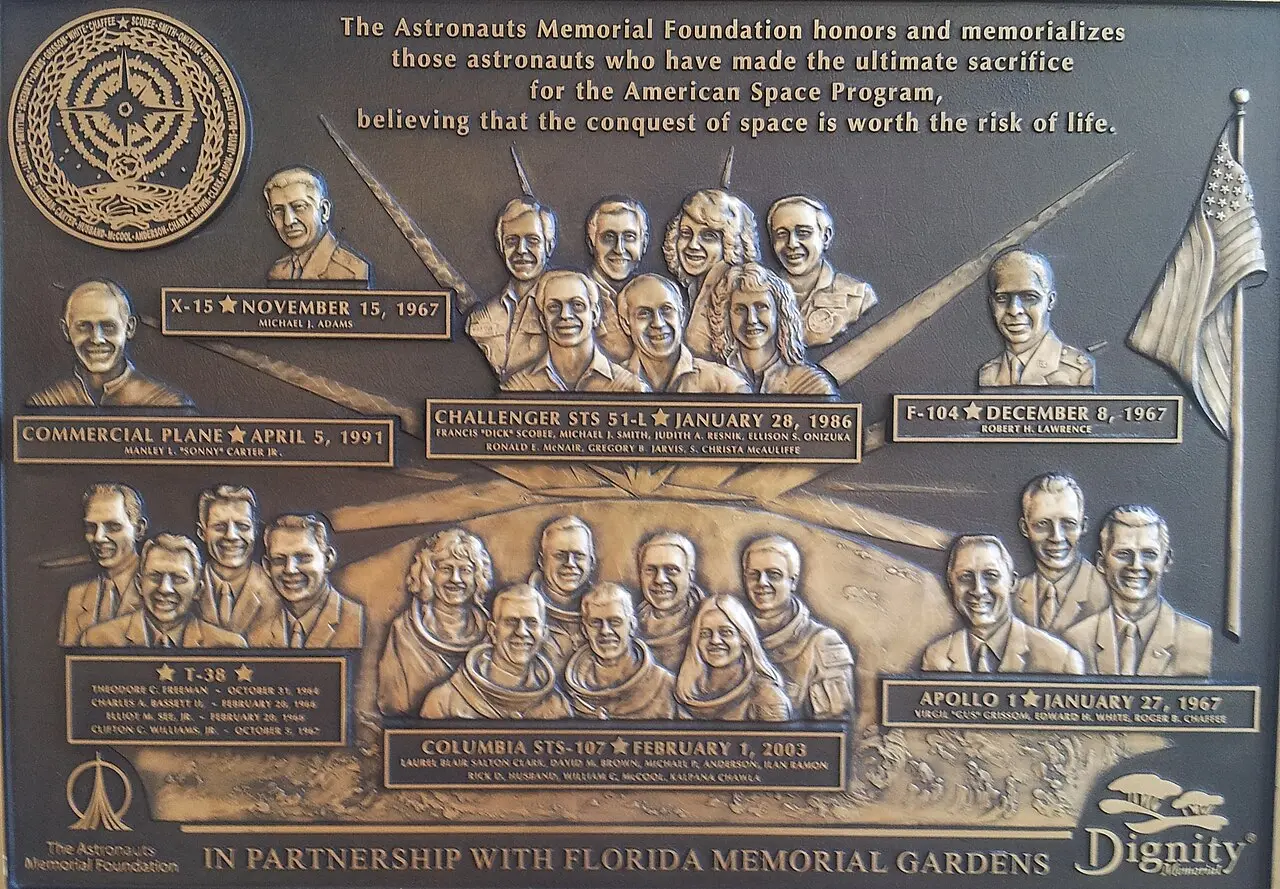
Human spaceflight, despite decades of progress, remains one of the most hazardous endeavours ever attempted. In just over 60 years of human exploration, 20 people have died in space-related incidents. These include the 14 astronauts lost in the Space Shuttle Challenger (1986) and Columbia (2003) disasters, the three cosmonauts aboard Soyuz 11 in 1971, and the three Apollo 1 astronauts killed in a launch pad fire in 1967. These tragedies underline the risks, but they also raise a rarely discussed question: what would happen if an astronaut were to die in space today?
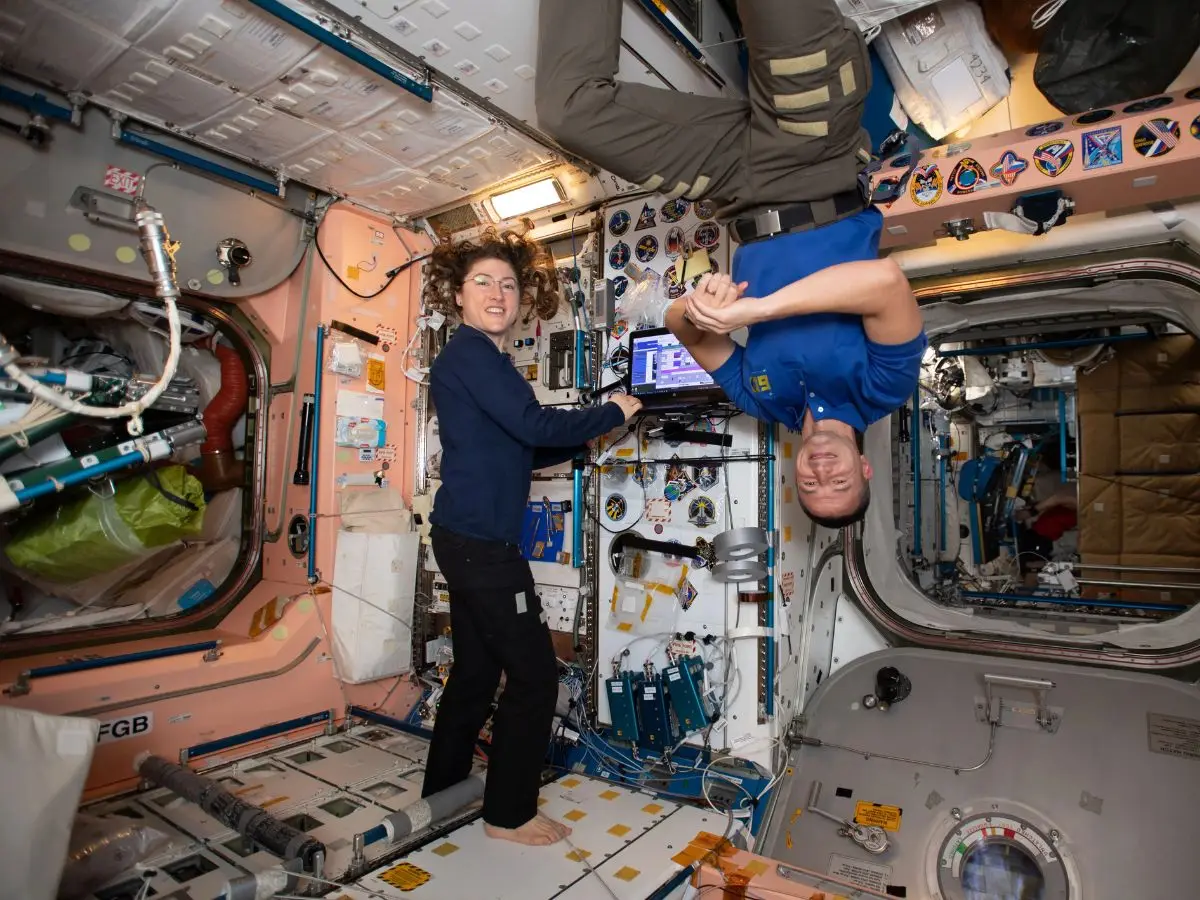
Protocols and Simulations
NASA and other space agencies prepare astronauts for almost every scenario, including death in orbit. Crew members undergo 'death simulations' during training, learning how to respond in a way that protects both the mission and their colleagues. The first priority is the safety of the surviving crew, since a decomposing body in the sealed environment of a spacecraft becomes a biohazard. Maintaining dignity for the deceased is equally central to the protocol.
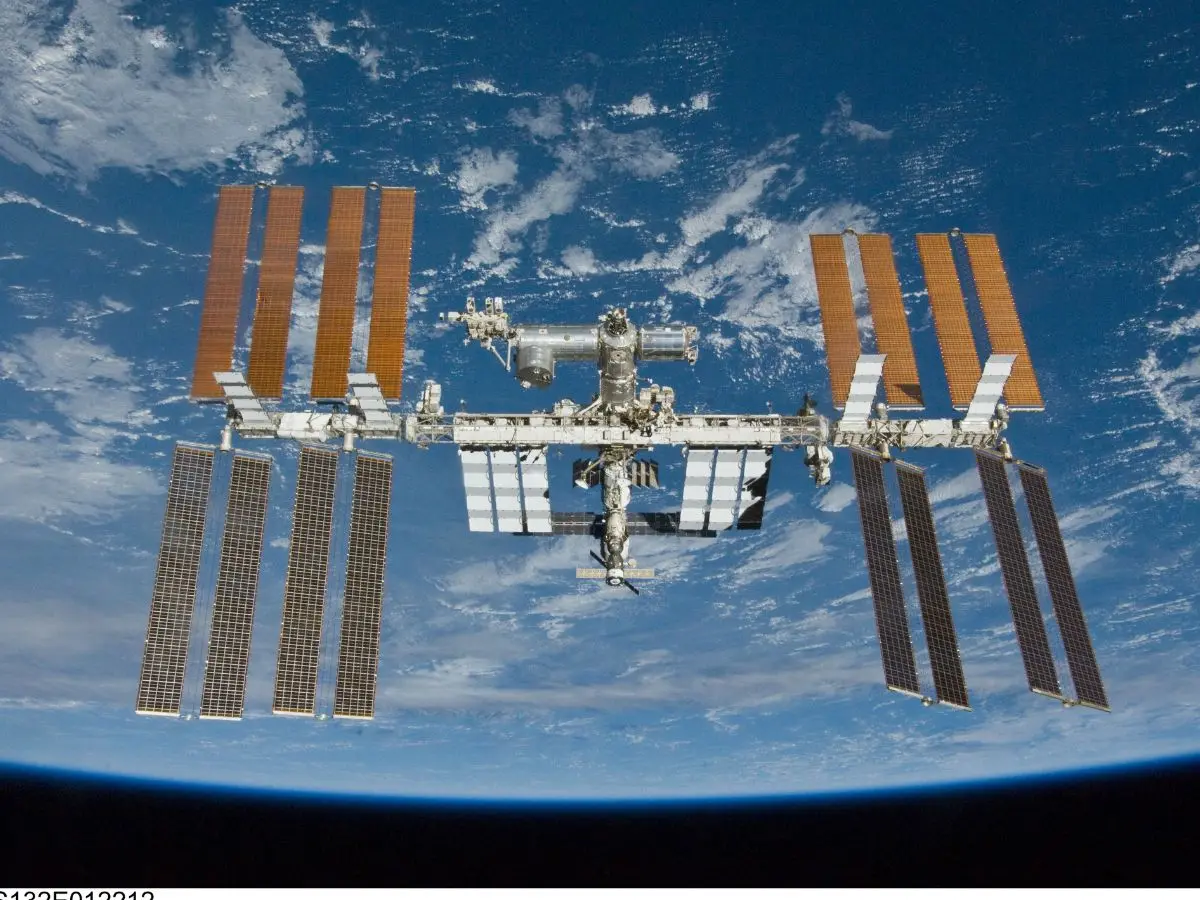
Low Earth Orbit and the ISS
If a fatality were to occur aboard the International Space Station (ISS), the deceased astronaut would typically be stored in cold conditions and later returned to Earth in a capsule within hours or days. NASA has considered alternatives such as Earth-orbit burial or even releasing the body into space, though these options present ethical, legal and environmental complications. The preferred approach is to ensure rapid repatriation so Earth-based mortuary practices can be followed.
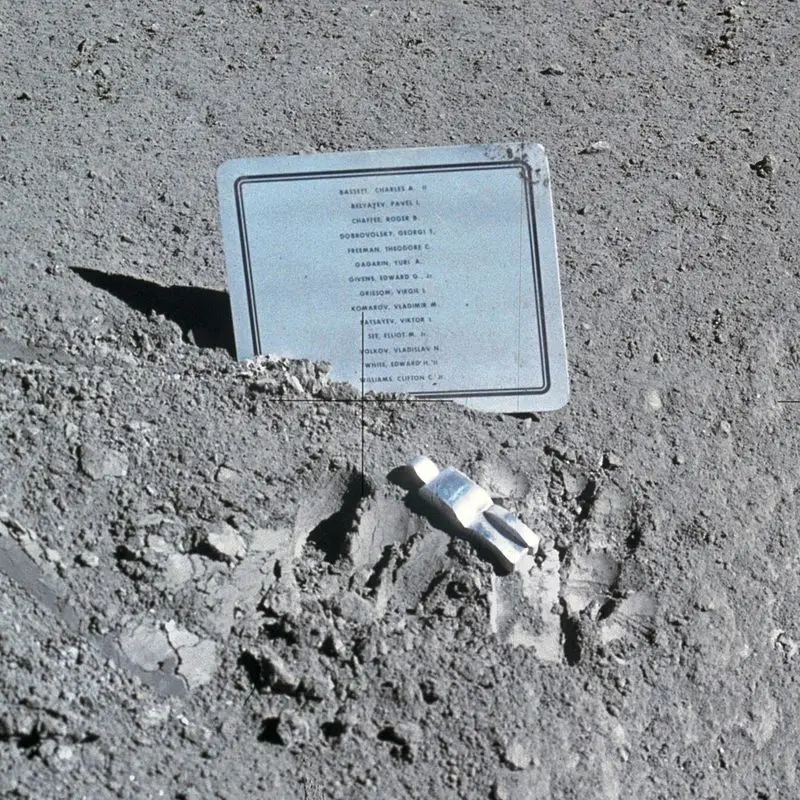
Death on the Moon
If a death occurred during a lunar mission, the crew could return to Earth with the body within a few days. Preservation of the remains would not be a major concern, given the relatively short journey. The focus would remain on crew safety and the safe transport of the deceased. Burial on the lunar surface has been considered, but the possibility of contaminating the Moon with terrestrial microbes makes it highly unlikely.
The Challenge of Mars
The most difficult scenario is a Mars mission. A round trip to the Red Planet takes years, and with Earth some 300 million miles away, an immediate return is impossible. NASA has explored the concept of storing the body in specialised body bags or separate chambers within the spacecraft, relying on controlled temperature and humidity to slow decomposition. Burial or cremation on Mars carries the risk of biological contamination, meaning long-term preservation until the crew’s eventual return is the most likely solution.
Exposure to the Vacuum
If an astronaut were to step outside a spacecraft, the Moon, or Mars without a spacesuit, the outcome would be immediate and fatal. In the vacuum of space, the lack of air pressure would cause blood and bodily fluids to boil, while suffocation would follow within seconds. Such scenarios, though rare, highlight the absolute necessity of spacesuit integrity during all extravehicular activities.
The Human Dimension
Beyond the technicalities, there is a profound human challenge. The psychological effect on surviving crew members, as well as the grieving families on Earth, is a key part of mission planning. NASA notes that procedures must always balance safety, dignity, and respect.
)
)

)
)