What radar technology is used in the Chengdu J-20 stealth fighter jet

The advanced AESA radar and powerful sensor suite make the Chengdu J-20 a leader in stealth air combat technology.
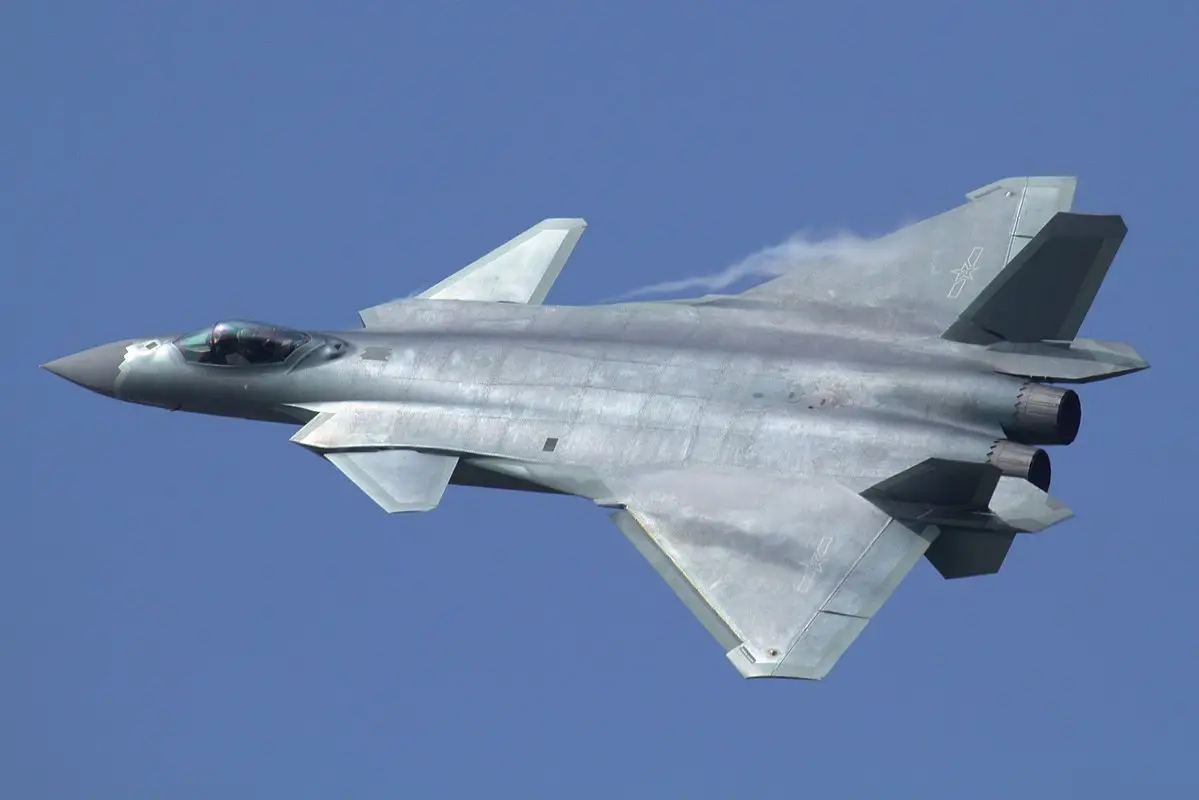
Chengdu J-20: China’s Stealth Powerhouse
The J-20 is China’s flagship fifth-generation stealth fighter, deployed mainly by the PLA Air Force. Its radar and sensor suite drives its strategic advantage in Asia’s skies.
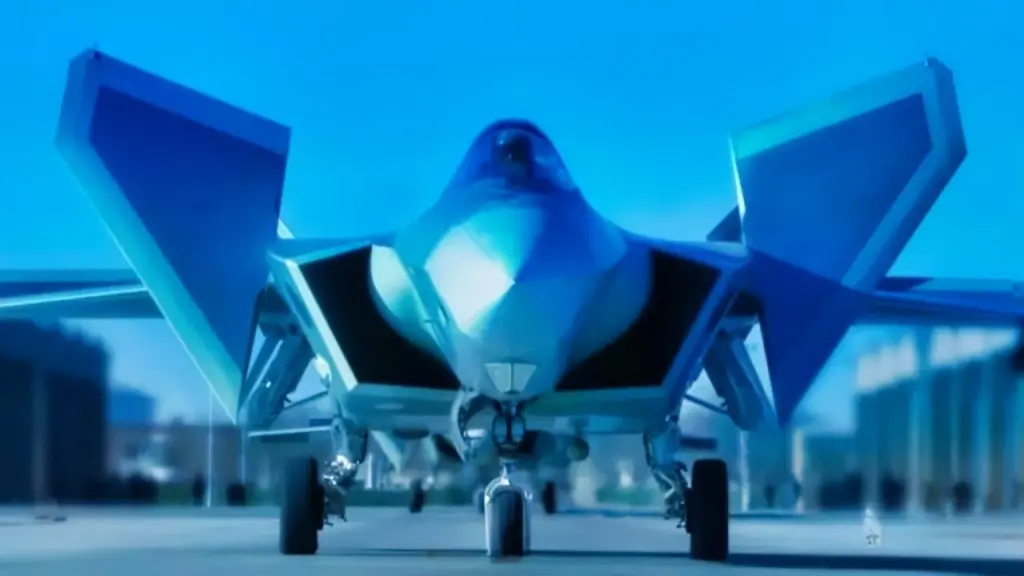
AESA Radar: Heart of the J-20 Sensors
The J-20 features an Active Electronically Scanned Array (AESA) radar, likely the Type 1475 KLJ-5, which offers rapid tracking, jamming resistance, and long-range target detection.
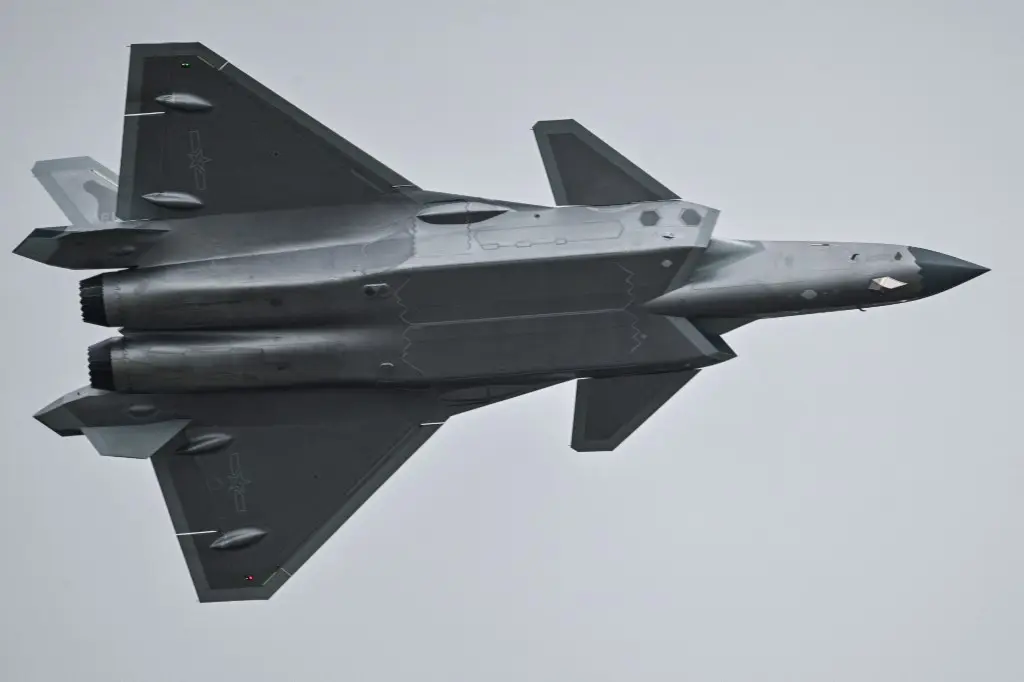
Stealth Meets Sensor Fusion
Integrating multiple sensors, the J-20 combines radar, infrared search and track (IRST), and electronic surveillance for a full combat picture, even in jamming-rich environments.
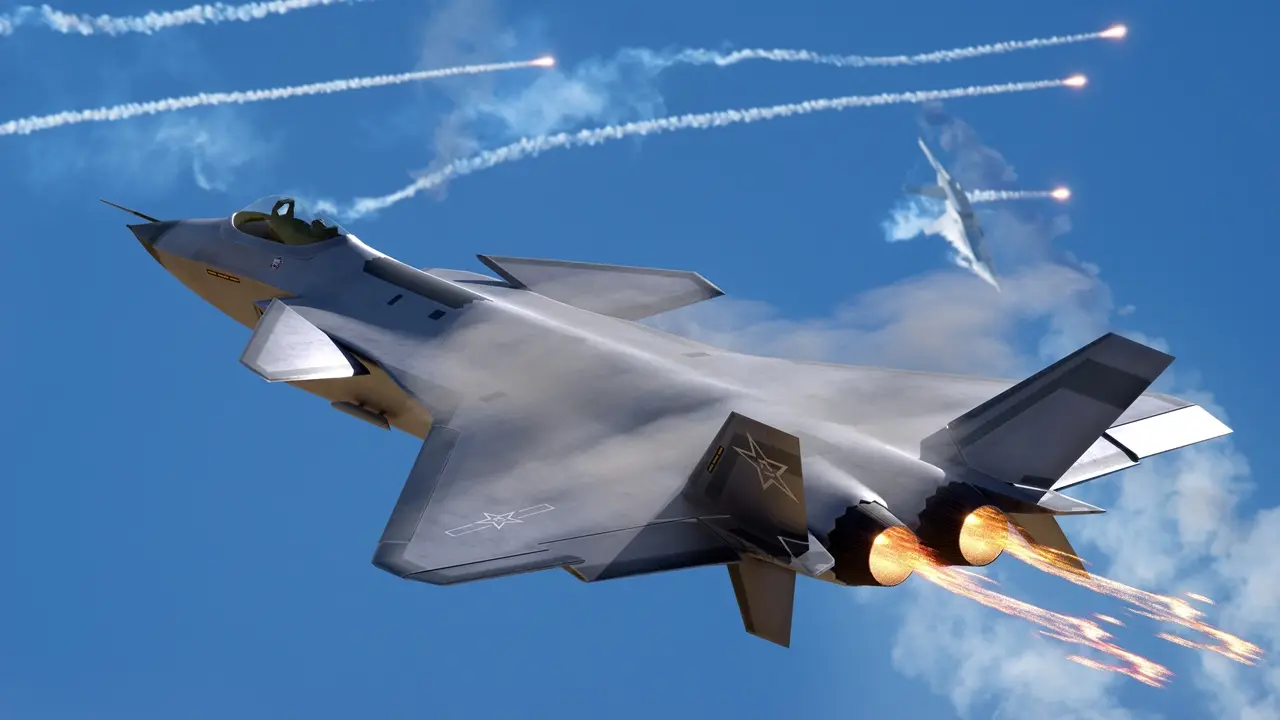
Low Observability: Radar Trade-offs
The J-20’s airframe and radar use low probability of intercept modes, reducing radar signature. Operating the radar continuously, though, can still risk detection by advanced adversaries.
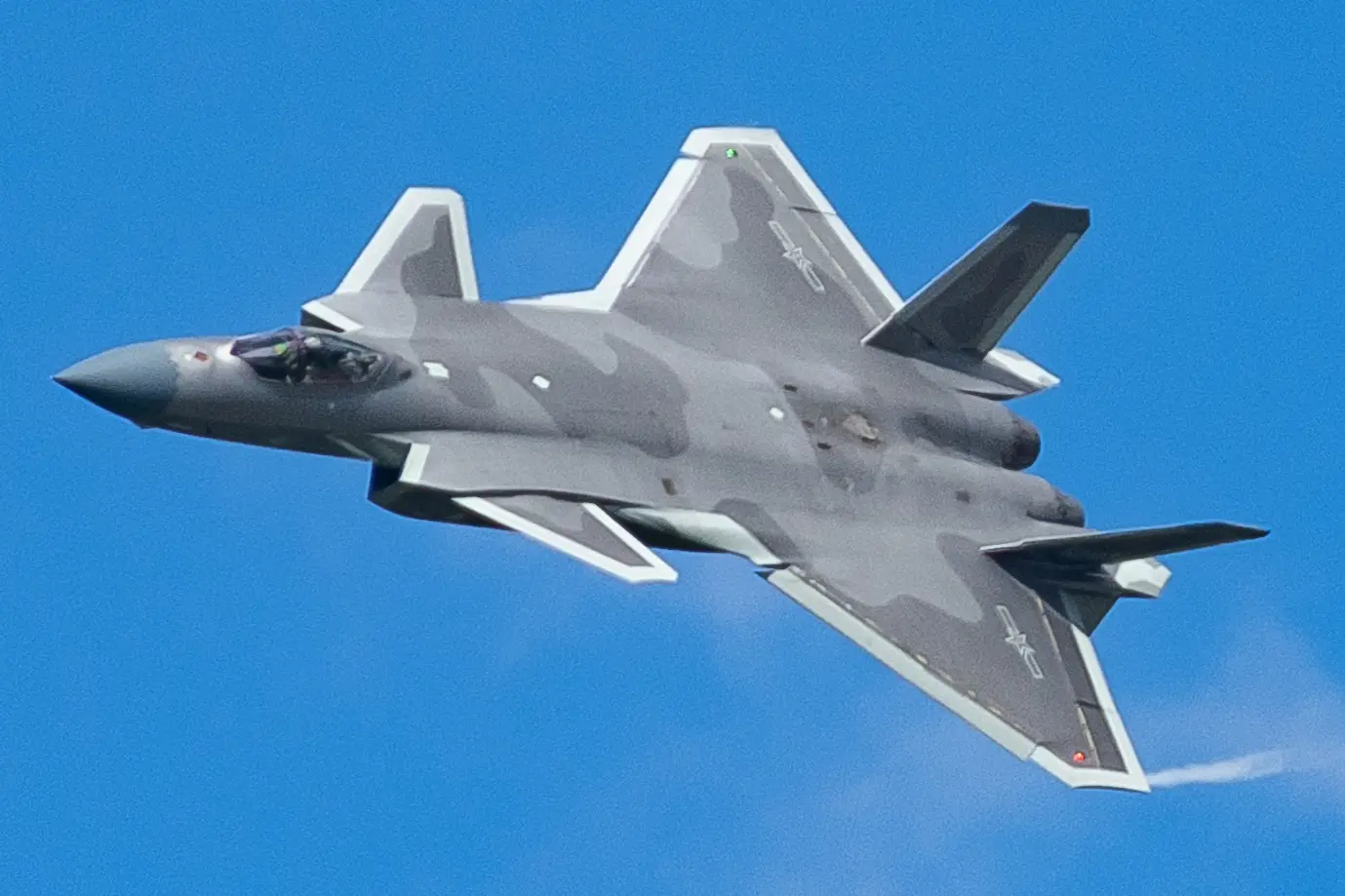
Digital Battlefield: Situational Edge
Fusion of sensor data gives the pilot detailed situational awareness. Real-time data-sharing networks let the J-20 coordinate with other fighters and unmanned systems.
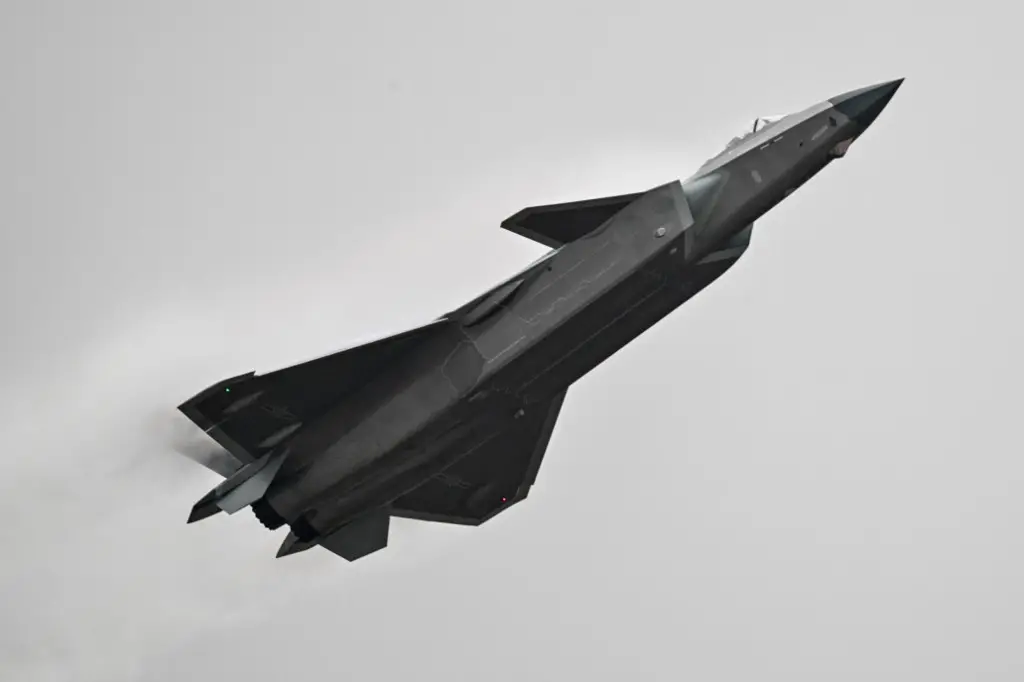
Electronic Warfare: Jamming and Defence
The J-20’s suite includes advanced electronic warfare tools, letting it jam enemy radars and defend itself against anti-aircraft missiles in contested environments.
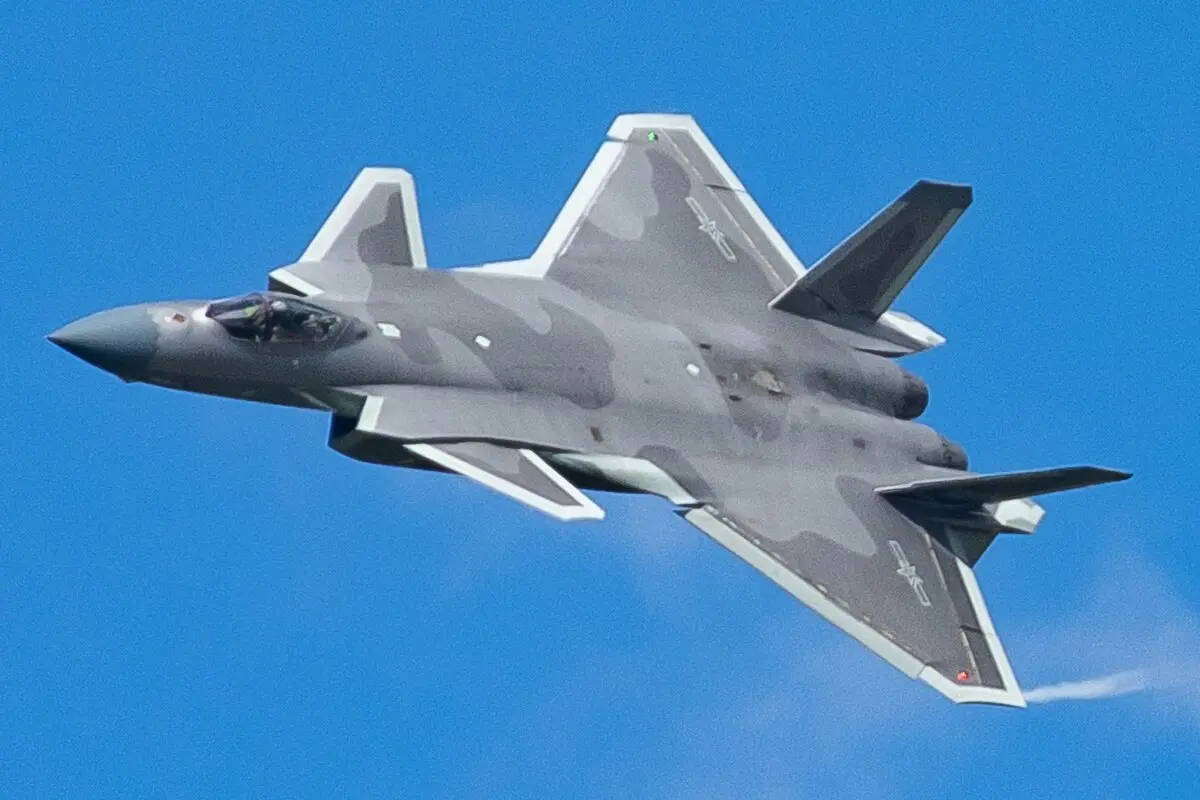
Detection and Engagement Lead
With AESA radar and sensor fusion, the J-20 can detect, track, and engage targets before being spotted itself. These edge technologies ensure China’s lead in regional air combat.
)
)
)
)
)