What NASA's Voyager 1 taught us about Saturn’s rings

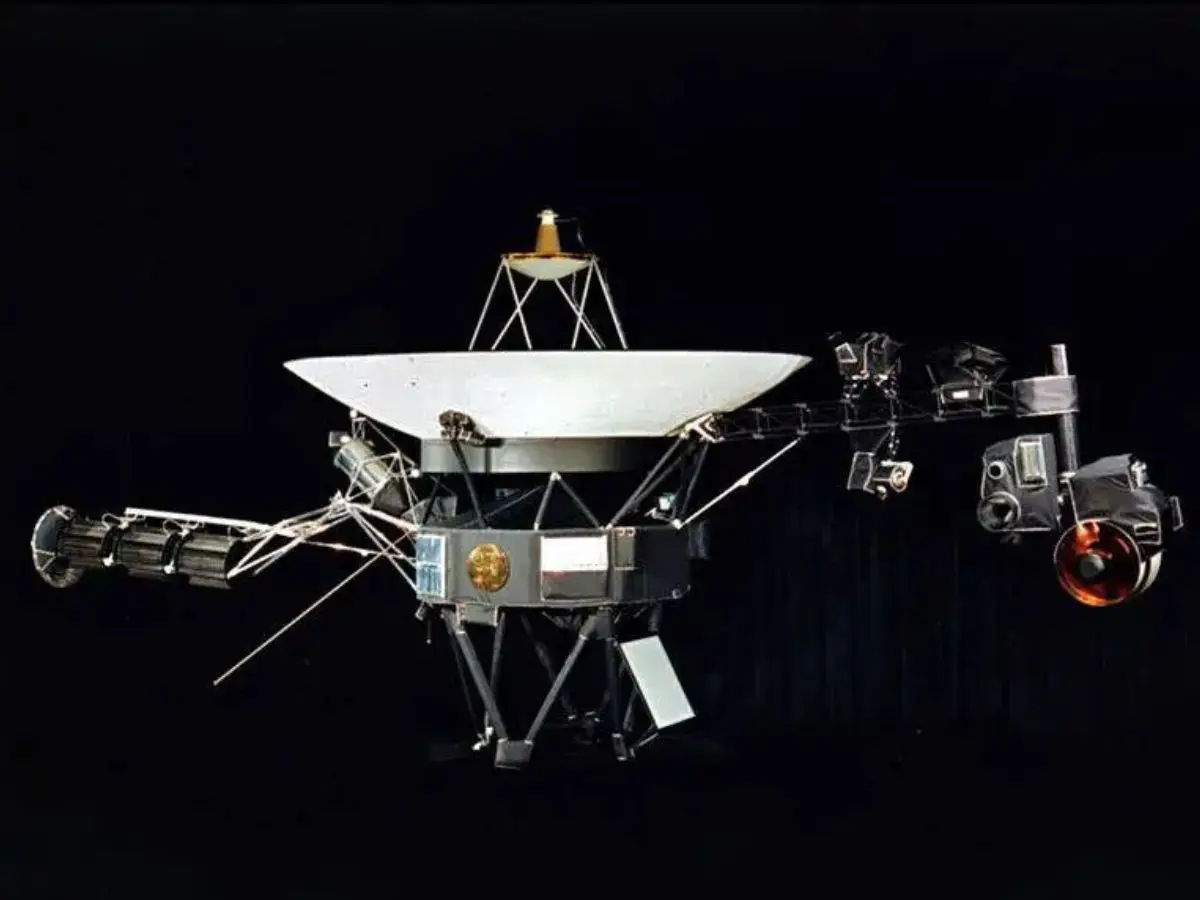
Voyager 1, launched in 1977, provided humanity with its first up-close look at Saturn and its magnificent rings. The spacecraft revealed unexpected complexity and beauty, transforming our understanding of planetary ring systems. Here’s a detailed look at the key discoveries:
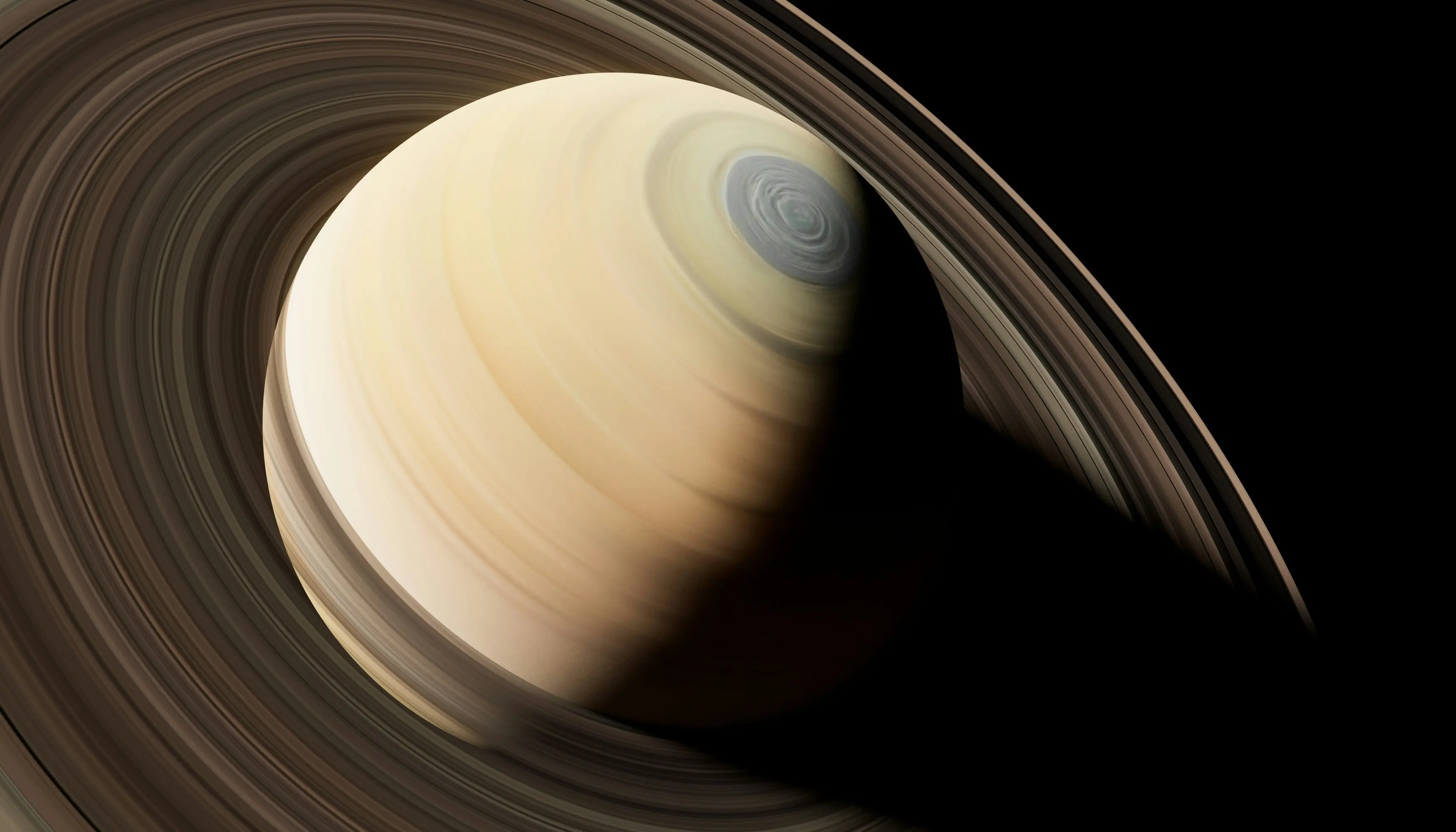
Close Encounters with Saturn
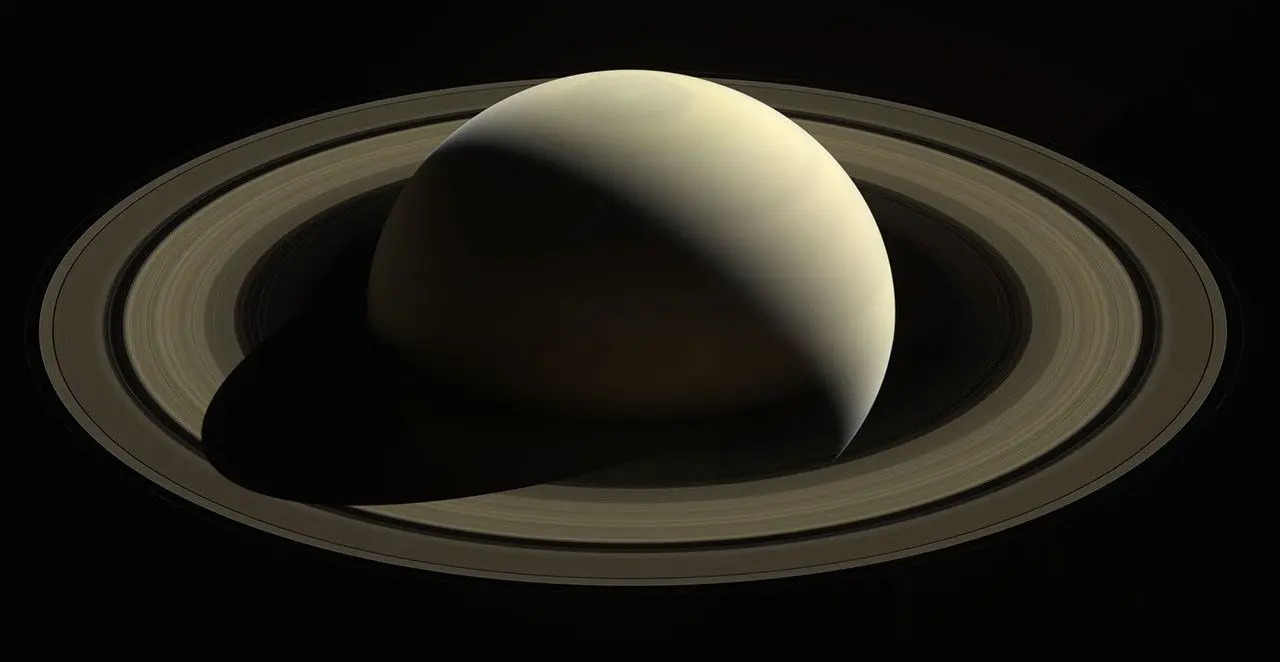
During its flyby in 1980, Voyager 1 captured detailed images of Saturn’s rings, offering unprecedented views of their structure. Scientists were able to study the rings’ thickness, composition, and intricate patterns for the first time.
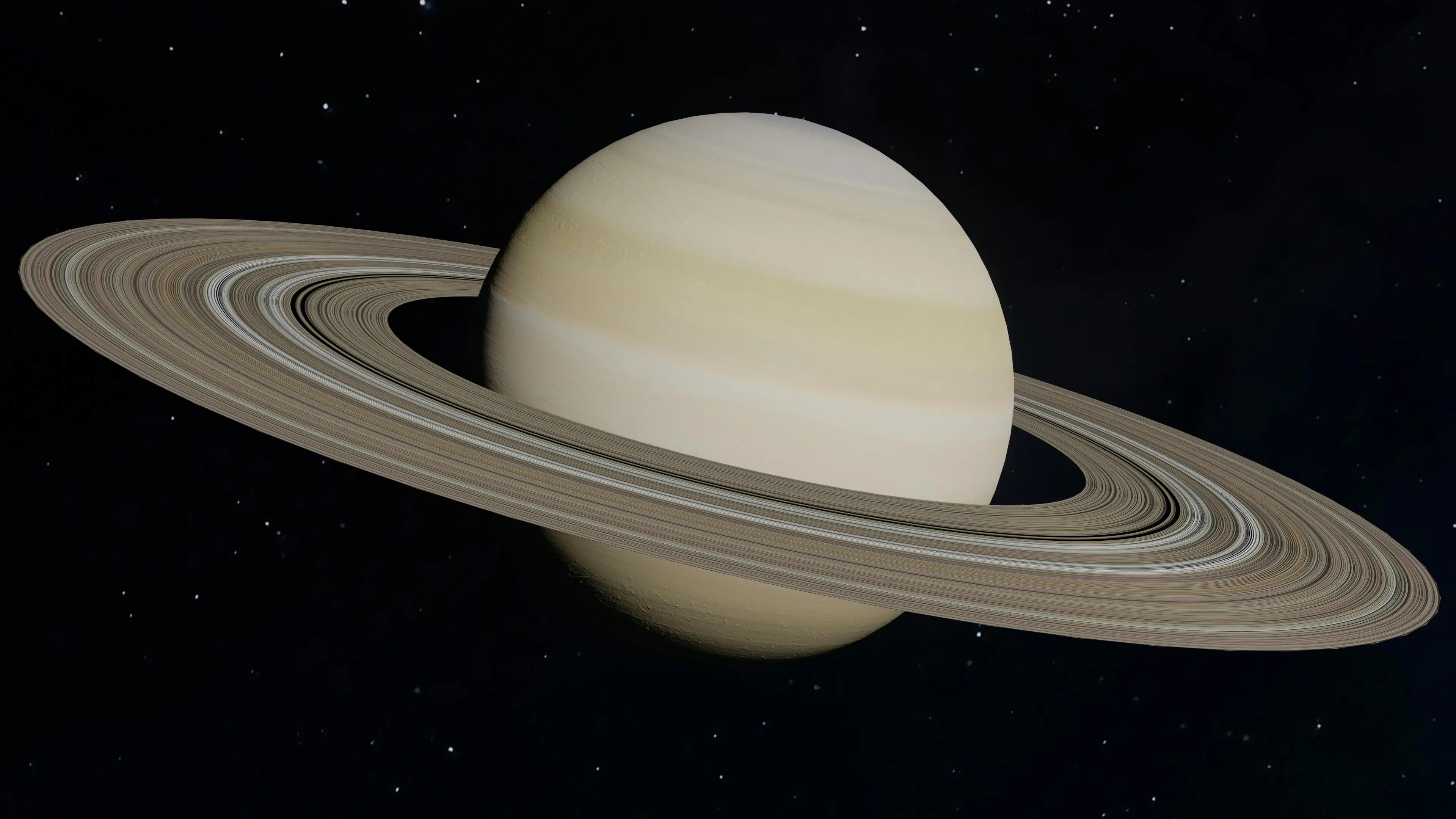
The Fine Structure of the Rings
Voyager 1 revealed that Saturn’s rings aren’t uniform. Instead, they contain thousands of tiny ringlets and gaps, with variations in particle density. These observations helped scientists understand how gravitational forces shape the rings.
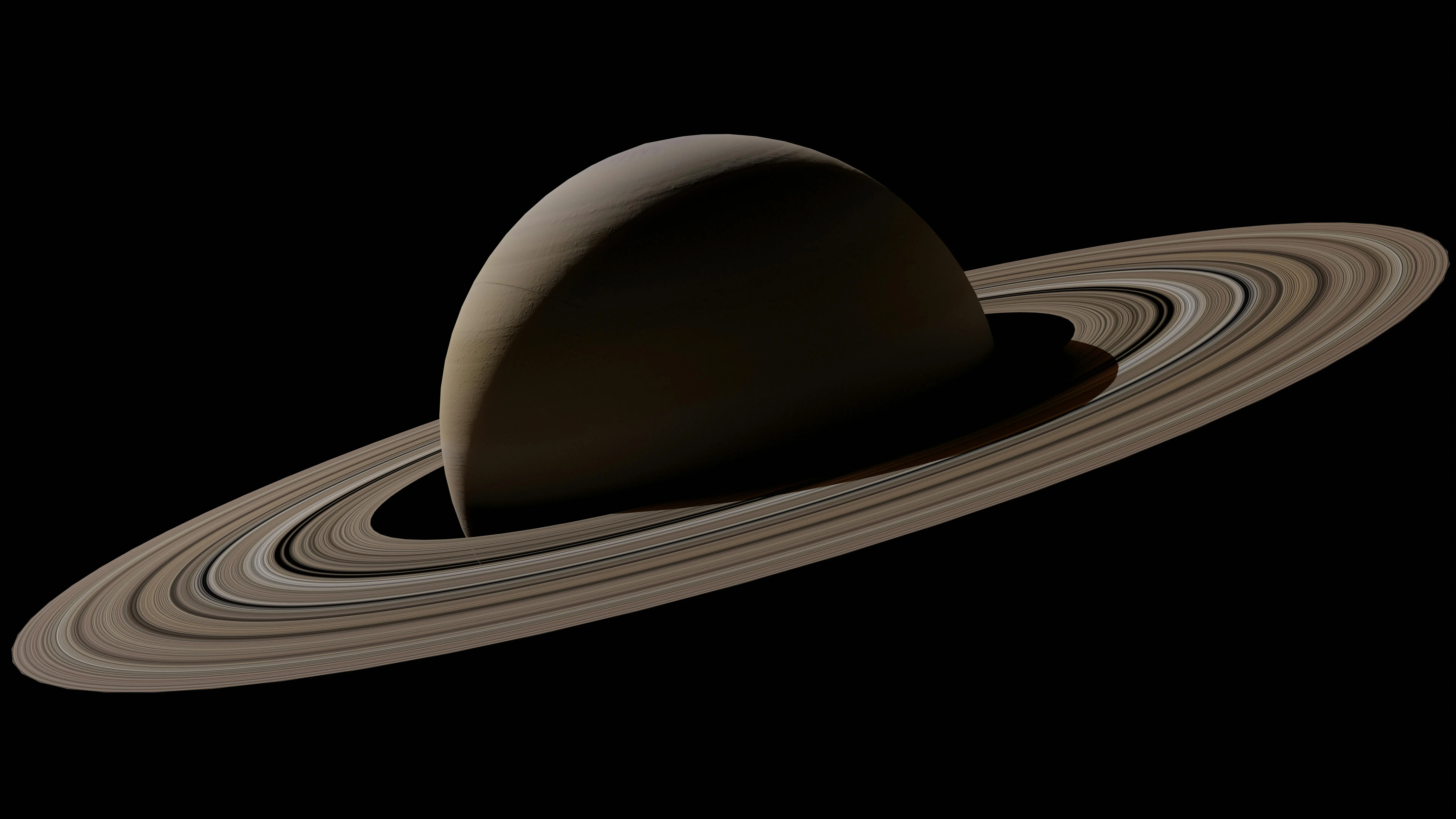
Shepherd Moons and Ring Sculpting
The spacecraft discovered that small moons, later called “shepherd moons,” orbit near the rings’ edges and influence their shape. These moons keep the rings sharply defined and prevent them from dispersing into space.
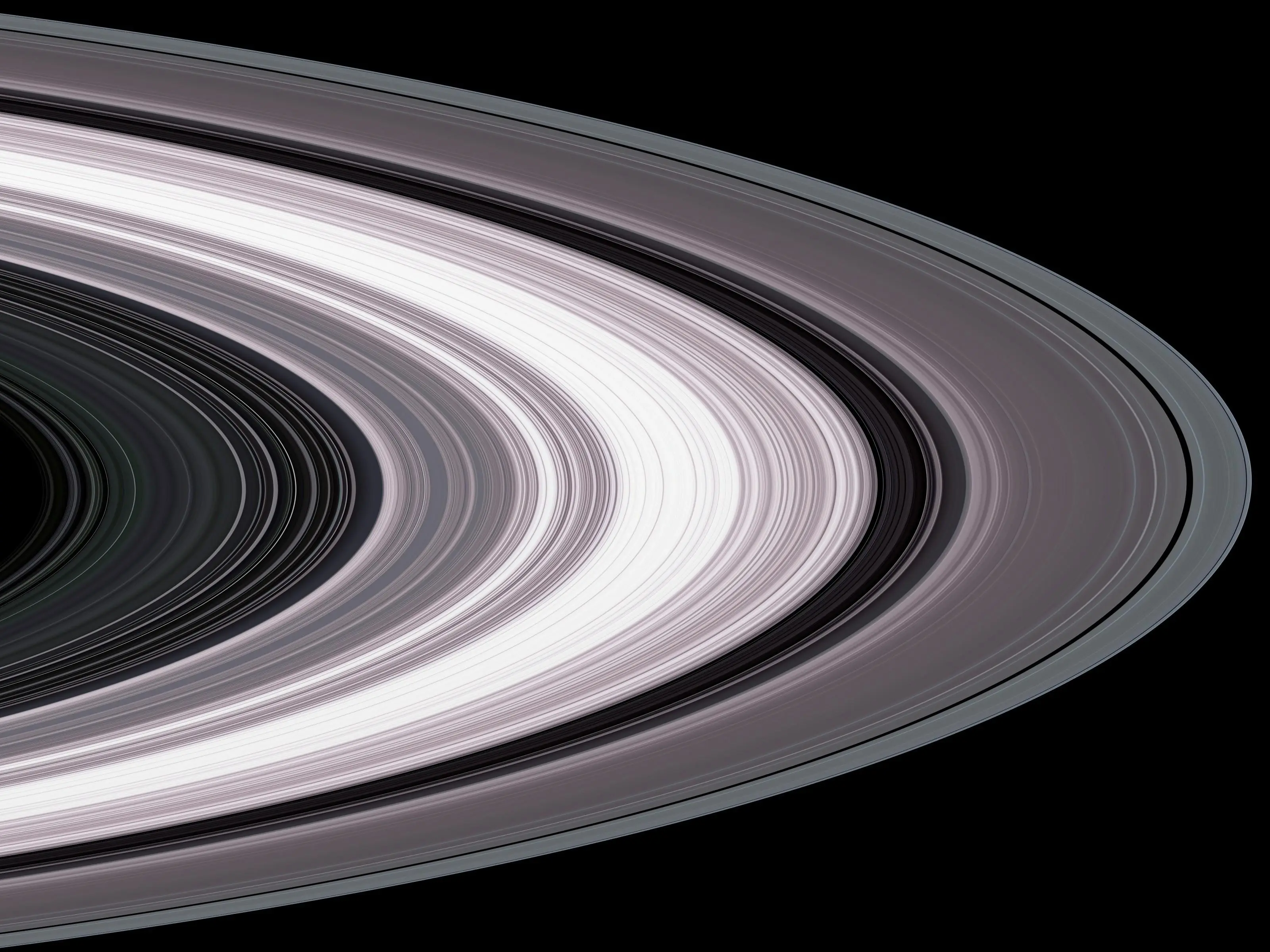
Ring Particle Composition
Voyager 1’s instruments analysed the light reflected from the rings, confirming they are composed mostly of water ice, with some dust and rock. This insight explained the bright, reflective appearance of Saturn’s rings.
Dynamic Ring Behaviour
Observations showed that Saturn’s rings are not static. The particles collide, clump together, and slowly drift, creating waves and ripples across the rings. Voyager 1’s data revealed that rings are dynamic, ever-changing systems.
Mystery of the Gaps
Voyager 1 discovered numerous gaps in the rings, the most famous being the Cassini Division. These gaps are caused by gravitational interactions with Saturn’s moons, offering scientists a natural laboratory to study orbital mechanics.
Pioneering Knowledge for Future Missions
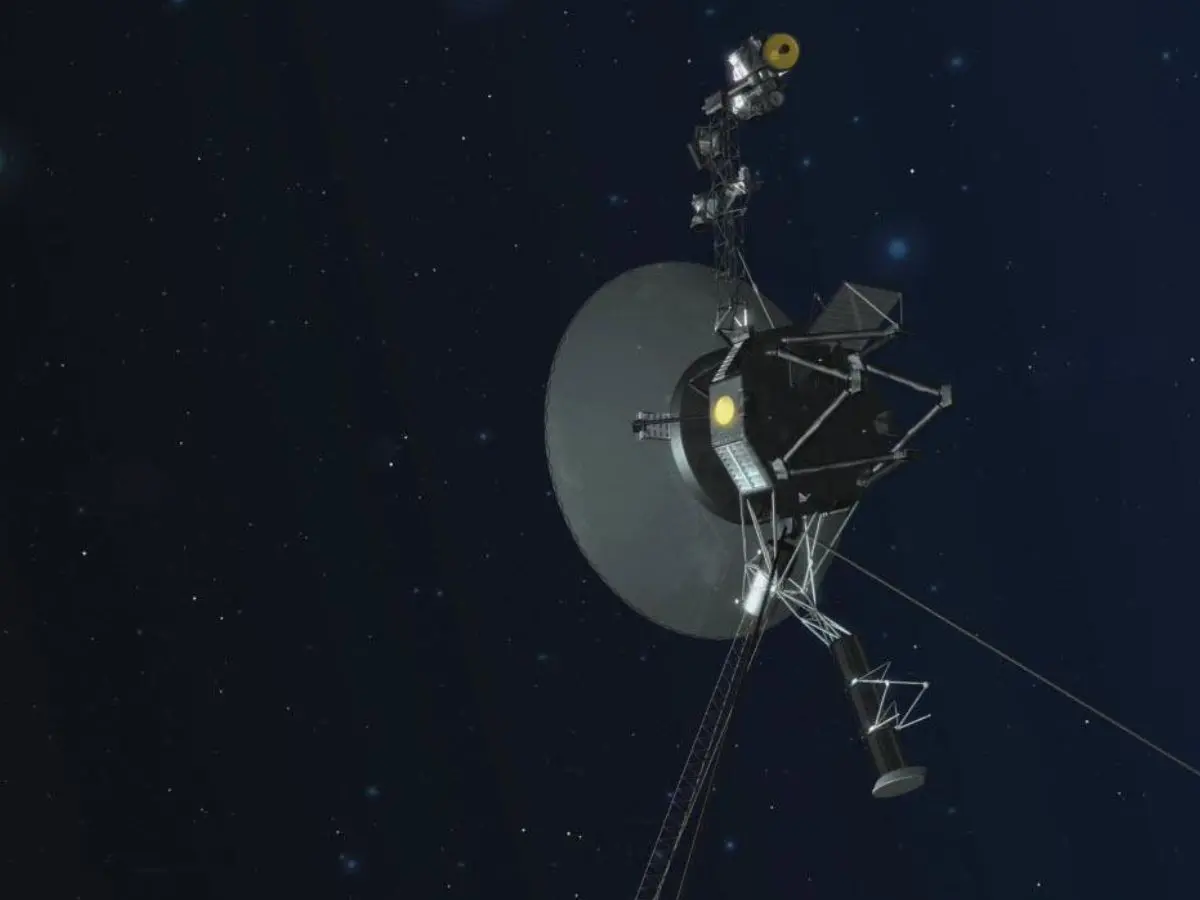
Voyager 1’s discoveries laid the groundwork for later missions like Cassini, which explored Saturn and its rings in even greater detail. The data continue to help scientists understand ring formation, evolution, and their role in planetary systems.
)
)
)
)
)