What materials allow BrahMos cruise missile to survive high heat at supersonic speeds?

BrahMos survives 2,000°C heat using ceramic composites: ZrB₂-SiC ceramics, multi-layer thermal protection, oxidation coatings. India's fifth-nation capability proven through plasma testing at 4,000 Kelvin.
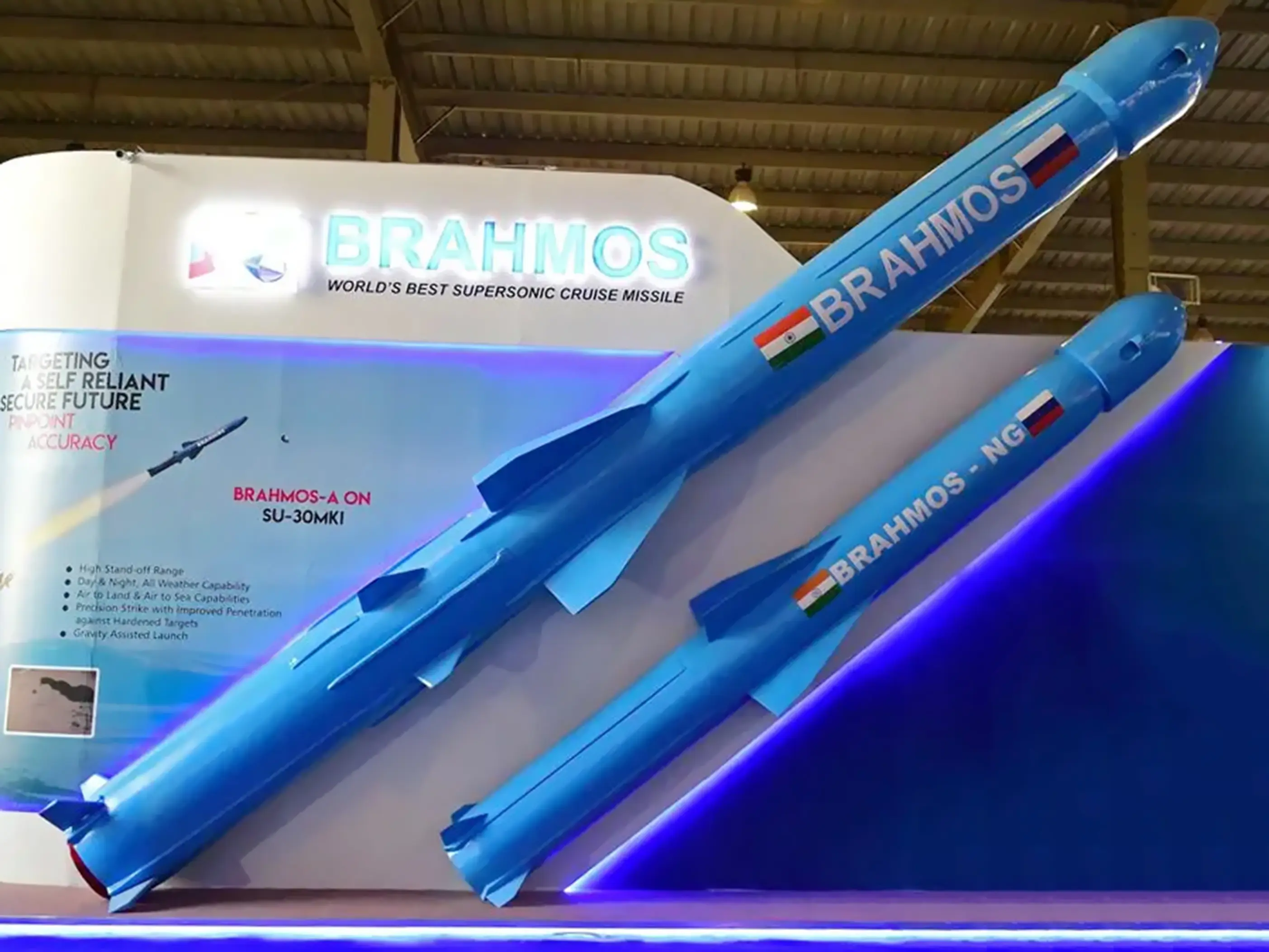
2,000°C Aerodynamic Heating Challenge Explained
BrahMos reaches speeds of Mach 2.8, generating surface temperatures exceeding 2,000 degrees Celsius through air friction alone. At these extreme temperatures, conventional aluminium and steel airframes would melt instantly. The missile's nose cone faces the most intense heating during supersonic flight. Engineers solved this challenge by developing specialised thermal protection systems using advanced ceramics that resist melting and oxidation. This represents one of the most critical technical challenges in hypersonic weapons development globally.
Zirconium Diboride (ZrB₂) Ceramics: Primary Material
Zirconium diboride is India's chosen ceramic composite for BrahMos thermal protection, capable of withstanding temperatures exceeding 2,000°C without melting or structural failure. ZrB₂-based ceramics offer exceptional hardness, thermal conductivity, and oxidation resistance. When combined with silicon carbide additives, these materials become even more robust for hypersonic applications. Indian researchers at IIT Kanpur and DRDO laboratories have perfected ZrB₂-SiC composite formulations. The material conducts heat away from the hottest points, preventing localised damage and structural cracks during sustained supersonic flight operations.
Silicon Carbide (SiC) Composite Enhancement
Silicon carbide is mixed with zirconium diboride to create hybrid ceramic composites offering superior mechanical properties at extreme temperatures. SiC improves fracture resistance and thermal shock tolerance when the missile experiences rapid temperature fluctuations during acceleration and flight phases. These SiC-enhanced composites maintain strength at temperatures reaching 2,000°C and beyond. Titanium additives further enhance composite properties, increasing durability and operational reliability. The ZrB₂-SiC-Ti composite represents the current generation of materials protecting BrahMos airframes.
Hafnium Carbide (HfC) for Maximum Temperature Protection
Hafnium carbide ceramics represent the cutting edge of ultra-high-temperature materials, withstanding temperatures exceeding 4,000 degrees Celsius-double BrahMos operational requirements. HfC offers superior oxidation resistance compared to zirconium compounds. India is developing HfC-based composites for next-generation hypersonic vehicles and enhanced BrahMos variants. These ceramics maintain mechanical properties even at extreme temperatures, providing safety margins for future missile developments. HfC materials sit amongst the world's highest-melting-point ceramics, placing India in elite company for hypersonic technology development.
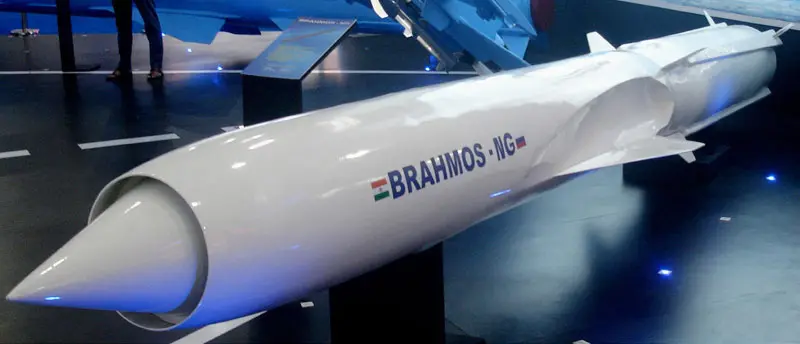
Thermal Protection System (TPS) Multi-Layer Design
BrahMos employs layered thermal protection combining ceramic outer surfaces with insulating materials underneath. The ZrB₂-SiC ceramic layer acts as the outer heat shield, whilst cork-like insulation materials protect the metal airframe beneath. This sandwich structure distributes heat across multiple surfaces, preventing concentrated thermal damage. The design keeps internal fuel systems, guidance electronics, and engine components cool despite extreme external temperatures. Multi-layer protection extends operational life and ensures mission reliability during extended supersonic flight operations up to 500 kilometres.
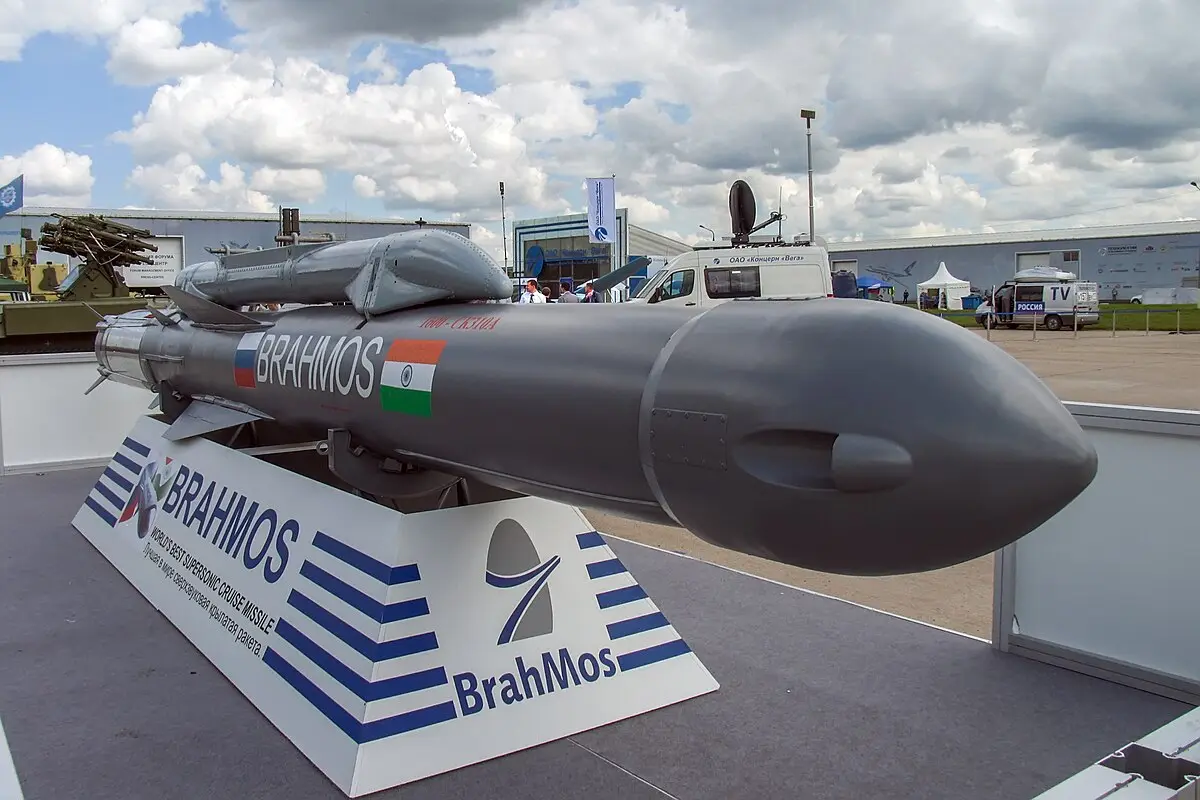
Oxidation-Resistant Coatings Protect Seawater Exposure
Beyond aerodynamic heating, BrahMos faces oxidation challenges from saline seawater during naval storage and deployment. Special ceramic coatings prevent corrosion and oxidative degradation in maritime environments. These coatings shield the heat-resistant ceramic composites whilst the missile remains stored aboard Navy destroyers. The oxidation-resistant barrier ensures BrahMos maintains structural integrity through storage, transport, and operational deployment phases. This advanced coating technology extends missile lifespan and reduces maintenance requirements between deployments.
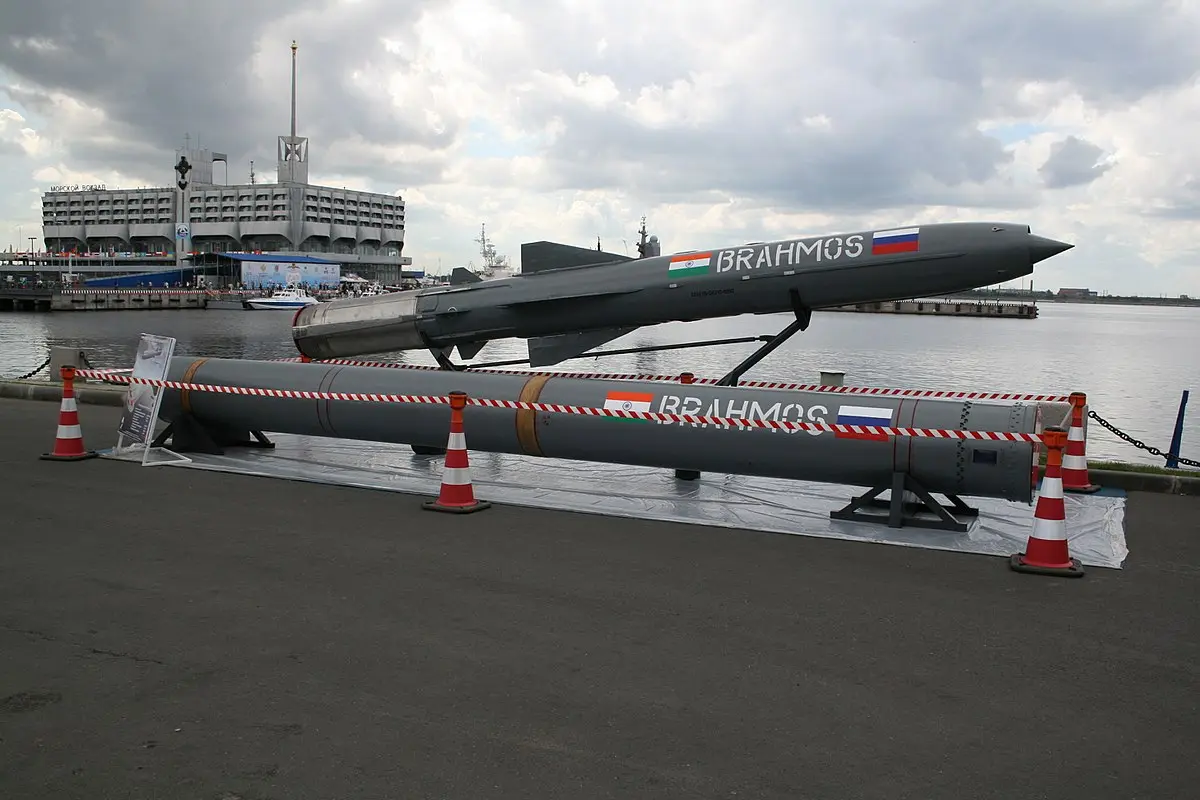
Plasma Tunnel Testing at 4,000 Kelvin
Indian research teams supported by BrahMos Aerospace tested ceramic materials in plasma tunnels simulating 4,000 Kelvin (3,727°C) hypersonic conditions-exceeding BrahMos operational temperatures. ZrB₂-SiC ceramics survived extreme thermal shock, hypersonic shock waves, and pressures reaching 6.5 megapascals without structural failure. These rigorous tests confirmed material reliability for operational deployment. Laboratory testing occurred at IIT Kanpur's hypersonic research facilities, validating Indian ceramic technology for defence applications. Success proves indigenous thermal protection systems match international hypersonic standards.

India's Fifth-Country Ceramic Barrier Coating Development
India joined only five nations globally capable of developing ceramic thermal barrier coatings for hypersonic applications. This achievement, announced in February 2025, demonstrates India's advanced materials science capabilities alongside USA, Russia, China, and France. Indian researchers combined indigenous research with international collaboration to master ultra-high-temperature ceramic technology. This positions India as a significant hypersonic technology developer and enables export opportunities for missile systems to international partners. Indigenous capability reduces dependence on imported thermal protection materials.
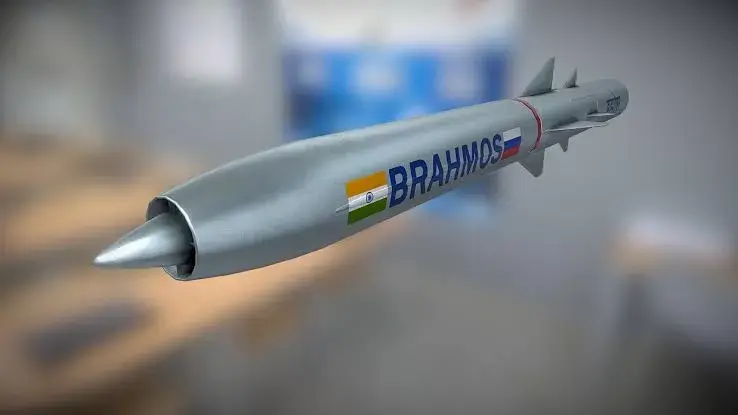
Energy Absorption Through Composite Weave Patterns
Advanced composite weave patterns in ceramic materials actively dissipate energy during hypersonic flight. Specifically designed fibre orientations channel heat away from critical regions, reducing peak temperatures at vulnerable points. Carbon-carbon composites combined with ceramic layers absorb impact energy whilst maintaining structural rigidity. These weave patterns are engineered through computer modelling and empirical testing. The technology prevents thermal hotspots that could compromise guidance systems or fuel integrity. Energy absorption through intelligent material design extends missile operational envelope significantly.

Thermal Conductivity Balance: Protecting Metal Airframe
BrahMos ceramics must balance thermal conductivity carefully-conducting enough heat away from the hottest surfaces whilst protecting internal metal structures from excessive temperature. Excessive conductivity transfers dangerous heat inward; insufficient conductivity leaves surface ceramics vulnerable to cracking. Indian materials scientists refined this balance through years of research. The final ceramic composite conducts heat efficiently to colder regions of the airframe whilst maintaining insulating properties for internal systems. This precision engineering ensures reliability during sustained Mach 2.8 supersonic operations.
)
)
)
)
)