What material is used in 3d printing?

Today, 3D printing means much more than just plastics 3D printing uses materials like plastics, PLA, ABS, and PETG, as well as metals, resin, and more, making almost any design possible. New materials now offer even greater choices. Know more below.
What Is 3D Printing?
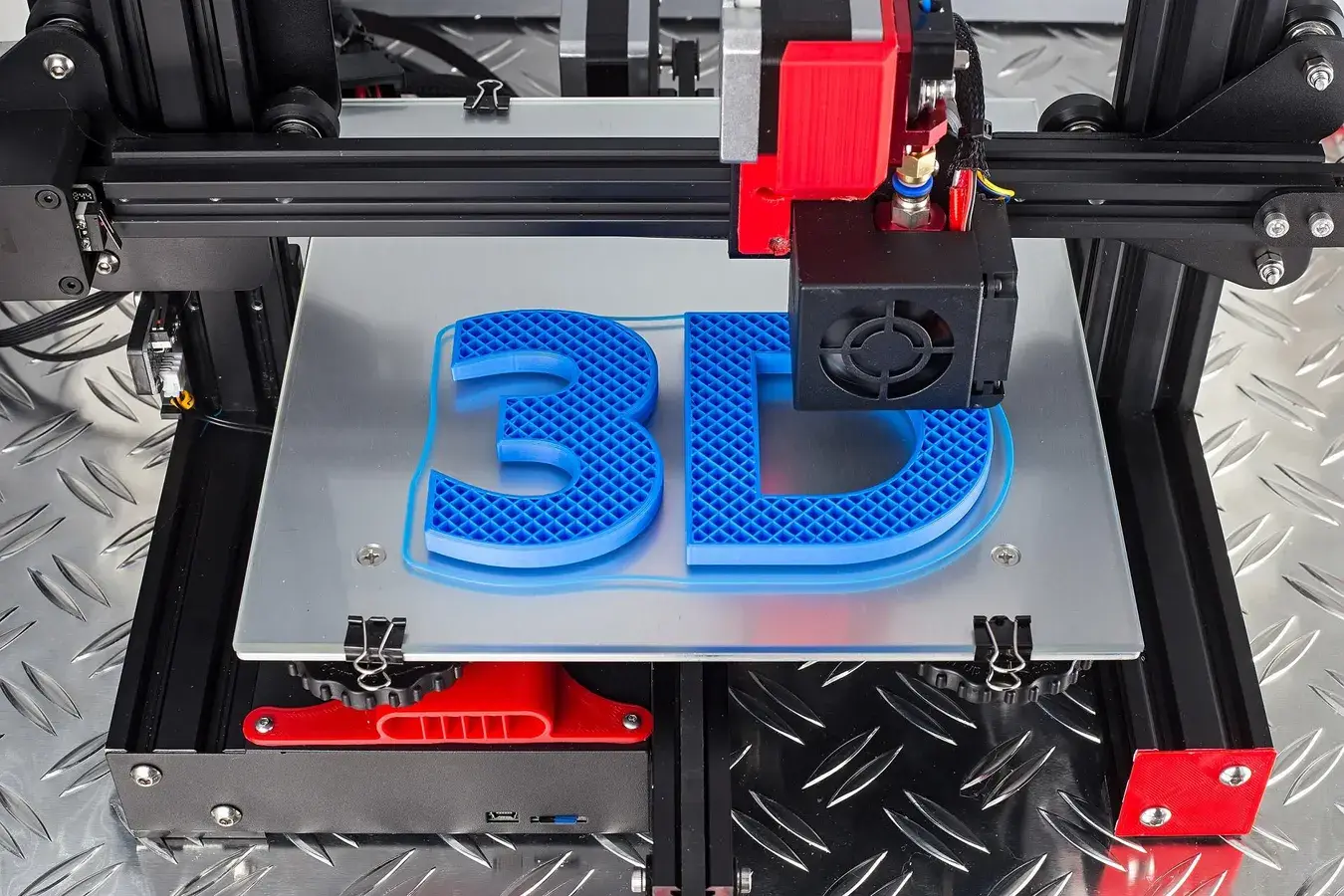
3D printing is a way of making objects, layer by layer, from a digital design. The machine reads the design and lays down the chosen material usually plastic, resin, or metal one slice at a time. The most common way of printing is called Fused Deposition Modelling (FDM), which uses melted thermoplastic filaments.
Most Popular Plastic for 3D Printing
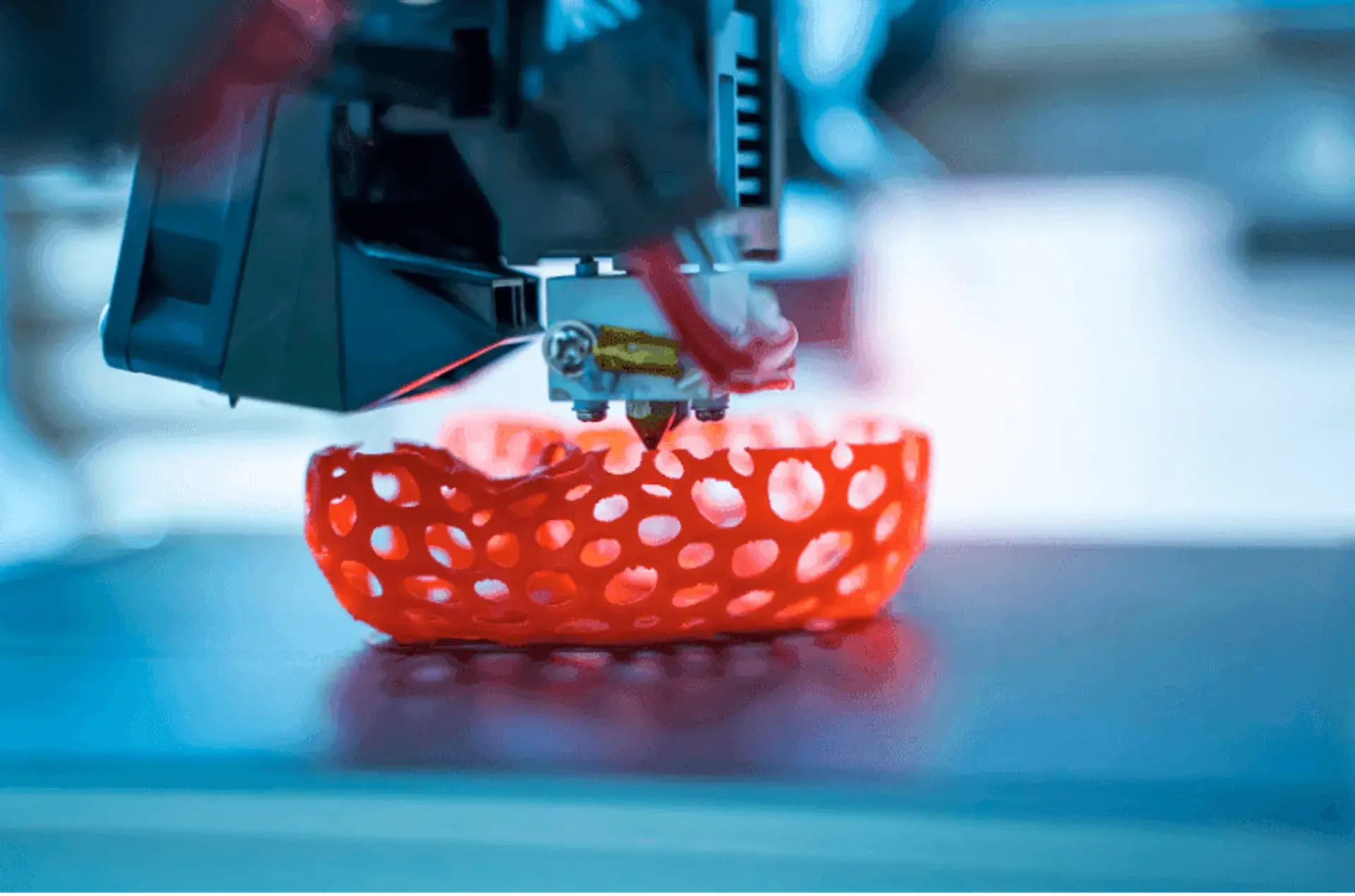
Plastic is the most widely used 3D printing material, especially for home and office printers. The main types are PLA (polylactic acid), ABS (acrylonitrile butadiene styrene), PETG (polyethylene terephthalate glycol), and nylon. PLA is plant-based, easy to use, and biodegradable, while ABS and PETG are stronger and more heat-resistant but need higher print temperatures.
Special Plastic Filaments and Why They Matter
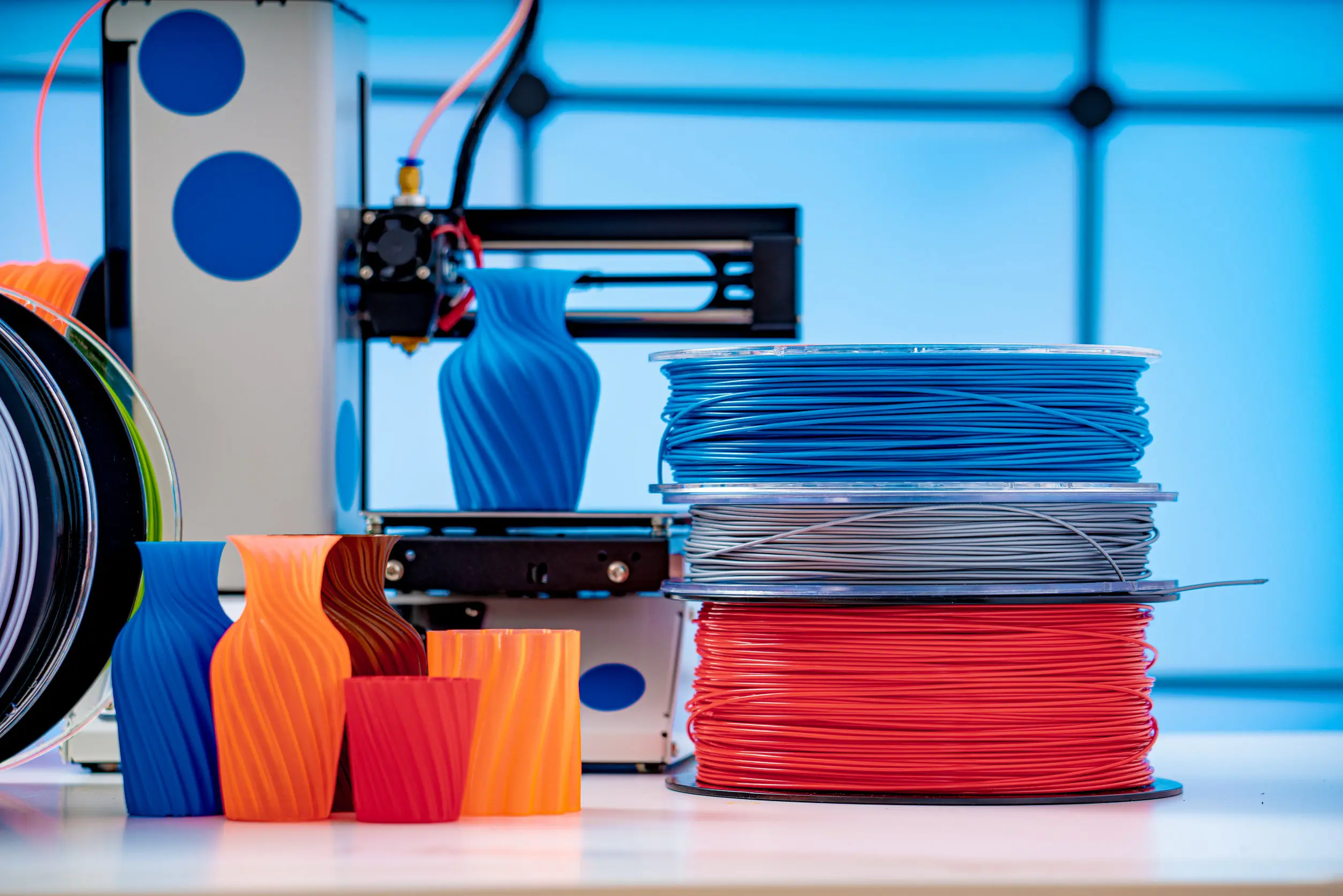
Some filaments are made by mixing in fibres or other materials. For example, carbon fibre, Kevlar, or even glass can be added for extra strength or new features. Other plastics include TPU (flexible and stretchable), polycarbonate (very strong), and PVA (water-soluble support material). Each type offers different qualities for specific projects.
3D Printing With Resin How It’s Different
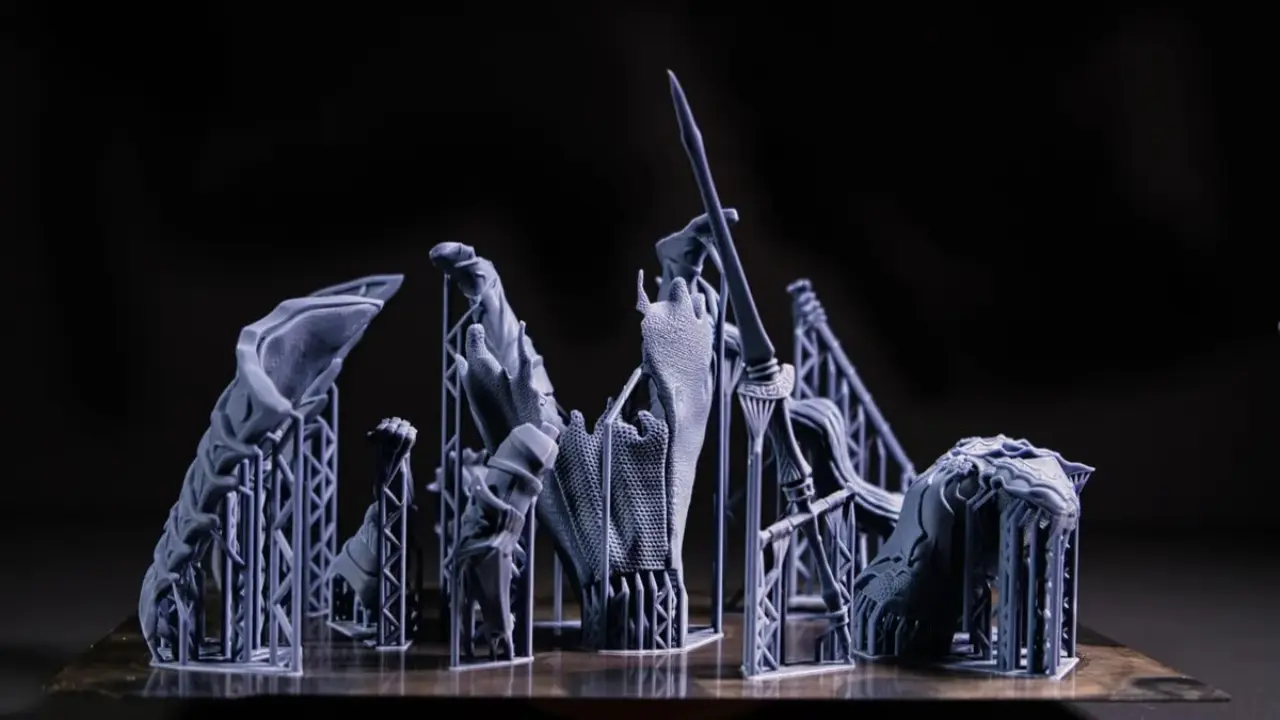
Resin printing is popular for high-detail prints, such as jewellery, dental models, and small parts. The printer uses UV light to harden liquid resin layer by layer. Common types include standard resin, tough resin (adds strength), and flexible resin. SLA (stereolithography) and DLP are common resin-printing methods.

Metal Powders in 3D Printing
Industrial printers can print using metal powders, like stainless steel, titanium, aluminium, and Inconel. They use lasers to fuse the powder into solid shapes. Metal 3D printing is used in aerospace, medical implants, cars, and more. These materials offer high strength, heat resistance, and great detail.
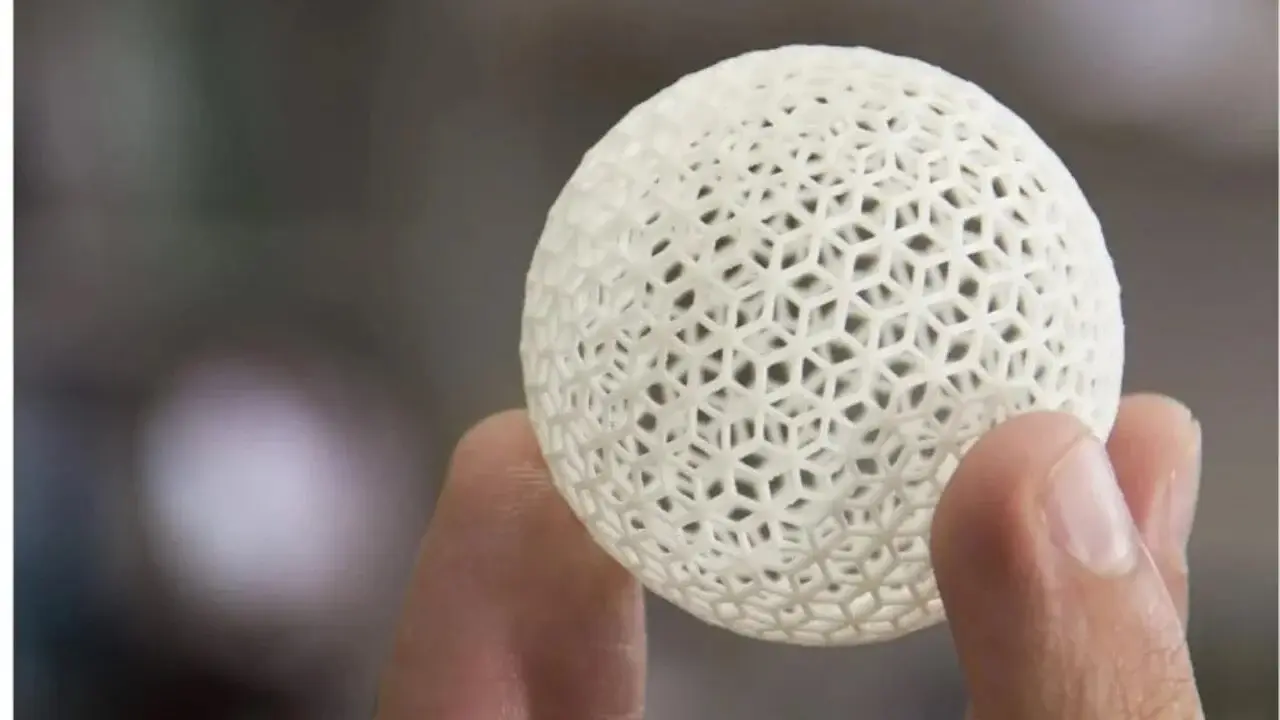
Composites, and More
Some printers use ceramics, glass, carbon fibre, graphite, or even wax. These materials are chosen for projects needing special properties, such as electrical conductivity or heat resistance. Composites mix several materials for unique results, like parts that are both strong and lightweight.
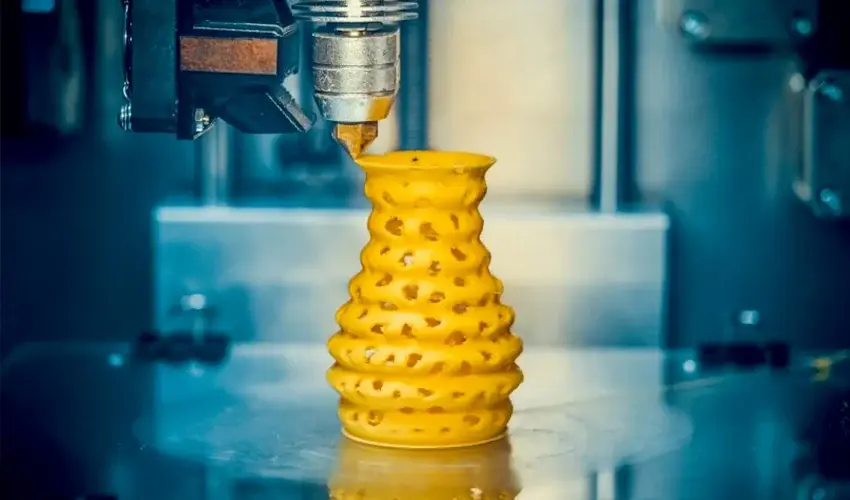
PLA is easy and eco-friendly for models
The material depends on the purpose. PLA is easy and eco-friendly for models, ABS for stronger moving parts, resin for precision, and metal for industrial parts. Advancements mean even more new materials appear every year. According to recent reports, the global 3D printing materials market keeps growing, giving creators more choices than ever. Know more below as 3D printing brings fresh possibilities every day.
)
)
)
)
)