What makes us human? Primate genome study offers some clues

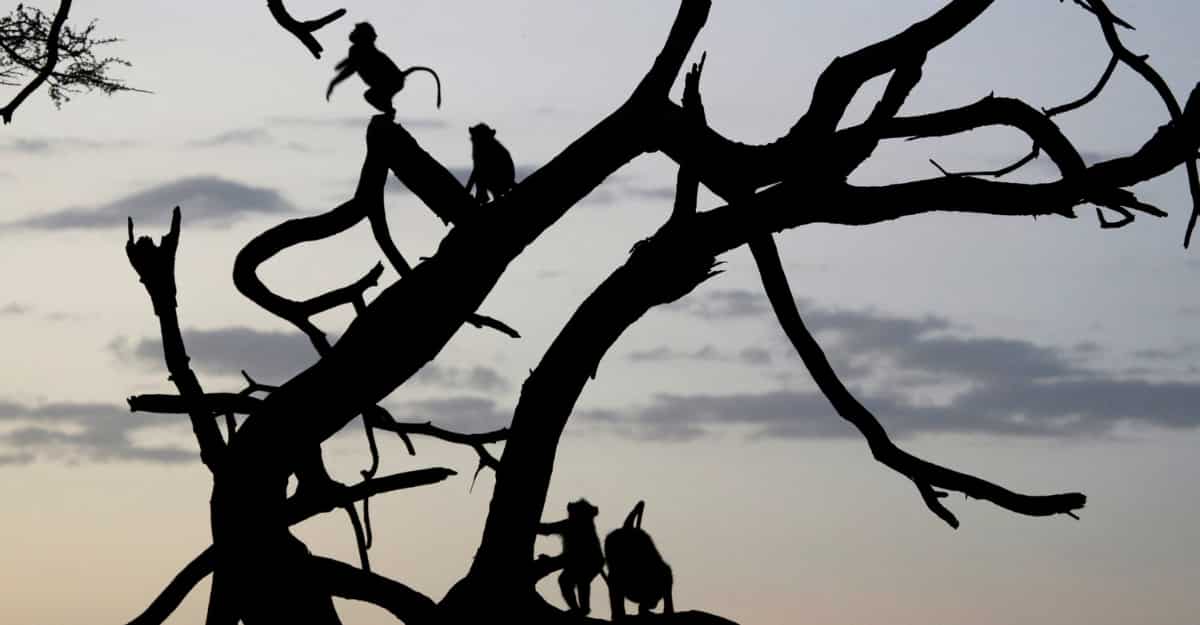
Olive baboons
Researchers sequenced and analysed genomes of 233 primates, with around half of them being alive presently. They found that most boast greater genetic diversity, i.e., variation within a species that is vital for adaptation to changing environments and other challenges — than humans.
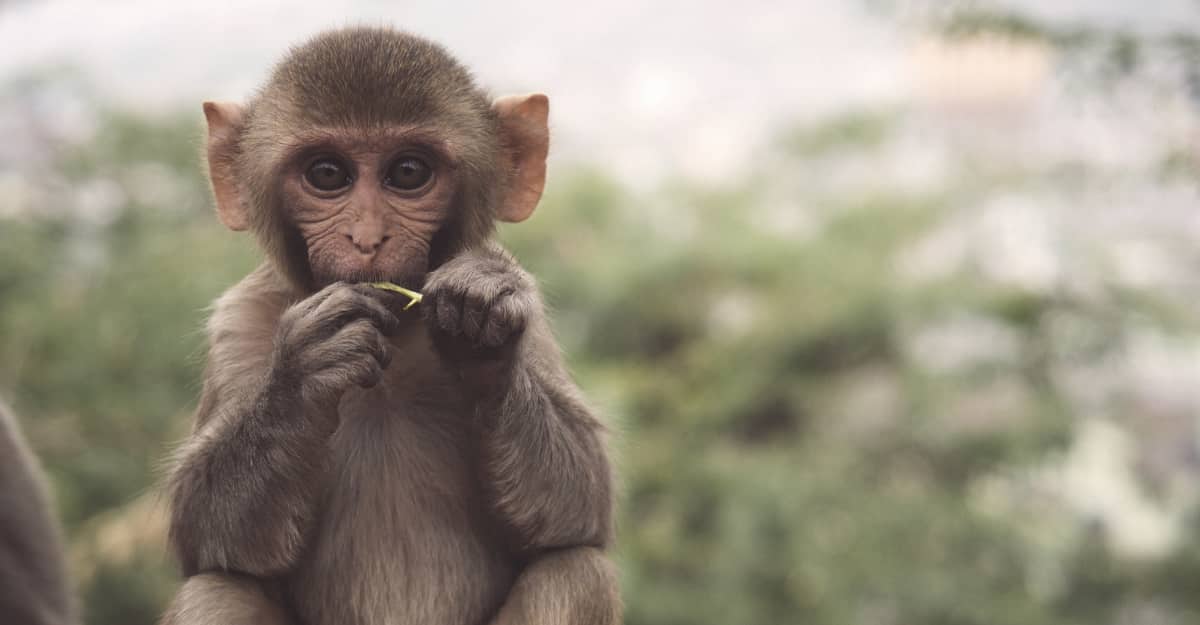
Young monkey
"Studying primate genomic diversity is not only important in the face of the ongoing biodiversity crisis, but also has huge potential to improve our understanding of human diseases," said Lukas Kuderna, genomicist from Barcelona Biomedical Research Park's Institute of Evolutionary Biology in Spain and Illumina Inc, the lead author of the main paper on the research published in the journal Science.
(Image source: Unsplash)
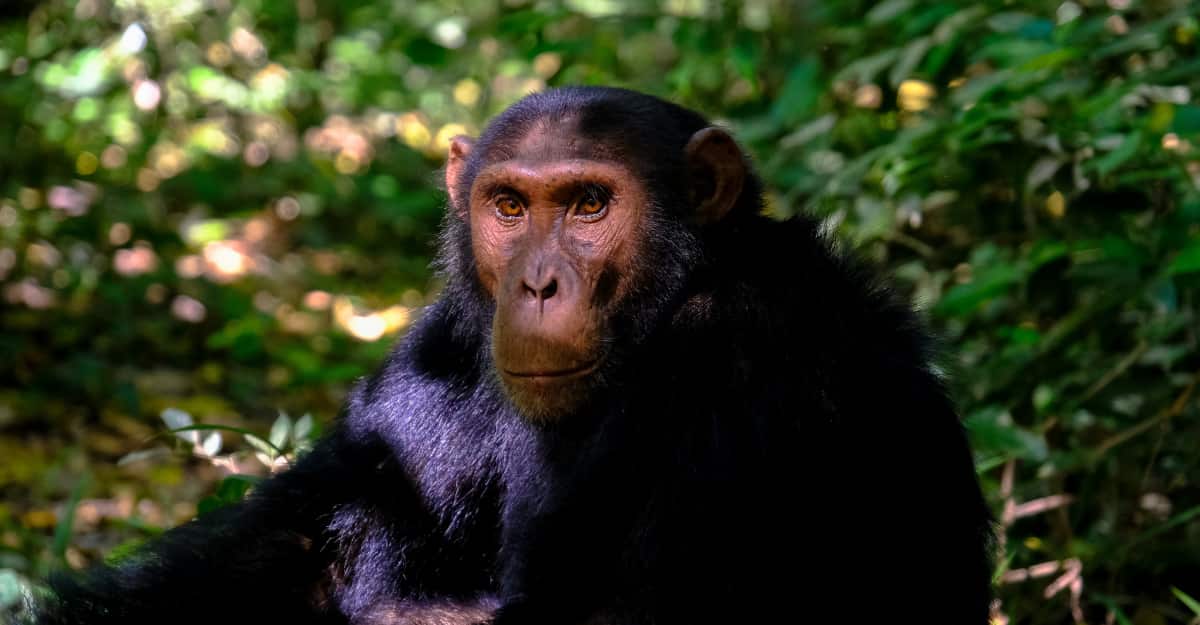
Chimpanzee sitting on grass
Chimpanzees and bonobos have the closest genes to humans and roughly share 98.8 per cent of our DNA. The study adjusted the timeframe to account for the split in the evolutionary lineages that gave way to humans and the one that gave way to chimpanzees and bonobos, the milestone discovered between 6.9 and 9 million years ago, which is a little longer ago than previously thought.
(Image source: Unsplash)
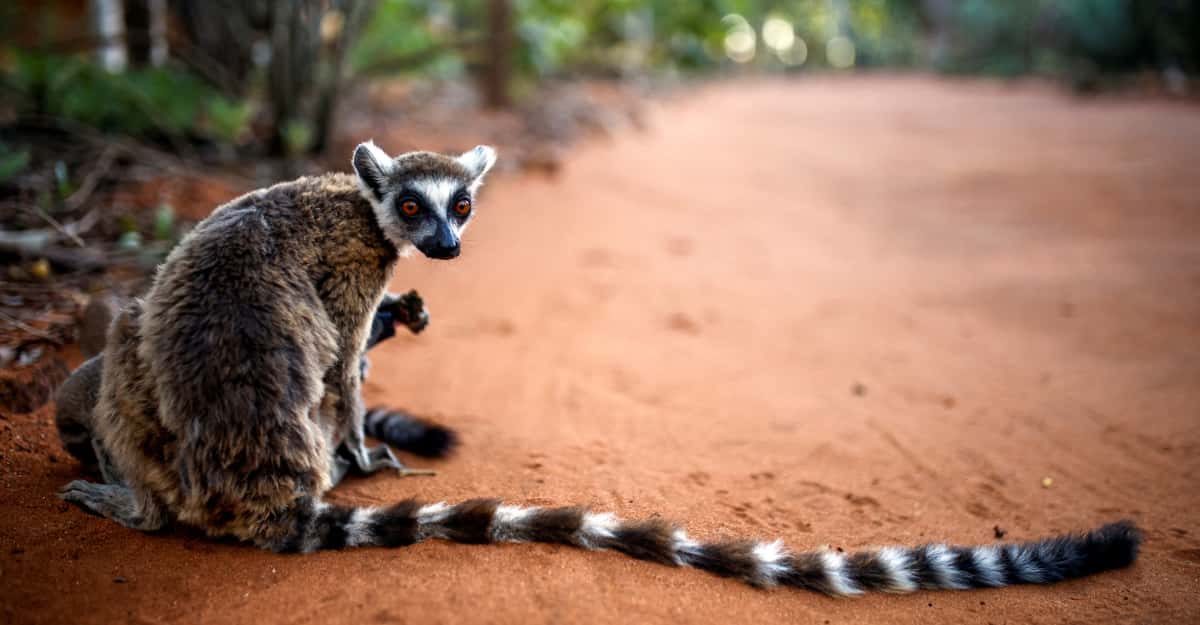
Ring-tailed lemur
Through the evolution of species, human ancestry eventually attained significant traits like bipedalism, a bigger brain and longer limbs. Homo sapiens are estimated to have emerged around 300,000 years ago in Africa and then spread across the world.
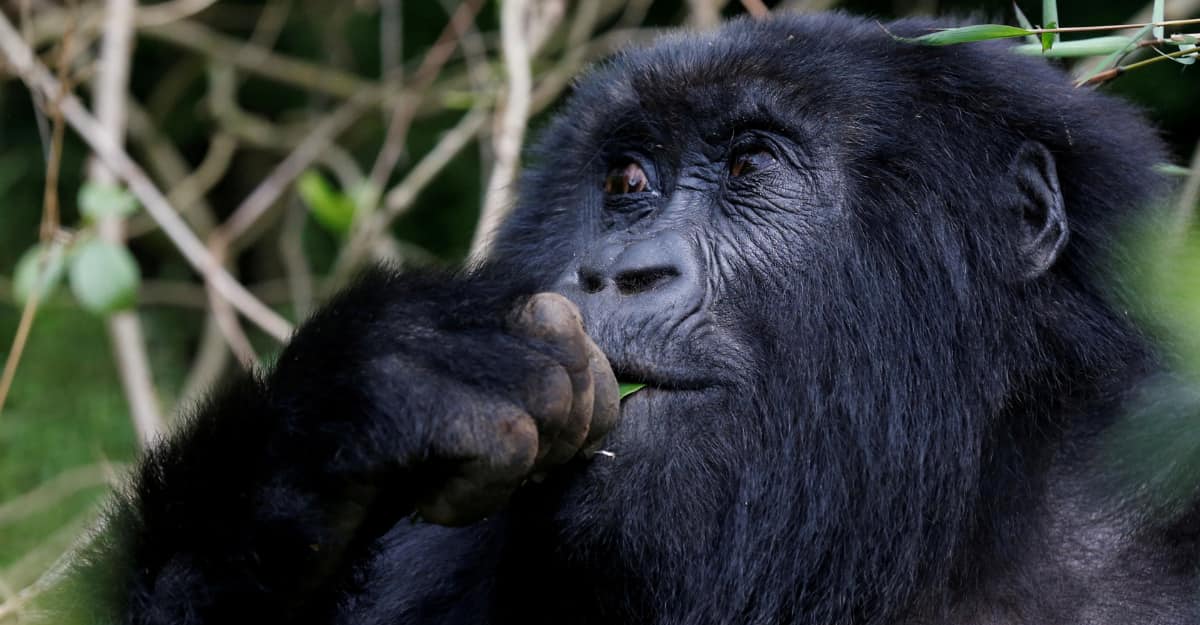
Endangered female high mountain gorilla
The study focused on exploring the roots of primates as a group. The last shared predecessor of all existent primates lived around 63.3 million to 58.3 million years ago. This period was marked by the most exceptional innovation following the asteroid strike that wiped out the dinosaurs and gave mammals dominance 66 million years ago.
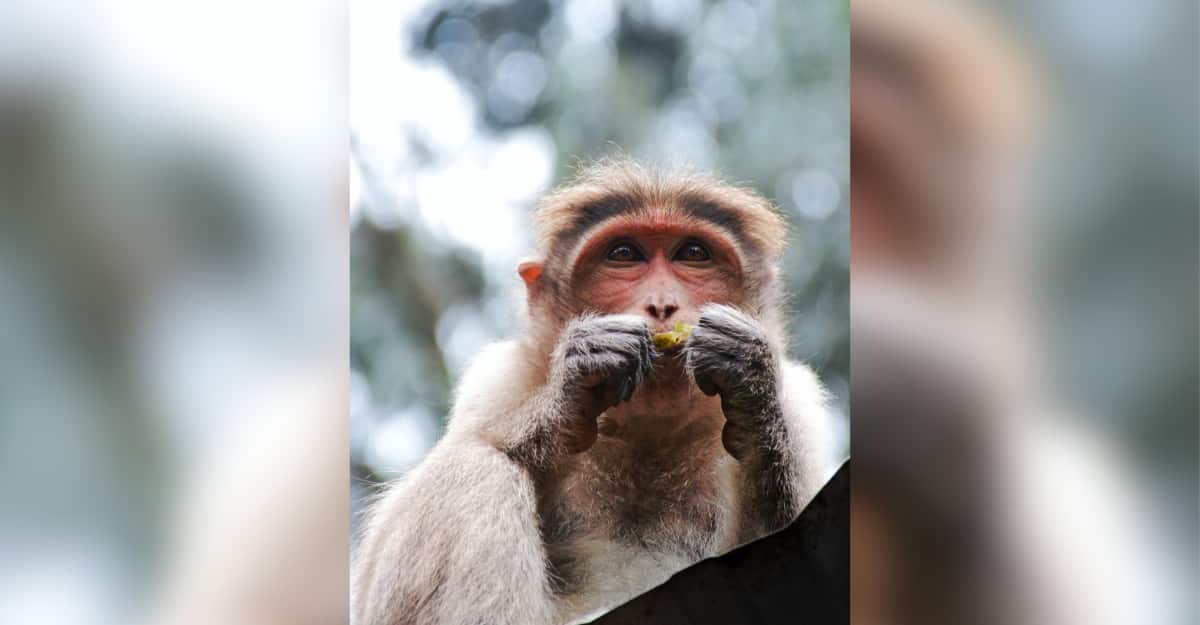
Monkey eats
About 60 per cent of the primate species are at risk of extinction, and about 75 per cent are in declining populations due to threats caused by humans like habitat destruction, hunting, and climate change. With the genome data, the primate species can be determined which requires the urgent need for conservation.
(Image source: Unsplash)
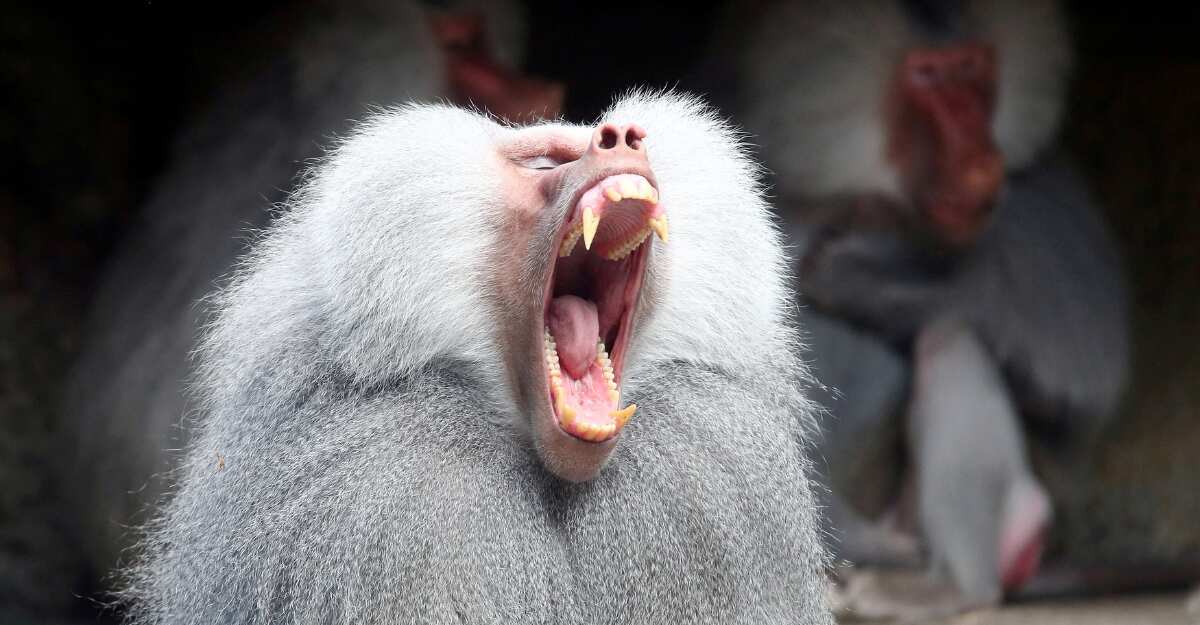
Baboon yawns
"The vast majority of primate species have significantly more genetic variation per individual than do humans," said Jeffrey Rogers, of the Baylor College of Medicine in Texas, genomicist and study co-author. "This shows that there were likely multiple significant population bottlenecks that have altered the amount and nature of genetic variation in ancient human populations."
)
)
)
)
)