What makes the world’s coldest train line able to run at -50 °C

Siberia's Arctic railway operates at around -50°C using heated rails, permafrost foundations, and specially designed trains. Shortened configurations, thermal monitoring, and constant snowplough operations keep lines open through extreme winter.
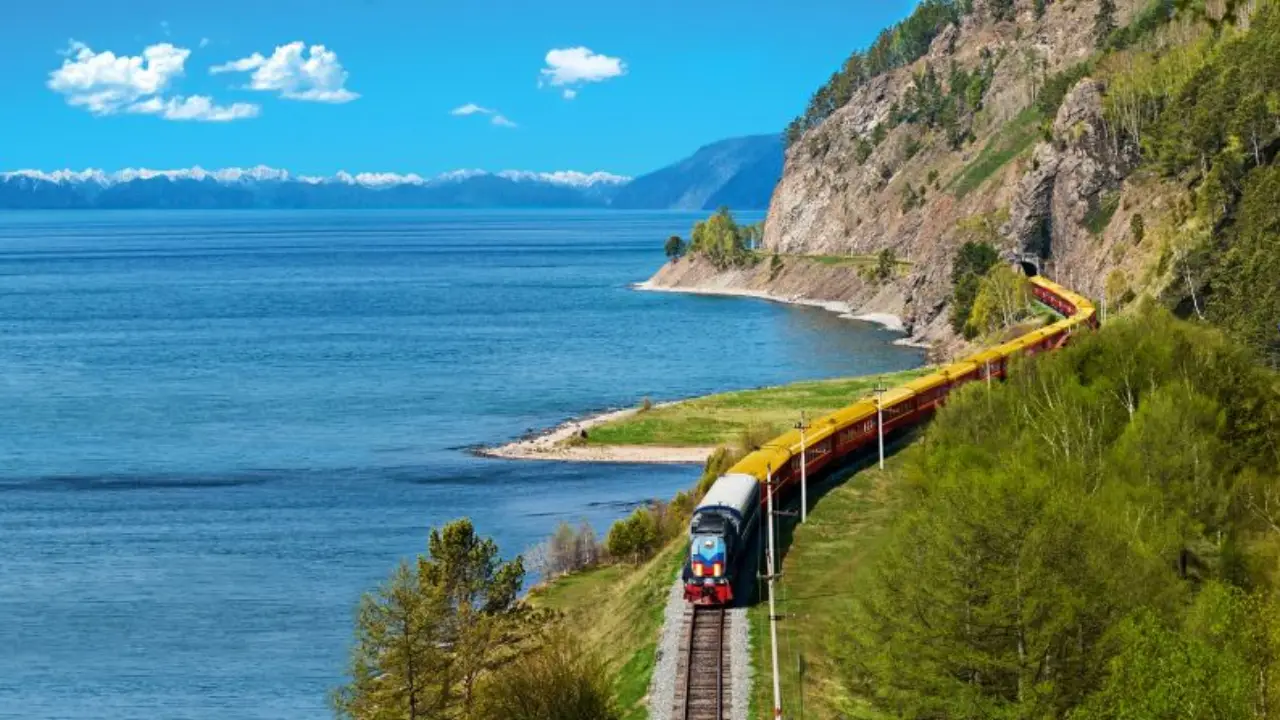
Siberia's Arctic Railway Reaches -50°C Extremes
The Arctic railway in Siberia, running 1,000 miles north from the Trans-Siberian to Novy Urengoy, operates in temperatures dropping to -50°C during winter. This is the world's most northerly active train line, crossing permafrost regions where normal trains would freeze solid.
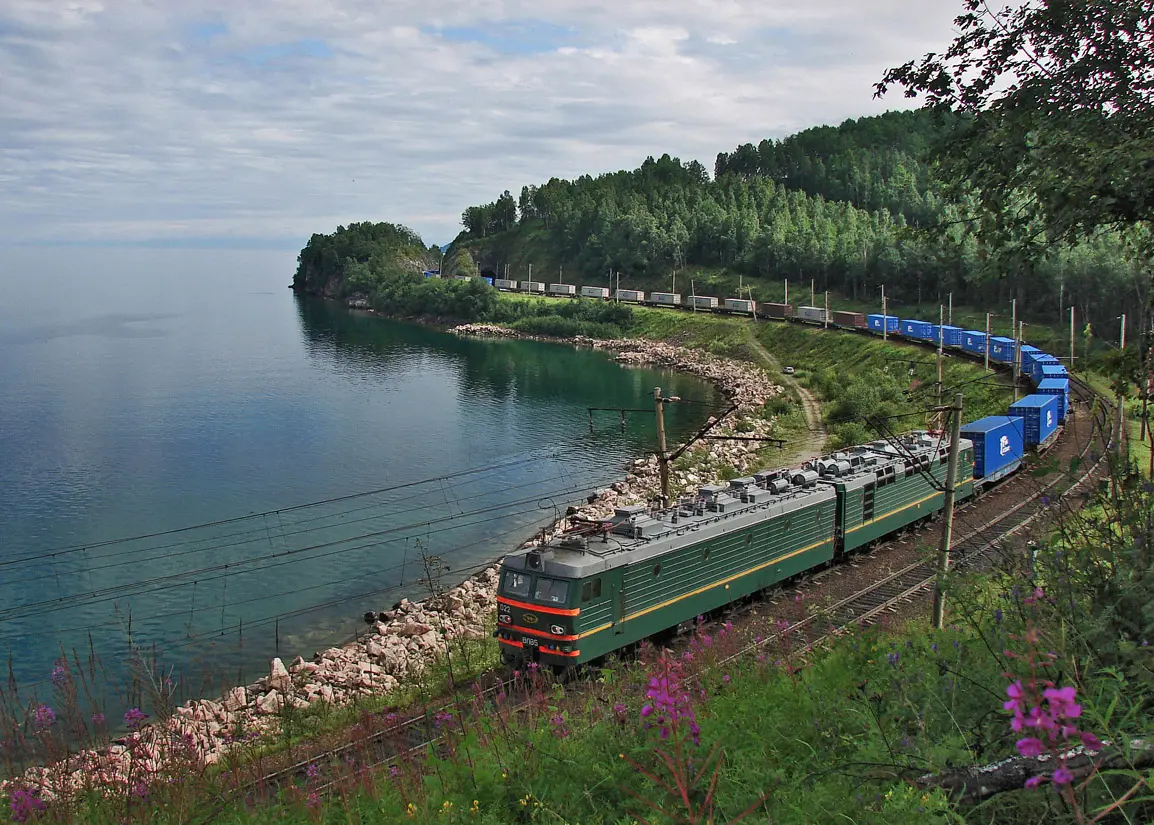
Permafrost Infrastructure - The Foundation Challenge
Railway embankments rest on permanently frozen ground that must remain stable. Ground thawing causes track deformations and buckling. Russian Railways monitors permafrost conditions continuously and uses special thermal foundations to prevent subsidence.
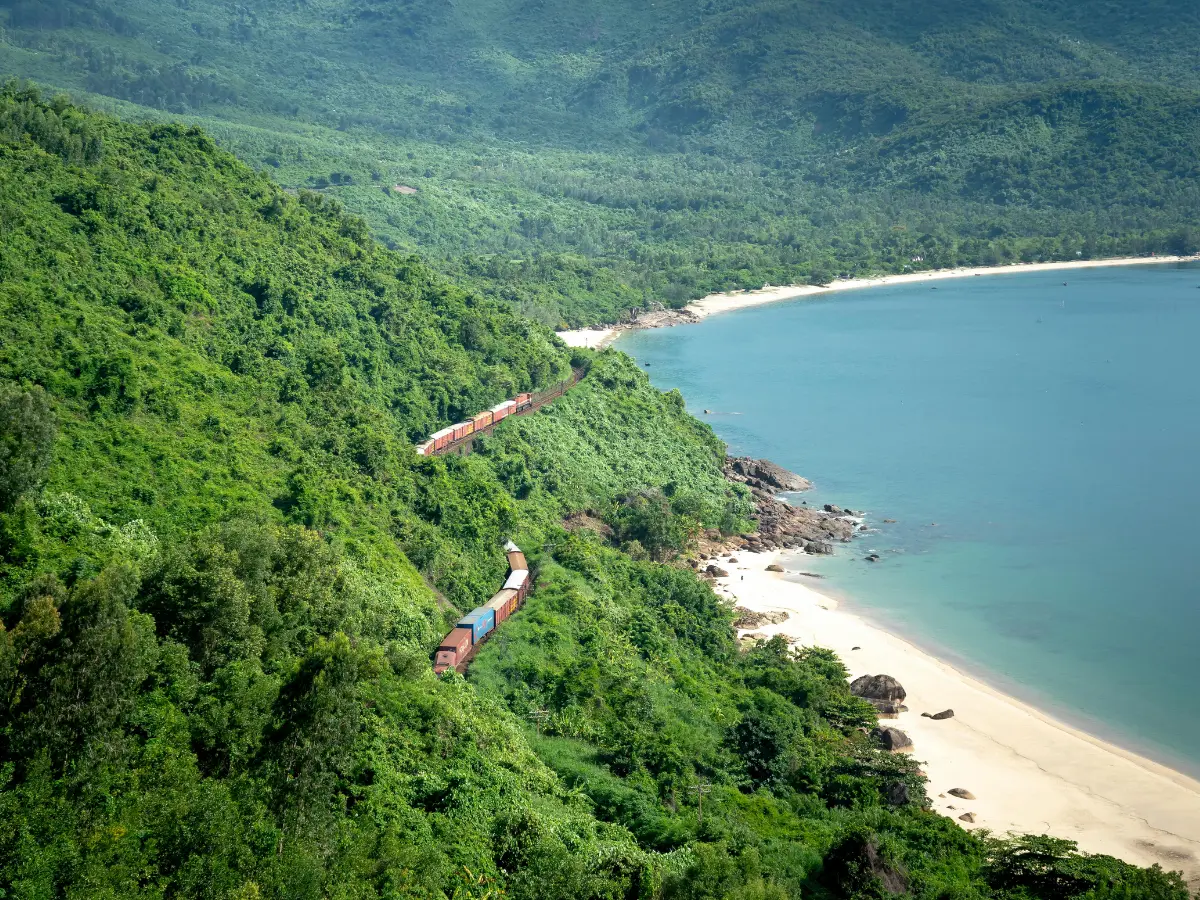
Heated Rails and Switching Systems
Frozen points (track junctions) lock solid at extreme cold. Russian Railways uses electric heating systems maintaining tracks at operational temperatures. Pneumatic compressors blow snow away without causing track cracking from thermal shock.
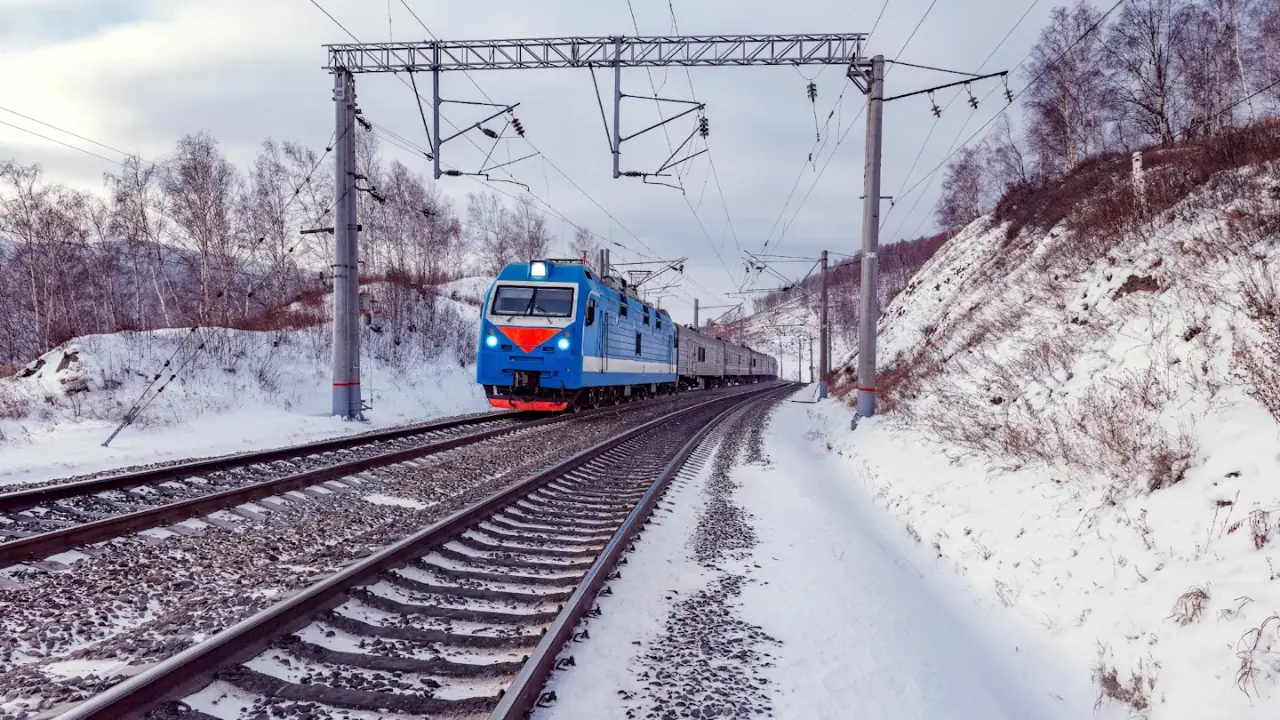
Special Cold-Weather Train Design
Arctic trains use specially formulated steel and reinforced materials that remain flexible at -50°C. Normal steel becomes brittle and fractures. Locomotives use enhanced diesel formulations with lower pour points that flow at extreme cold.
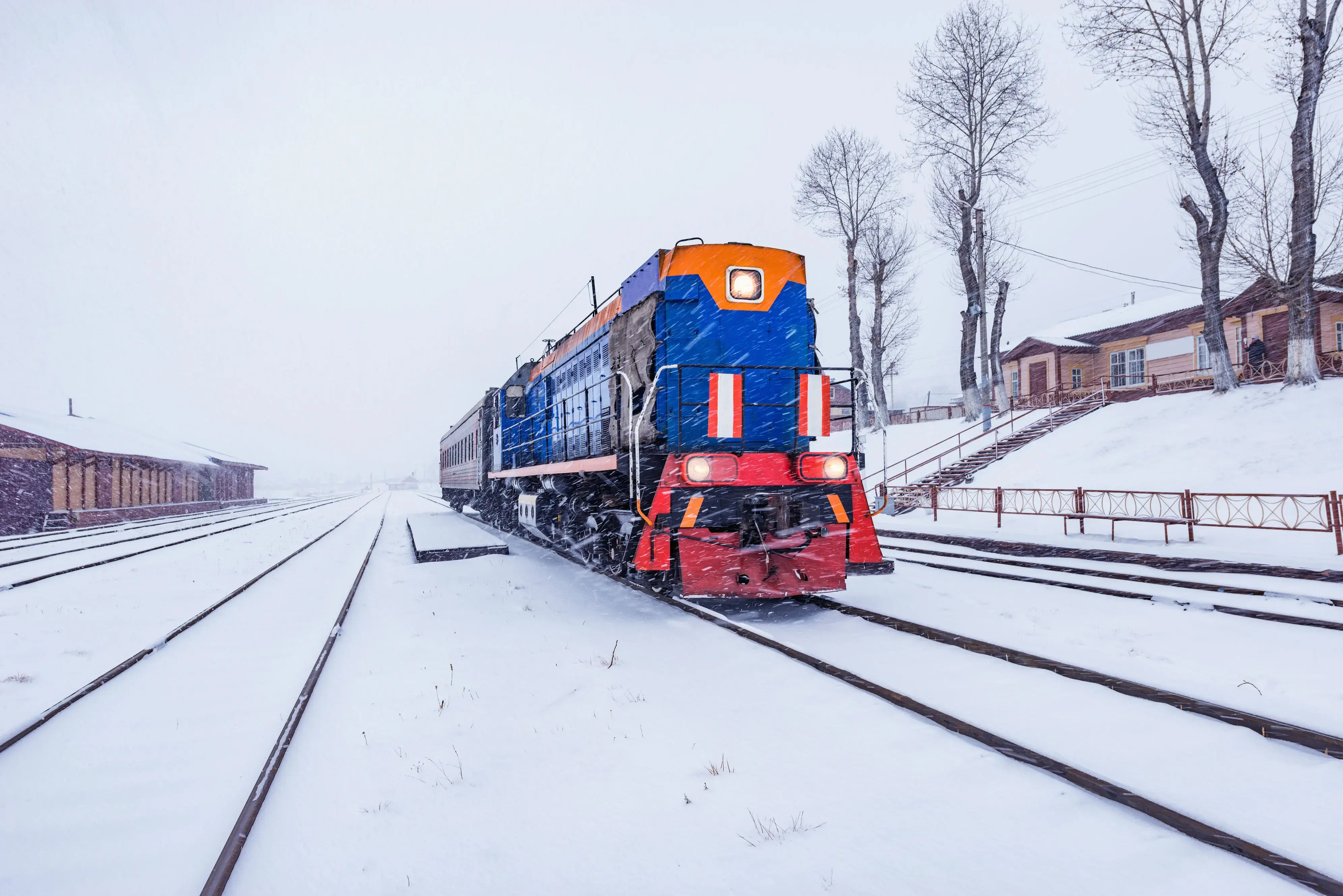
Shortened Train Configurations
When temperatures drop below -25°C, trains are shortened from standard 150-car configurations to 80-100 cars. This maintains consistent air pressure throughout and prevents coupling failures from material contraction.
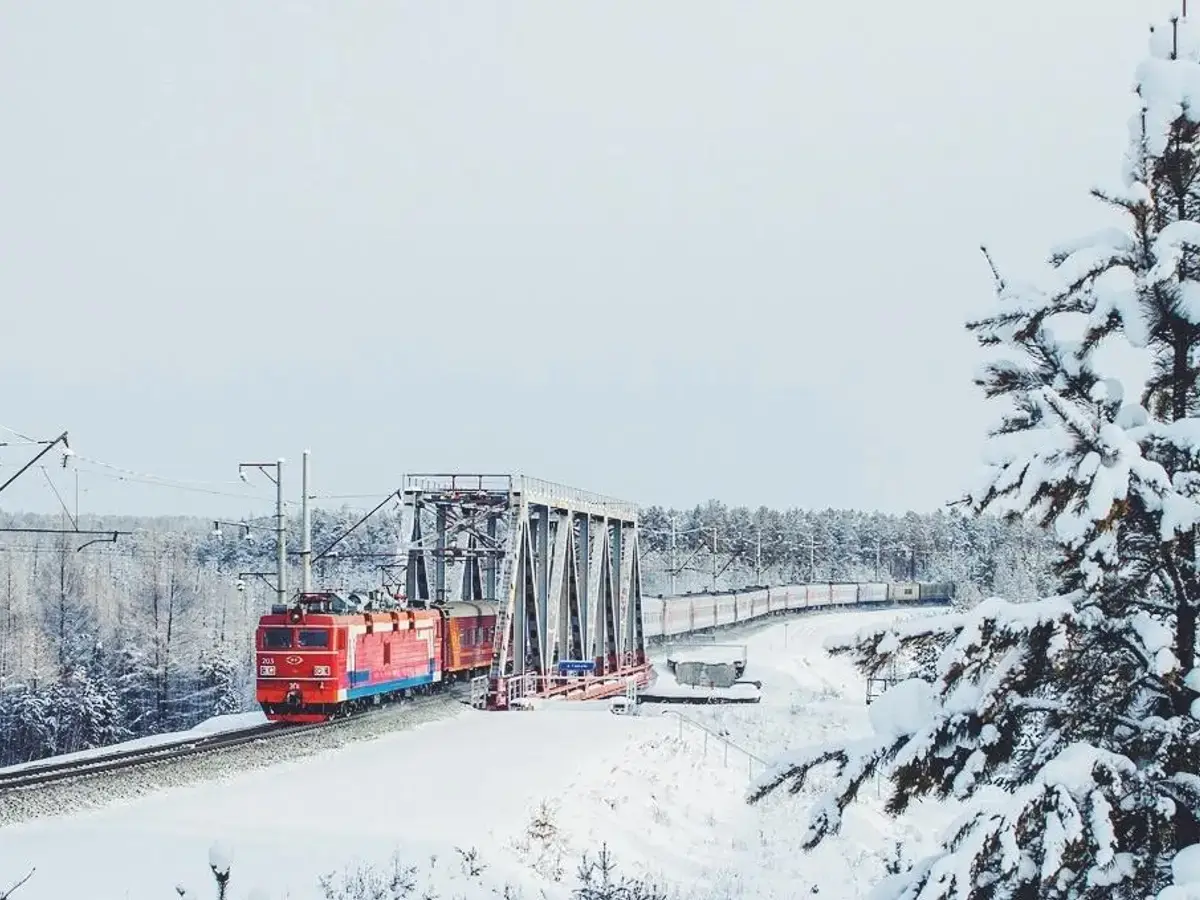
Heated Water Tanks and Toilet Systems
Trains use silicon heating pads maintaining water systems at operational temperature. Without this, water freezes instantly, pipes burst, and toilets become unusable. Self-regulating heated pipelines with auto-drain mechanisms prevent ice blockages.
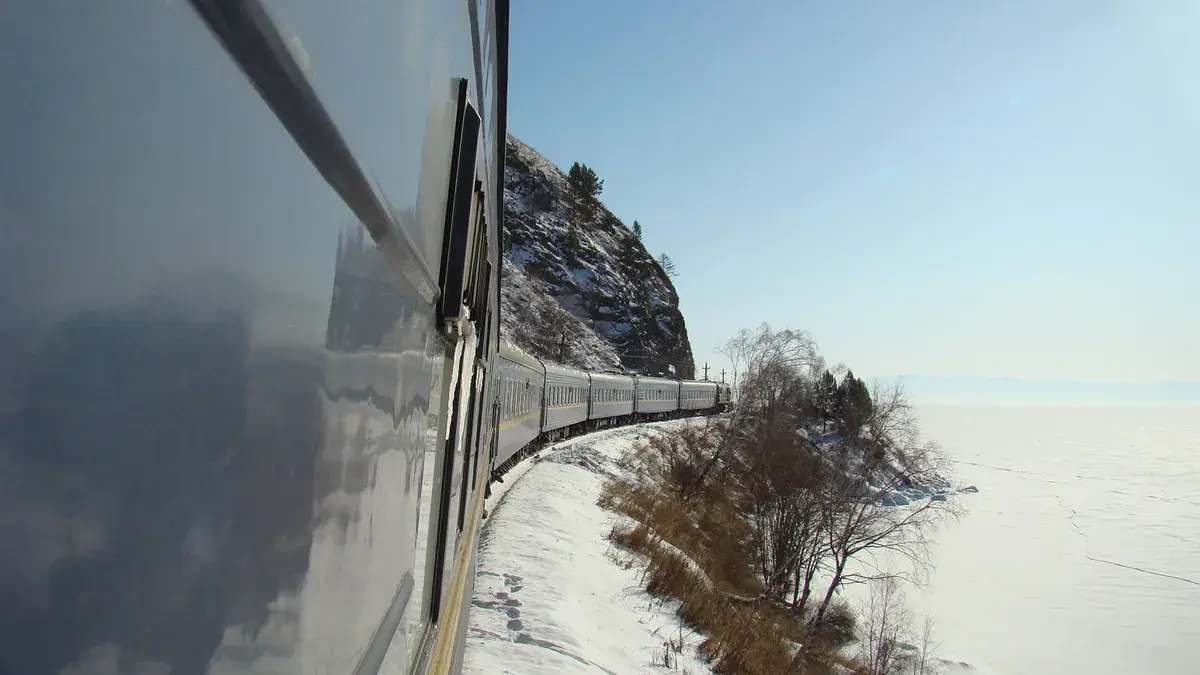
Overhead Power Line Ice Management
Vibrating pantographs on locomotives vibrate overhead lines, shedding ice buildup before it shorts circuits. Preventive heating systems melt forming ice, maintaining continuous electrical supply to trains in extreme conditions.
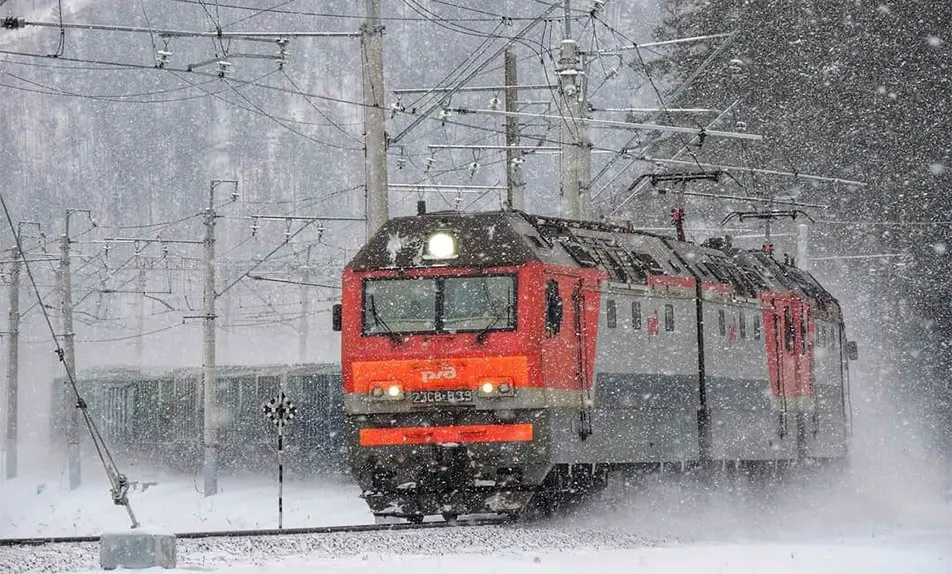
Dedicated Snowplough Networks
Snowplough trains operate continuously during winter months, removing accumulated snow that would disable locomotives. Special crews work in rotating shifts, with heating stations providing shelter for workers.
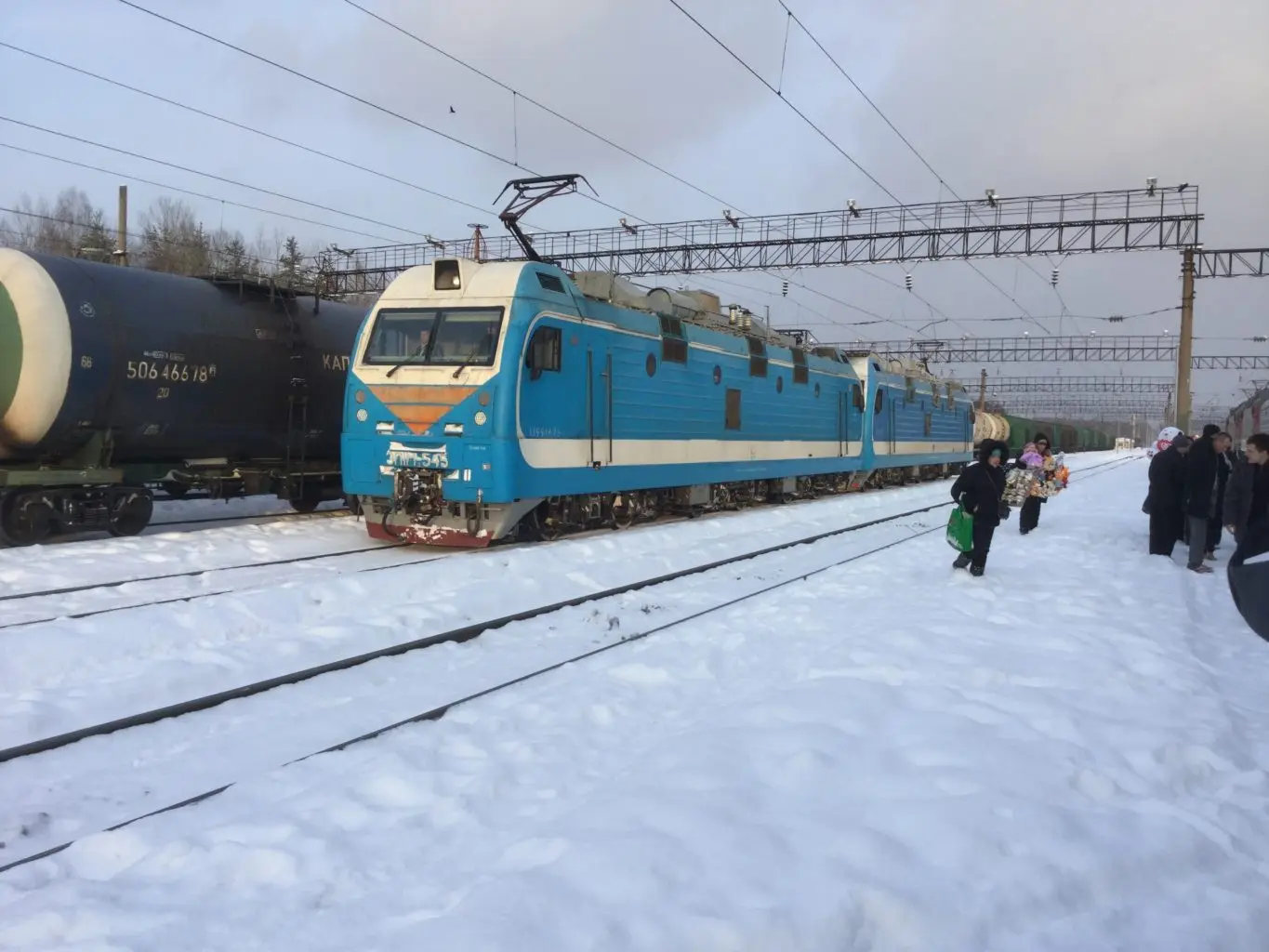
Thermal Monitoring and Real-Time Adjustment
Russian Railways conducts continuous meteorological observations and permafrost monitoring. Daily inspections assess snow layer stability and ground conditions. This data guides operational decisions in real-time.
Climate Change Threatens Future Operations
Permafrost thaw from warming temperatures accelerates track deformations and flooding. Russian Railways invests in advanced monitoring and mitigation strategies to maintain stability as permafrost degrades over time.
)
)
)
)
)