What makes the US Middle East base network powerful enough to attack Iran?

The US maintains a powerful 'Ring of Steel' around Iran with bases in Qatar, Bahrain, Kuwait, and the UAE. Supporting 50,000 troops, stealth fighters, and naval fleets, this network ensures rapid strike capability and robust missile defence across the Middle East.
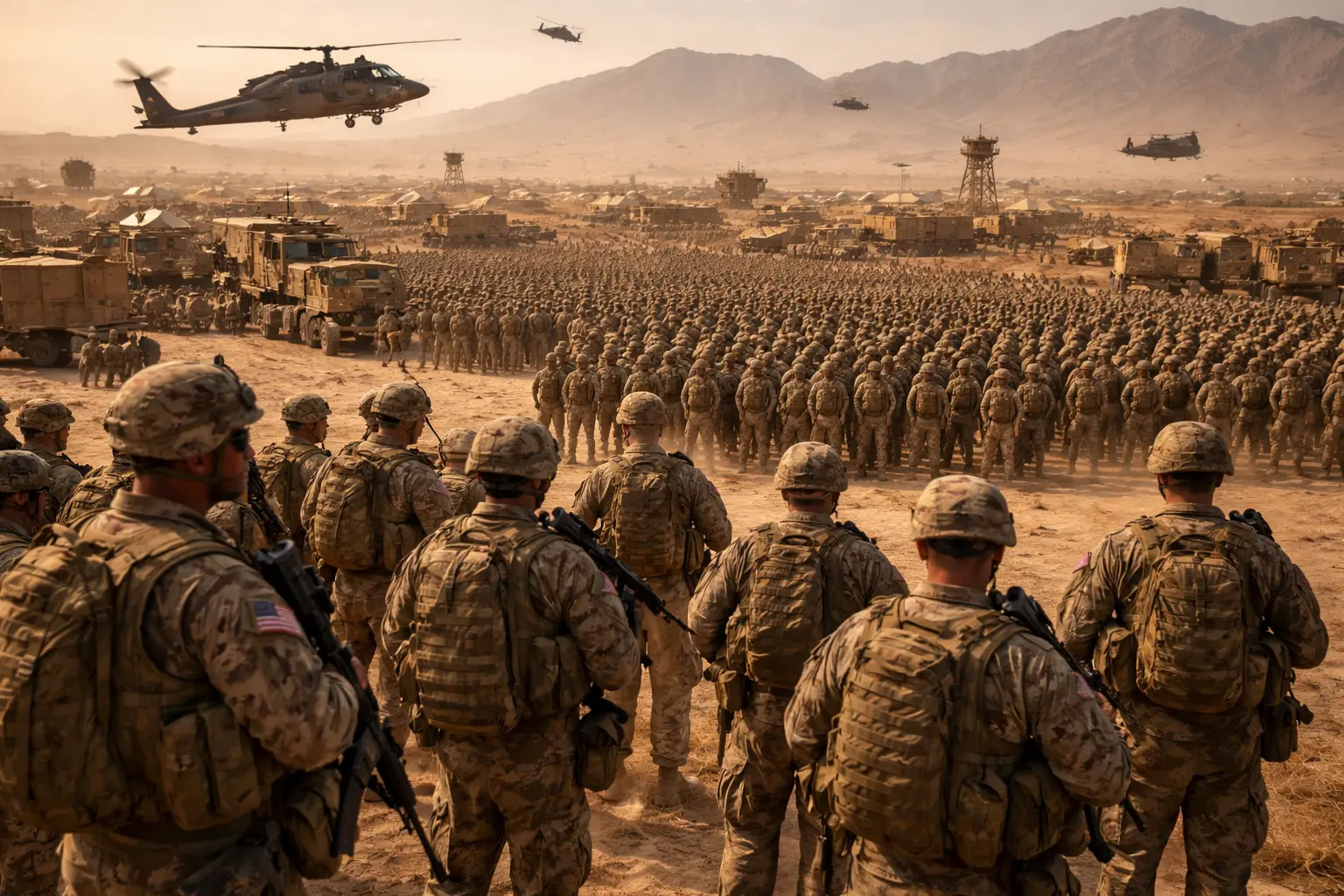
Strategic Encirclement
The US military operates from major bases in Qatar, Bahrain, Kuwait, and the UAE, effectively surrounding Iran with air and naval power. This network allows for simultaneous strikes from multiple directions, overwhelming enemy defences. The Pentagon positions these assets to ensure that any potential conflict can be managed without relying solely on reinforcements from the US mainland, maintaining a constant state of high readiness.
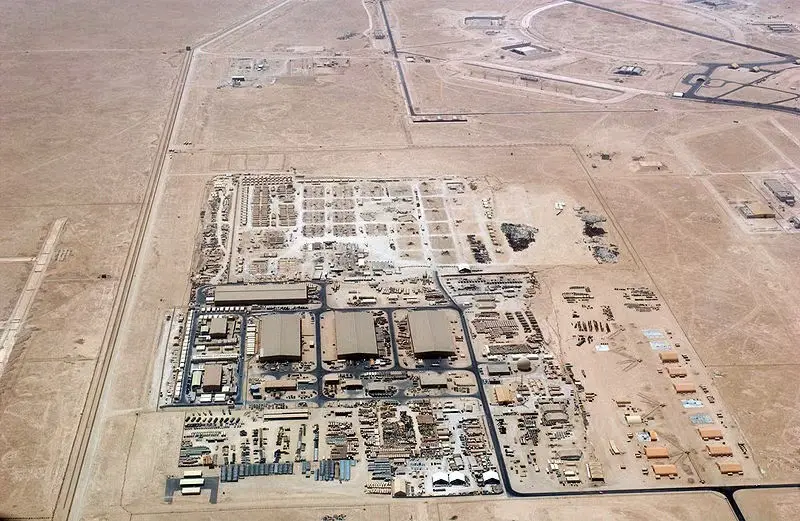
Al Udeid
Located in Qatar, Al Udeid Air Base hosts approximately 8,000 to 10,000 US troops and the Combined Air Operations Centre (CAOC). This facility acts as the brain for US Central Command's air campaigns, overseeing everything from drone surveillance to heavy bomber missions. It also features one of the longest runways in the region, capable of accommodating massive cargo planes and strategic bombers like the B-52 Stratofortress.
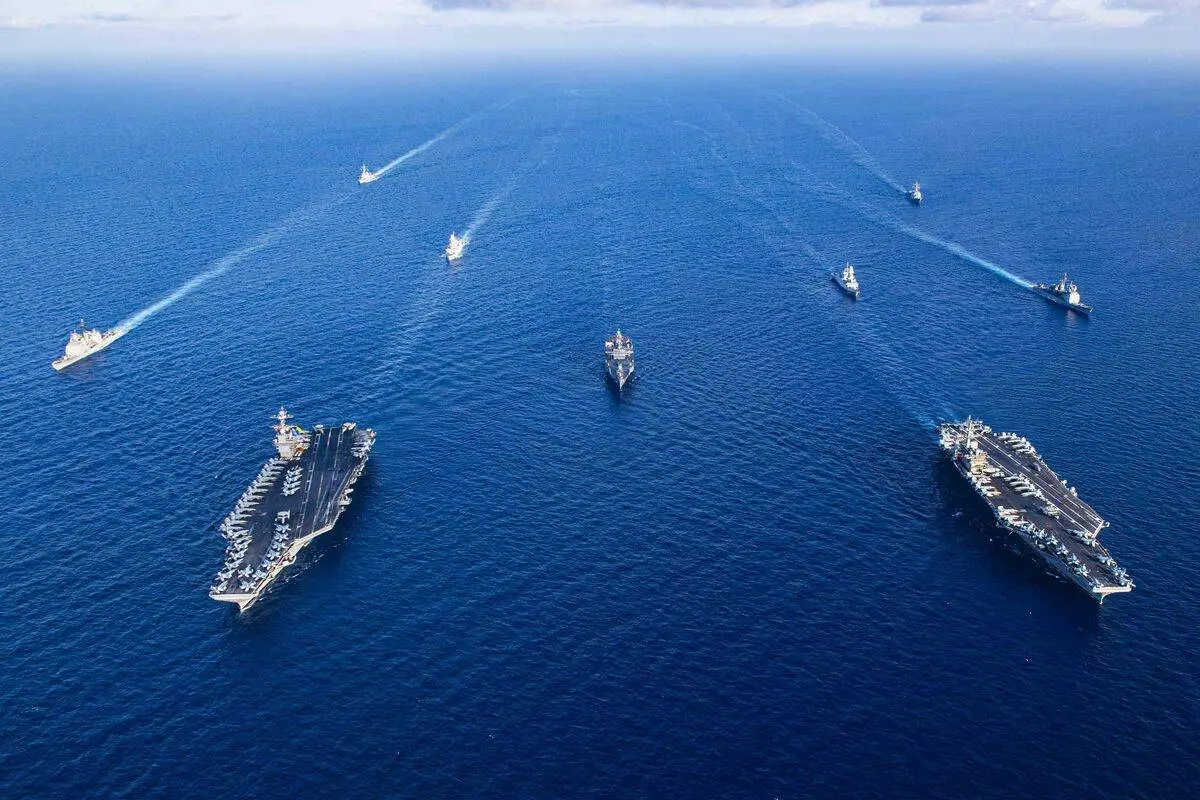
Fifth Fleet
Based in Bahrain, the US Fifth Fleet patrols the Persian Gulf, Red Sea, and Strait of Hormuz with a robust flotilla of destroyers and mine-sweepers. Hosting over 9,000 personnel, this naval command ensures the free flow of oil while providing a mobile launchpad for Tomahawk land-attack missiles. Their continuous presence directly counters Iranian small-boat swarms and secures critical maritime chokepoints against mining or blockade attempts.
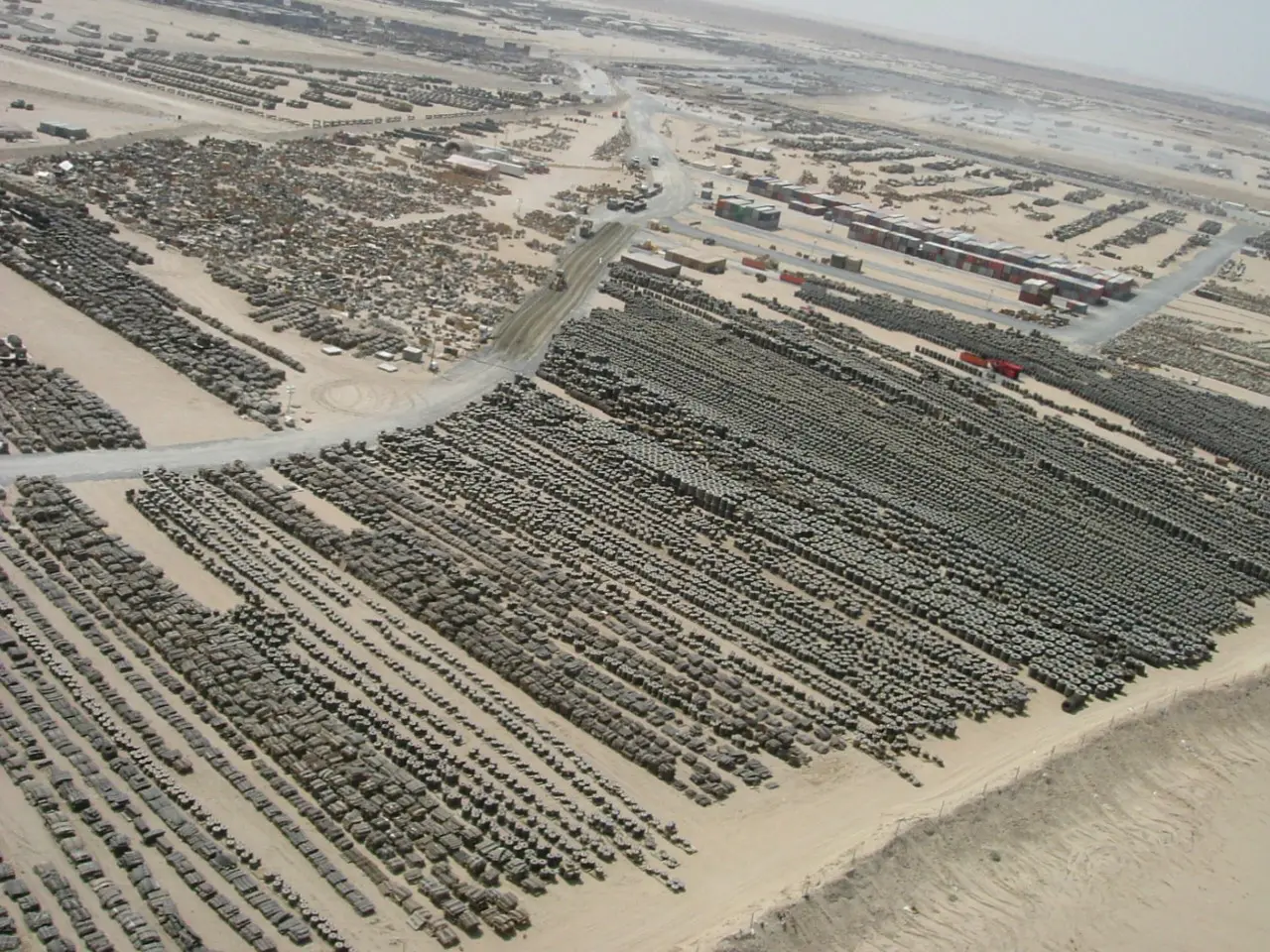
Camp Arifjan
Kuwait hosts approximately 13,500 US personnel, the largest concentration of ground forces in the region, primarily at Camp Arifjan. This base serves as the essential logistics spine, storing pre-positioned heavy armour, tanks, and combat vehicles ready for rapid deployment. It allows the US Army to mobilize thousands of combat-ready troops towards the Iranian border or into Iraq within days rather than weeks.
Al Dhafra
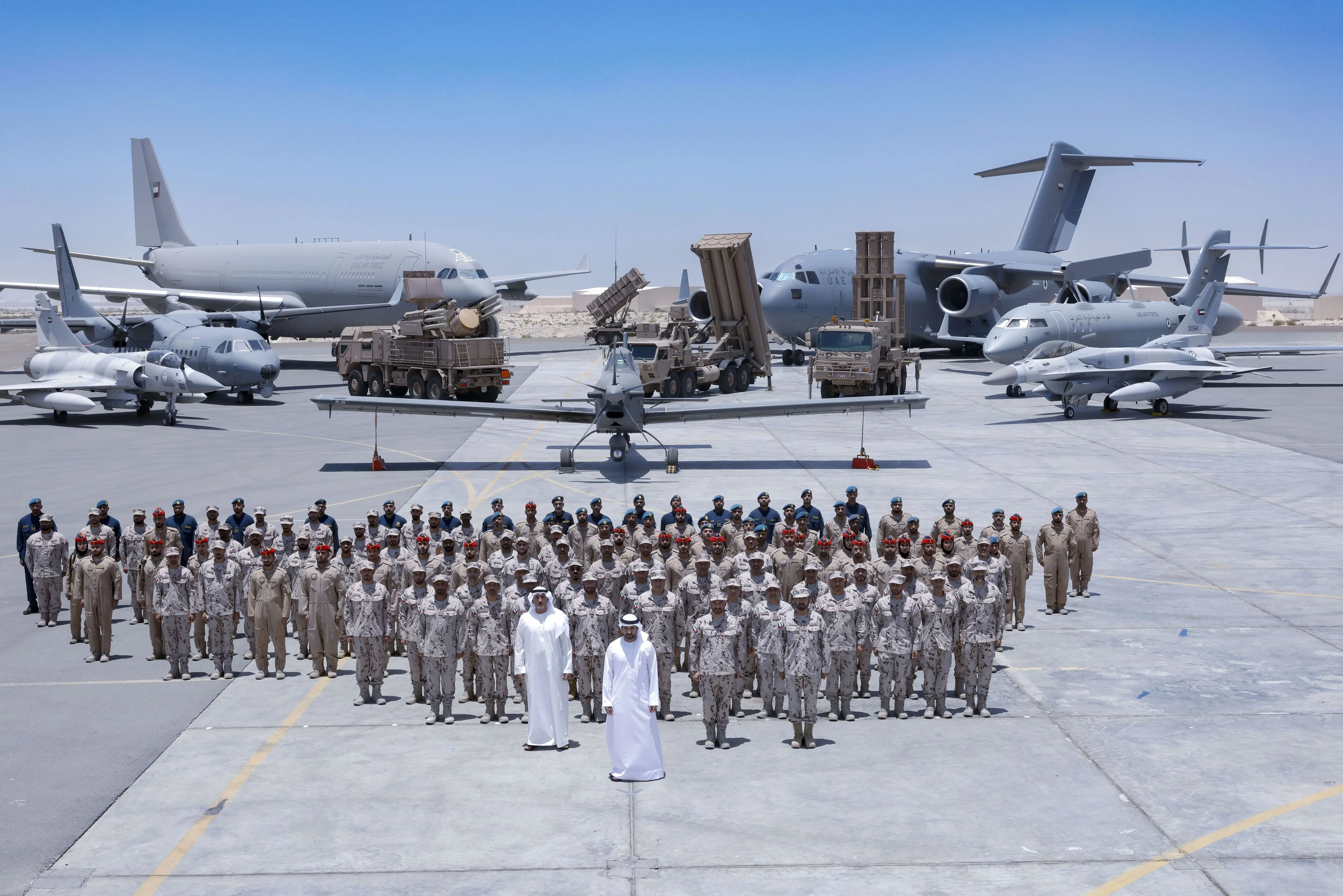
The Al Dhafra Air Base in the UAE is a premier launchpad for American air superiority, hosting about 3,500 US troops. It is one of the few overseas locations that regularly supports F-35 Lightning II and F-22 Raptor stealth fighters, which are critical for penetrating advanced radar systems. These fifth-generation jets give the US the ability to strike high-value targets inside Iran while remaining virtually invisible to enemy air defences.
Jordan
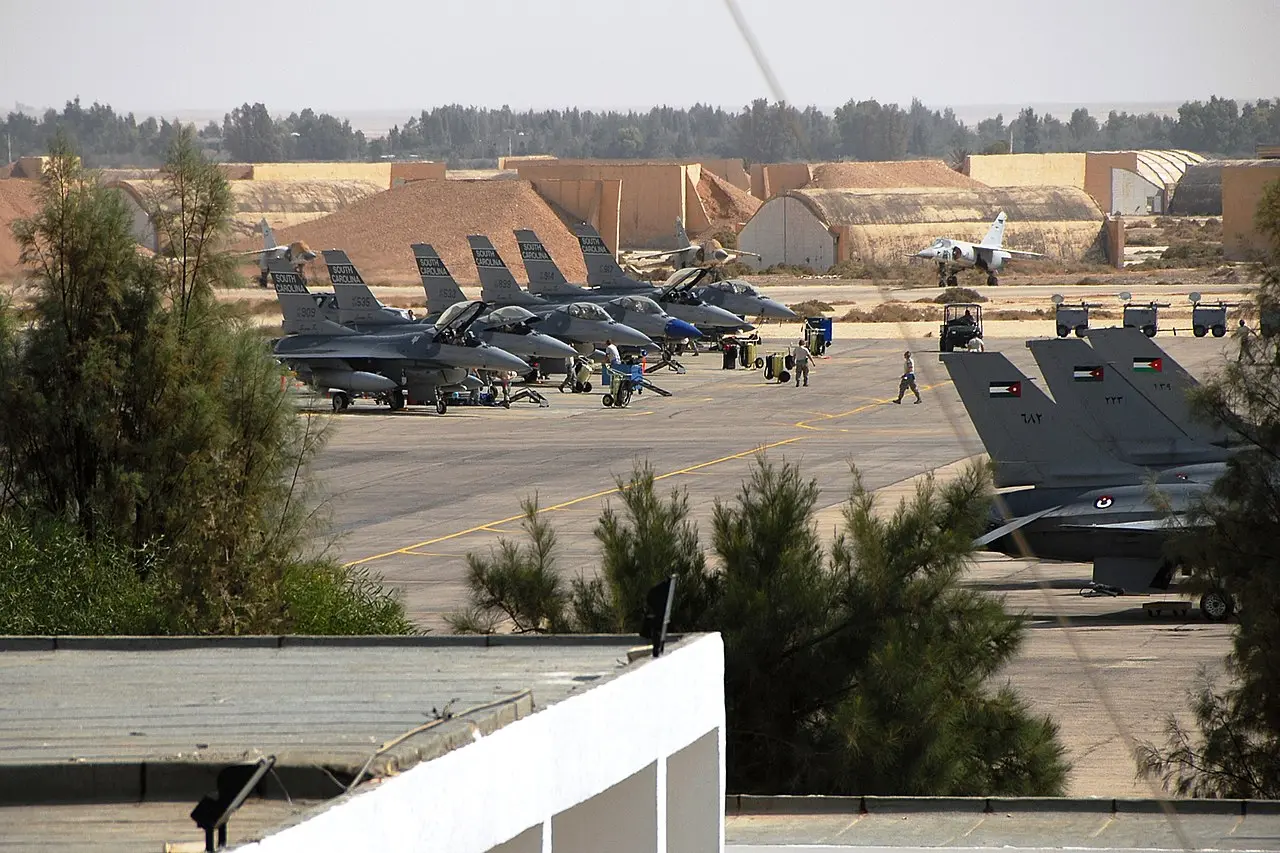
While often less publicised, Jordan's Muwaffaq Salti Air Base has become a critical hub for US strike aircraft and drones. Hosting a significant portion of the 3,000 US troops in the country, it supports F-15E Strike Eagles that can carry heavy ordnance loads for deep-strike missions. The base's strategic location allows US jets to operate efficiently over Syria and Iraq, maintaining pressure on Iranian-backed militia networks.
Prince Sultan Air Base
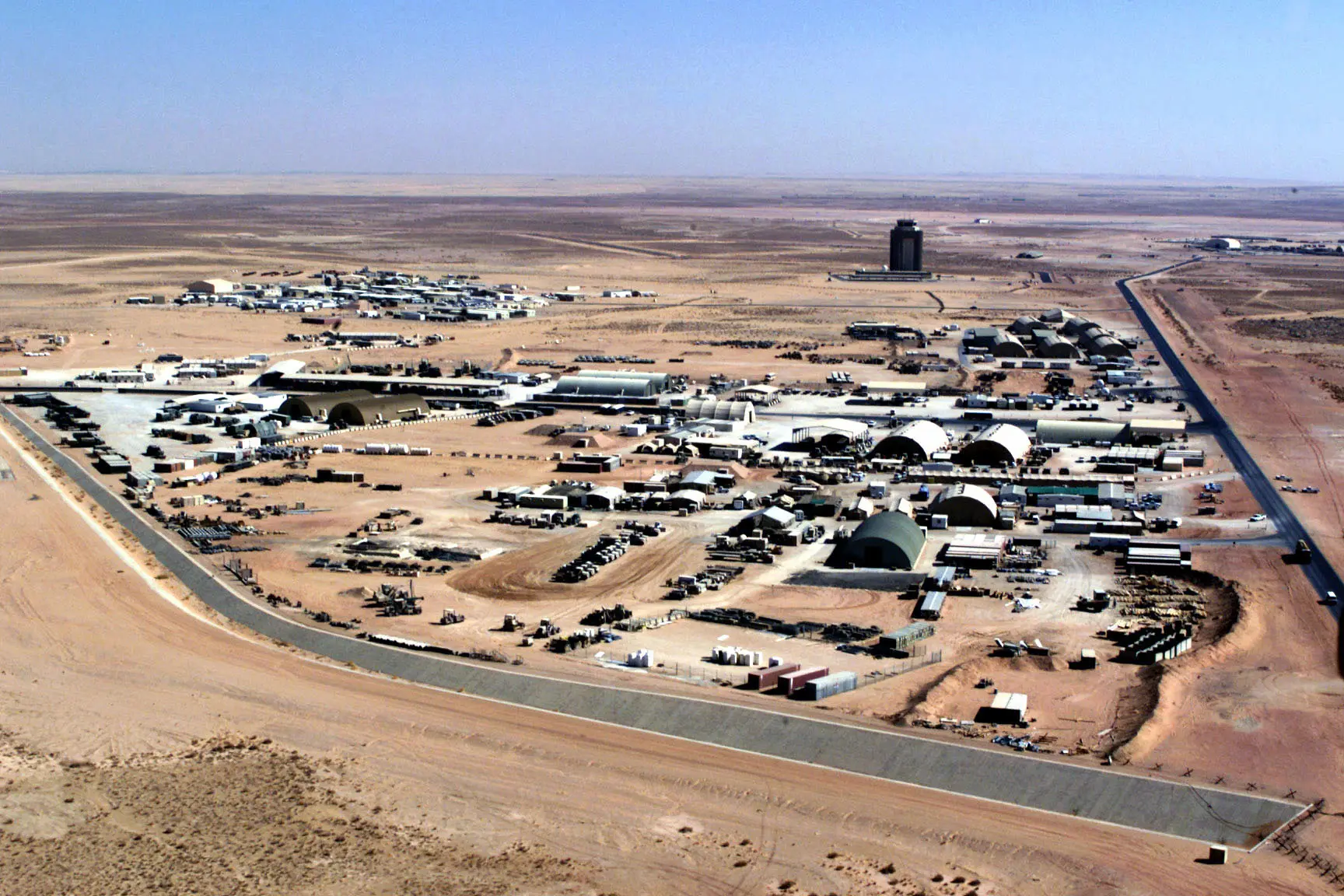
In Saudi Arabia, the Prince Sultan Air Base (PSAB) has returned to prominence as a key node for US missile defence. With roughly 2,500 troops, the base hosts Patriot and THAAD missile batteries designed to intercept incoming ballistic threats from Iran. It also provides an alternative airfield for fighter squadrons, adding depth to the US basing network and complicating Iranian targeting calculations.
Al Tanf
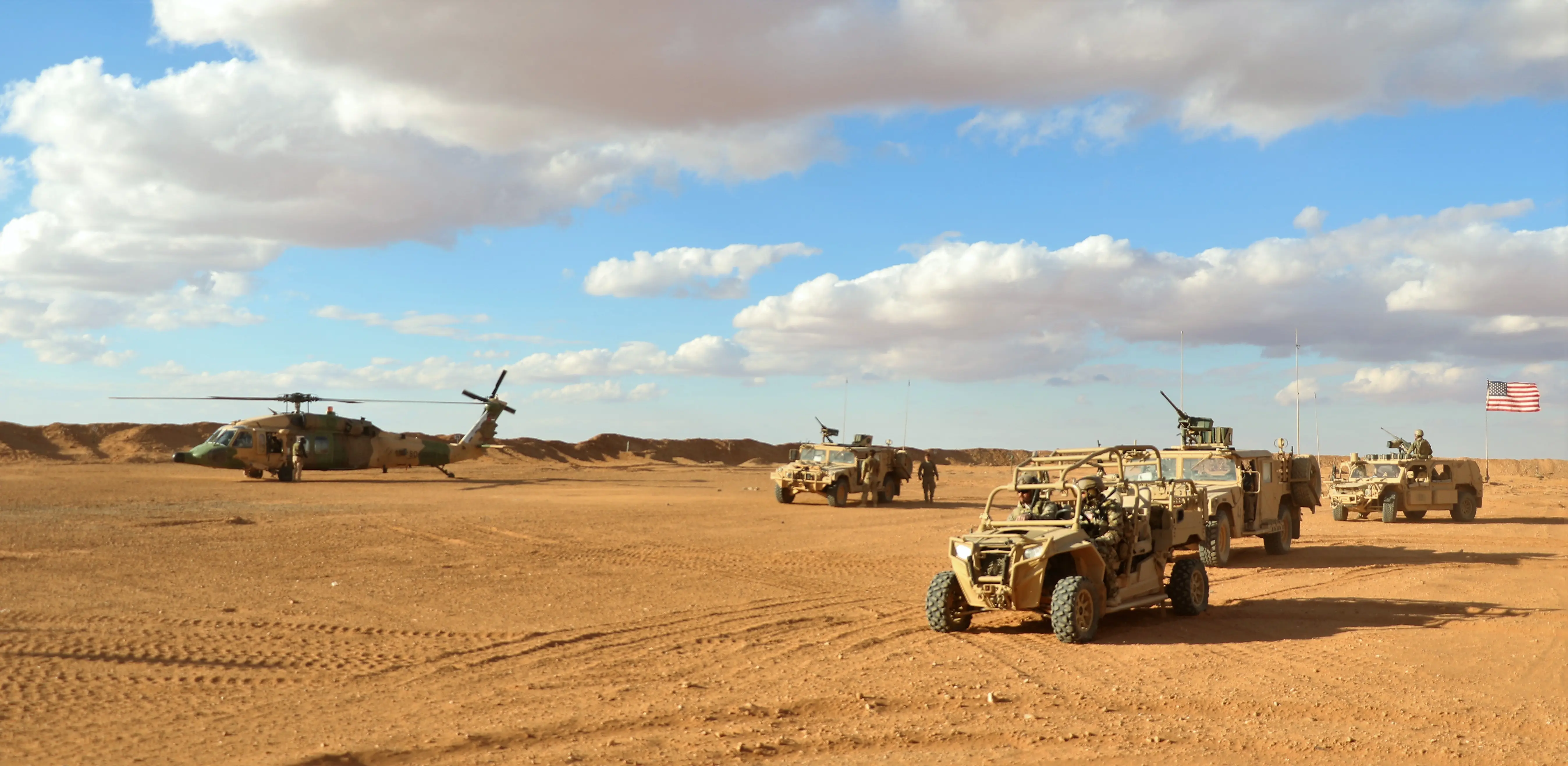
The Al Tanf garrison in southern Syria, though small with roughly 200 troops, sits on a vital strategic highway. Its presence effectively blocks a direct land corridor for Iranian weapons shipments moving through Iraq into Syria and Lebanon. Despite frequent drone harassment by pro-Iranian militias, US forces maintain this outpost to disrupt the supply lines of the 'Axis of Resistance'.

Heavy Bomber Rotations
The US Air Force frequently rotates B-52 Stratofortress and B-1 Lancer bombers into the region or the nearby Indian Ocean base of Diego Garcia. These long-range strategic bombers can launch massive cruise missile salvos from outside Iranian airspace. Their deployments are often used as a show of force, signalling the US capability to deliver devastating firepower against hardened nuclear or military sites.
ISR Fleet
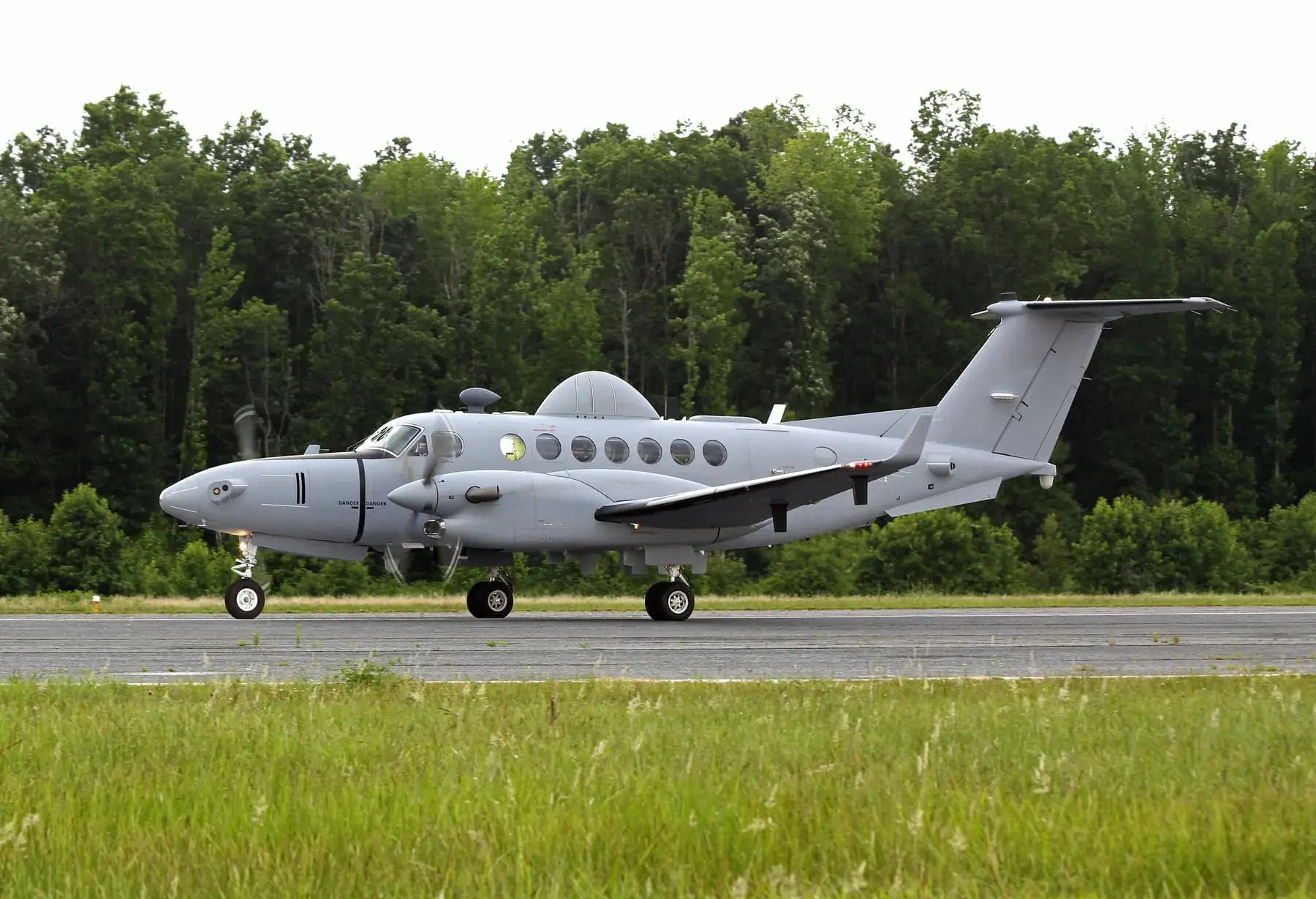
A fleet of MQ-9 Reaper drones and reconnaissance aircraft operates from various regional airfields to maintain 24/7 surveillance. These platforms provide real-time intelligence on Iranian troop movements, missile launch sites, and naval activities. This persistent 'eye in the sky' ensures that US commanders have immediate situational awareness, enabling precise targeting for any potential offensive or defensive strikes.
)
)
)
)
)