What makes Tejas Mk the lightest supersonic fighter jet flying today?

After years of design studies and prototype testing, the first Tejas took its maiden flight in January 2001, eventually entering service with the Indian Air Force in 2016.
A project born in the 1980s
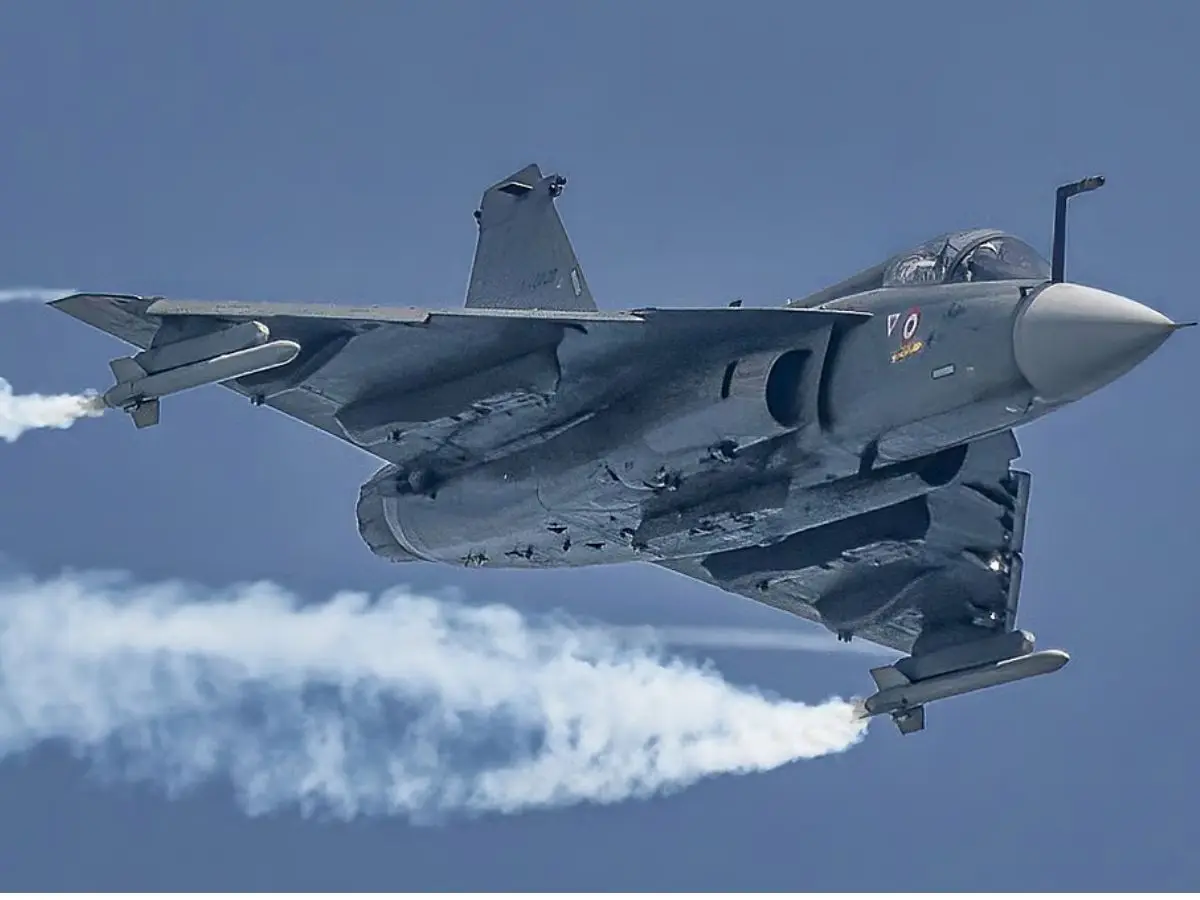
The story of the Tejas Mk series began in 1983, when India launched the Light Combat Aircraft (LCA) programme to replace its ageing MiG-21 fleet. Tasked to Hindustan Aeronautics Limited (HAL) and overseen by the Aeronautical Development Agency (ADA), the goal was ambitious: design and build an entirely indigenous fourth-generation fighter that would be both light and supersonic. After years of design studies and prototype testing, the first Tejas took its maiden flight in January 2001, eventually entering service with the Indian Air Force in 2016. Remarkably, the Tejas Mk would go on to become the lightest operational supersonic fighter, and in this piece, we explore how clever engineering, materials and design choices made that possible.
Designed for agility and speed
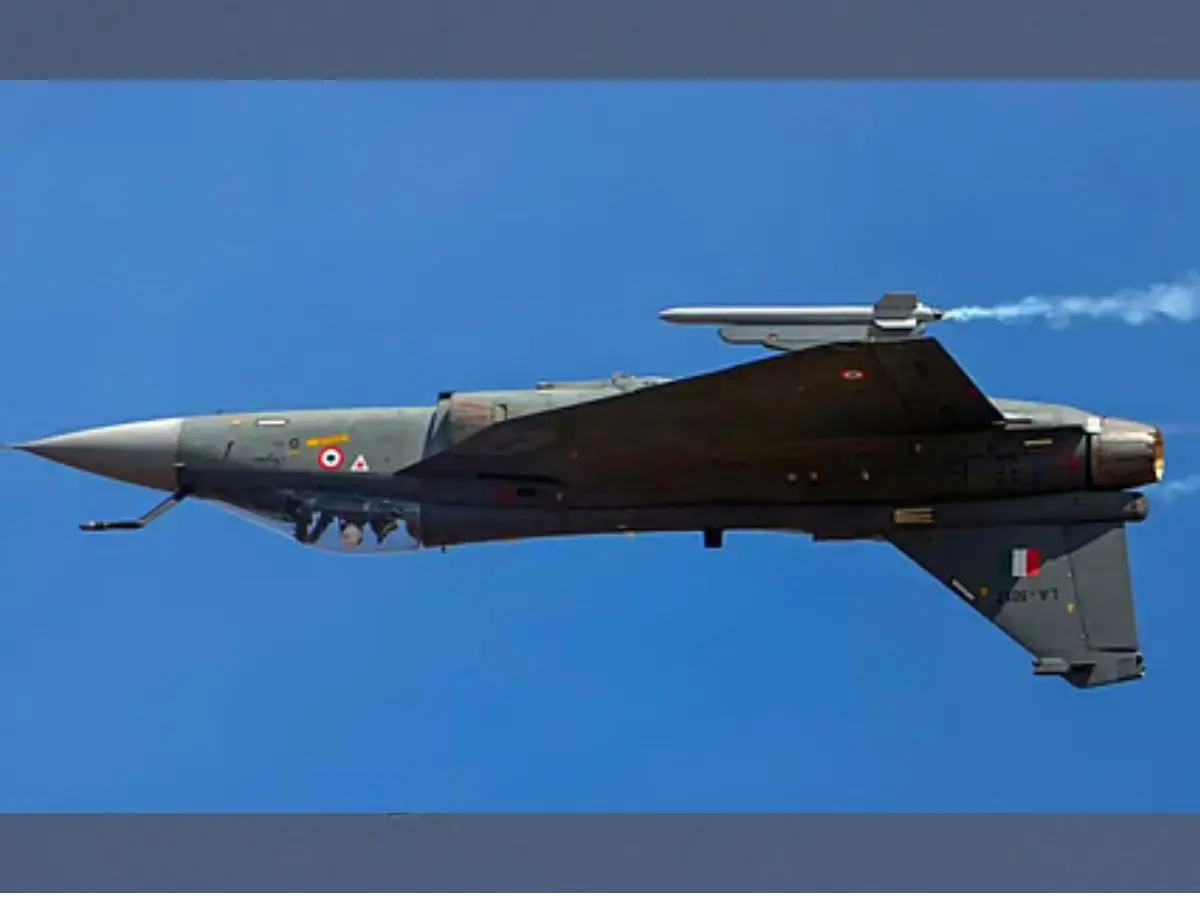
The Tejas Mk was engineered around a lightweight, single-engine, delta wing configuration that prioritises manoeuvrability and speed. It can reach speeds of up to Mach 1.8 (around 2,200 km/h), making it a fully supersonic multirole fighter. Its maximum take-off weight is about 13,500 kg, but what stands out most is its empty weight: roughly 6,500 kg, making it the world's lightest operational supersonic fighter in service today.
Why lighter can be better?
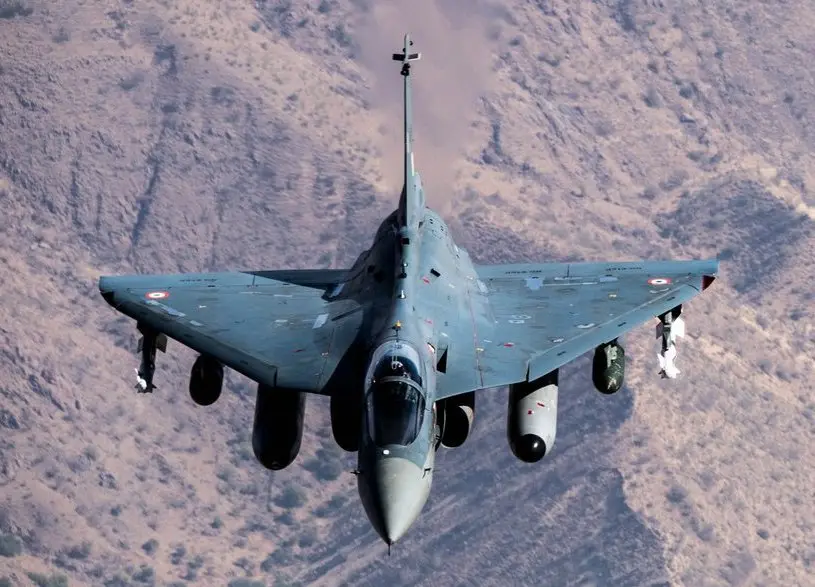
A lighter airframe allows for rapid acceleration, tighter turns and lower operating costs, crucial for a frontline fighter often tasked with interception, ground attack, and air patrol. The Tejas Mk’s compact design also makes it suitable for aircraft carrier operations, as seen with the naval variant undergoing tests on India’s carriers. Despite its modest size, the aircraft integrates advanced avionics, a modern glass cockpit and a digital fly-by-wire system, which together make it highly controllable and combat ready.
An indigenous achievement
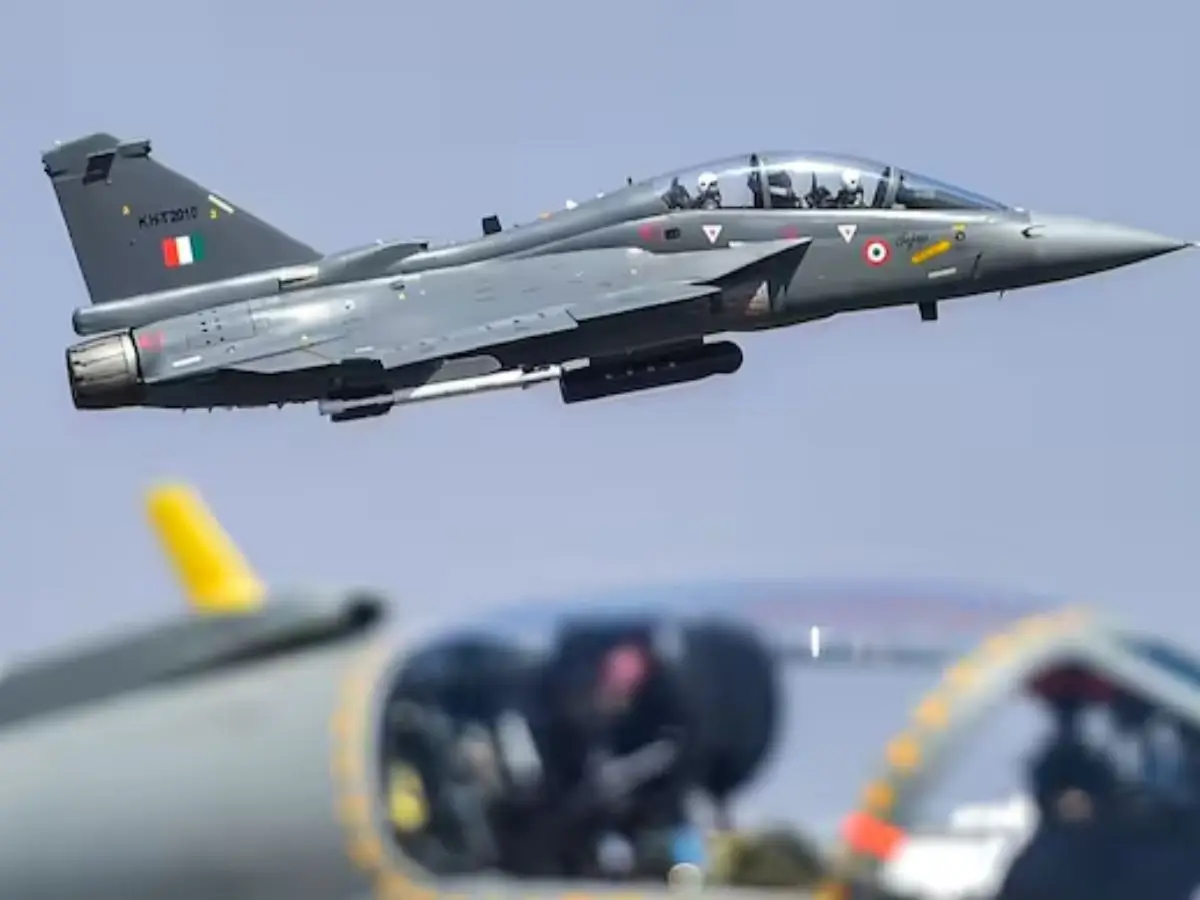
More than 60 per cent of the Tejas Mk is indigenously designed and built, including its composite airframe, avionics suite, and flight control systems. While the current variants still use the American GE F404 engine, later versions aim to include even greater indigenous content. The name 'Tejas', meaning 'radiant' or 'brilliant' in Sanskrit, was officially adopted in 2003, reflecting India’s pride in producing its own fourth-generation fighter.
The power of composites and clever design
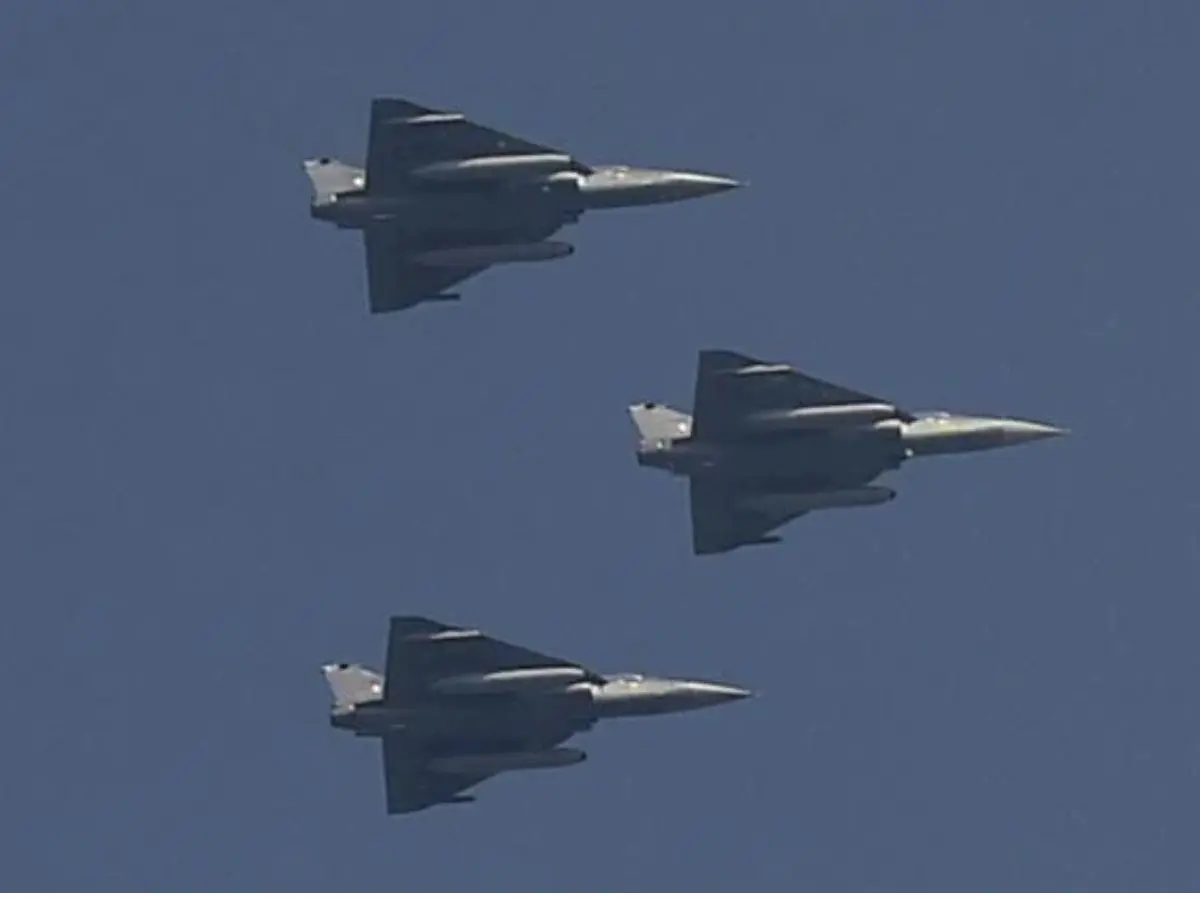
One of the main reasons the Tejas Mk holds the title of the world’s lightest supersonic fighter is its extensive use of carbon fibre composite materials. Over 90 per cent of its surface area, including the wings and fuselage panels, is crafted from advanced composites rather than heavier aluminium alloys. This choice cuts overall weight by about 30 per cent, while also boosting structural strength and resistance to fatigue and corrosion. The tailless delta wing layout not only reduces weight further by eliminating the need for horizontal stabilisers, but also enhances agility. Thanks to this carefully optimised internal structure, the Tejas combines strength with flexibility and has proven capable of short take-offs and landings, a vital advantage when operating from forward air bases or aircraft carriers.
How it compares to other light fighters?
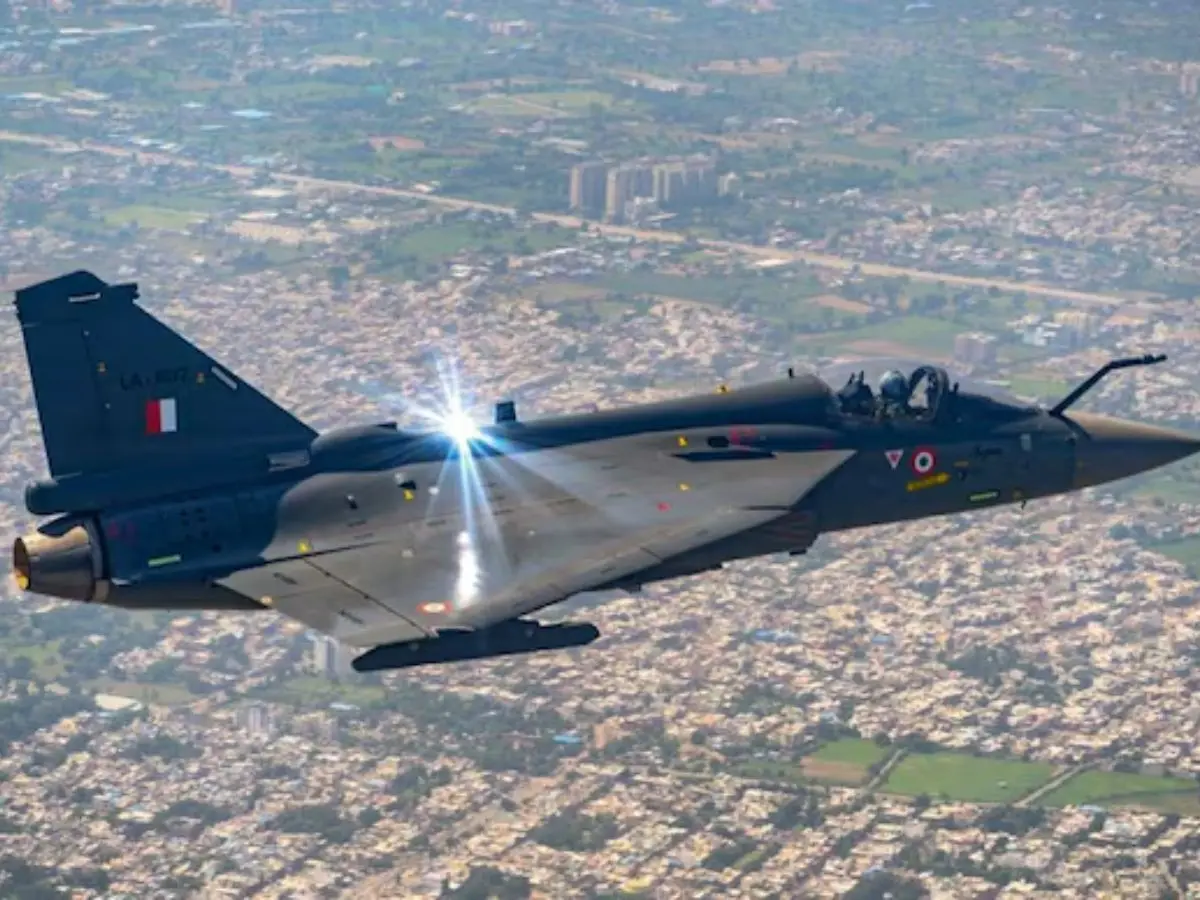
Globally, few modern jets come close in weight. The Swedish Saab Gripen, another single-engine multirole fighter, has an empty weight of around 6,800 kg, slightly heavier than the Tejas. Older light fighters, like the Northrop F-5, also approached this category but lacked the advanced avionics and digital systems found in the Tejas Mk.
More than just a light jet
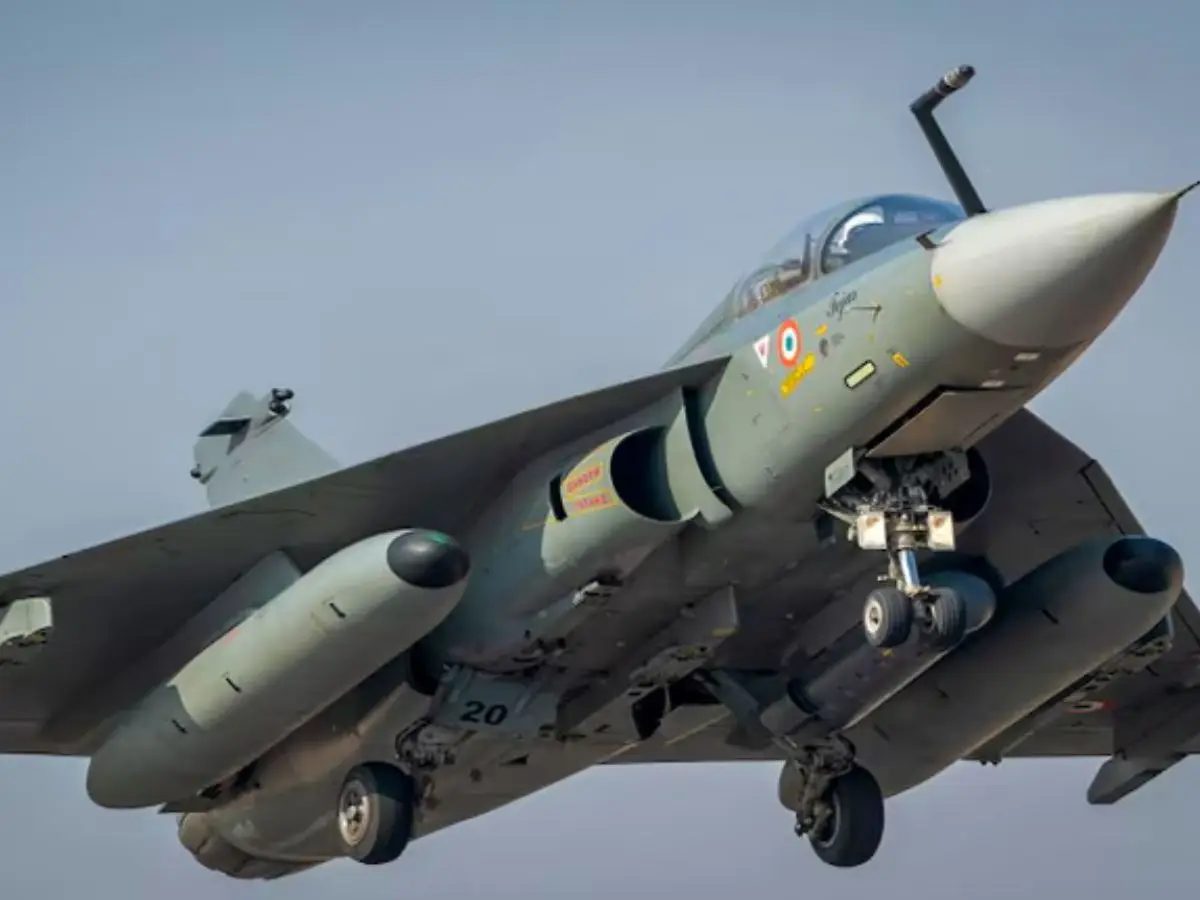
The Tejas Mk proves that 'light' doesn’t mean limited. Its supersonic speed, modern electronics and indigenous design make it a formidable asset in India’s defence fleet. As future variants bring further upgrades and higher local content, the world’s lightest supersonic fighter continues to evolve, showing how careful design can produce a compact yet capable jet ready for modern air combat.
)
)
)
)
)