What makes S-500 defence system different from S-400 that India already operates?

India already uses multiple systems that cover different altitude bands. The S 400 protects the lower and mid altitude layers while the S 500 would add the topmost layer meant for space edge and hypersonic threats. Together they provide a complete shield.
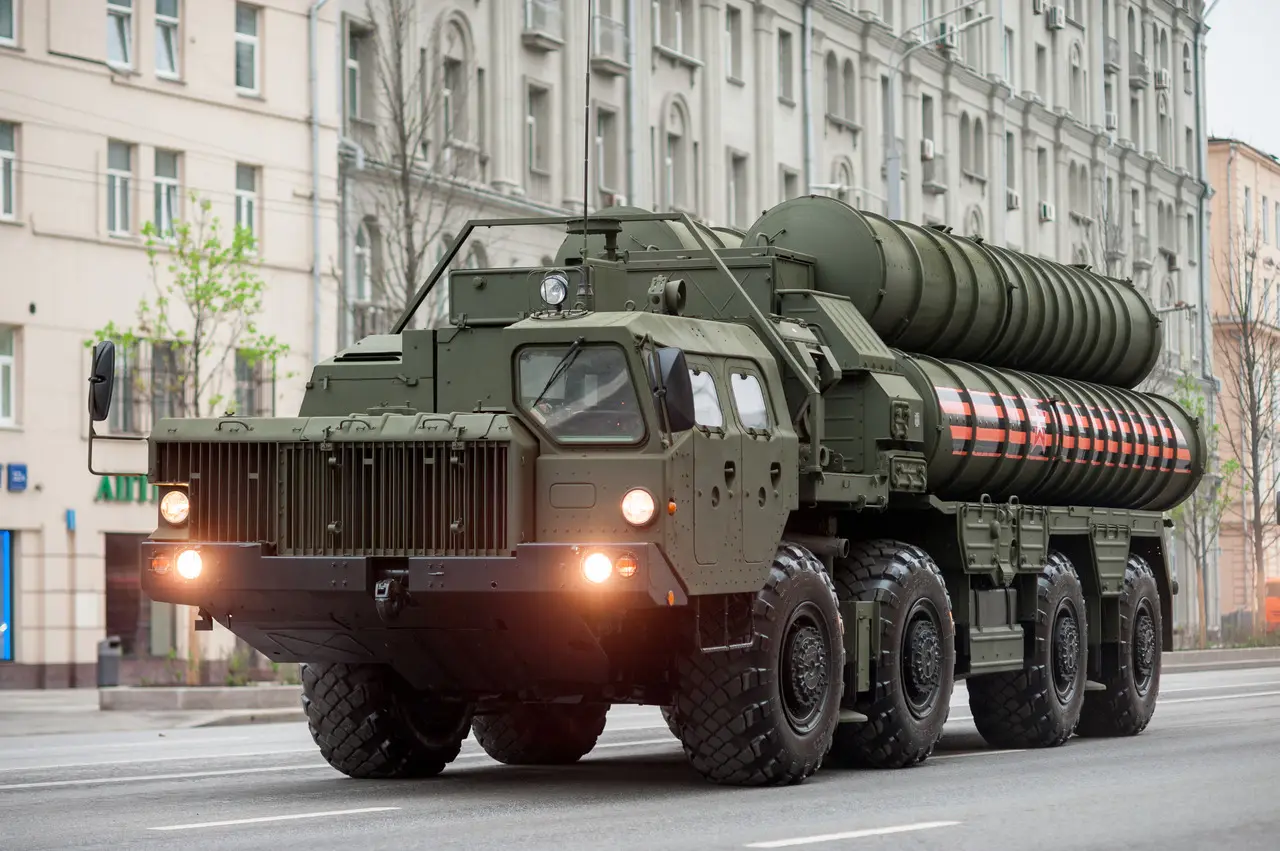
1. S 500 can target threats in near space while the S 400 cannot
The S 500 is designed to intercept ballistic missiles, hypersonic weapons and even low orbit objects at altitudes up to around 200 kilometers. The S 400 covers only the lower atmosphere. This makes the S 500 a higher tier system that protects airspace plus the edge of space.
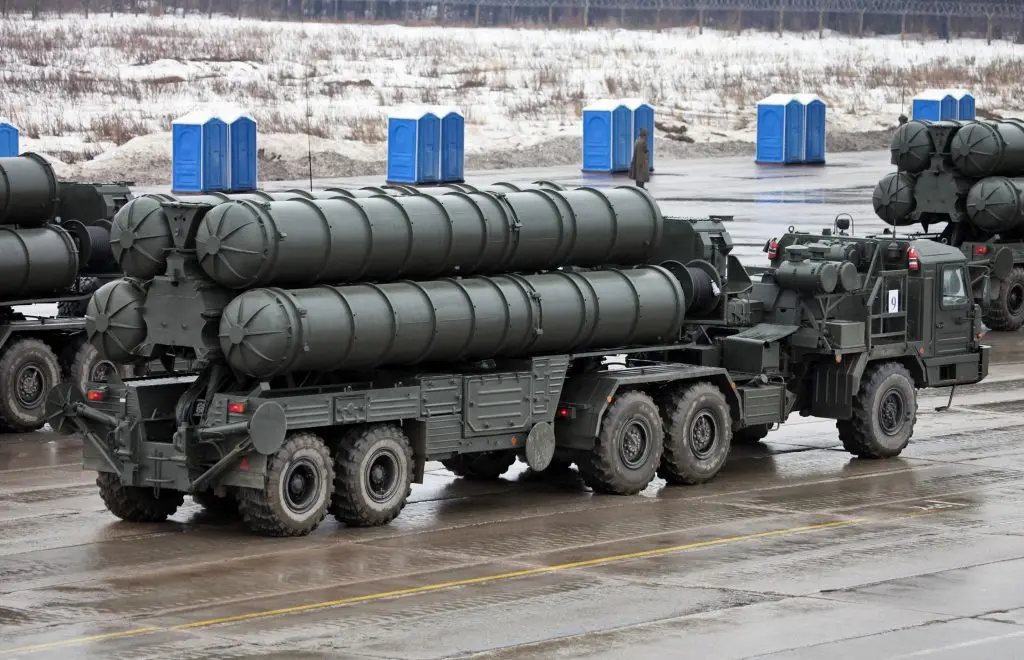
2. S 500 has a longer interception range than S 400
Open source data indicates the S 500 can track and intercept threats at ranges approaching 600 kilometers. The S 400 is effective up to about 400 kilometers depending on the missile used. This extended reach gives India deeper defensive coverage.
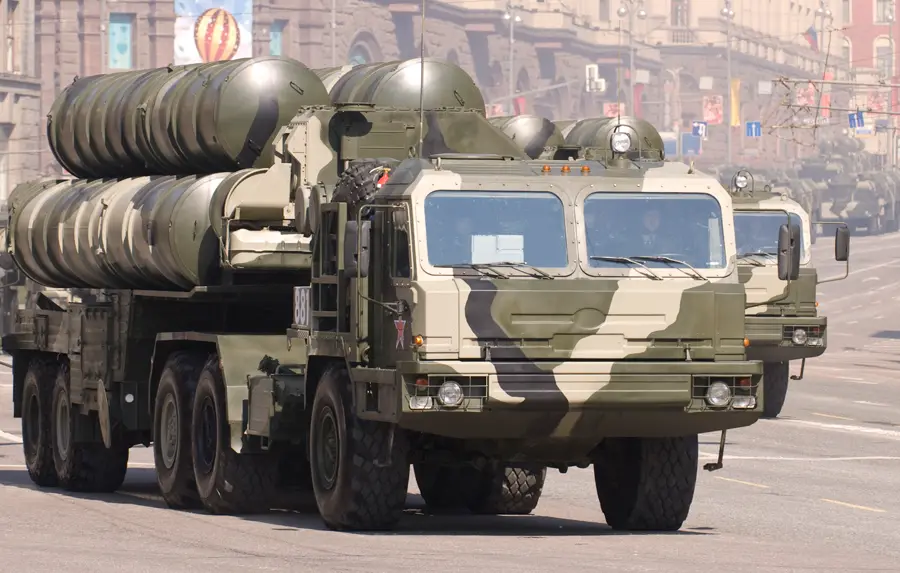
3. S 500 is built for hypersonic missile defence
The S 400 can engage some fast targets but it was not designed for modern hypersonic glide vehicles. The S 500 radar and interceptor combination is created specifically to counter very high speed and high manoeuvring weapons that are becoming common in the region.
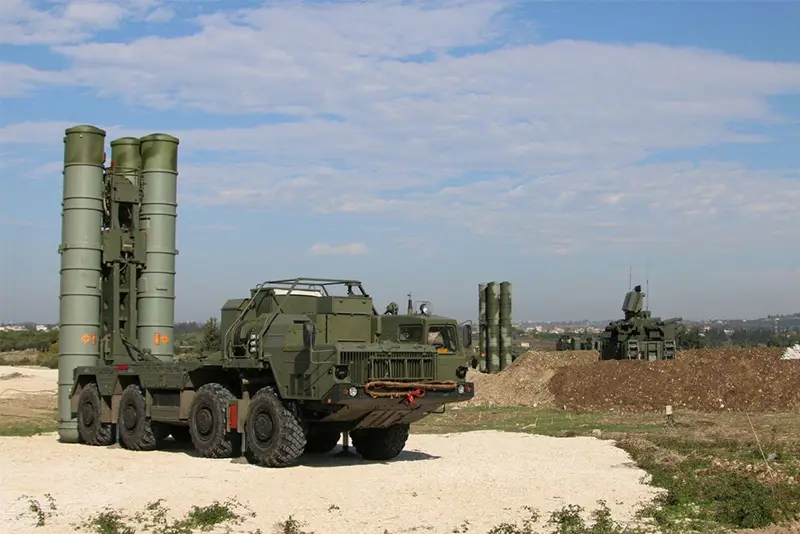
4. S 500 has more advanced radar architecture
The system uses a new generation radar set with improved range, sensitivity and tracking of multiple complex threats. The S 400 has a powerful radar suite but the S 500 uses newer electronics that can track stealth aircraft and very fast targets more reliably.
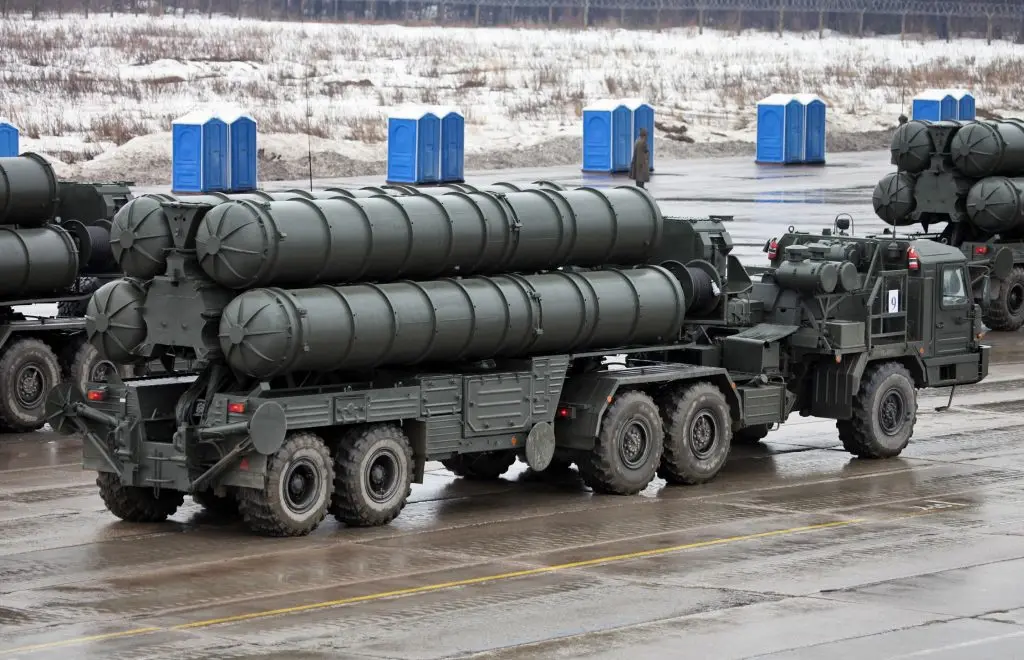
5. S 500 can engage ballistic missiles in their mid course
The S 500 can strike ballistic missiles during the mid course phase, which happens outside the lower atmosphere. The S 400 is mainly effective during terminal phase engagements. This gives India an additional defensive layer against long range missile threats.
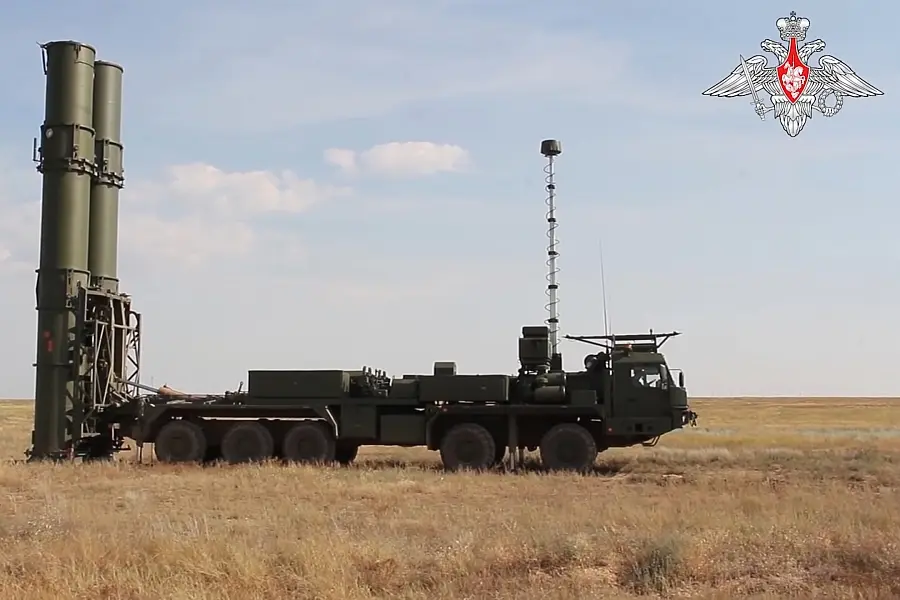
6. S 500 serves as the top layer in a multi tier defence system
India already uses multiple systems that cover different altitude bands. The S 400 protects the lower and mid altitude layers while the S 500 would add the topmost layer meant for space edge and hypersonic threats. Together they provide a complete shield.
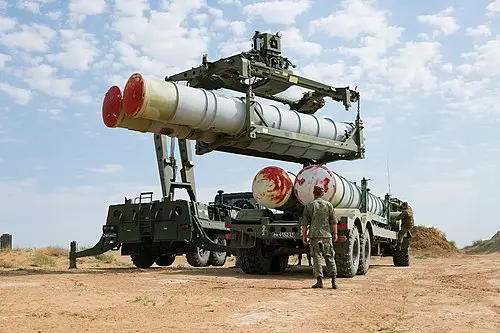
7. S 500 strengthens Indias long term strategic deterrence
With rising regional missile capability including hypersonic systems, India requires a future ready defence shield. The S 500 offers capabilities that match next generation threats and would complement the S 400 rather than replace it. This is why India is evaluating it after the positive experience with the S 400.
)
)
)
)
)