What makes Russia’s S-500 Prometey one of the most feared air defence systems?

Russia’s S-500 Prometey is a highly advanced missile defence system with hypersonic interceptors and satellite-killing abilities. It can track stealth jets and ballistic missiles, redefining air defence worldwide.
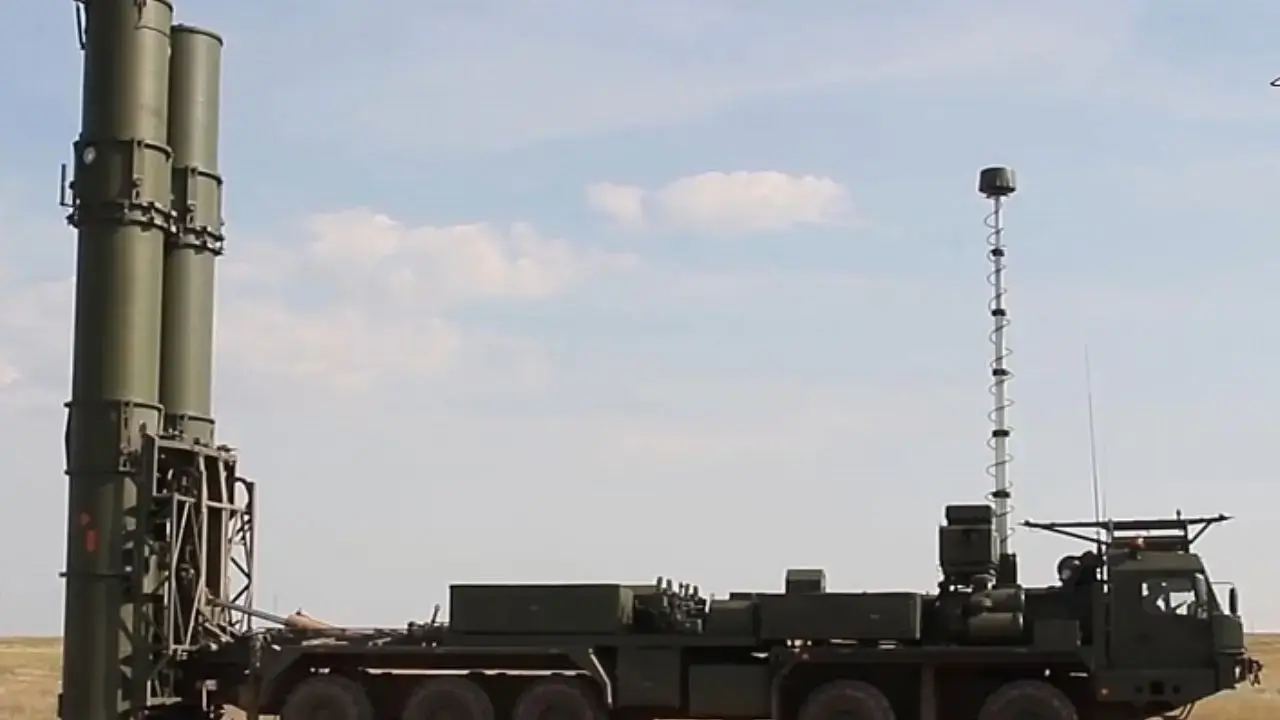
Overview of the S-500
The S-500, also called Prometey, is Russia’s most advanced long-range surface-to-air missile system. It can intercept targets up to 600 km away and at altitudes of up to 200 km, making it effective against atmospheric and near-space threats.
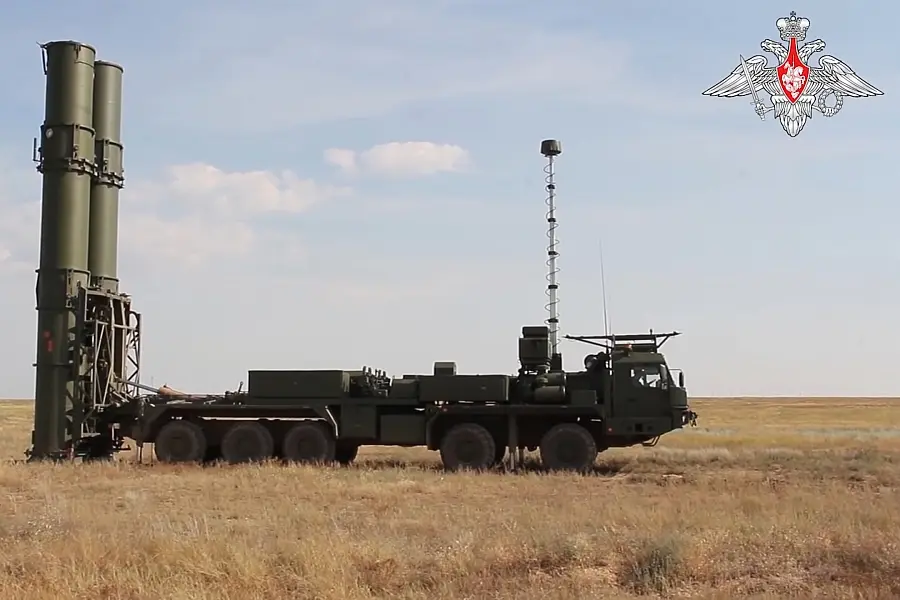
Capabilities Against Modern Threats
The S-500 can engage multiple targets simultaneously, including hypersonic missiles, ballistic missiles, stealth aircraft like the US F-35 and B-2 bombers, and low-orbit satellites.
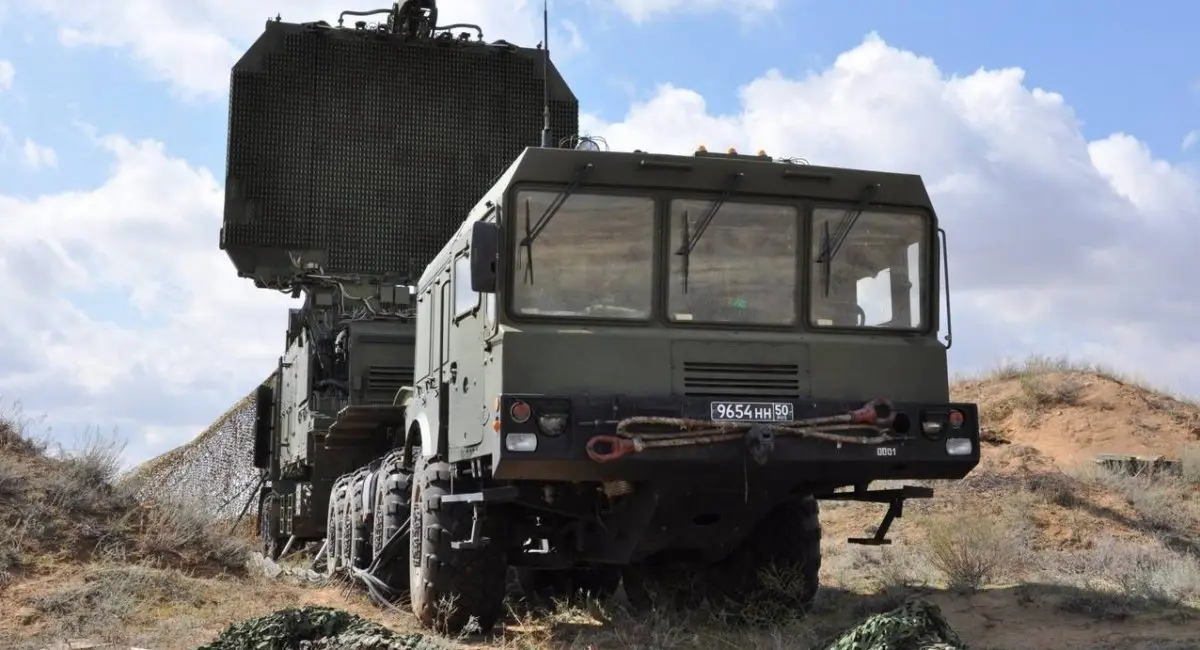
Advanced Radar Systems
The system uses several radars including the 91N6A(M) Big Bird and 96L6-TsP, with ranges up to 800 km for airborne threats. This multi-frequency radar network gives the S-500 excellent detection and tracking ability against stealth and electronic warfare tactics.
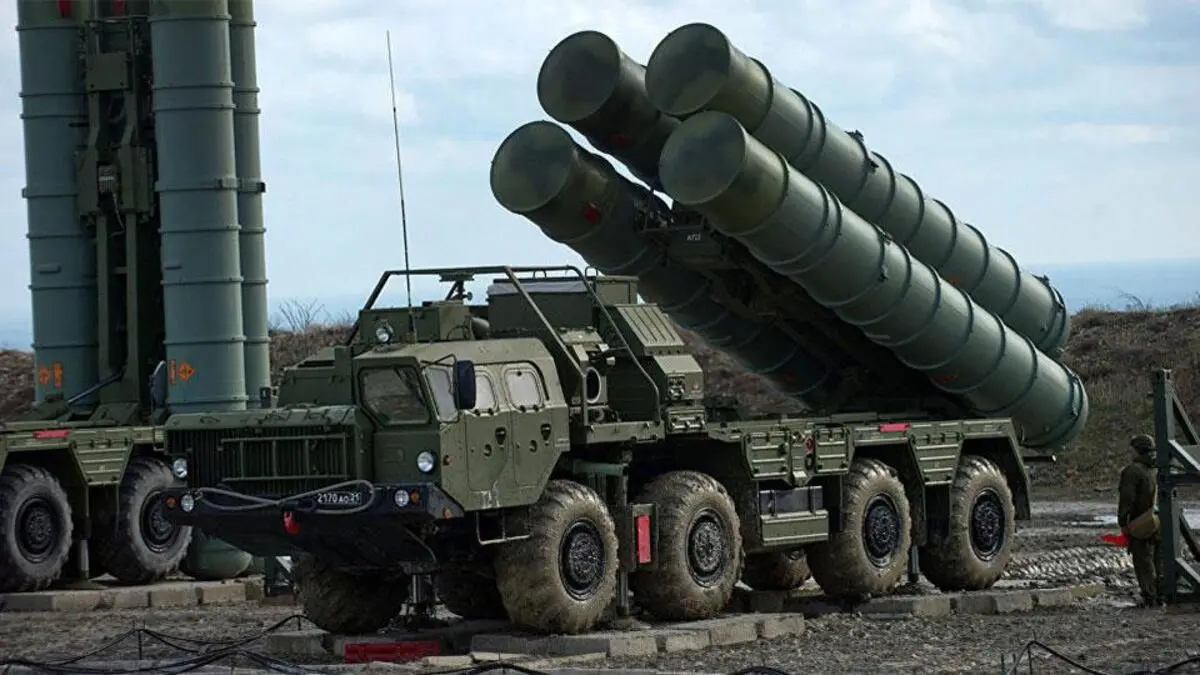
Rapid Response and Mobility
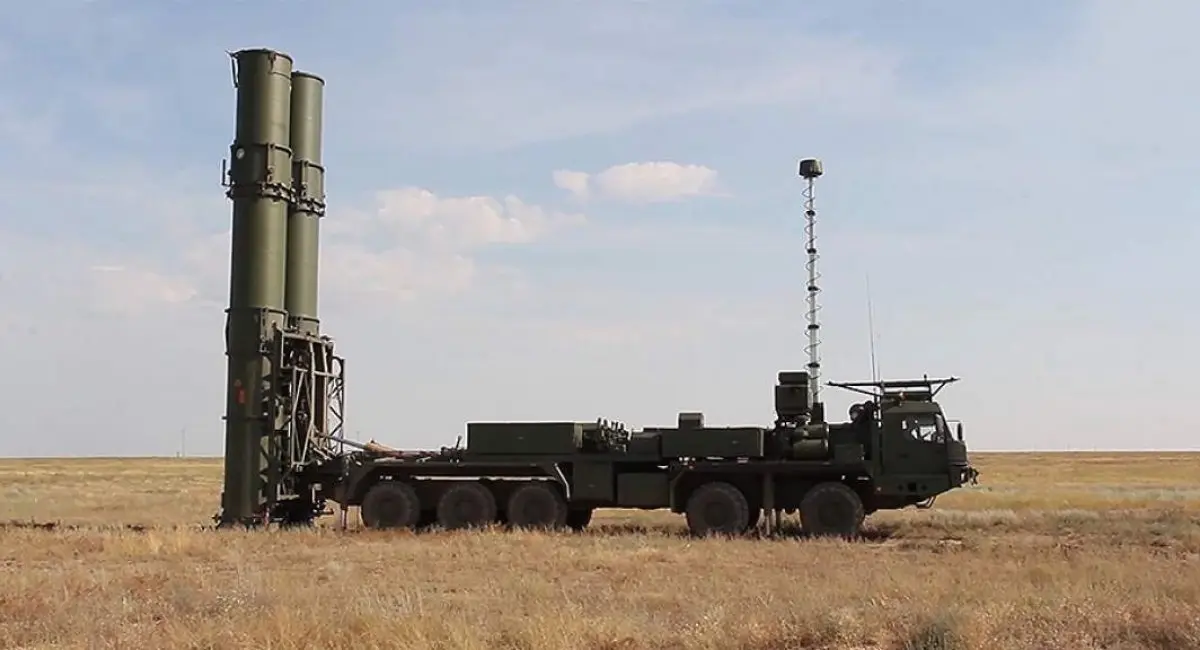
The S-500 has a quick response time of about 3 to 4 seconds, compared to 9-10 seconds for its predecessor, the S-400. Mounted on mobile trucks, it can be quickly deployed and relocated to defend different regions.
Hypersonic Interceptors
The 77N6-N and 77N6-N1 missiles used by the S-500 can fly at hypersonic speeds (Mach 5-7), allowing them to hit ultra-fast targets with “hit-to-kill” accuracy, meaning physical impact rather than fragmentation.
Low Orbit Satellite Targeting
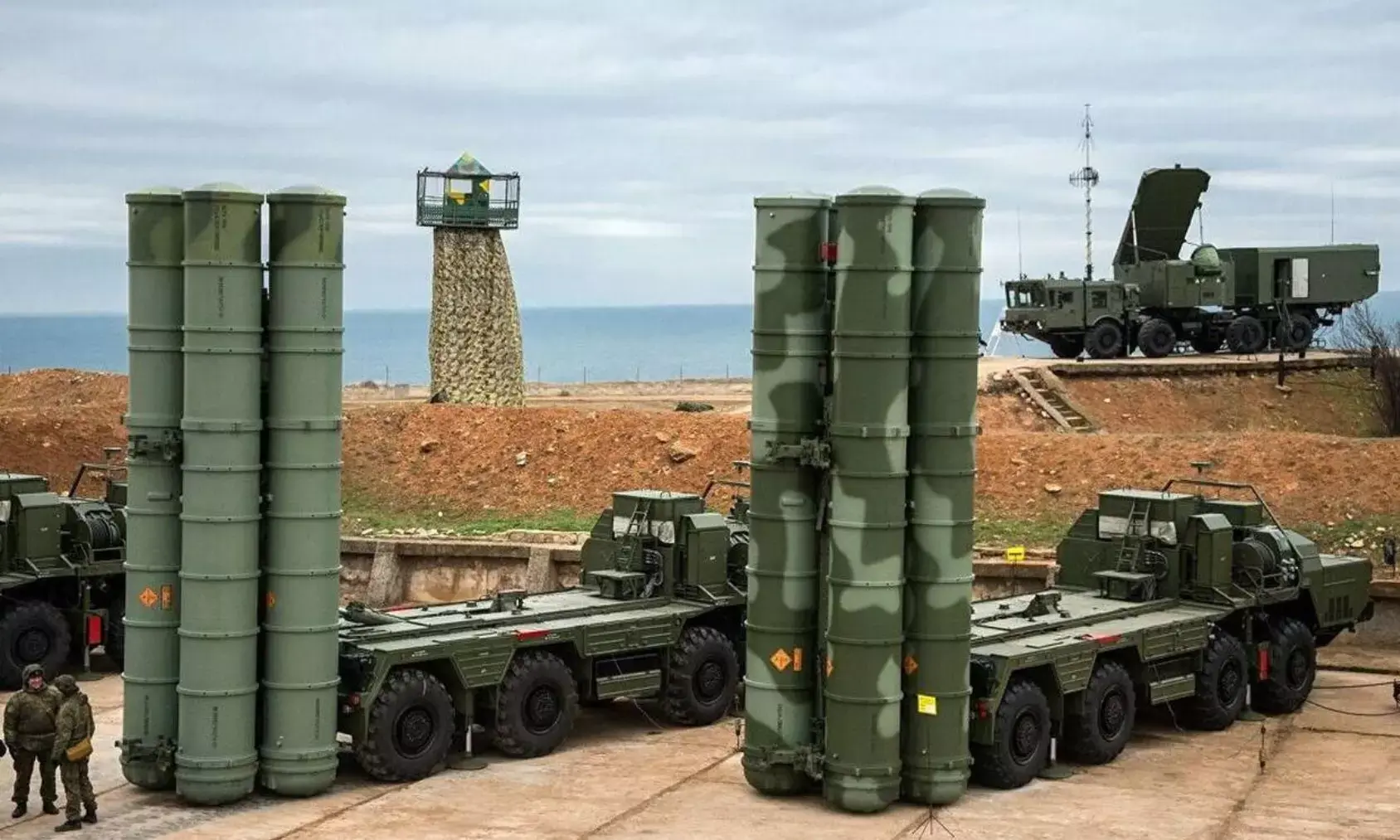
Uniquely, the S-500 can track and destroy satellites in low Earth orbit, giving Russia strategic advantages in space warfare and the ability to disrupt enemy communications and surveillance.
Strategic Global Impact
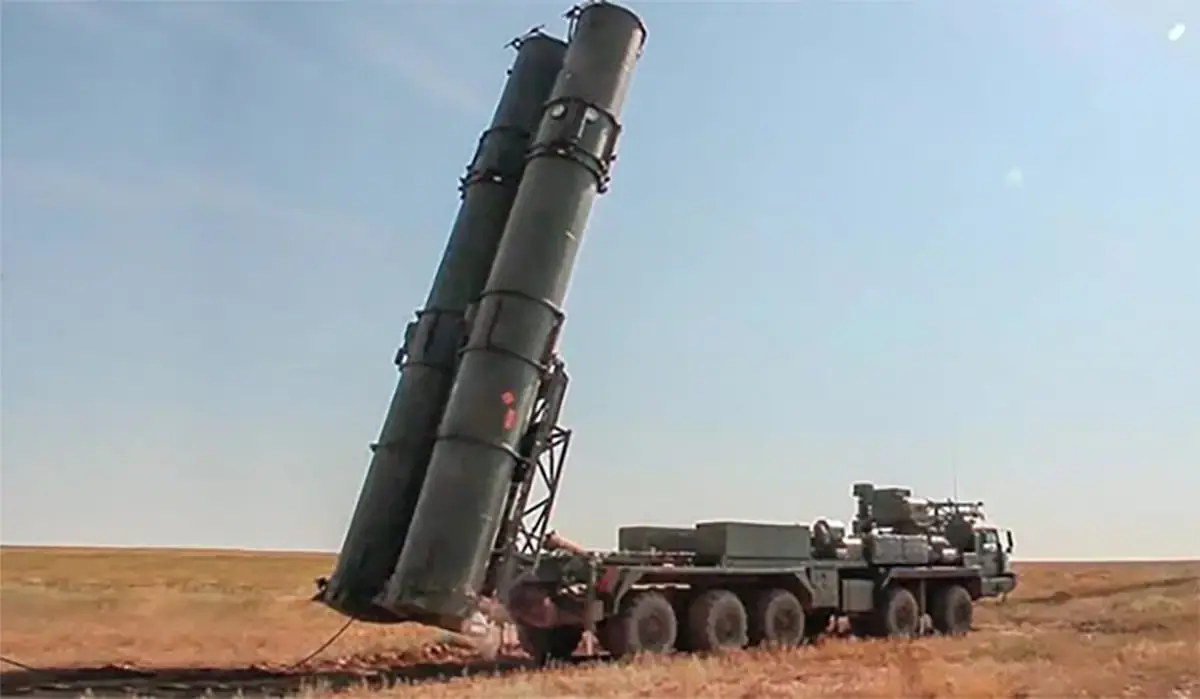
The S-500 elevates Russia’s air defence to a new level, causing concern for NATO and other militaries. Its capability to defend against advanced weapons systems reshapes military balance and challenges future threats.
)
)

)
)