What makes Qeshm Island the largest and one of the most strategic islands in Iran?

Spanning 1,491 square kilometres, Qeshm Island is Iran's largest Persian Gulf landmass. Positioned on the Strait of Hormuz, it functions as a heavily armed IRGC fortress equipped with underground missiles to control global oil transit.
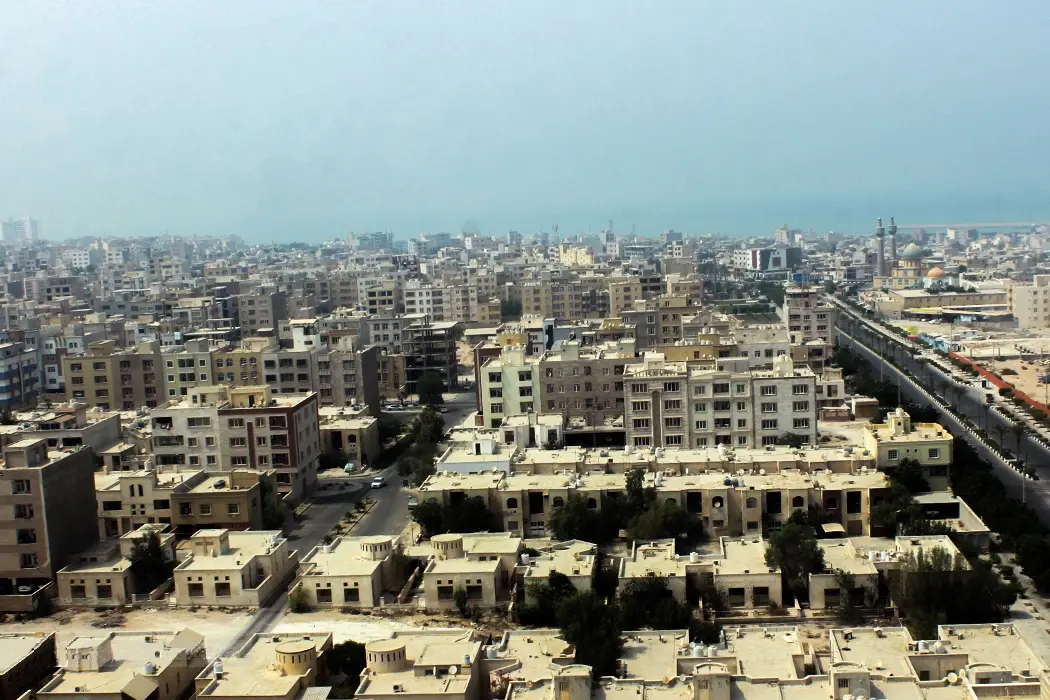
The Massive Scale
Qeshm spans an enormous 1,491 square kilometres, making it significantly larger than sovereign nations like Bahrain and Singapore. This massive landmass provides Iran with unparalleled strategic depth and a natural shield right at the mouth of the Persian Gulf.
Dominating the Choke Point
The island directly overlooks the Strait of Hormuz, the world’s most critical maritime energy choke point. From Qeshm's southern shores, Iranian forces can visually monitor and easily target the daily transit of millions of barrels of crude oil.
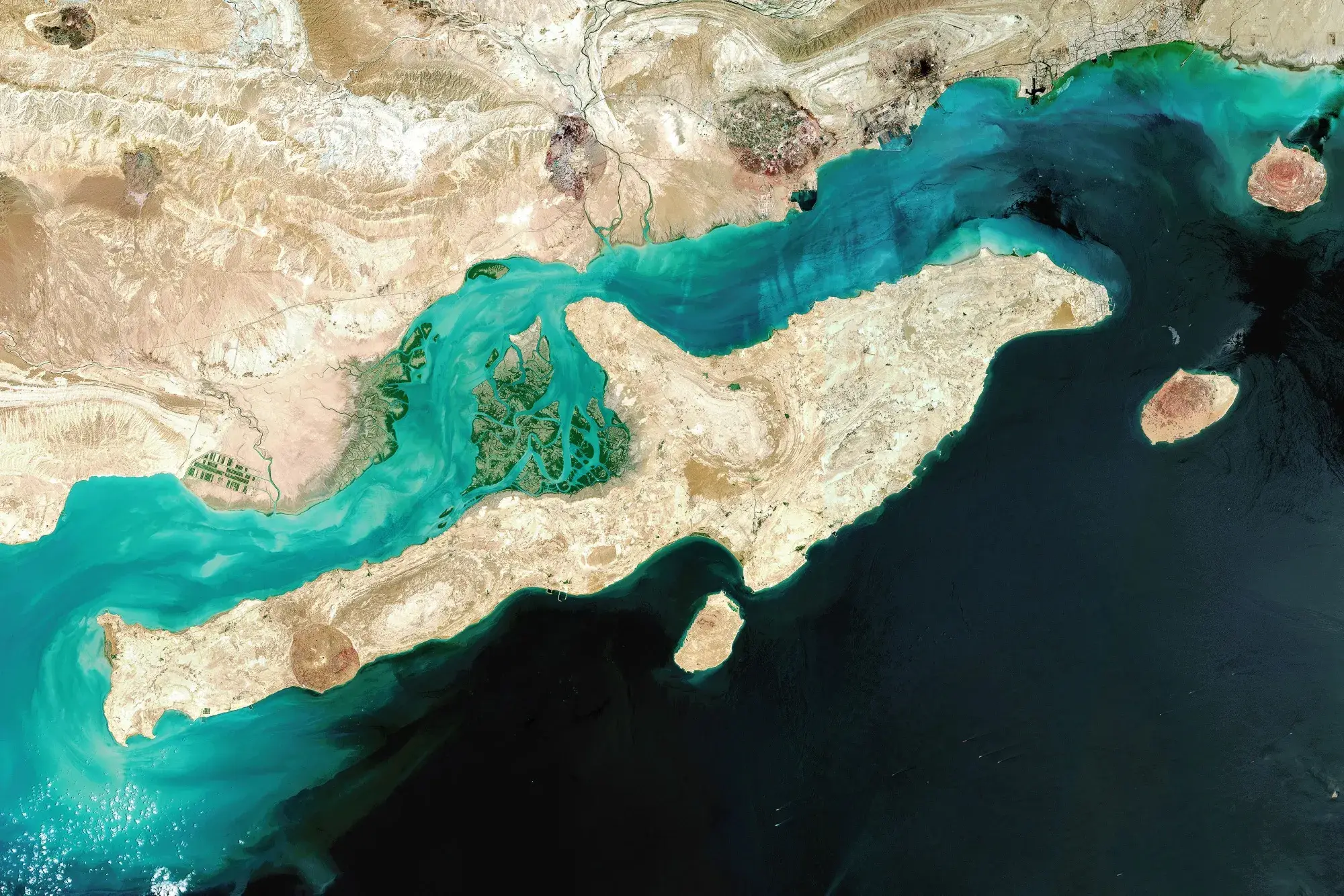
The IRGC Naval Fortress
Qeshm is heavily fortified by the Islamic Revolutionary Guard Corps (IRGC) Navy. It serves as a primary forward operating base, housing vast fleets of heavily armed fast-attack speedboats designed to swarm and overwhelm hostile warships in narrow waters.
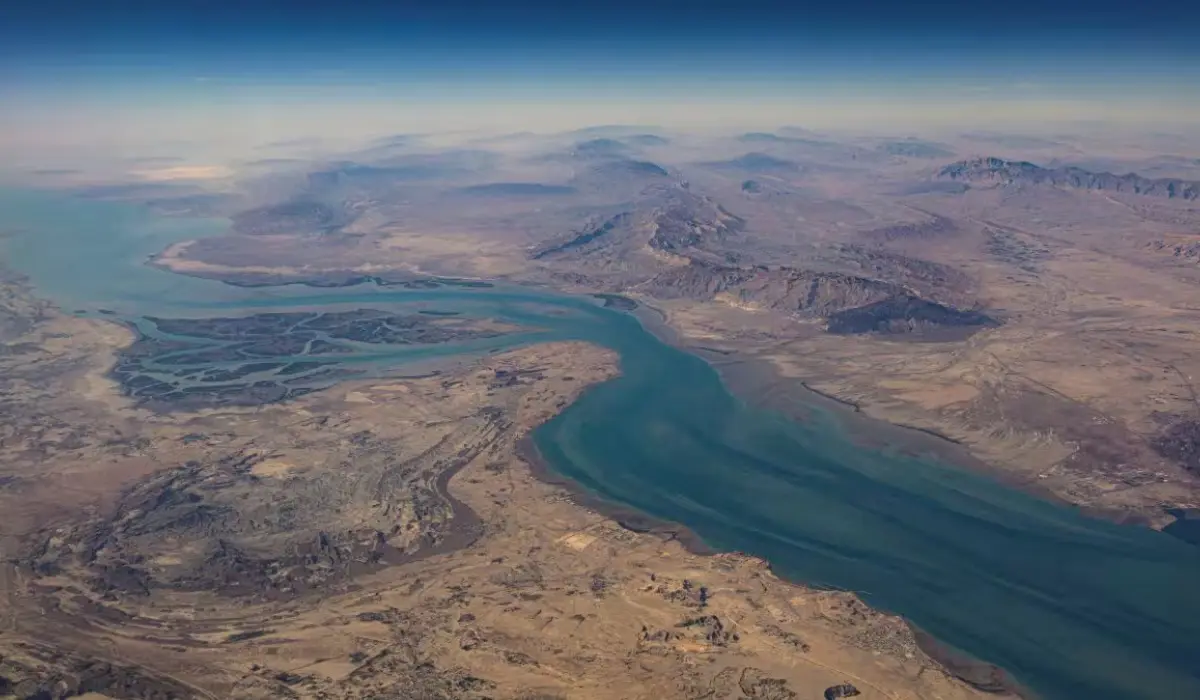
Underground Missile Silos
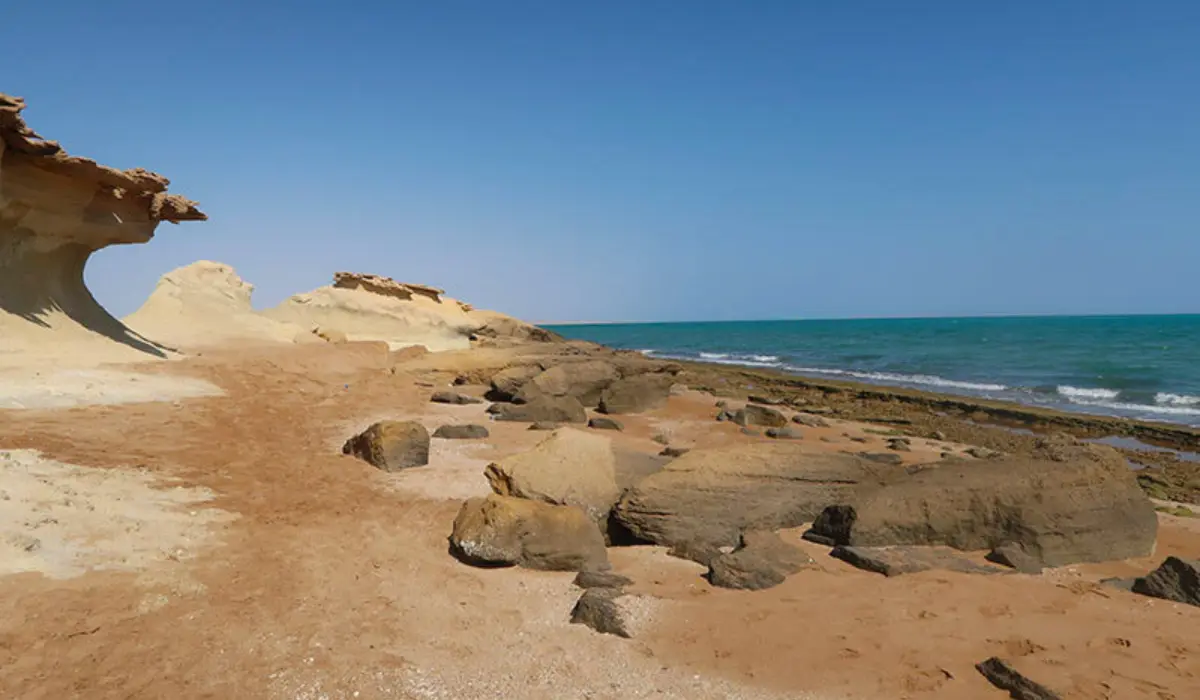
The island's rugged, mountainous topography is ideal for hiding advanced military hardware. Iran has constructed a vast network of subterranean bunkers across Qeshm, housing lethal anti-ship cruise missiles like the 1,000-kilometre range Abu Mahdi.
The Drone Launchpad
Alongside naval assets, Qeshm operates as a critical launchpad for Iran's expanding fleet of combat and surveillance UAVs. These drone squadrons can launch rapidly from the island to monitor US Fifth Fleet movements or execute precision strikes across the Gulf.
A Free Trade Economic Hub
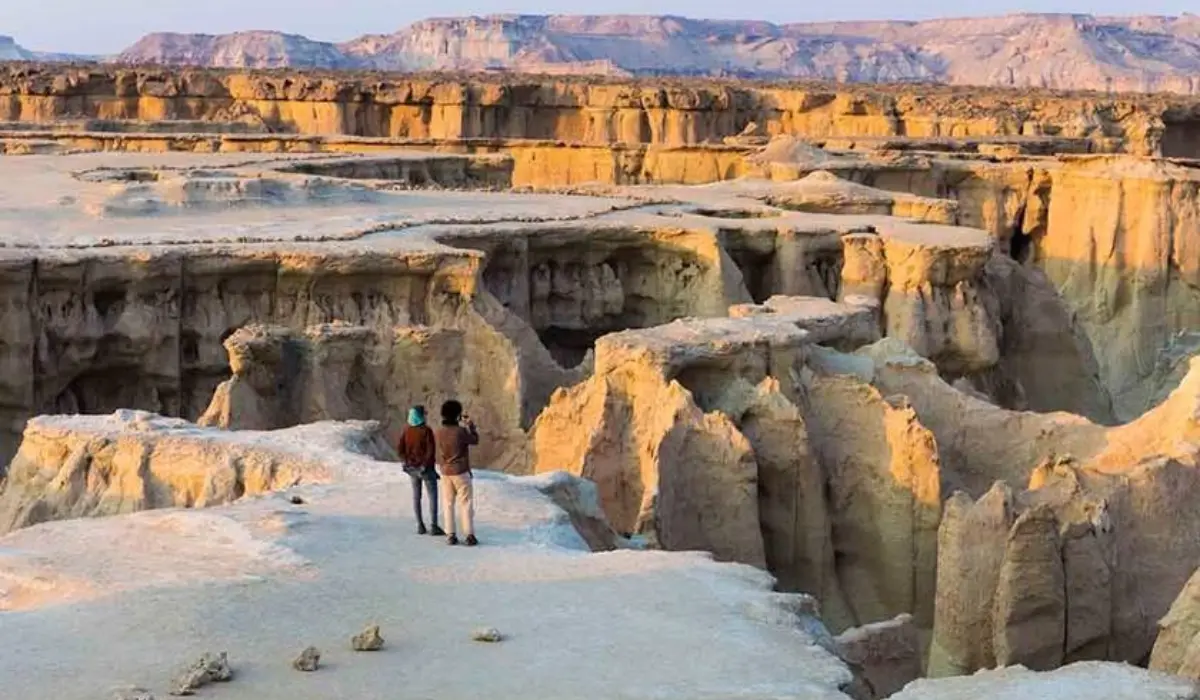
Beyond its military might, Qeshm is a designated Free Trade Zone holding immense economic value. The island is rich in natural resources, sitting on top of the shared Hengam oil field and significant natural gas reserves that fuel Iran's sanctioned economy.
The Unsinkable Aircraft Carrier
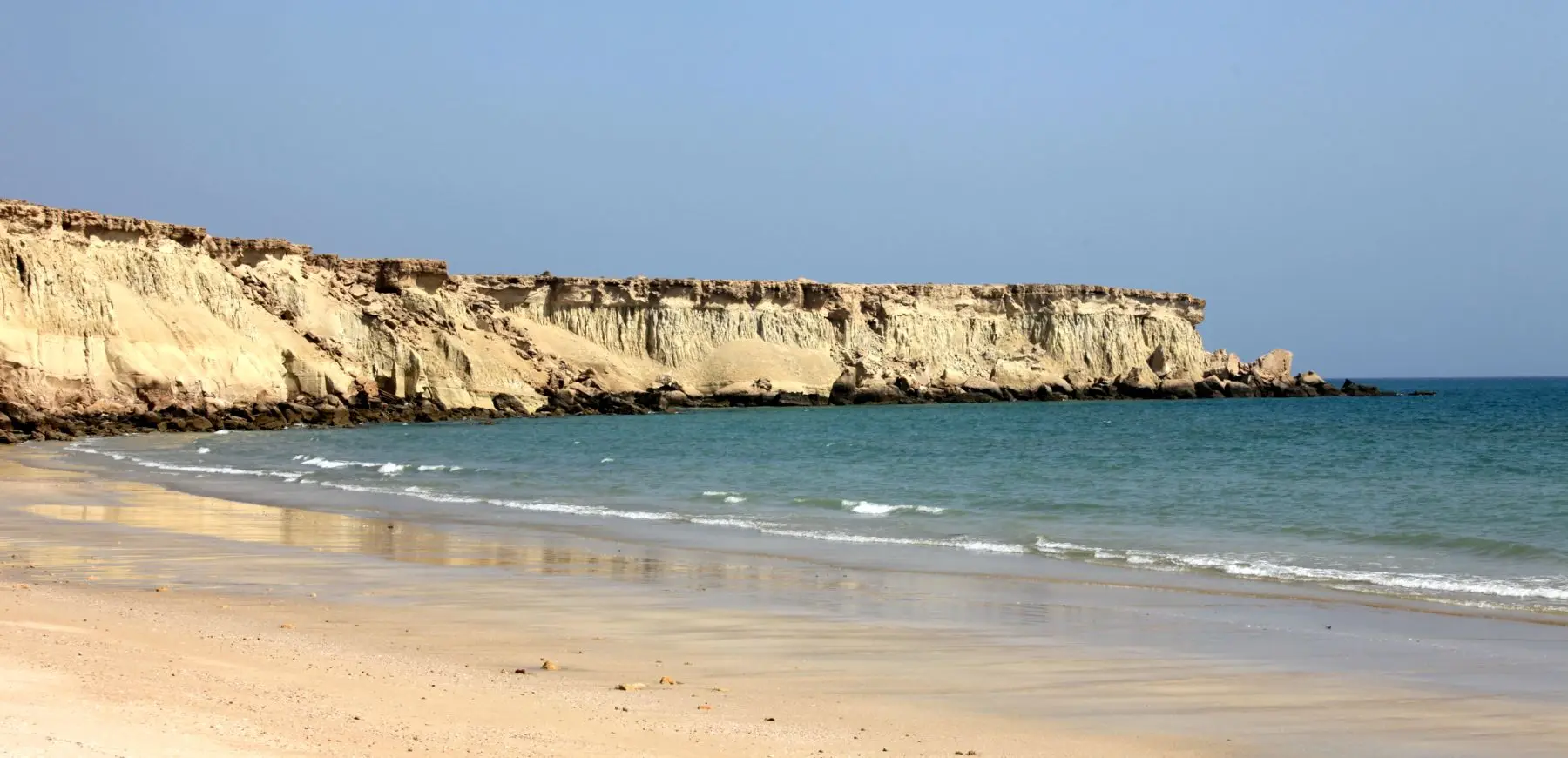
Western military analysts frequently describe Qeshm as Iran's 'unsinkable aircraft carrier'. Its sheer size, heavily fortified subterranean weapons networks, and proximity to global shipping lanes make it the cornerstone of Tehran's anti-access and area denial strategy.
)
)
)
)
)