What makes ‘Oumuamua different from any other space rock we’ve seen

When ‘Oumuamua passed through our solar system in 2017, it didn’t just surprise astronomers, it puzzled them. Unlike any asteroid or comet we’ve ever observed, it had strange features and behaviours that sparked intense debate.Untitled Summary
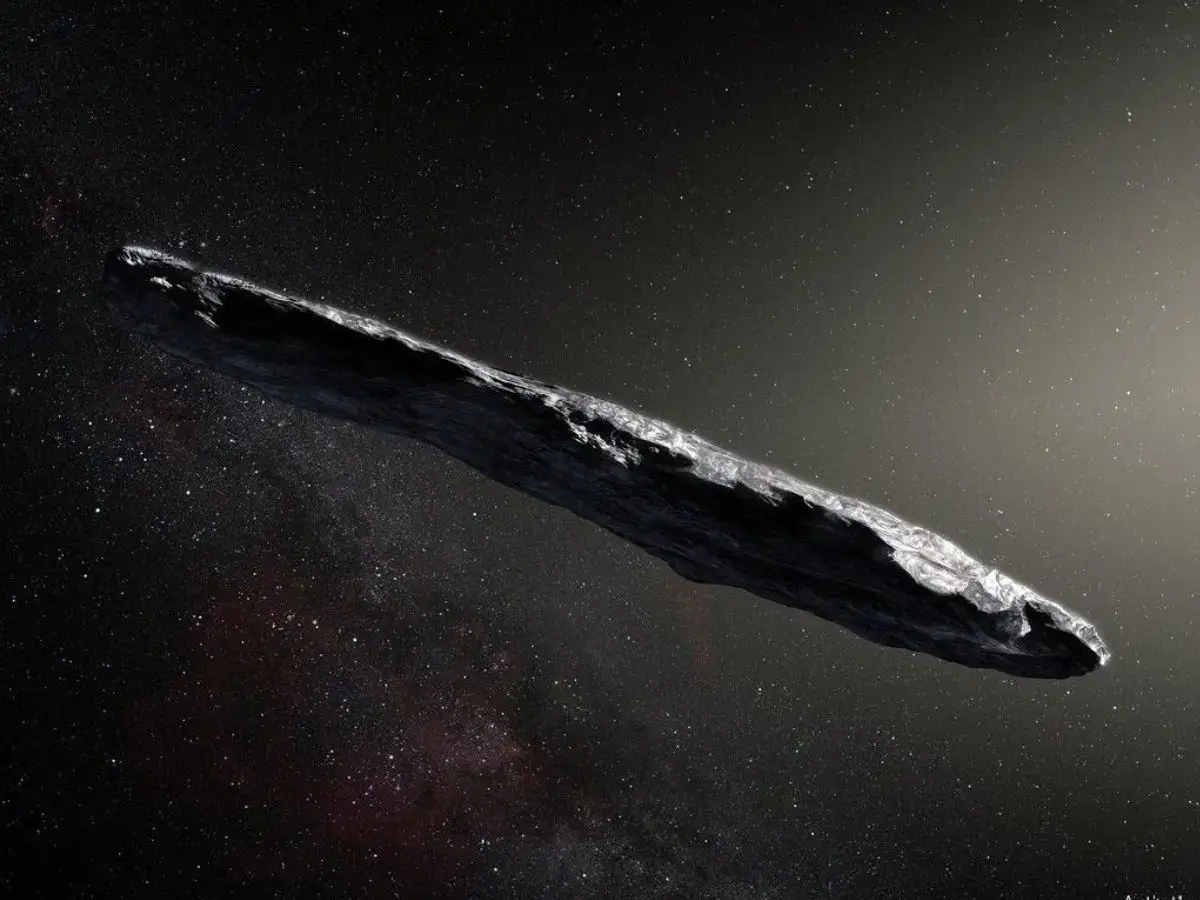
It Came From Outside the Solar System
Most space rocks we track were born here. ‘Oumuamua’s speed and path proved it came from another star system, the first confirmed interstellar visitor ever seen.
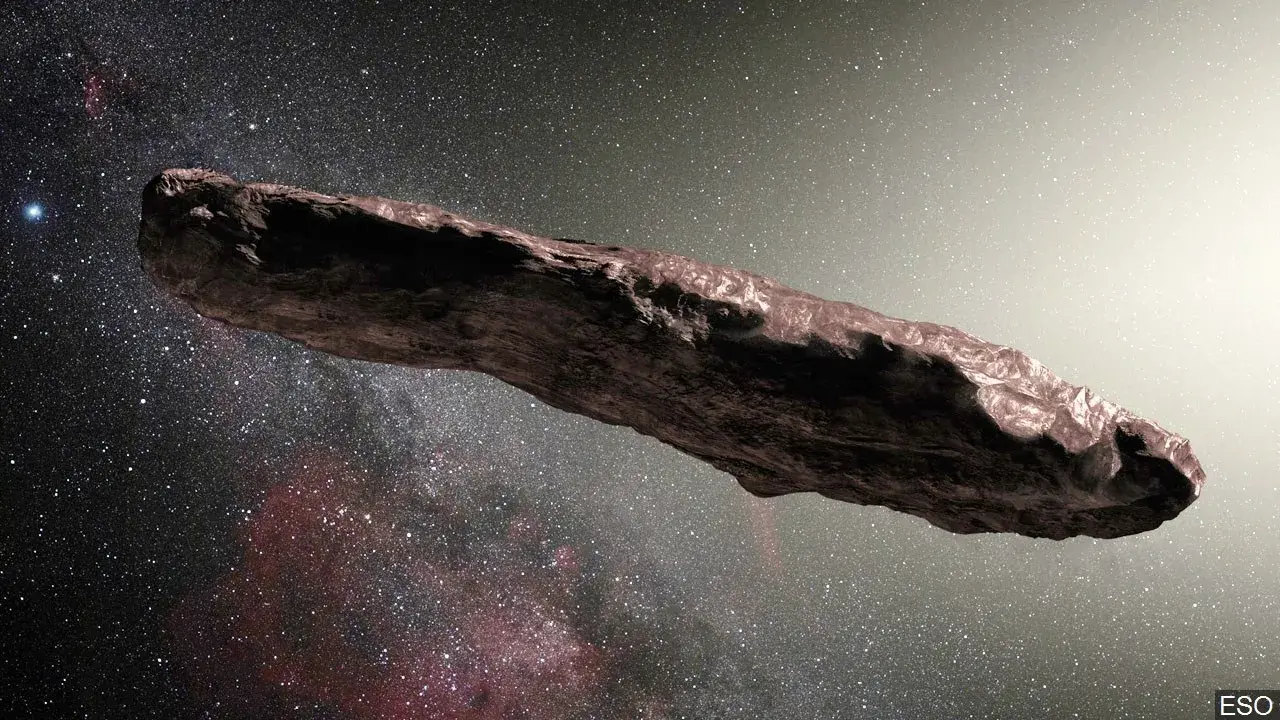
Unusual Shape
Estimates suggest it was either cigar-shaped or flat like a pancake, with an aspect ratio far beyond that of typical asteroids. Nothing in our solar system has quite the same proportions.
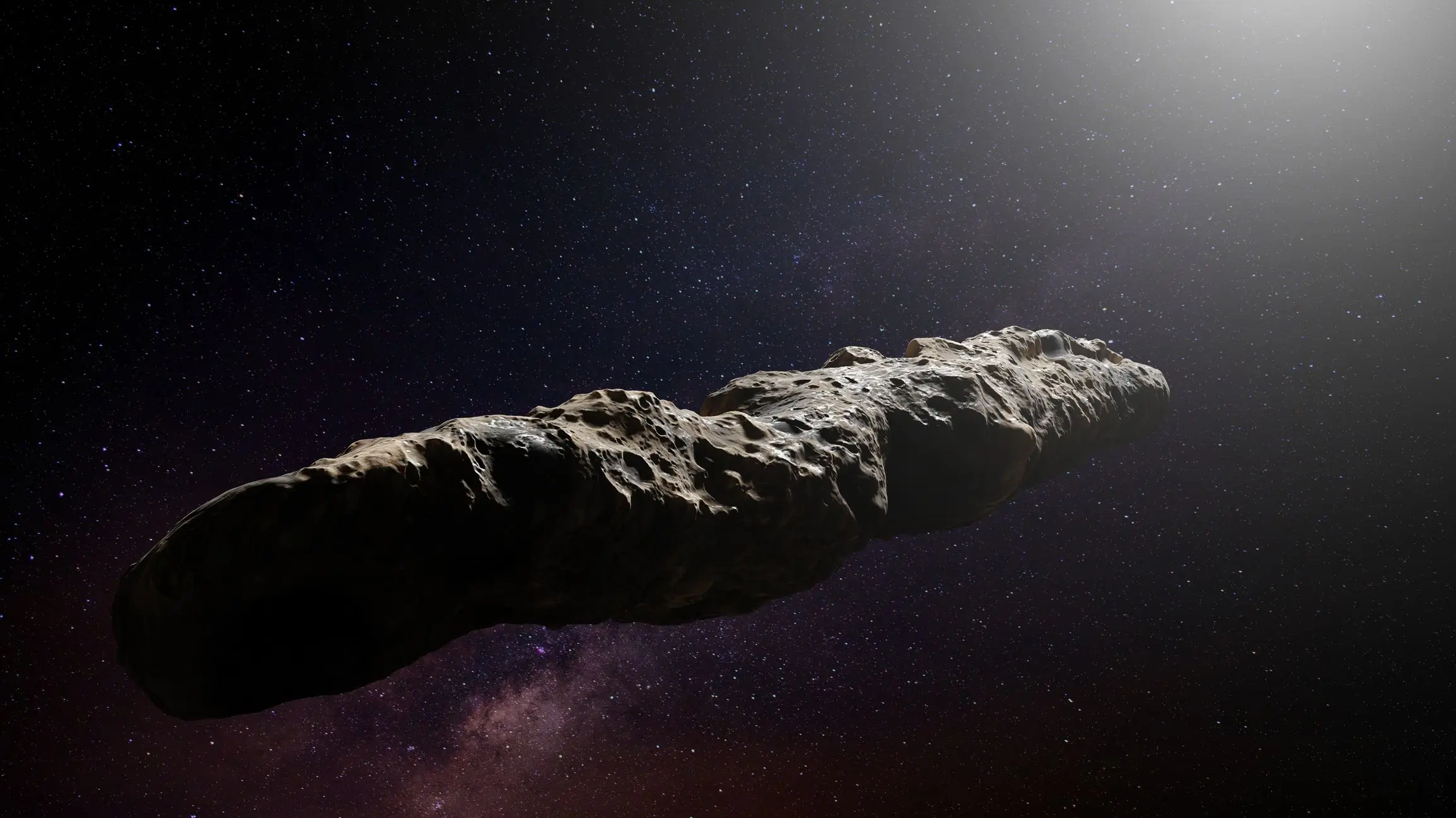
No Visible Tail But Still Moving Like a Comet
Comets usually show a tail when they heat up near the Sun. ‘Oumuamua didn’t, yet its acceleration hinted at some kind of gas release or force at work.
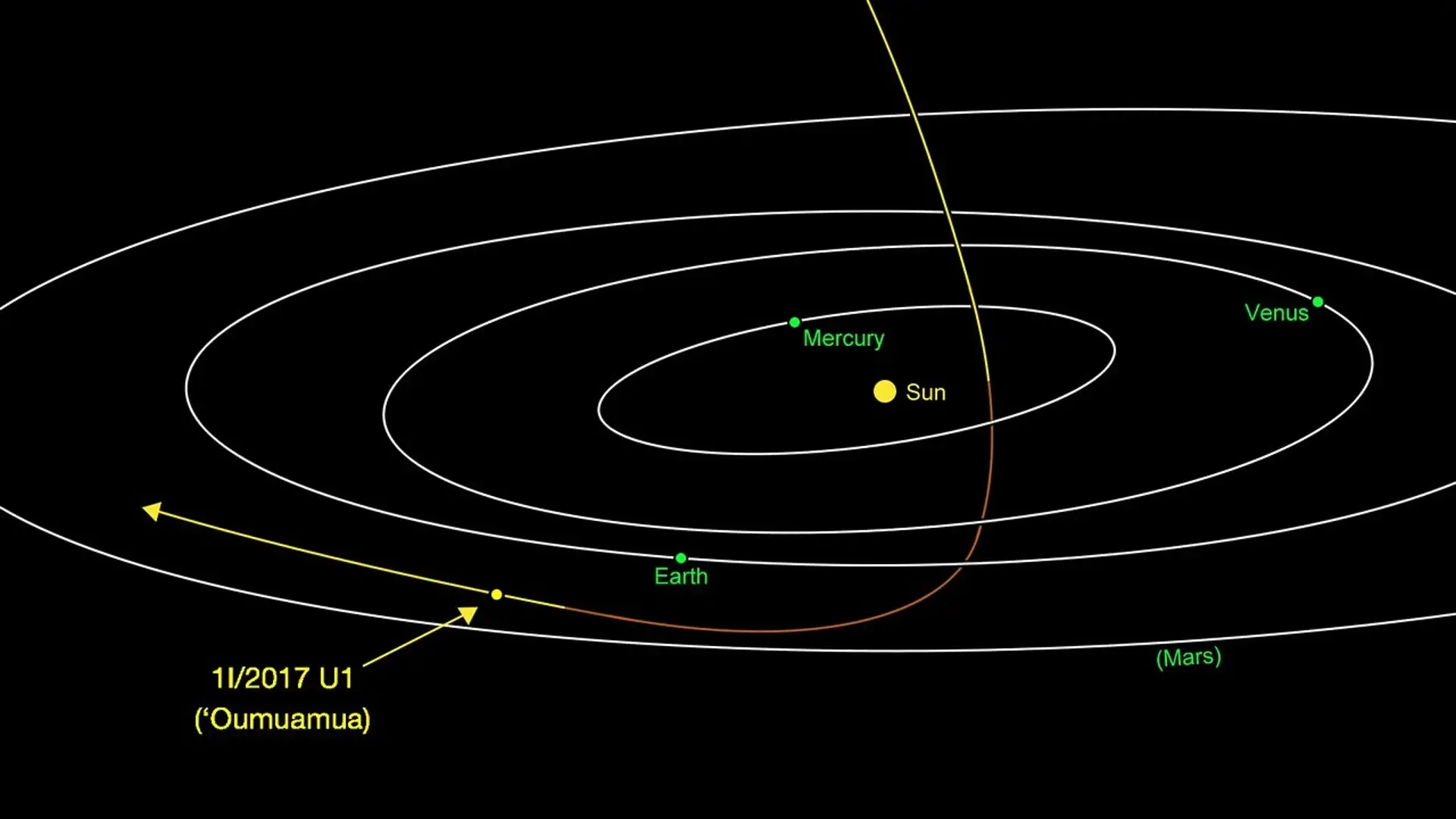
Mysterious Acceleration
After passing the Sun, it sped up slightly instead of just slowing down under gravity. This unexplained boost doesn’t match what’s expected from a purely rocky body.
Strange Colour and Surface
It reflected light in a way that suggested a reddish, metallic or organic-rich surface, possibly altered by cosmic rays over millions of years in deep space.

Brief Visit
Unlike objects in our solar system that orbit the Sun, ‘Oumuamua’s hyperbolic path means it will never return. We had only weeks to observe it before it became too faint.
A Name With Meaning
Its name, Hawaiian for “a messenger from afar arriving first,” reflects its status as a possible herald of other interstellar visitors still to come. ‘Oumuamua remains one of astronomy’s greatest mysteries. Whether it was a strange natural object or something more, it’s unlike anything we’ve seen before.
)
)
)
)
)