What makes the new Noida airport unique? Flight every 2 minutes, 3,900m all-weather runway, 10-min check-in and more

Developed at a cost of around Rs. 11,200 crore under a public-private partnership model, the first phase introduces a modern airport designed for efficiency, capacity and connectivity.
Introduction
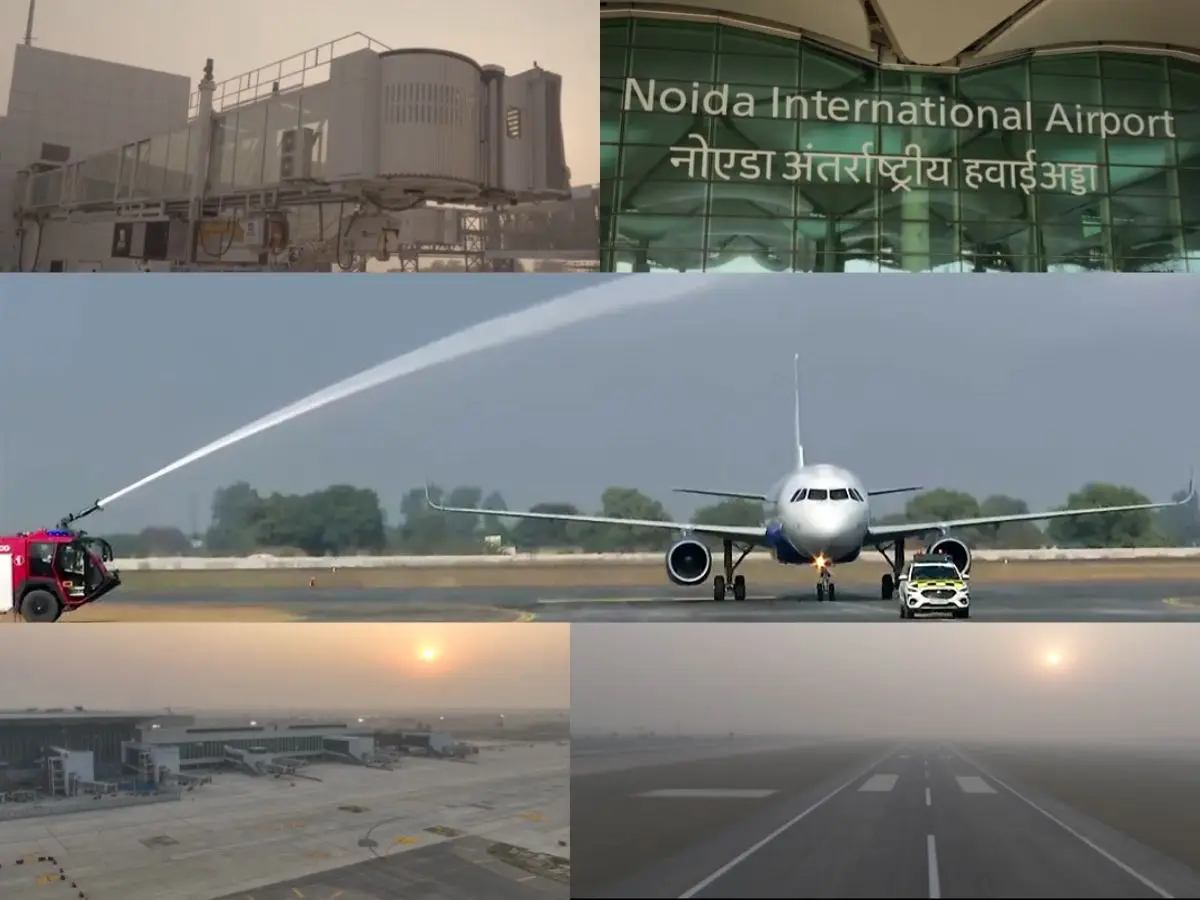
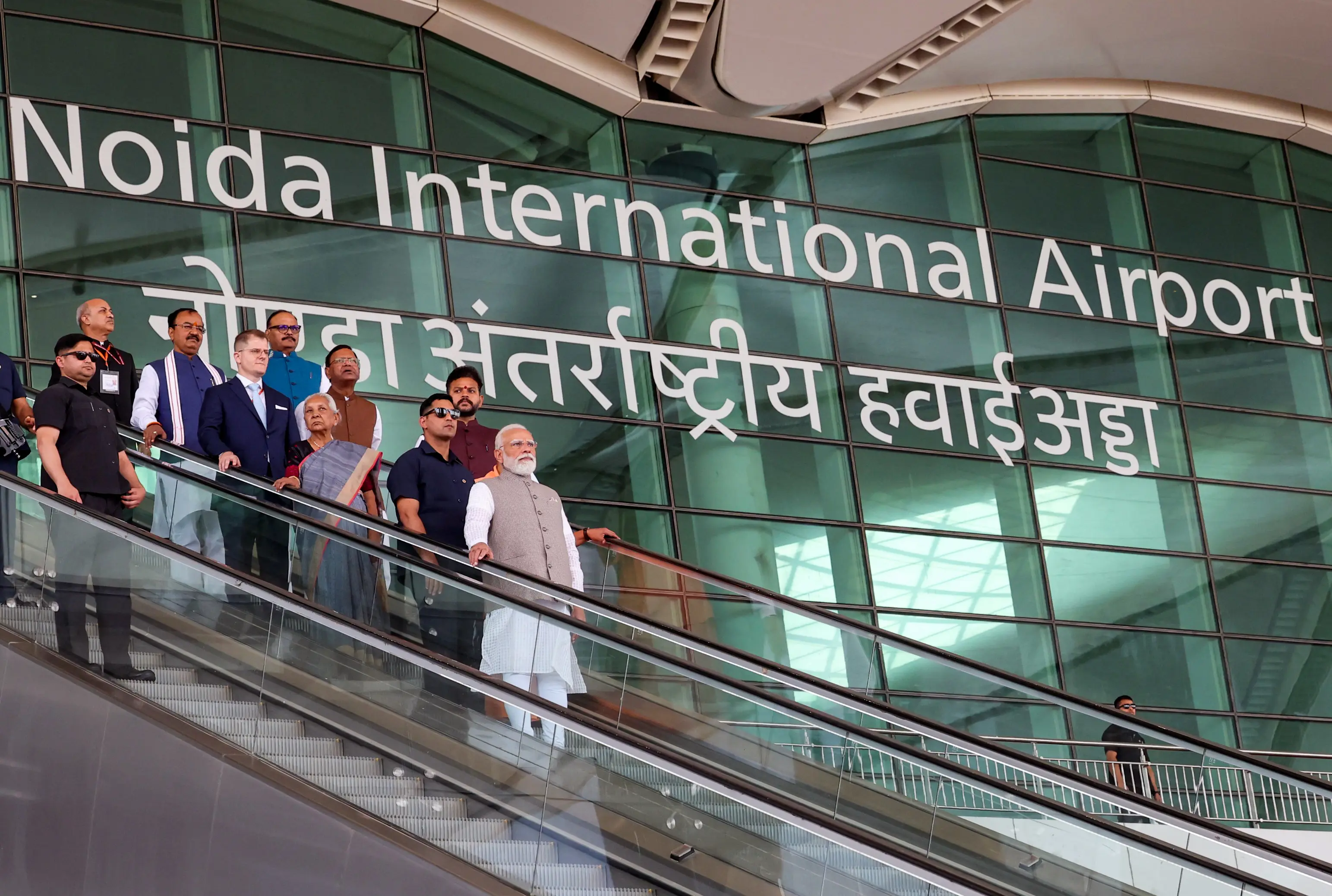
The inauguration of Noida International Airport at Jewar marks a major addition to India’s aviation infrastructure, with Prime Minister Narendra Modi calling it a symbol of “India’s new spirit”. He was joined by Uttar Pradesh Chief Minister Yogi Adityanath, Governor Anandiben Patel and Union Civil Aviation Minister Ram Mohan Naidu. Positioned as the second major air gateway for the Delhi-NCR region after IGI Airport, the project is expected to ease congestion and strengthen regional connectivity across Uttar Pradesh. Commercial flight operations are likely to begin between mid-April and May 2026, while international services are expected to commence from September. Although there is no confirmed figure yet on the number of flights or routes in the first phase, officials have said the airport will eventually be able to handle up to 225 million passengers annually once fully completed.
1. Faster passenger processing
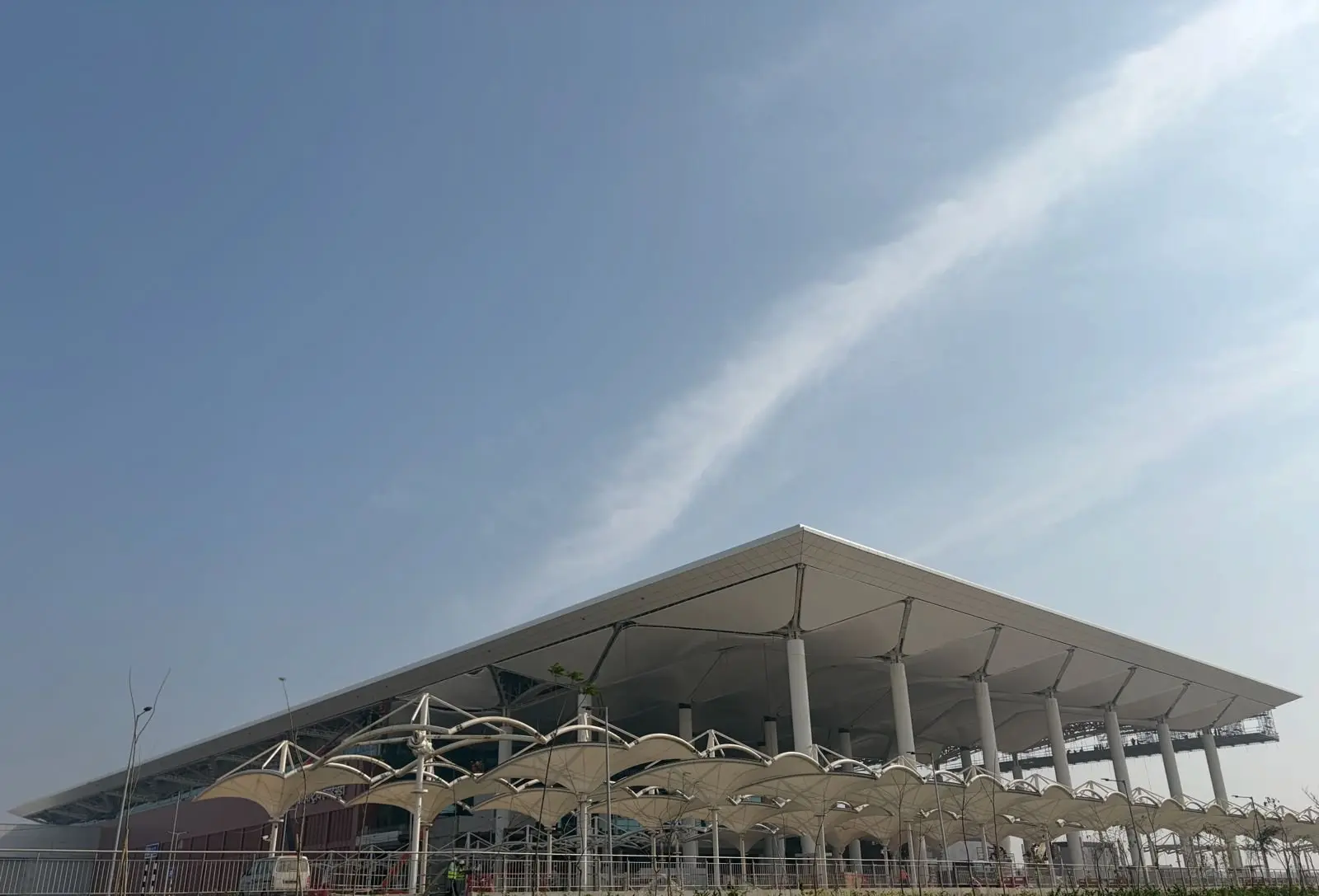
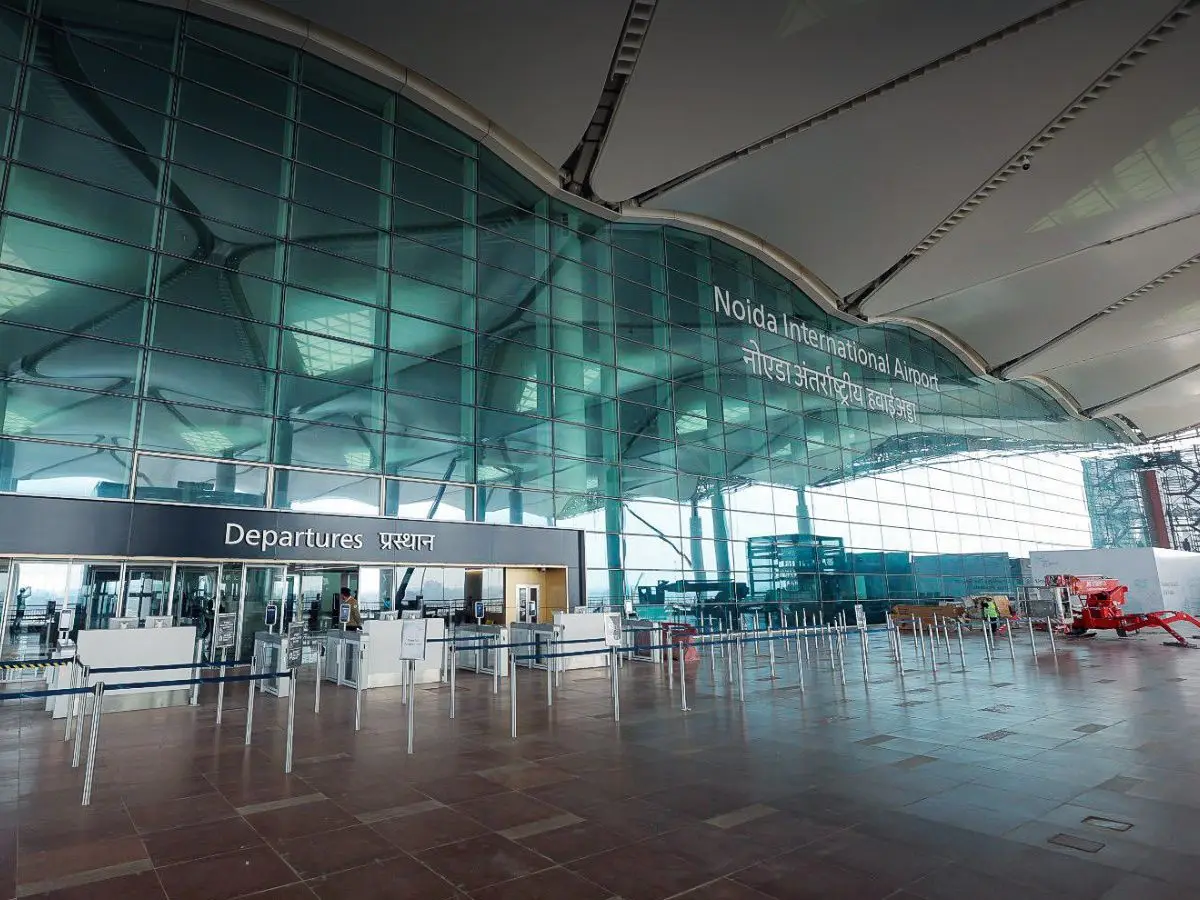
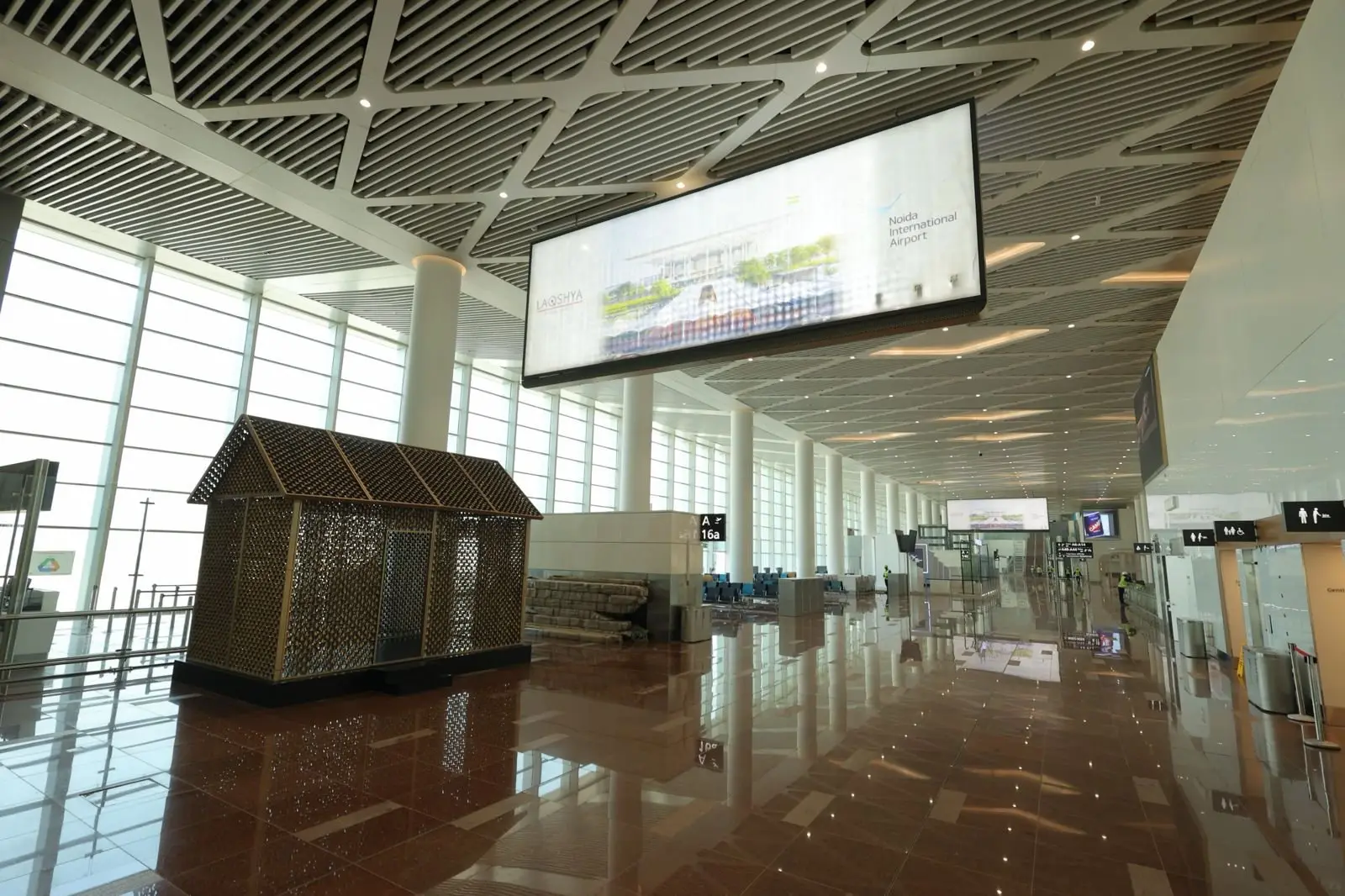
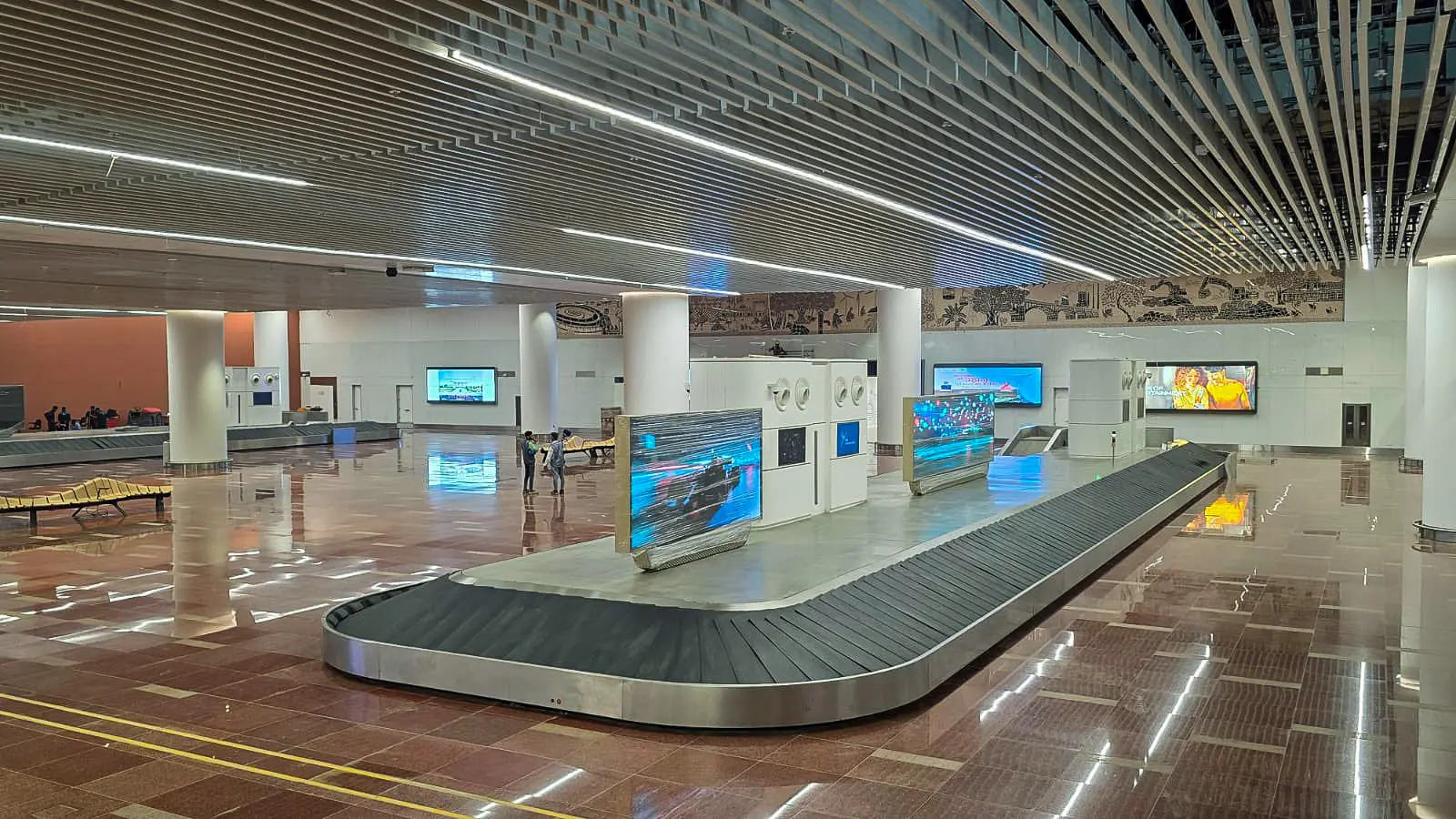
The airport is designed to minimise waiting time, with passenger processing expected to take around 10 minutes from entry to boarding. Automated systems, streamlined check-in counters and efficient baggage handling aim to reduce congestion and improve turnaround time.
2. A 3,900-metre all-weather runway
The airport features a 3,900-metre runway (10/28) equipped with an Instrument Landing System and advanced aeronautical lighting. This enables operations in low visibility conditions, making it suitable for year-round, 24-hour functioning.
3. High-frequency flight operations
According to official projections cited during the inauguration, the airport is being developed to support high traffic volumes, with the potential for a flight movement every two minutes. This capacity is expected to significantly expand regional air traffic handling.

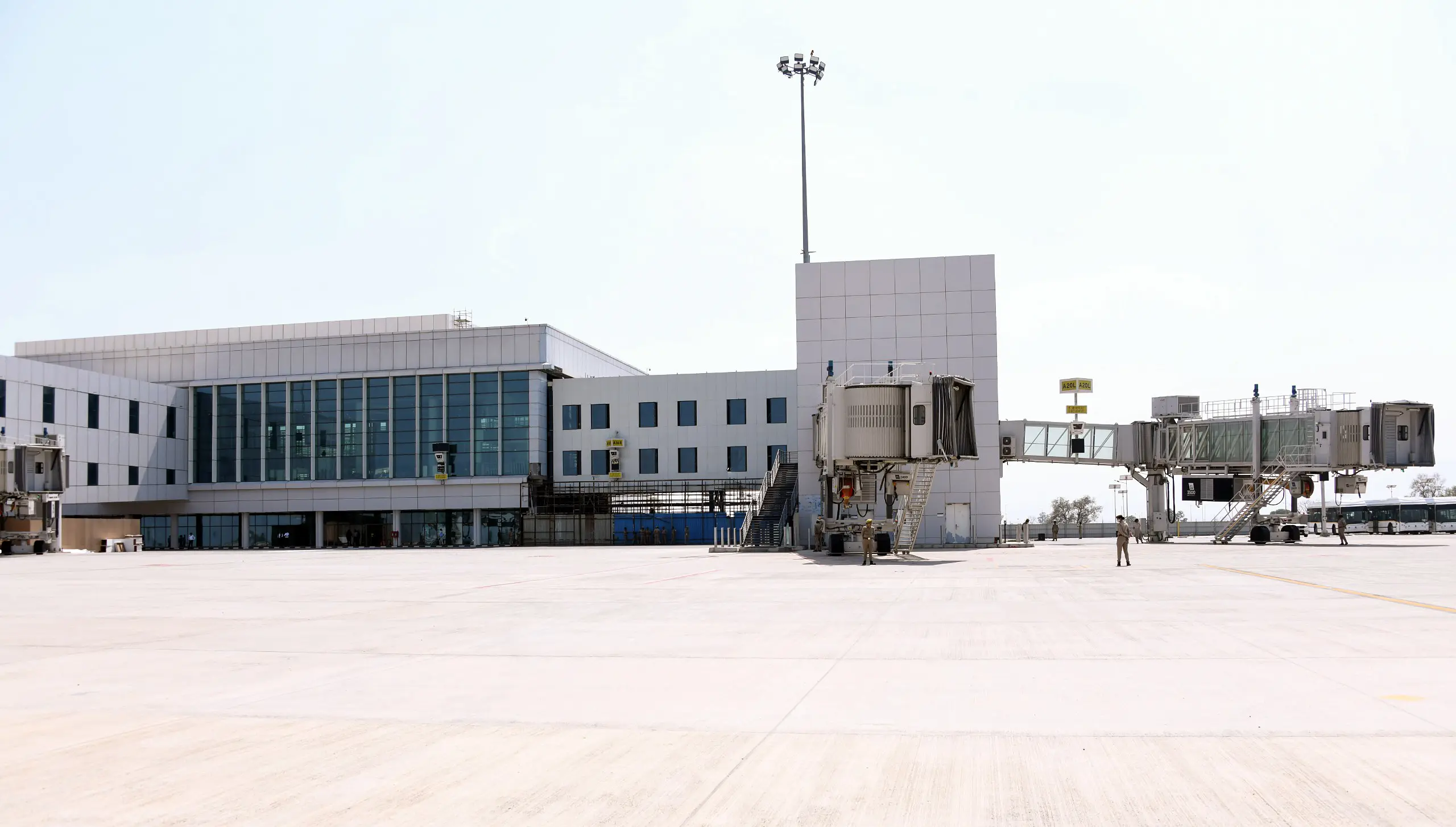
4. Built for wide-body aircraft
The aerodrome includes parking stands for Code C and Code D/F aircraft and ARFF Category 9 safety systems. This allows it to handle wide-body aircraft such as the Boeing 777-300ER, supporting both passenger and cargo operations.

5. Phased development and investment scale
Phase I of Noida International Airport has been developed at an investment of around Rs. 11,200 crore under the Public-Private Partnership (PPP) model. The wider project, however, is being executed in four phases with an estimated total outlay of Rs. 29,560 crore. This phased expansion plan is designed to steadily scale passenger and cargo capacity, ultimately positioning the airport as one of India’s largest aviation hubs once fully completed.
6. Scalable passenger capacity
In its first phase, the airport is designed to handle around 12 million passengers annually. With expansion planned in multiple phases, total capacity is expected to rise to 70 million passengers per year, positioning it as a major aviation hub.
7. flights were expected to start within 45 days
The project includes a multi-modal cargo hub aimed at strengthening logistics in northern India. Its location along the Yamuna Expressway enhances connectivity to industrial and commercial centres. The DGCA issued the aerodrome licence to the airport on March 6, 2026. After this approval, cargo and domestic flights were expected to start within 45 days, as per the project plan.
8. Regional connectivity and growth
Highlighting its broader impact, Modi said the airport would “connect north India to the entire world” and act as a catalyst for development in cities such as Agra, Mathura and Ghaziabad. The airport is expected to create employment opportunities and support regional economic expansion.
)
)
)
)
)