What makes it so powerful? Know how the US can strike Iran without entering its airspace

The US military employs 'standoff' warfare to strike Iran without entering its airspace. Key assets include Tomahawk Block V missiles with a 1,600 km range, stealthy JASSM-ERs, and Ohio-class submarines carrying 154 missiles. These technologies allow precise remote attacks.

The Concept of Standoff Warfare
Standoff warfare is a tactical approach where military forces launch attacks from outside the range of enemy defences. For the US, this involves deploying weapons that travel significantly further than Iran’s surface-to-air missiles can reach. This method ensures that American pilots and naval vessels remain in international waters or airspace, avoiding immediate retaliation while striking high-value targets effectively.
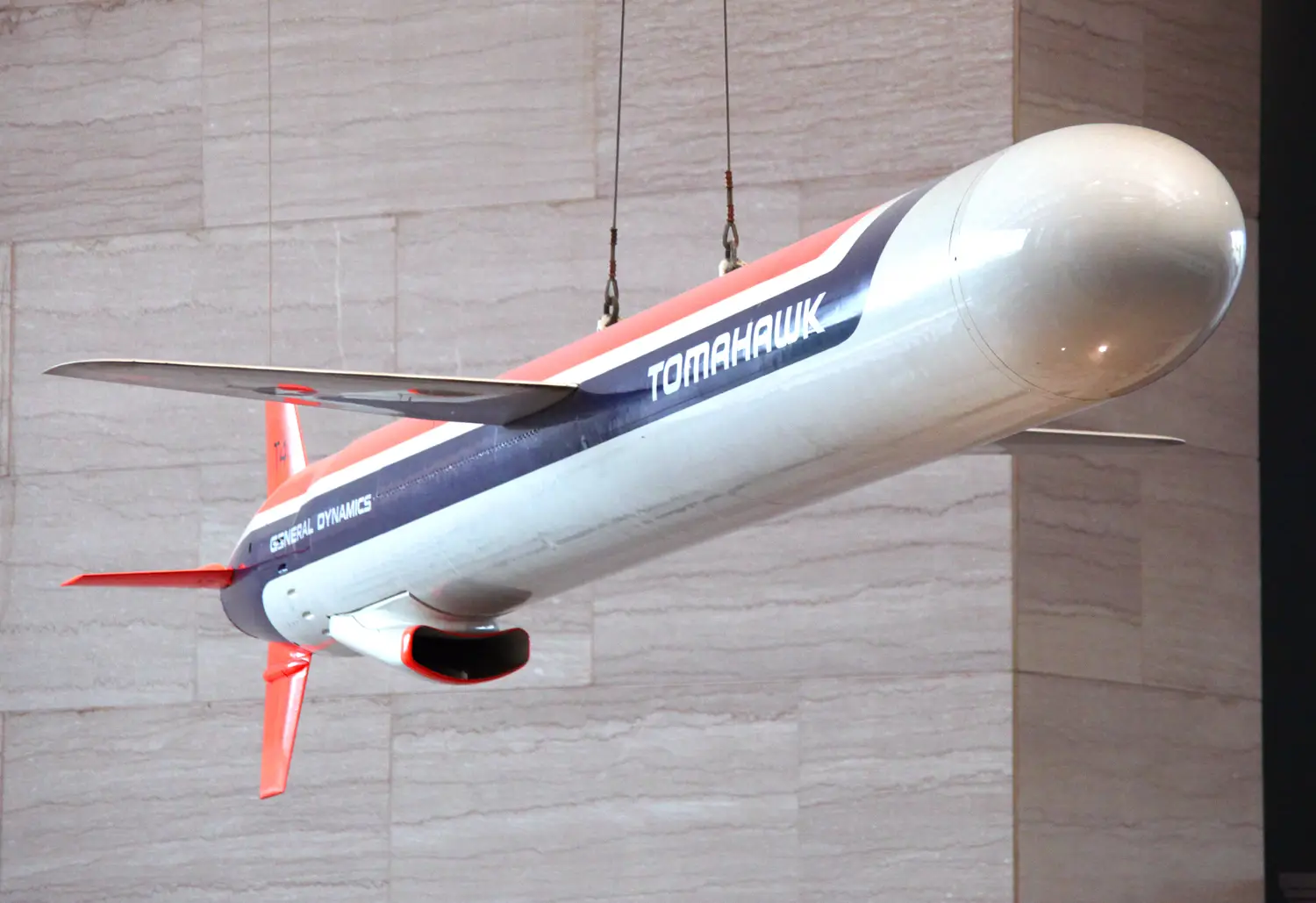
Tomahawk Block V Missiles
The Tomahawk cruise missile remains the cornerstone of US long-range strike capabilities, designed to fly at low altitudes to evade radar. The modern Block V variant boasts a range exceeding 1,600 kilometres, allowing strikes from the Red Sea. These missiles utilise satellite guidance to hit heavily defended infrastructure with pinpoint accuracy while the launch ship stays safely distant.
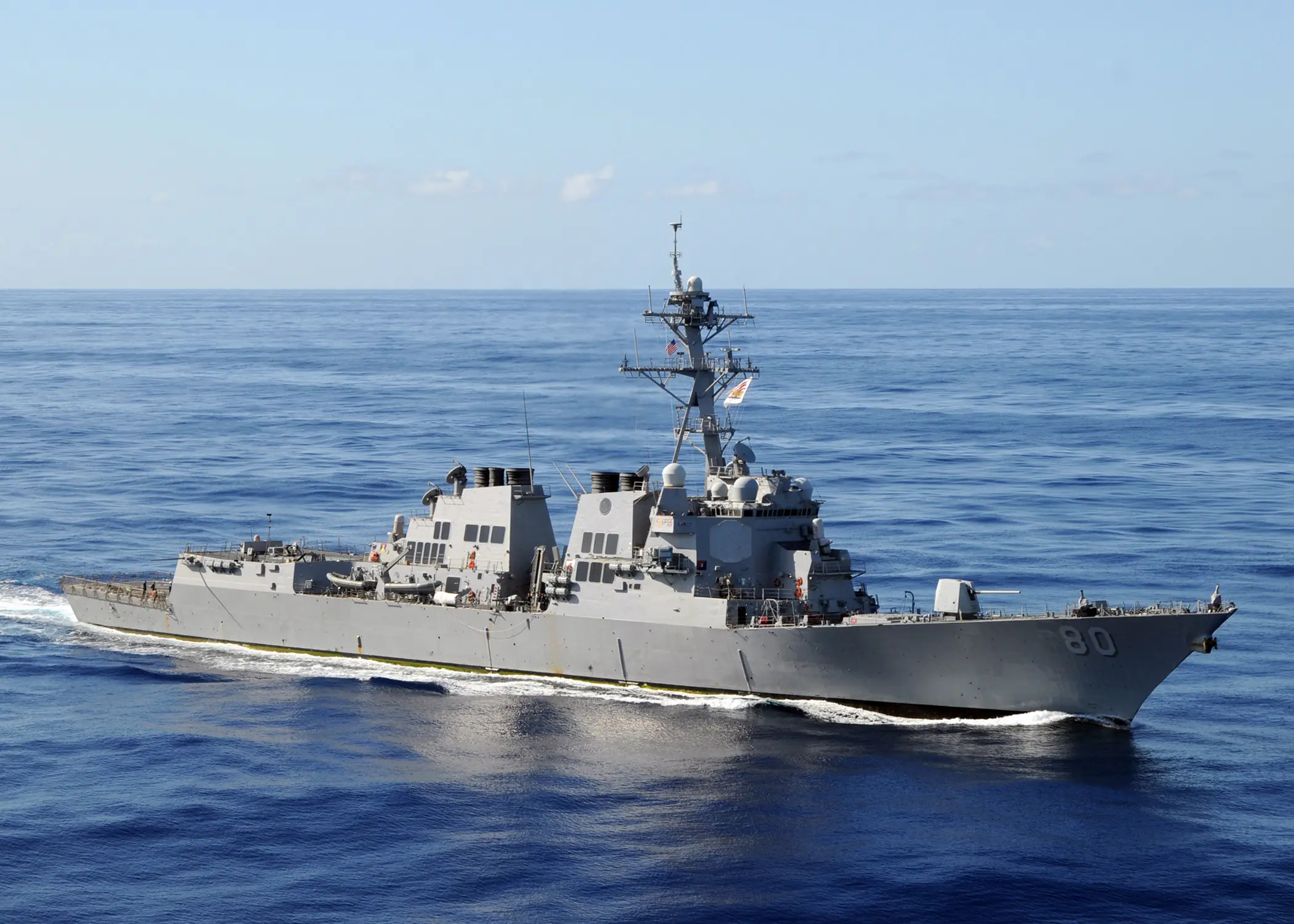
Arleigh Burke-class Destroyers
As Ticonderoga-class cruisers retire, the Arleigh Burke-class destroyers have become the primary surface platforms for US strikes in the region. These ships patrol the Middle East equipped with Vertical Launch Systems capable of firing dozens of Tomahawk missiles rapidly. They serve as mobile floating bases, ready to initiate operations from the Arabian Sea without ever entering the Persian Gulf.
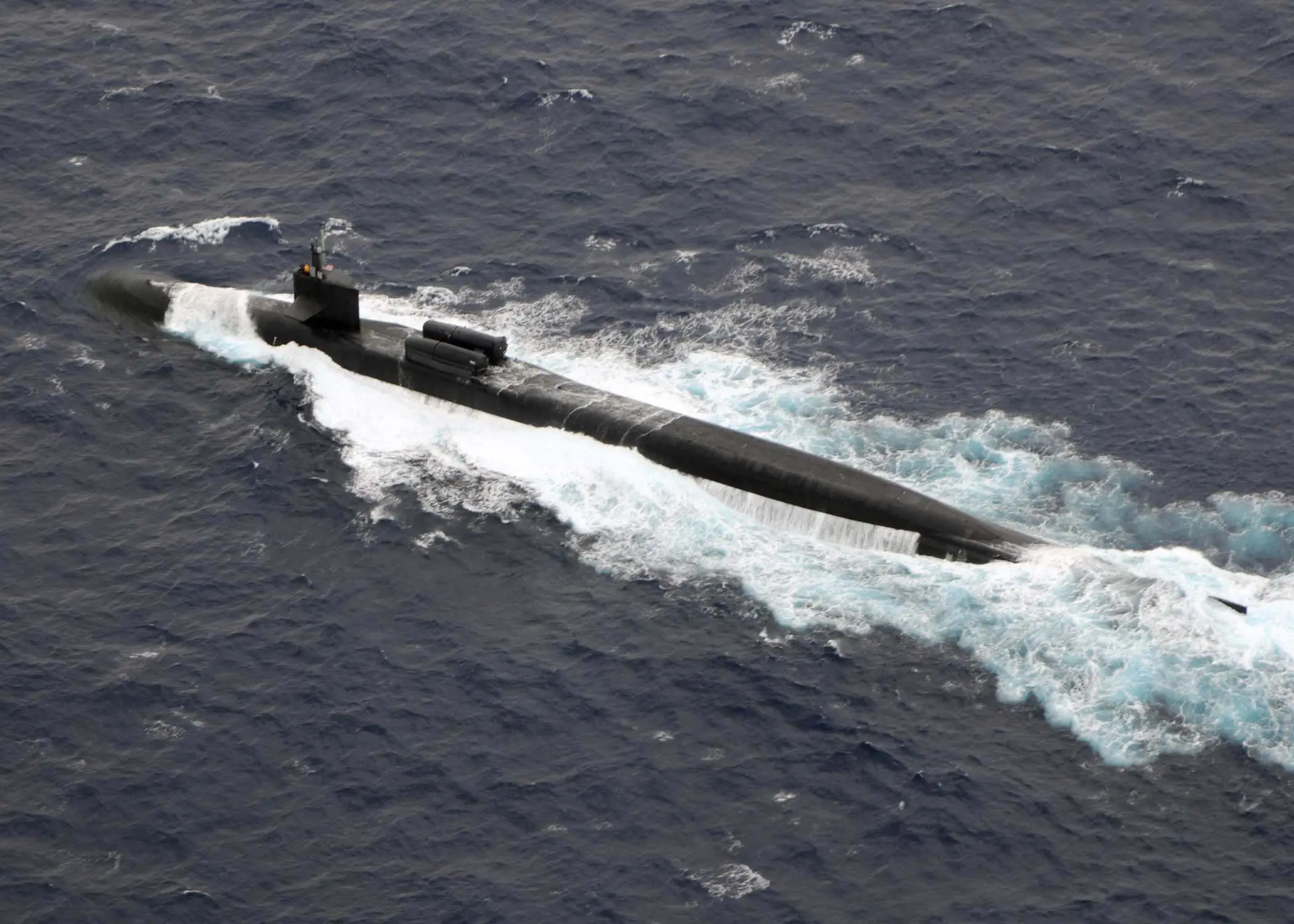
Ohio-class Guided-Missile Submarines
Converted Ohio-class submarines, such as the USS Florida and USS Georgia, offer a massive covert strike capability. A single vessel can carry up to 154 Tomahawk land-attack missiles, which is more than an entire surface task force. These submarines can remain submerged for weeks, surfacing only to launch a devastating volley before disappearing, making them nearly impossible to track.
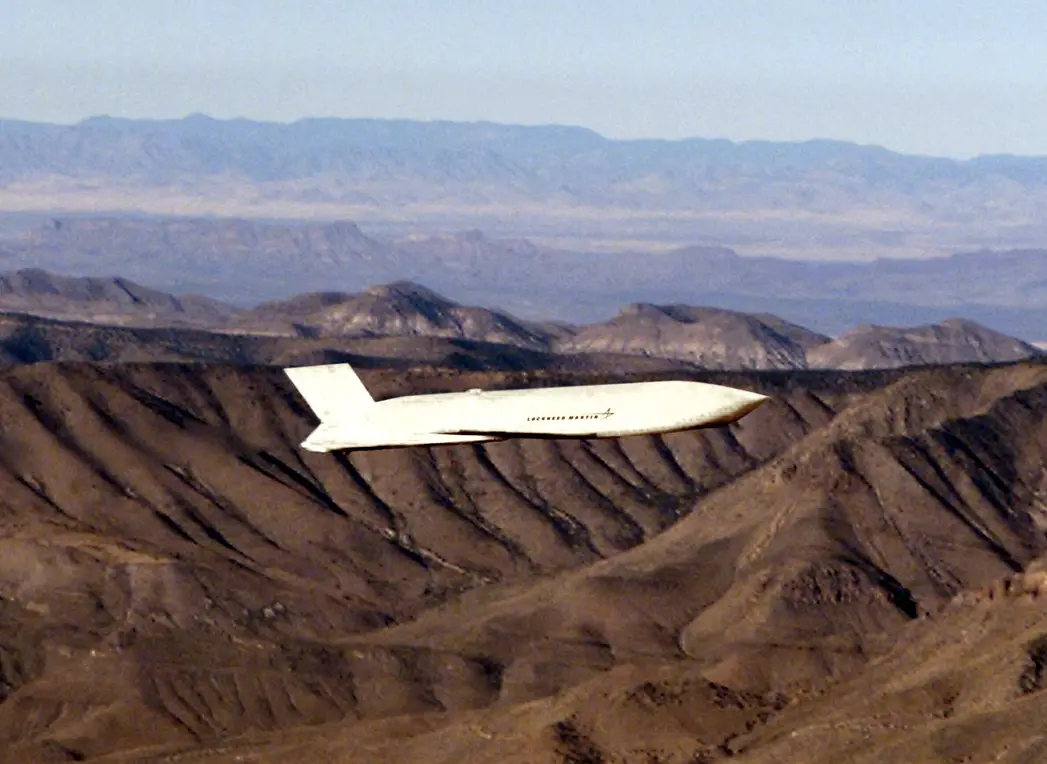
B-52 Bombers and JASSM-ER
The Joint Air-to-Surface Standoff Missile-Extended Range (JASSM-ER) is a critical asset for modern US air power. With a range of approximately 1,000 kilometres, this stealthy cruise missile is designed to penetrate sophisticated air defence networks. It allows aircraft like the F-15E to destroy command centres from well outside the lethal range of Iranian radar systems.
Aircraft Carrier Strike Groups
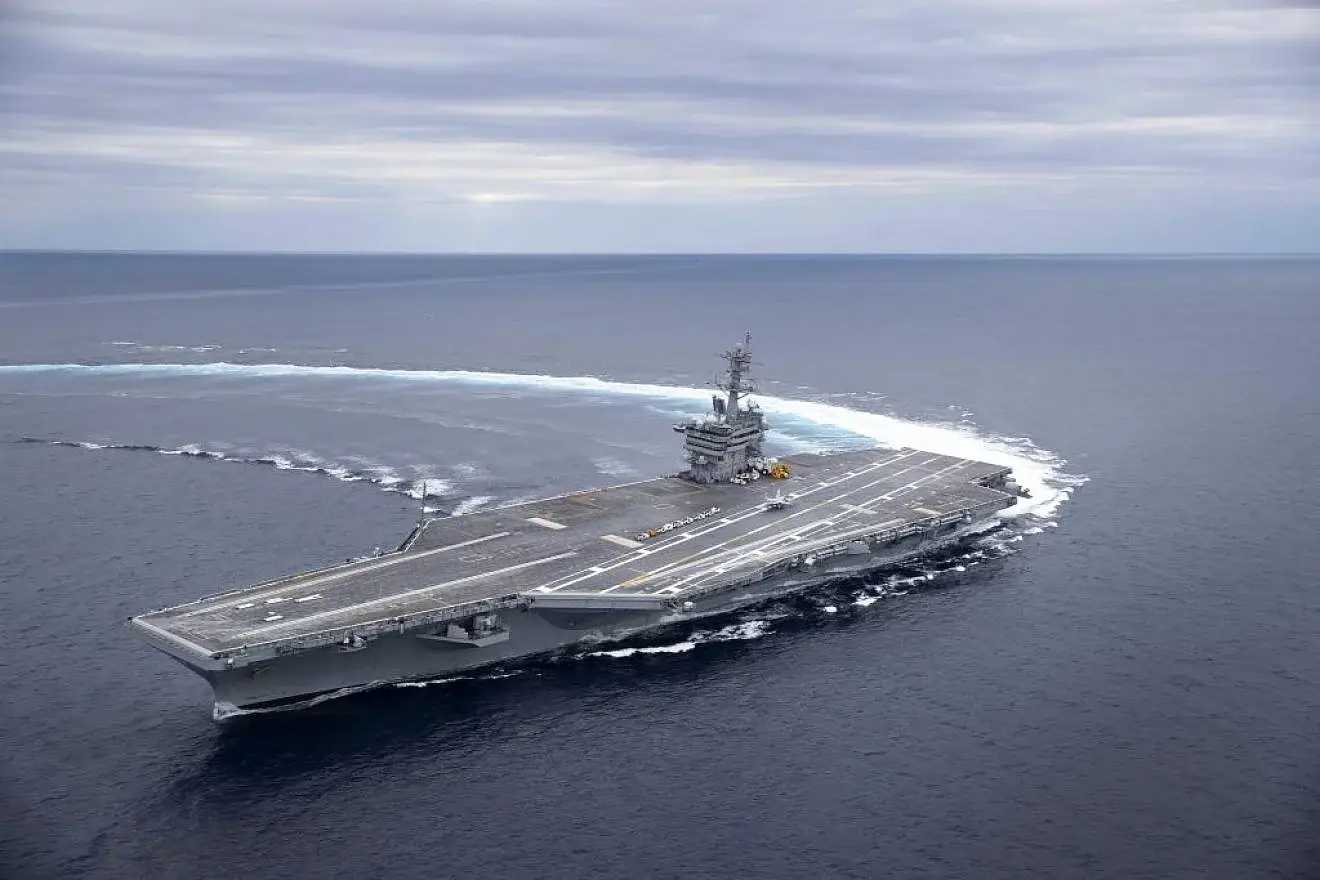
US aircraft carriers like the USS Abraham Lincoln function as mobile airfields in international waters, projecting power safely. The air wing launches fighters that can deploy standoff weapons far from the Iranian coast, ensuring the ship remains out of danger. This capability extends the US reach across the Iranian plateau while protecting the multi-billion dollar vessel from asymmetric threats.

Cyber Warfare Capabilities
Not all US strikes are kinetic; US Cyber Command possesses the ability to target critical infrastructure digitally. Operations can disrupt Iran’s power grids or missile command systems remotely, causing operational paralysis. This form of warfare allows the US to damage physical equipment and neutralise threats without firing a single missile or crossing territorial borders.
Electronic Warfare and Jamming
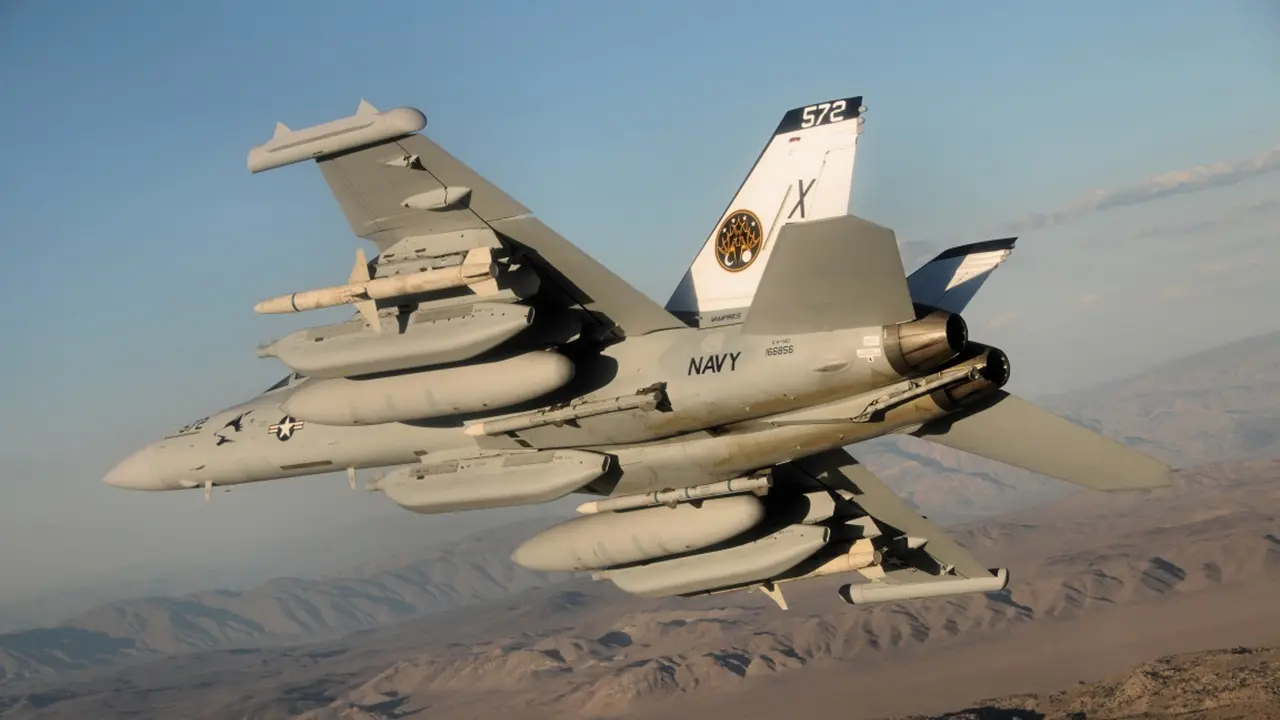
US aircraft like the EA-18G Growler specialise in electronic warfare, using systems like the Next Generation Jammer to blind enemy sensors. These aircraft operate from a safe distance to jam Iranian radar frequencies, creating an 'electronic fog'. This non-kinetic attack degrades the enemy's ability to coordinate a response, effectively clearing the path for incoming projectiles.
MQ-4C Triton Drones
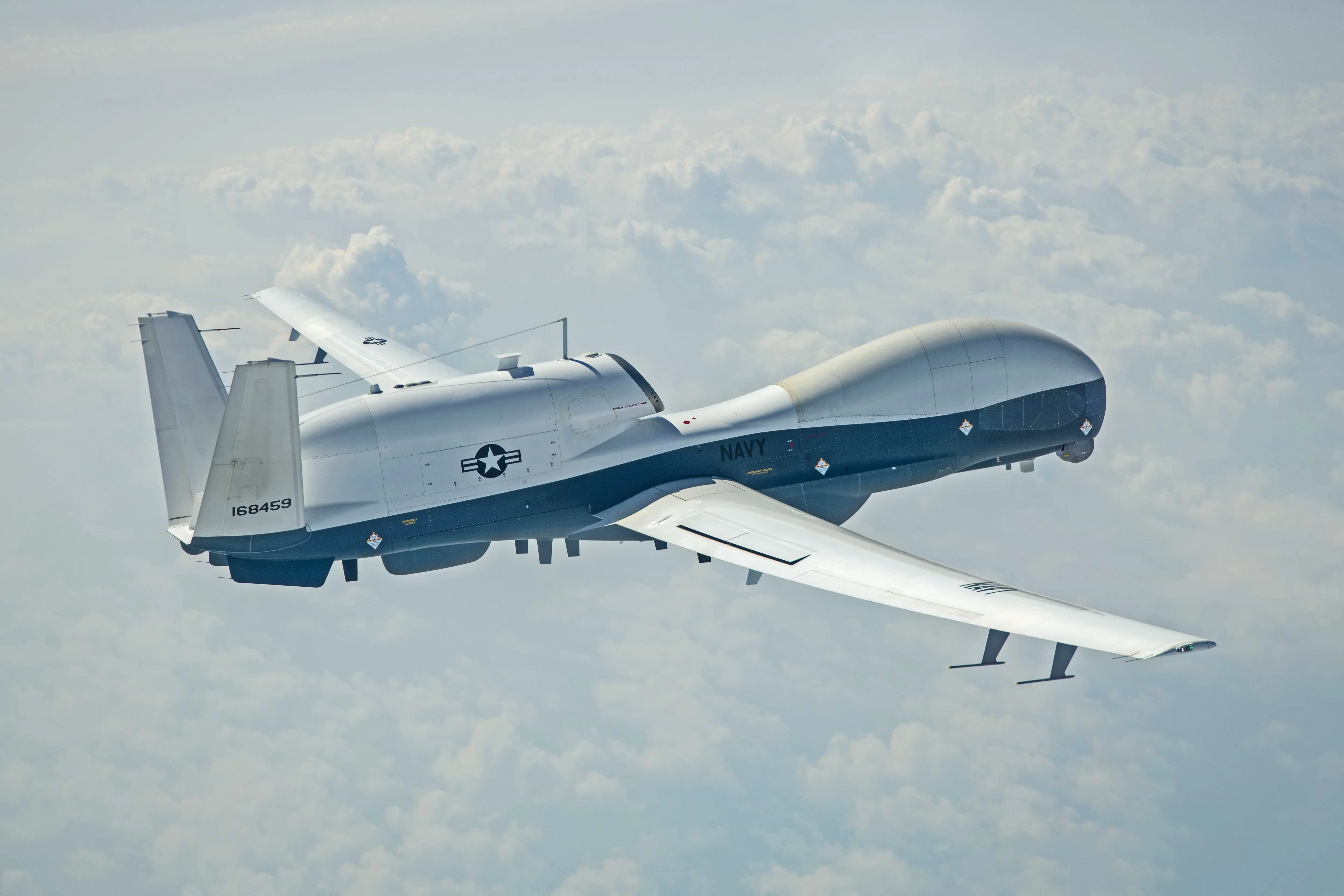
Precision strikes rely on accurate data provided by high-altitude assets like the MQ-4C Triton drone. Capable of flying for over 24 hours at altitudes above 50,000 feet, it provides persistent surveillance of maritime and coastal areas. This intelligence allows US planners to programme missiles with exact coordinates, ensuring strikes hit intended targets while minimising collateral damage.
)
)
)
)
)