What makes high-G fighter jet components different from standard aerospace parts?

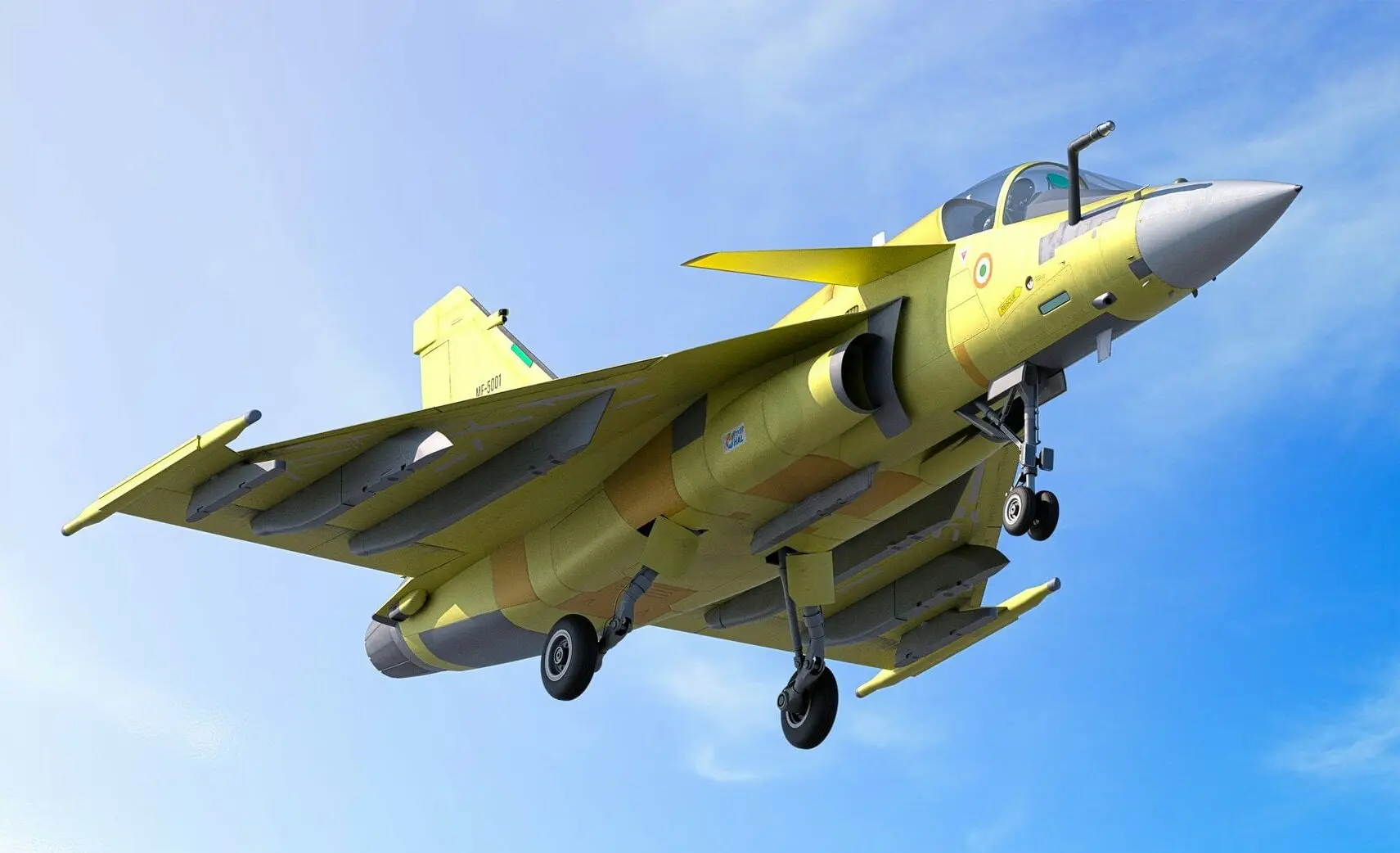
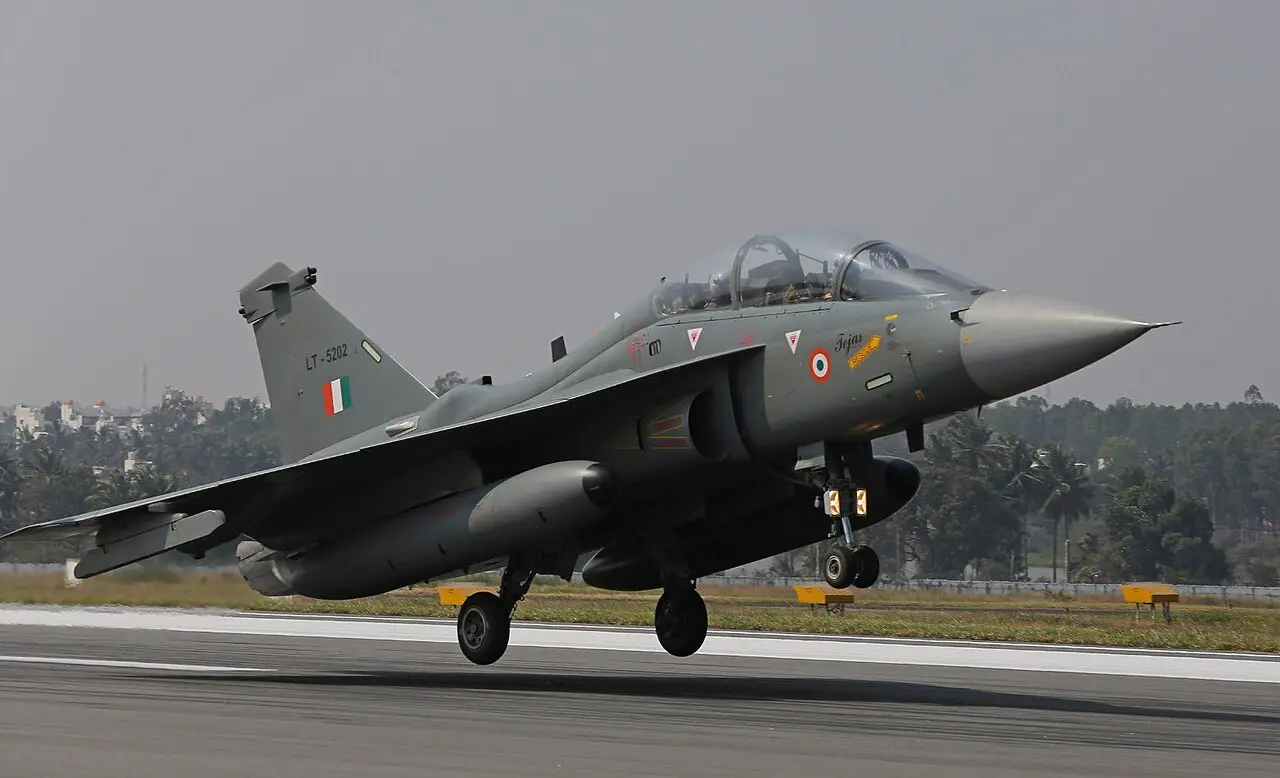
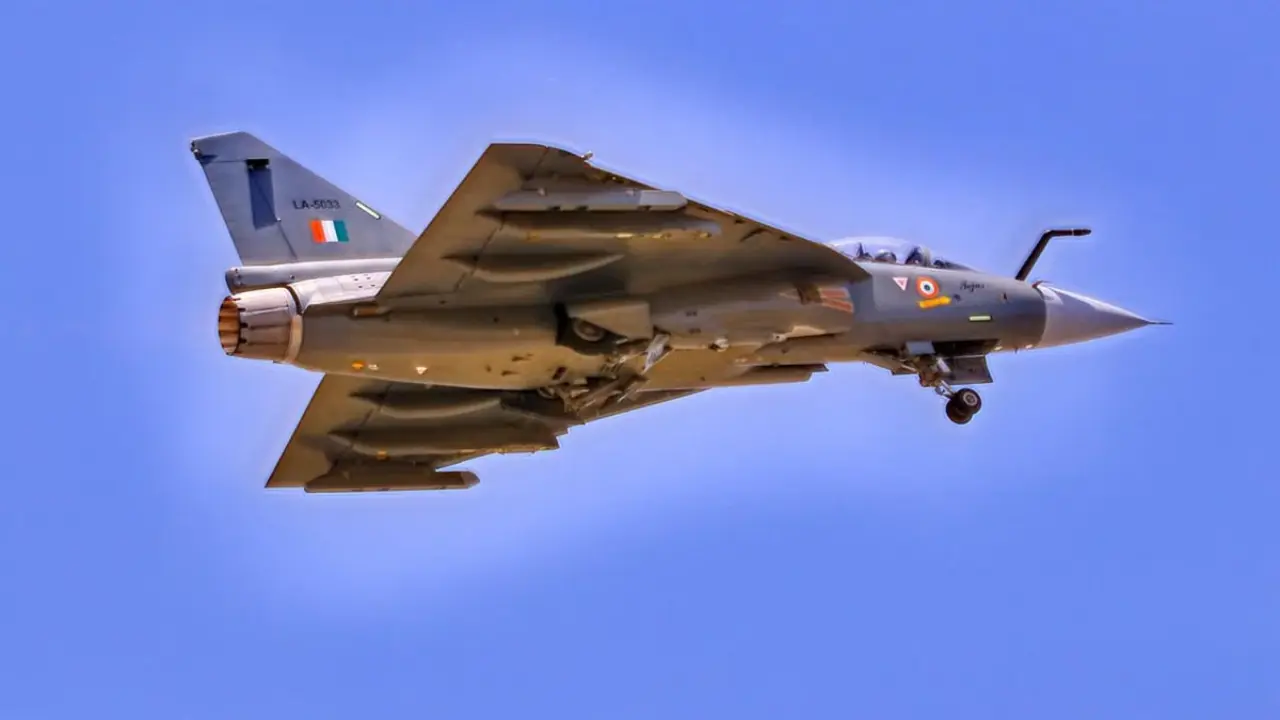
Fighter jets like Tejas are built for 8-9 G, extreme heat and combat damage, unlike commercial aircraft designed for comfort and efficiency. From titanium mounts to quadruplex controls and higher safety margins, every part reflects a totally different design philosophy you rarely hear about.
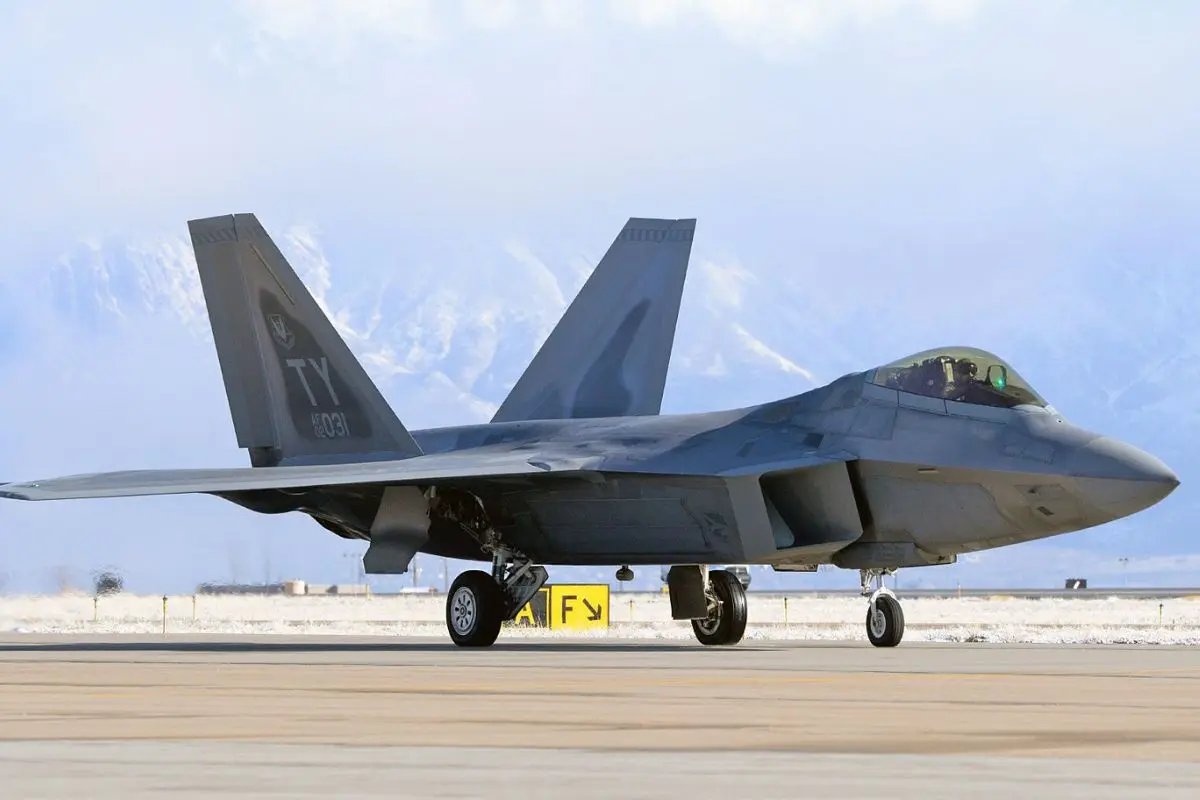
Design G-Force Differences
Commercial aircraft are designed for 2.5 to 3 G-forces maximum. Tejas fighters are designed for 8 to 9 G-forces. This fundamental difference drives everything else. All components must handle eight times more force. Every connection point, bracket, and fastener designed accordingly.
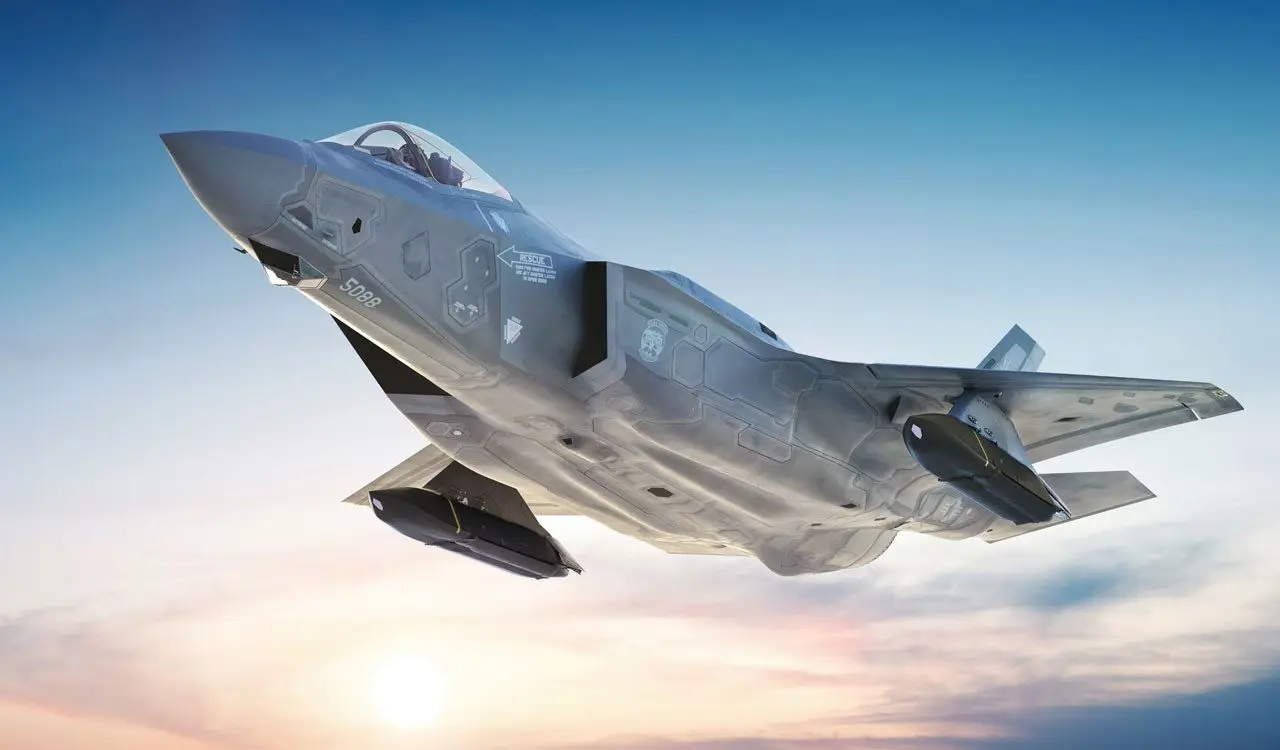
Fighter Uses Titanium, Commercial Aircraft Uses Aluminium
Commercial aircraft use aluminium for weight and cost. Titanium costs more and is heavier but handles extreme temperatures. Tejas engine mounting uses titanium rated for 600 degrees Celsius. Commercial aircraft engine mounts are aluminium. The temperature difference alone shows the performance gap.
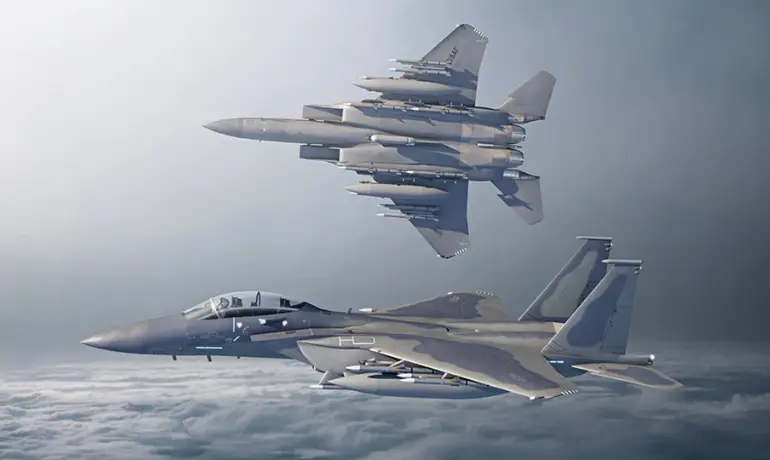
Composite Usage
Tejas Mk2 uses 55 percent composite materials by weight. Commercial airliners use only 25 percent composites. Composites in fighters handle high stress and vibration. Commercial aircraft emphasise durability over extreme performance. The difference reflects different mission profiles and operating conditions.
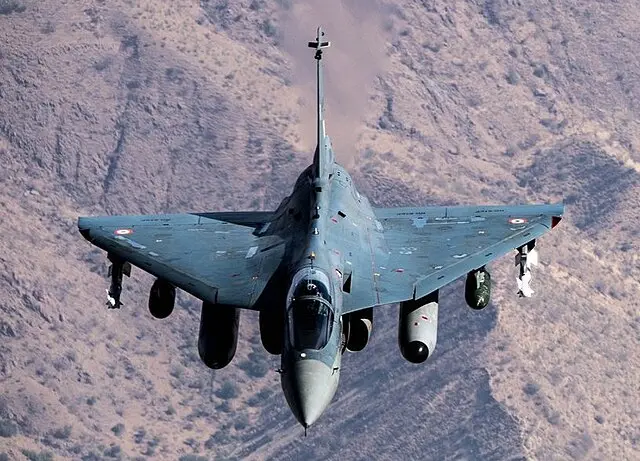
System Redundancy
Tejas has quadruplex fly-by-wire systems with four independent channels. Commercial aircraft typically use dual or triple redundancy. Each Tejas channel has failure probability less than one in one billion per flight hour. Commercial aircraft accept higher failure risk to reduce weight and cost.
Safety Factor Margins
Fighter components use 1.5 to 2.0 times safety factor. Commercial aircraft use 1.15 to 1.5 times safety factor. This means fighter parts operate at much lower stress relative to breaking point. The higher margin protects against unknown variables and pilot errors during combat.
Failure Mode Design
Fighter parts degrade gradually when damaged. Pilots can continue flying with degraded performance. Commercial aircraft are designed to prevent failures completely. Fighters accept that combat damage will happen. Design philosophy emphasizes continuing operation despite damage.
Engine Performance Priorities
Fighter engines are designed for maximum thrust production. Fuel efficiency matters less than performance. Commercial engines prioritise fuel efficiency for profitability. Fighter engines reach maximum thrust rapidly during combat. Commercial engines operate at steady cruise power most of the time. The design philosophy is completely opposite.
)
)
)
)
)