What makes Haven-1 the world’s first commercial space station that feels like a luxury hotel?

Developed by the California-based company Vast, Haven-1 aims to redefine human habitation in space by combining cutting-edge technology with human-centric design, offering a unique experience for astronauts and private visitors alike. The space station is being built in support of NASA.

Introduction: A New Era in Space Habitation
In May 2026, the world will witness a groundbreaking milestone in space exploration: the launch of Haven-1, the first commercial space station designed with the comfort and aesthetics of a luxury hotel, according to CNN. Developed by the California-based company Vast, Haven-1 aims to redefine human habitation in space by combining cutting-edge technology with human-centric design, offering a unique experience for astronauts and private visitors alike. The space station is being built in support of NASA.
A Spacecraft with Hotel-Like Comfort
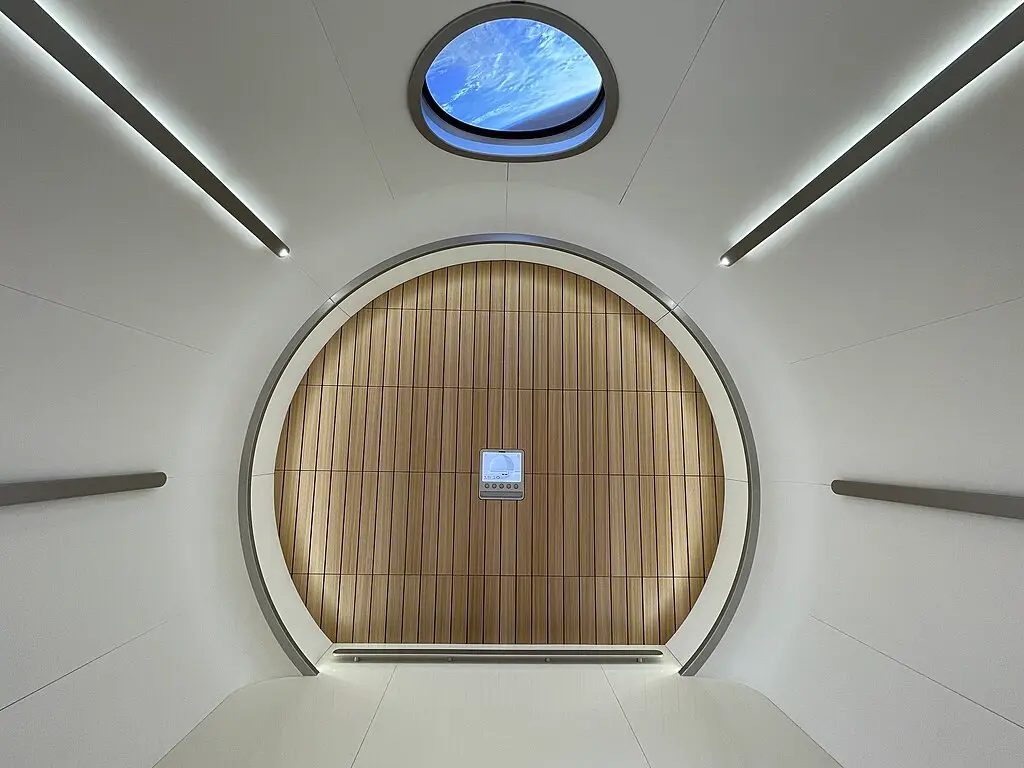
Unlike the utilitarian design of the International Space Station (ISS), Haven-1 boasts interiors that prioritises comfort and functionality. The station will allegedly feature four private crew quarters, each equipped with a queen-sized bed, storage, and a vanity unit. These rooms are being designed to provide astronauts with a restful environment, complete with a patent-pending sleep system tailored for microgravity conditions. The use of warm materials, such as maple wood veneer, adds a touch of homeliness to the otherwise sterile environment of space.
Advanced Amenities for Extended Missions
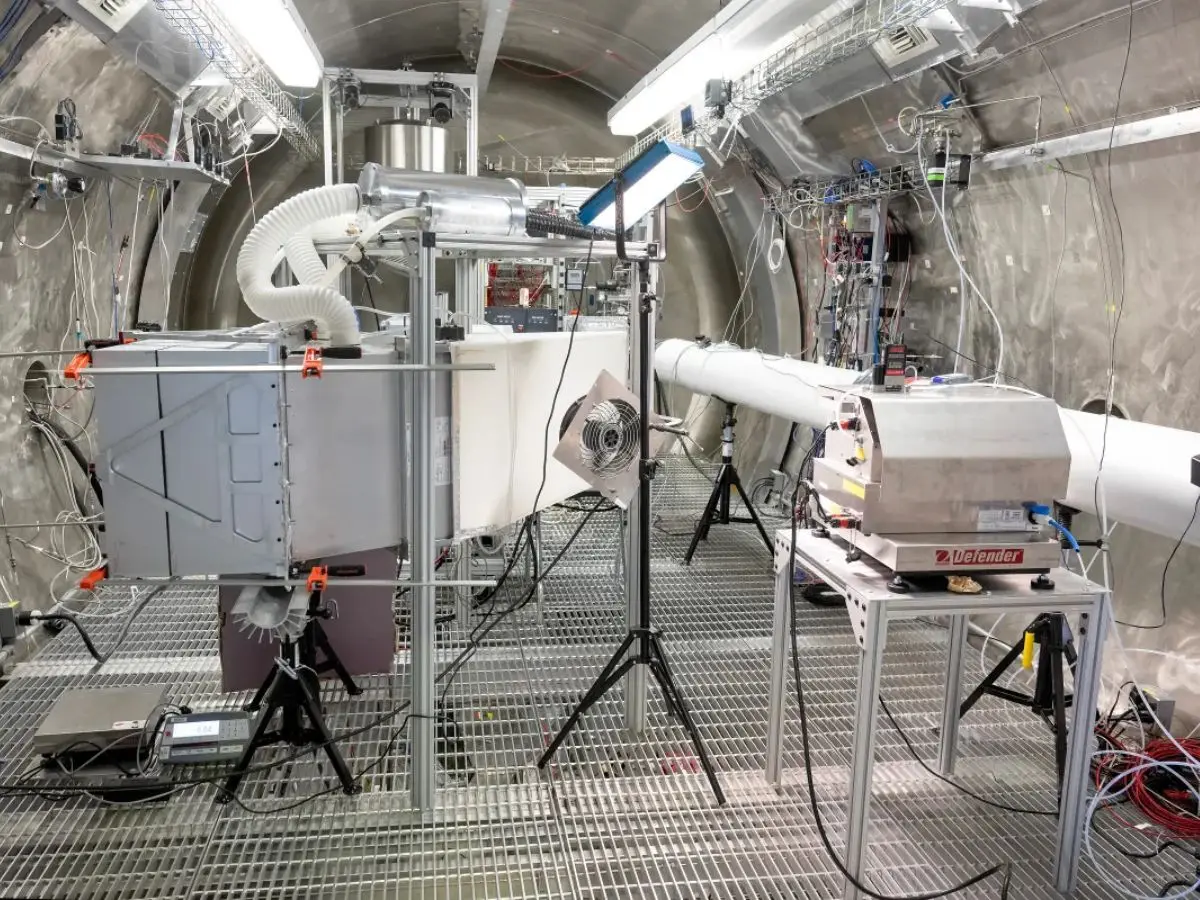
Haven-1 is not just about comfort; it is also equipped with state-of-the-art amenities to support extended missions. The station includes a microgravity research facility, the Haven-1 Lab, which offers ten payload slots for scientific experiments. Each slot can accommodate up to 30 kilograms of equipment, enabling research in areas like human health, plant growth, and protein crystallization. Additionally, the station will provide high-speed internet connectivity via SpaceX's Starlink, allowing astronauts to communicate with loved ones and access information from Earth.
A Multifunctional Common Area
At the heart of Haven-1 lies a 24 cubic meter common area designed for relaxation, dining, and collaboration. This multifunctional space features a deployable multi-use table, a 1.1-meter domed window offering panoramic views of Earth, and an onboard fitness system to maintain physical health in microgravity. The common area serves as a hub for social interaction and scientific collaboration, fostering a sense of community among the crew.

Strategic Partnerships and Launch Plans
Vast has partnered with SpaceX to launch Haven-1 into low-Earth orbit aboard a Falcon 9 rocket. The collaboration with SpaceX ensures a reliable and efficient launch process, leveraging the proven capabilities of the Falcon 9. The launch is scheduled for May 2026, with the station expected to be operational shortly thereafter.

Implications for the Future of Space Travel
The development of Haven-1 marks a significant step toward the commercialization of space. By offering a comfortable and functional environment, Vast aims to make space travel more accessible to private individuals and researchers. The success of Haven-1 could pave the way for future commercial space stations, contributing to the growth of a sustainable space economy.
)
)
)
)
)