What makes BrahMos nearly Mach 3 fast? Understanding the ramjet system behind its power

Capable of sustaining speeds close to Mach 2.5-2.8 from launch to impact, BrahMos combines rocket‑booster thrust, air‑breathing ramjet propulsion, aerodynamic design, and sophisticated guidance to deliver destructive power with precision.
Introduction: more than a missile — a scientific feat in motion
BrahMos is not just one of the world’s fastest cruise missiles, it is a demonstration of high‑precision engineering and advanced propulsion science. Capable of sustaining speeds close to Mach 2.5-2.8 from launch to impact, BrahMos combines rocket‑booster thrust, air‑breathing ramjet propulsion, aerodynamic design, and sophisticated guidance to deliver destructive power with precision. Understanding how these elements work together reveals why BrahMos remains a benchmark for supersonic cruise‑missile design.
Dual‑stage propulsion: rocket booster and liquid‑fuel ramjet
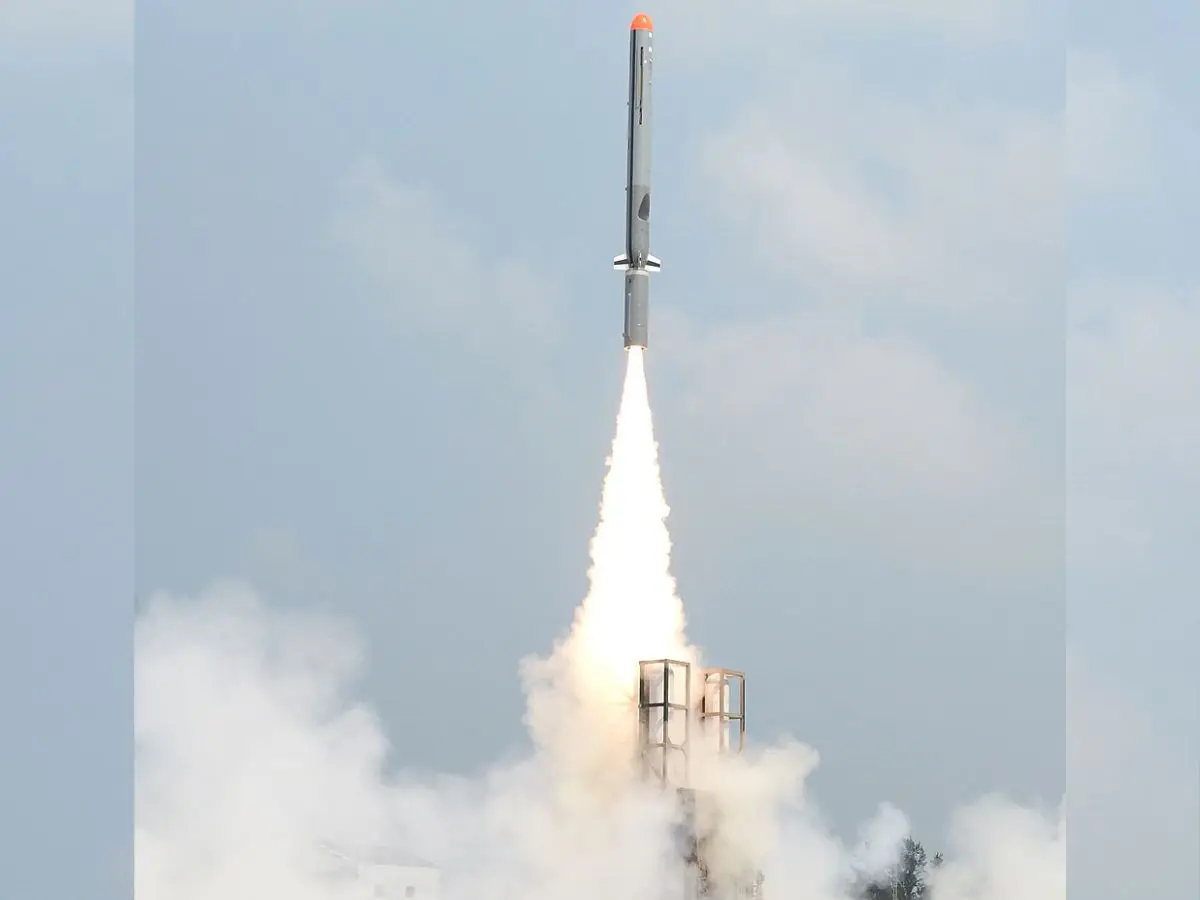
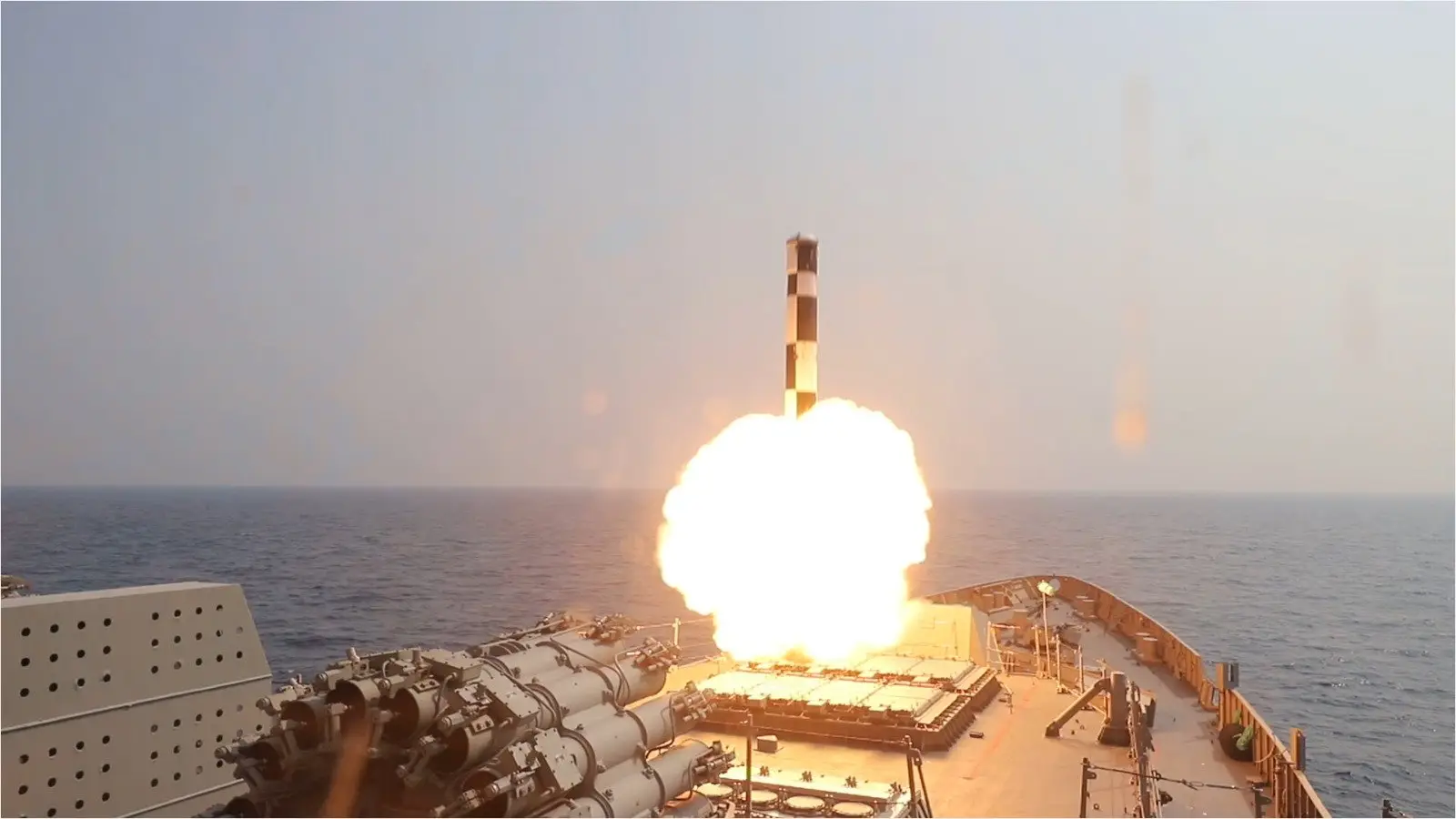
BrahMos uses a two-stage propulsion system. The first stage employs a solid‑propellant rocket booster that gives the missile the initial high-speed thrust needed to break through the sound barrier soon after launch. Once sufficient velocity is reached, the solid booster separates and the second stage, a liquid‑fuel ramjet, ignites.
How it reaches supersonic speeds?
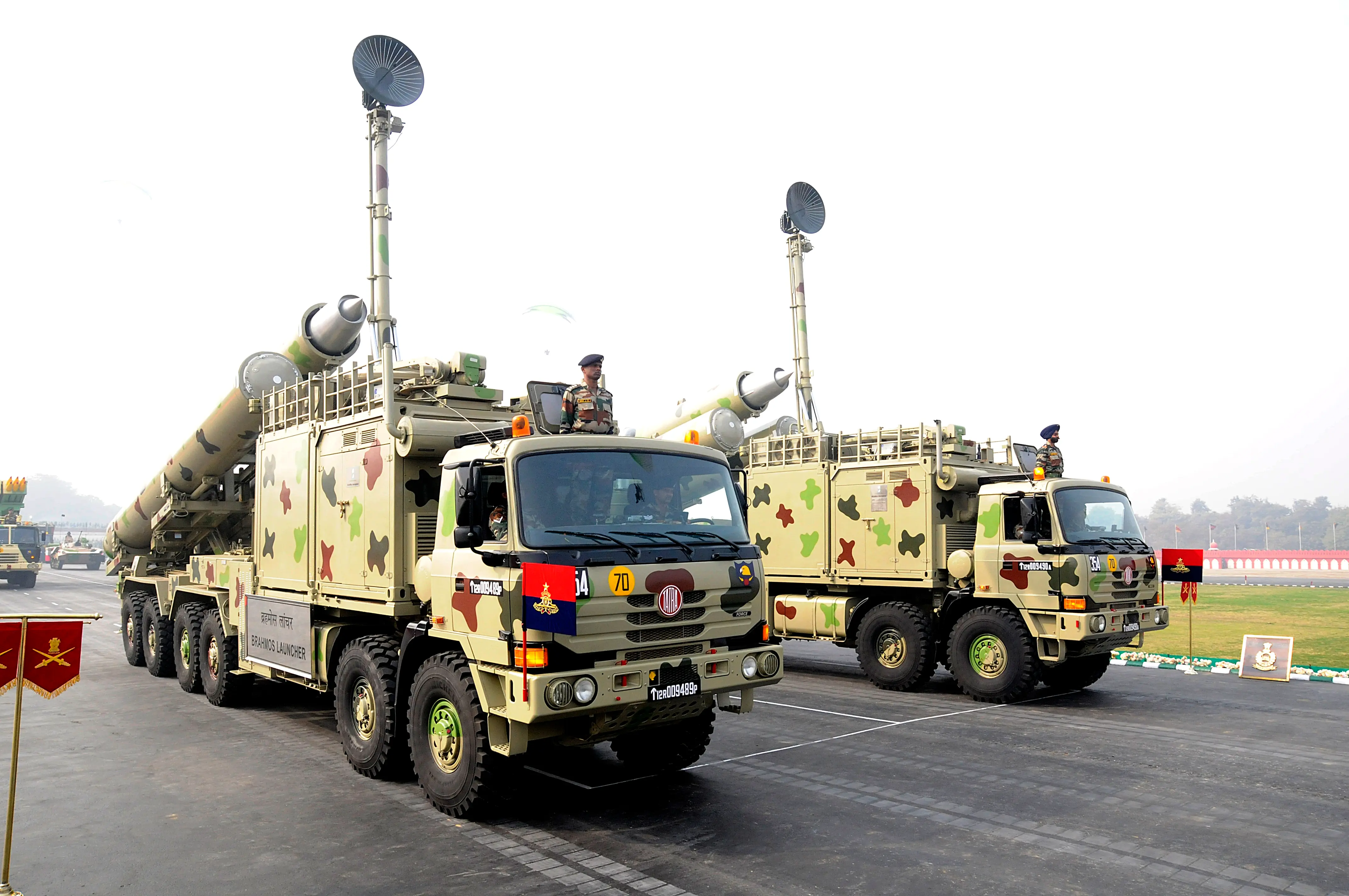
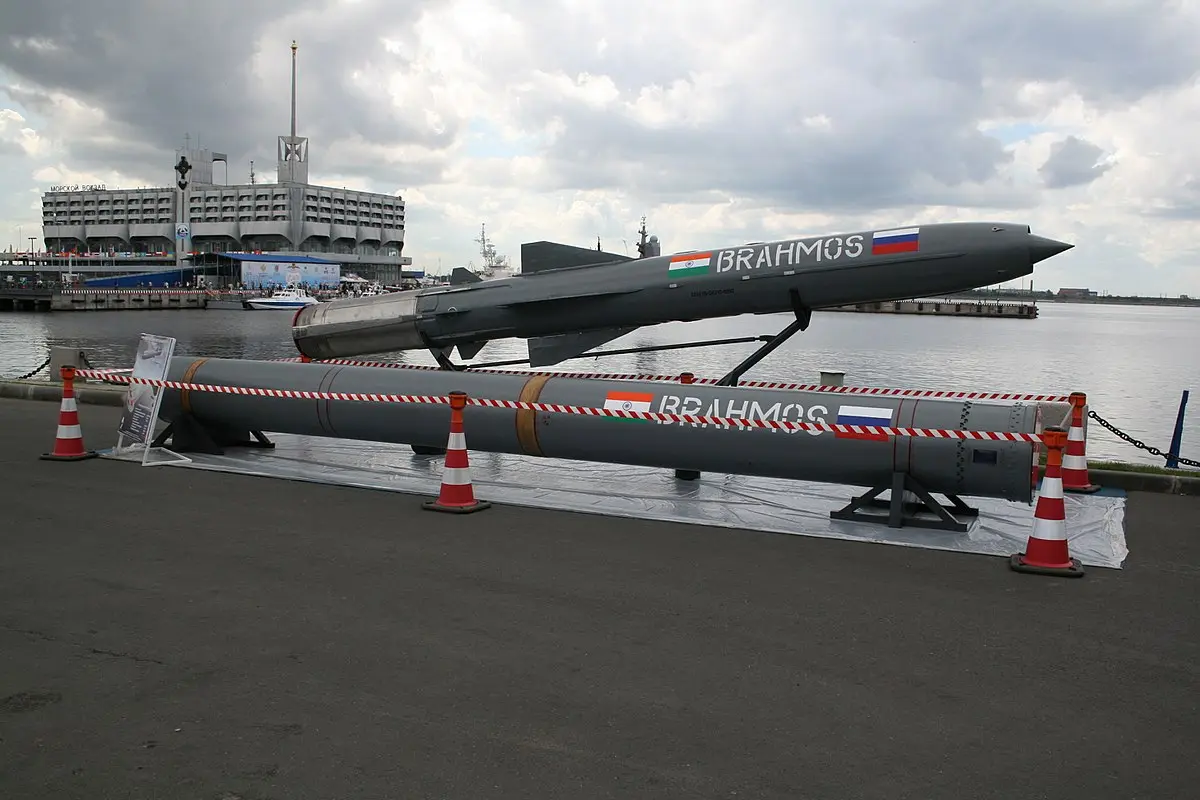
The ramjet is an air‑breathing engine: in flight, the forward motion compresses incoming air without moving parts, mixes it with fuel, and sustains continuous combustion. This allows BrahMos to cruise at supersonic speeds far more efficiently than a pure‑rocket missile, giving it a potent combination of speed and range. The missile uses a Transport Launch Canister (TLC) for transportation, storage and launch. The canister for the missile also serves the dual purpose of a container (to store and transport the missile) and also that of a launching tube.
Inside the ramjet: key components that make Mach 3 possible
The ramjet powering BrahMos is built around a small set of highly engineered components that work together with remarkable simplicity. At the front is the inlet, a precisely shaped duct that slows and compresses incoming air as the missile moves forward at high speed. This compressed air flows into the combustion chamber, where it is injected with liquid fuel and ignited, producing a steady stream of high-pressure exhaust. A carefully calibrated nozzle at the rear accelerates this exhaust to generate thrust. Because the ramjet has no compressor or turbine, it relies entirely on the missile’s velocity to maintain airflow, which is why BrahMos must be boosted to supersonic speed before the ramjet can operate. This minimalist, efficient design is one of the reasons the missile can sustain close to Mach 3 for extended periods.
Aerodynamics and structural design for high‑speed cruise
To sustain Mach 3 flight, BrahMos’s airframe is engineered for minimal drag and robust stability. Its slender body, carefully shaped nose cone, and control surfaces help manage airflow and heat load. These design features maintain stability even as the missile endures intense aerodynamic stress and heating during supersonic flight.
Sea‑skimming terminal profile: stealth meets speed
One of the combat advantages of BrahMos is its terminal flight profile. After cruising at altitude (up to 15 km), it descends sharply to sea‑skimming heights, often just a few metres above the water surface, in the final phase. This low-altitude approach, combined with its high velocity, makes detection and interception extremely difficult for radar and air‑defence systems.
Guidance, navigation and 'fire‑and‑forget' capability
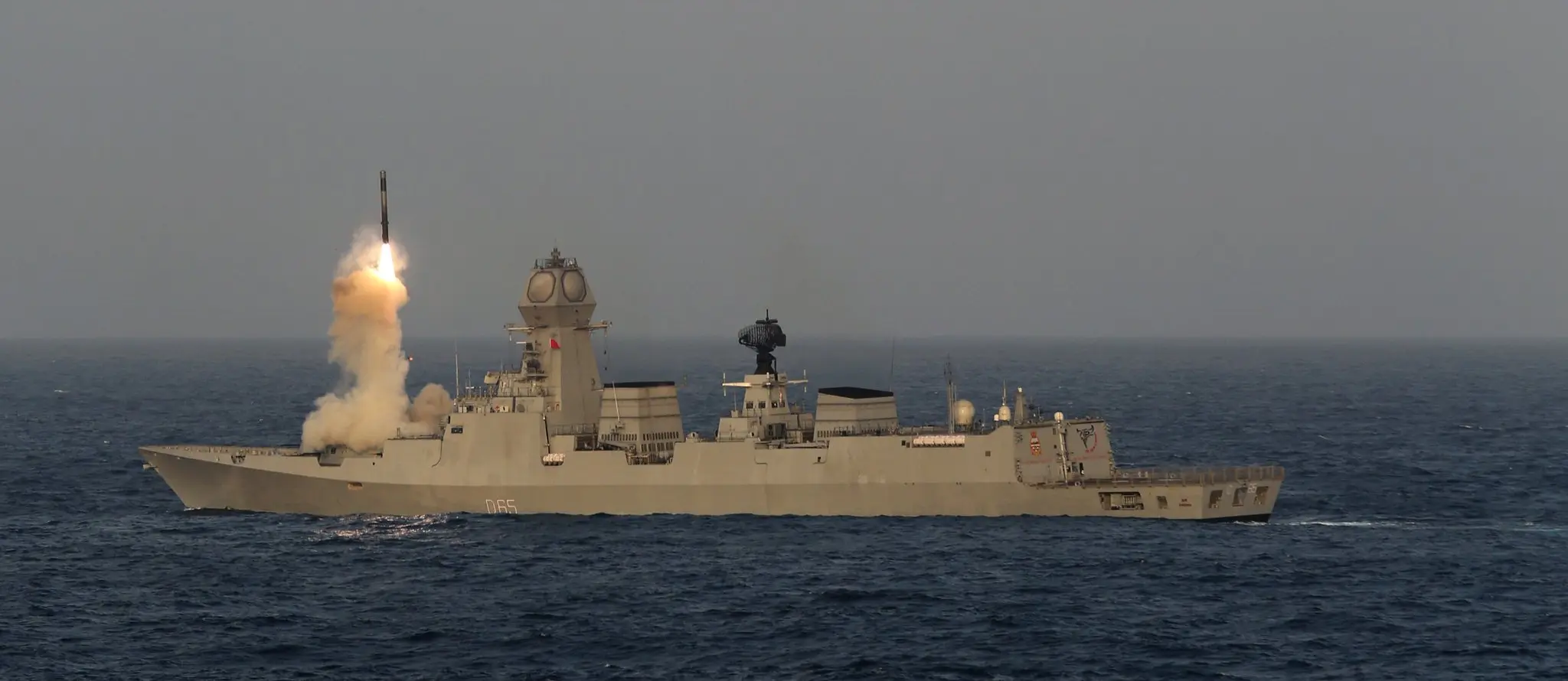
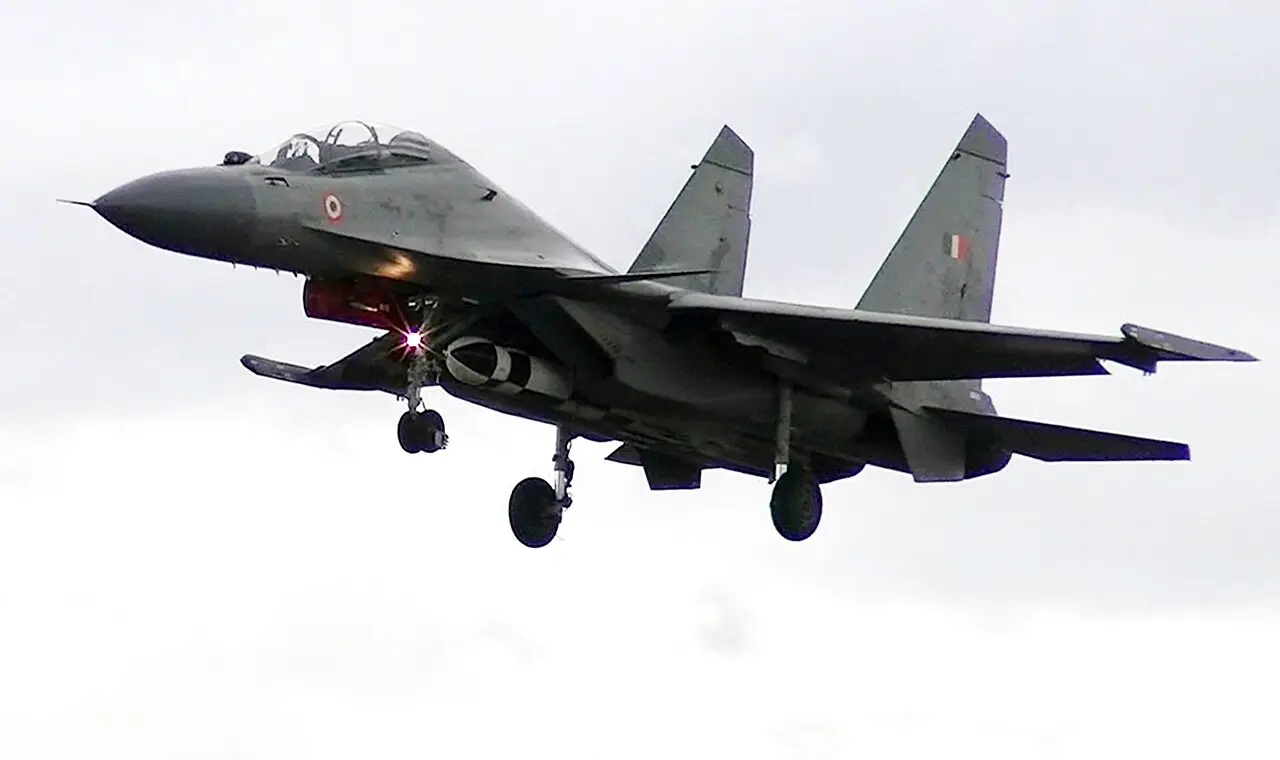
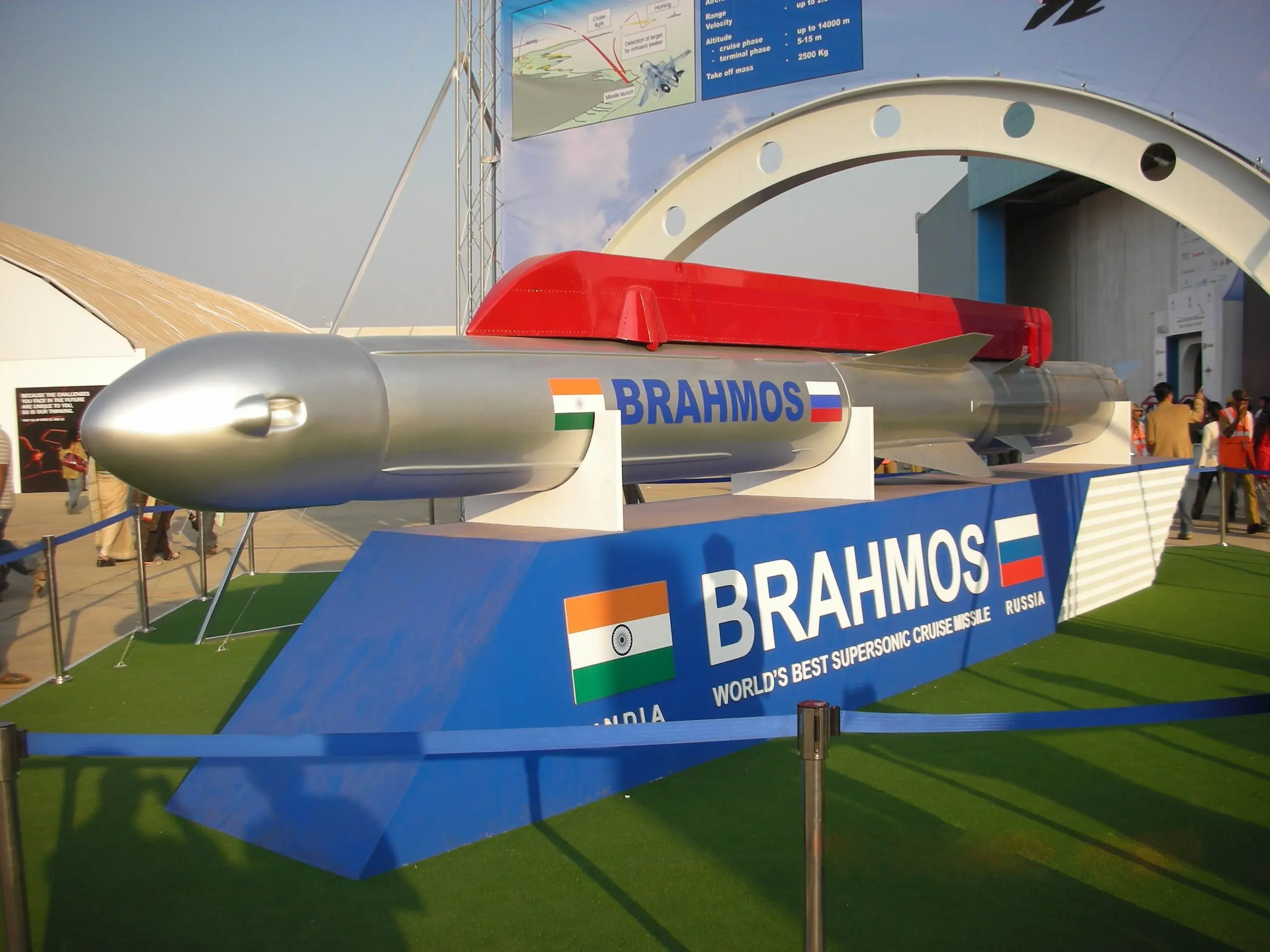
BrahMos integrates inertial navigation, satellite guidance and terminal active radar homing. Once launched, it follows a pre-programmed path until the terminal phase, the operator does not need to steer it. This ‘fire‑and‑forget’ design ensures rapid, precise strikes, even in challenging conditions, and reduces vulnerability to counter‑measures or interception attempts. Thanks to its robust propulsion and compact, but potent, design, BrahMos can be launched from land-based mobile launchers, ships, submarines, and aircraft.
rahMos as a triumph of propulsion science and missile design
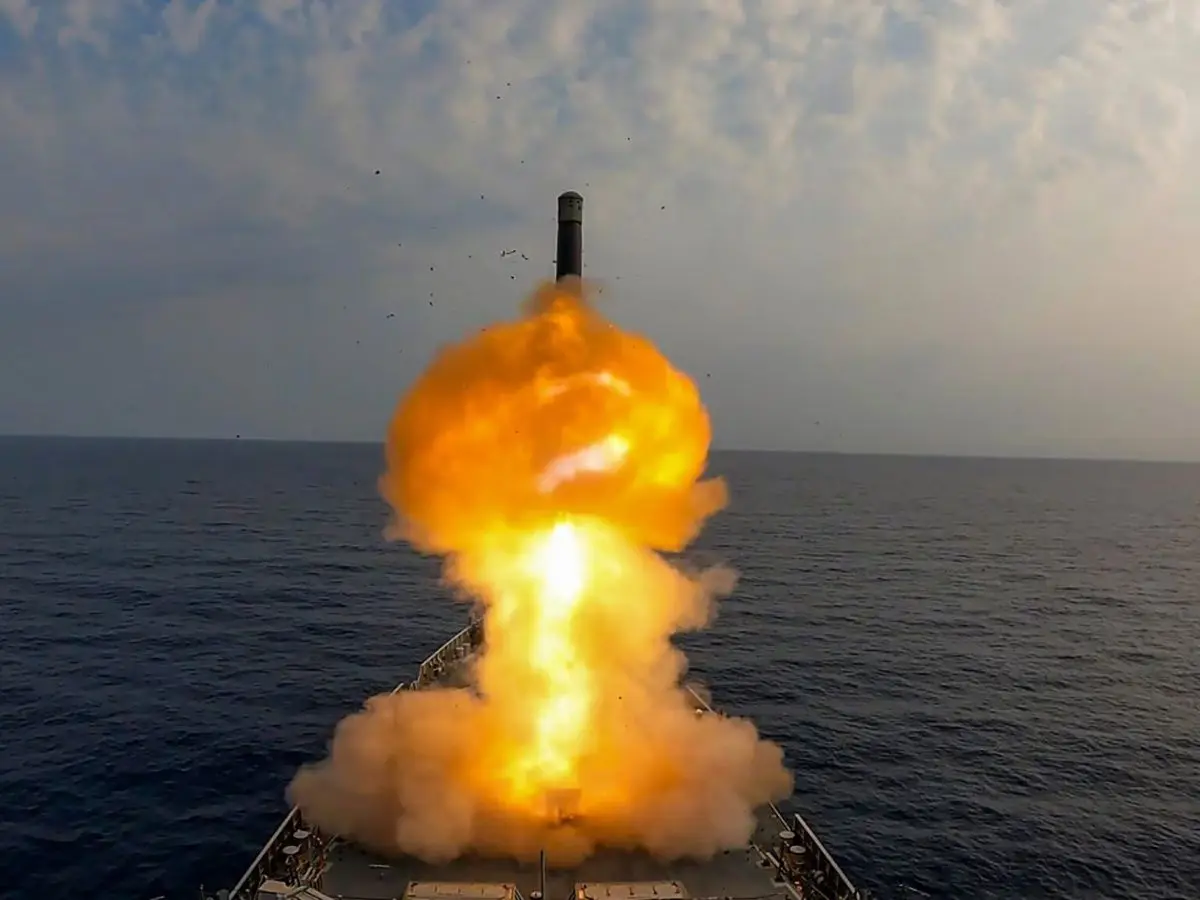
BrahMos exemplifies how advanced propulsion (ramjet + rocket), aerodynamic engineering, guidance technology, and versatile deployment can combine to create a supersonic cruise missile capable of reshaping maritime and land‑strike deterrence. Its sustained Mach 3 cruise, stealthy sea‑skimming approach, precision guidance, and heavy warhead make it one of the most scientifically sophisticated missiles in operational use today.
)
)
)
)
)