What makes air-to-air missiles function without pilot guidance

Active radar seekers, gyroscopes and onboard computers enable air-to-air missiles to navigate and engage targets independently. Once launched, fire-and-forget missiles automatically track targets using onboard sensors and guidance systems.
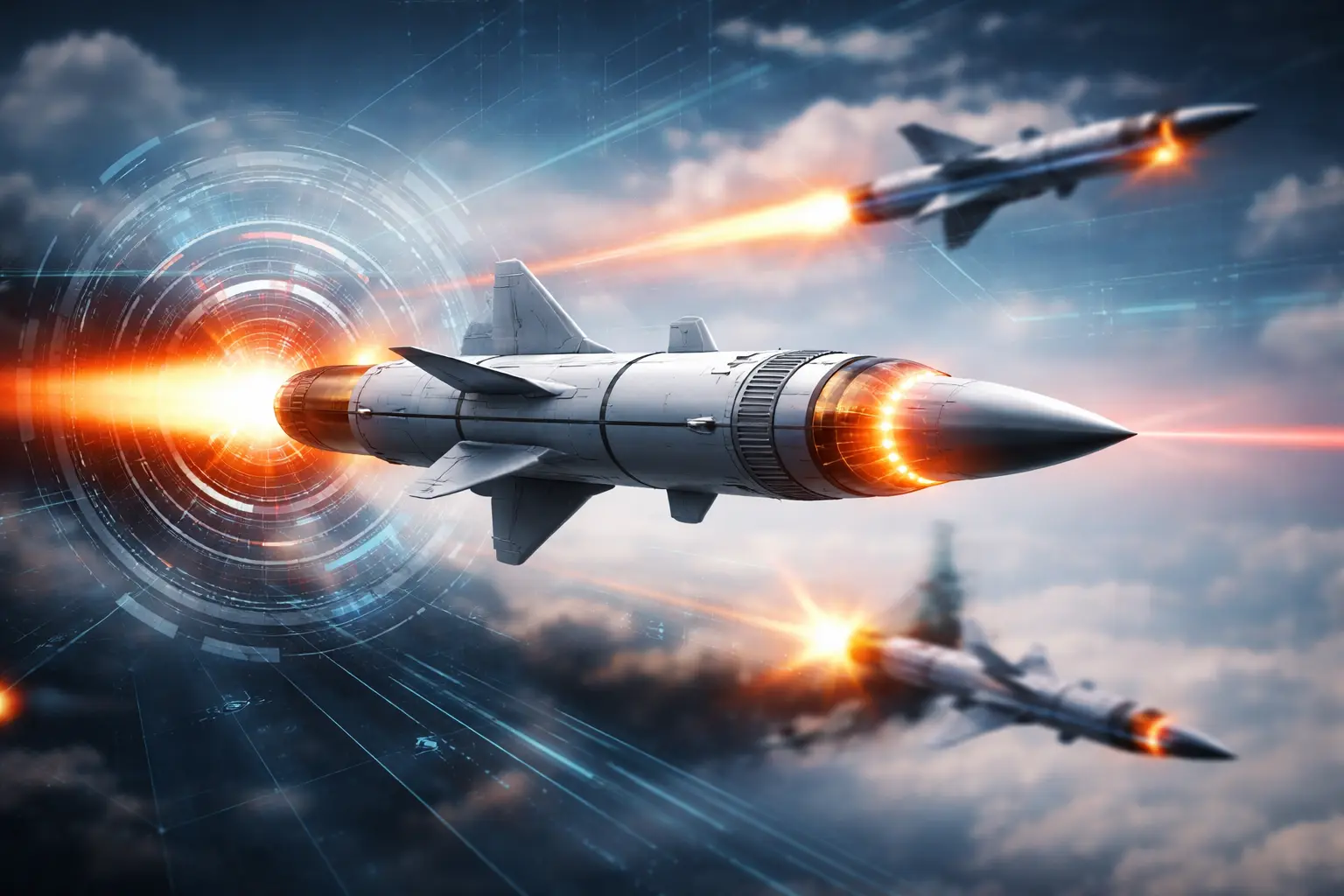
Fire-and-Forget Doctrine
Fire-and-forget missiles eliminate the need for pilots to maintain radar lock or transmit guidance signals after launch. Once activated, onboard systems automatically guide the missile toward the target, allowing aircraft to manoeuvre freely without remaining vulnerable to counterattack.
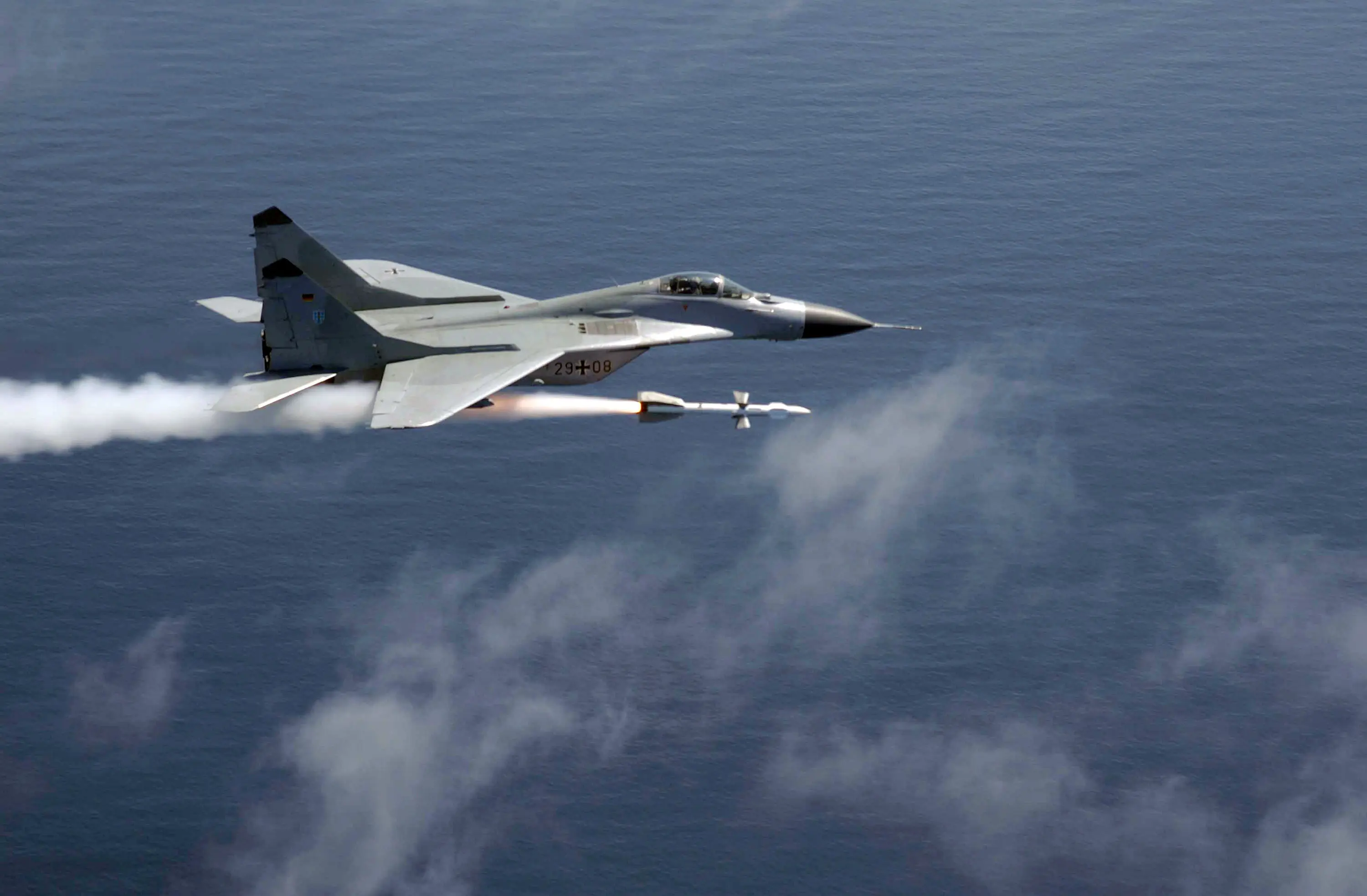
Active Radar Seekers
Modern air-to-air missiles carry miniaturised active radar transmitters and receivers in their nose sections. These onboard radars emit radio waves that bounce off target aircraft, enabling the missile to detect and track targets independently without relying on the launching aircraft's radar system.
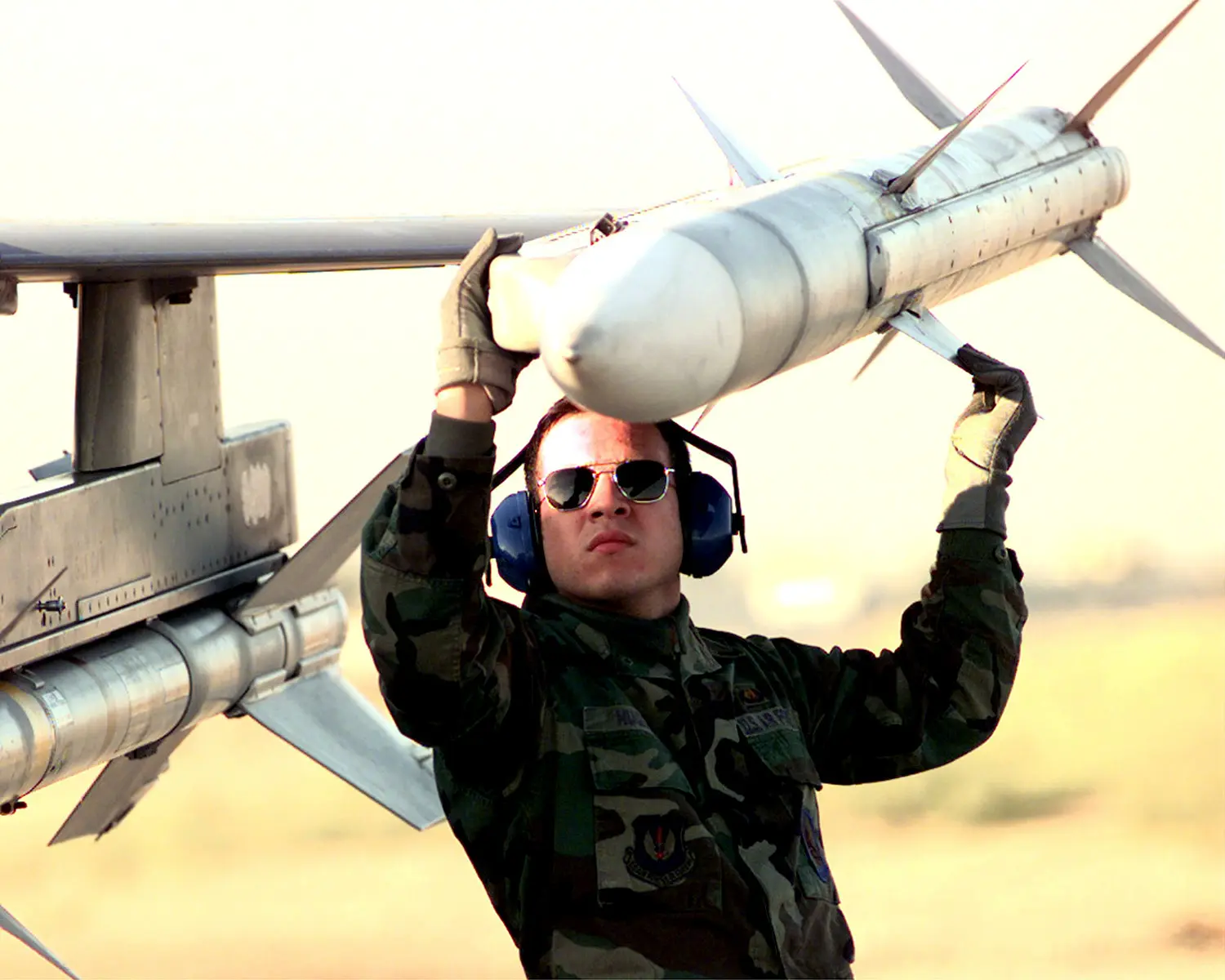
Inertial Navigation Systems
Inertial navigation systems inside missiles contain gyroscopes that measure rotation and accelerometers that sense motion changes. These sensors continuously calculate the missile's position and velocity throughout flight, allowing the guidance computer to adjust flight paths toward the target.
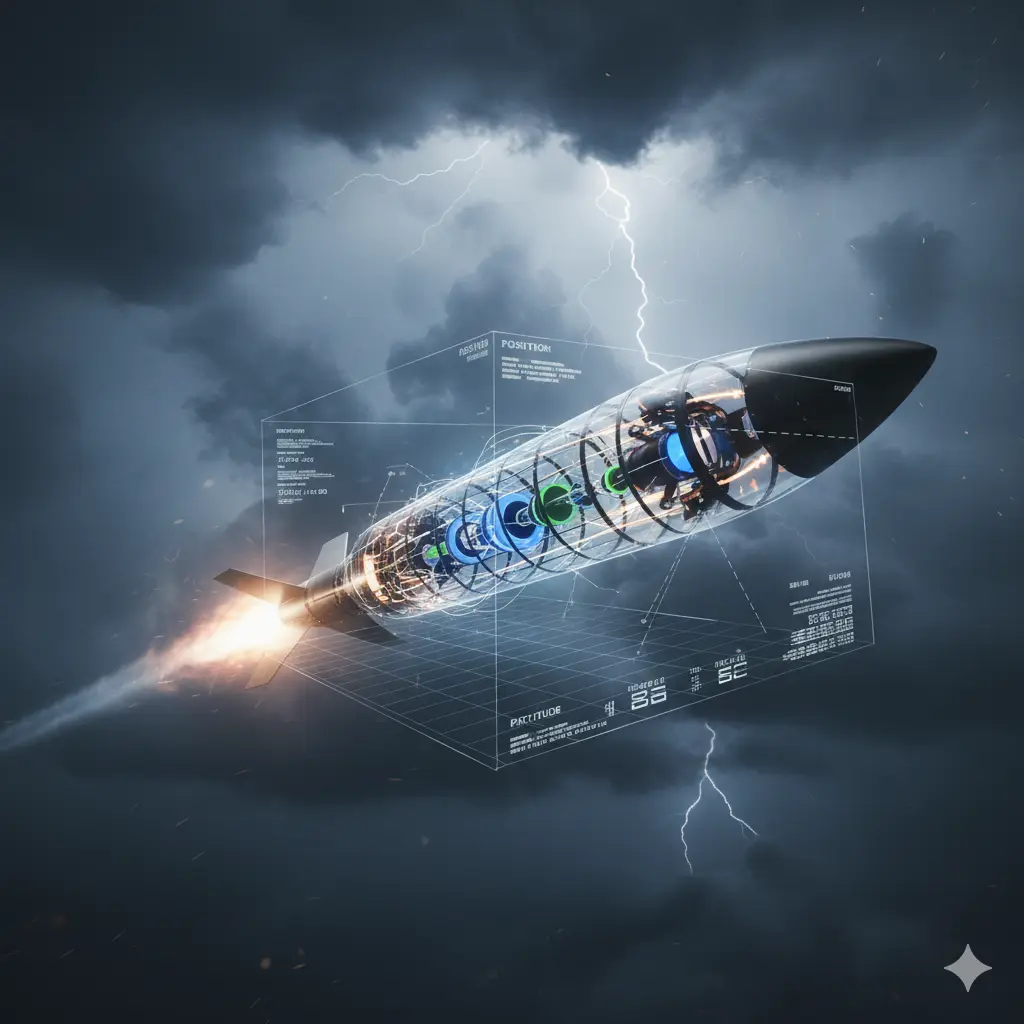
Pre-Launch Target Programming
Before launch, the missile's onboard computer receives target coordinates, estimated position and velocity measurements from the aircraft's fire control system. This information guides the missile during early flight until onboard sensors assume full tracking responsibility.
Proportional Navigation
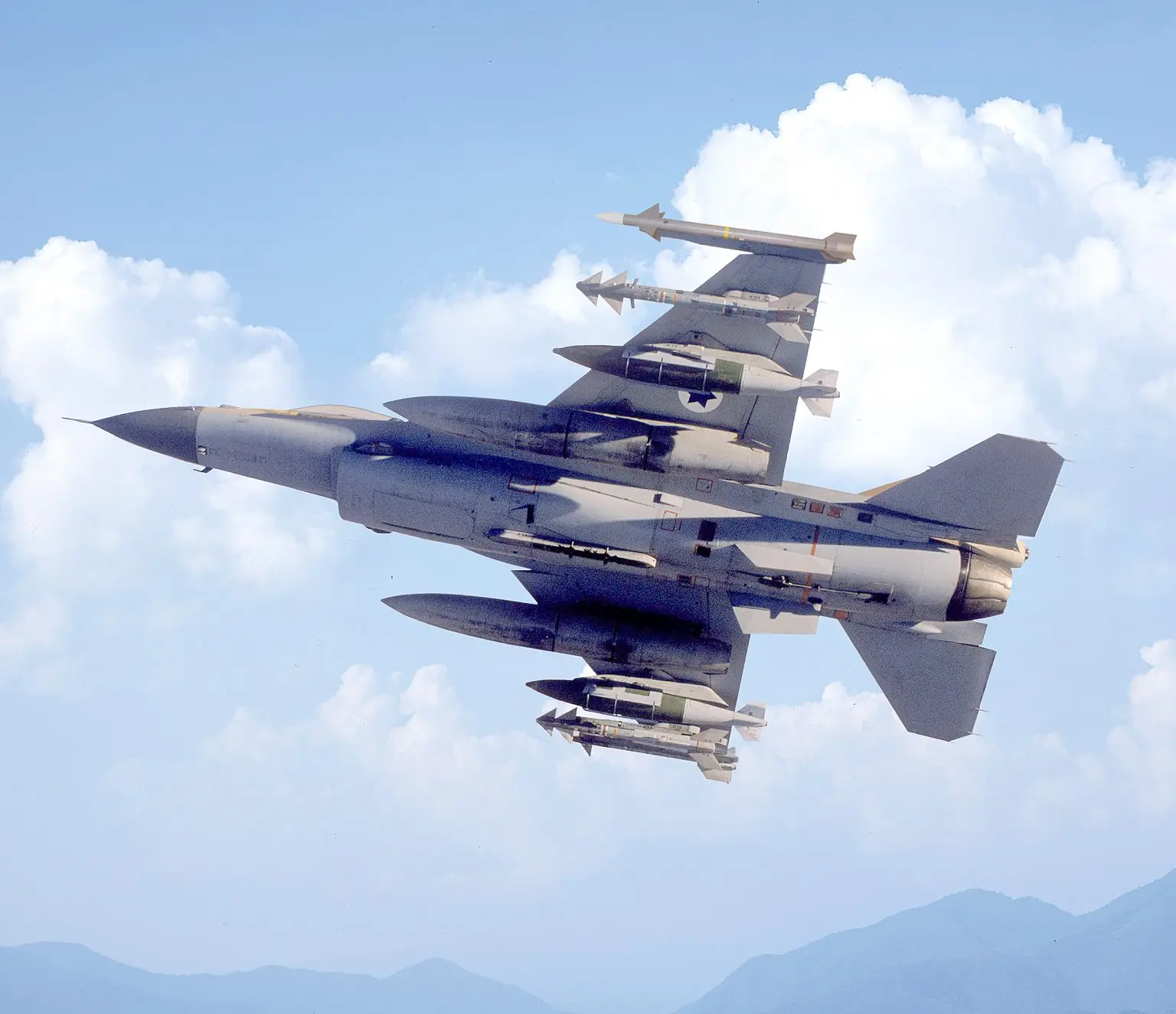
The missile's guidance computer continuously compares its own position against target location data from radar and sensors. Using proportional navigation laws, the computer calculates the required flight path adjustments needed to achieve collision with the target.
Terminal Phase Guidance
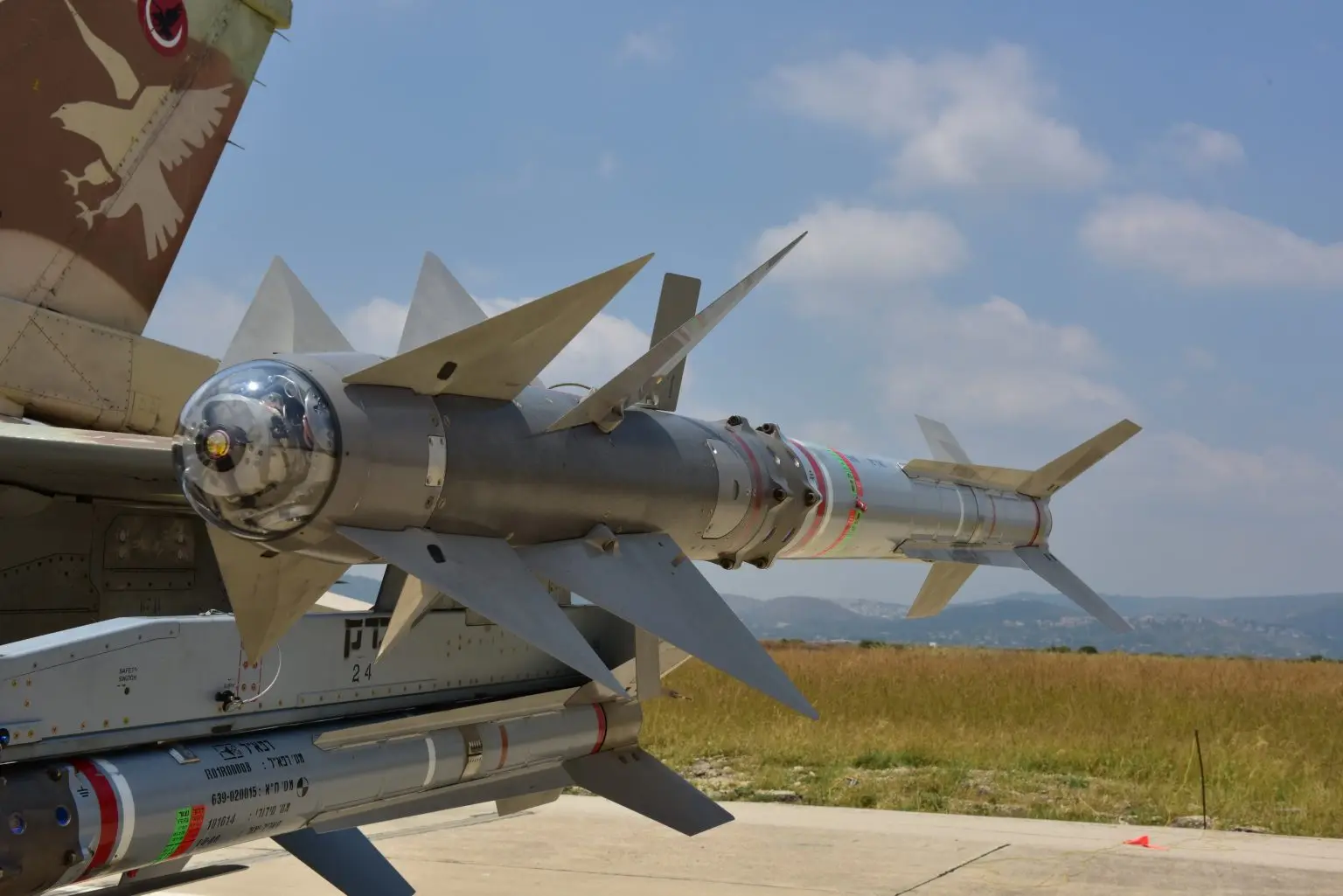
As the missile approaches the target during terminal phase, the active radar seeker achieves its most accurate target tracking. The missile's computer uses high-resolution radar reflections to lock onto the aircraft and guide final impact course with extreme precision.
Electronic Counter-Countermeasures
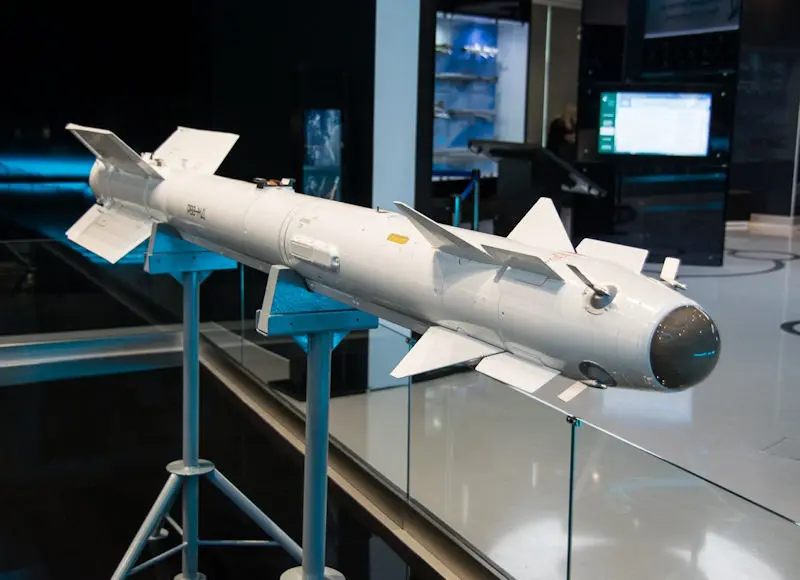
Missile guidance computers incorporate electronic counter-countermeasures algorithms that distinguish genuine target radar reflections from jamming, chaff and electronic decoys. This technology allows autonomous missiles to maintain targeting accuracy against aircraft using active defence systems.
Datalink Capability
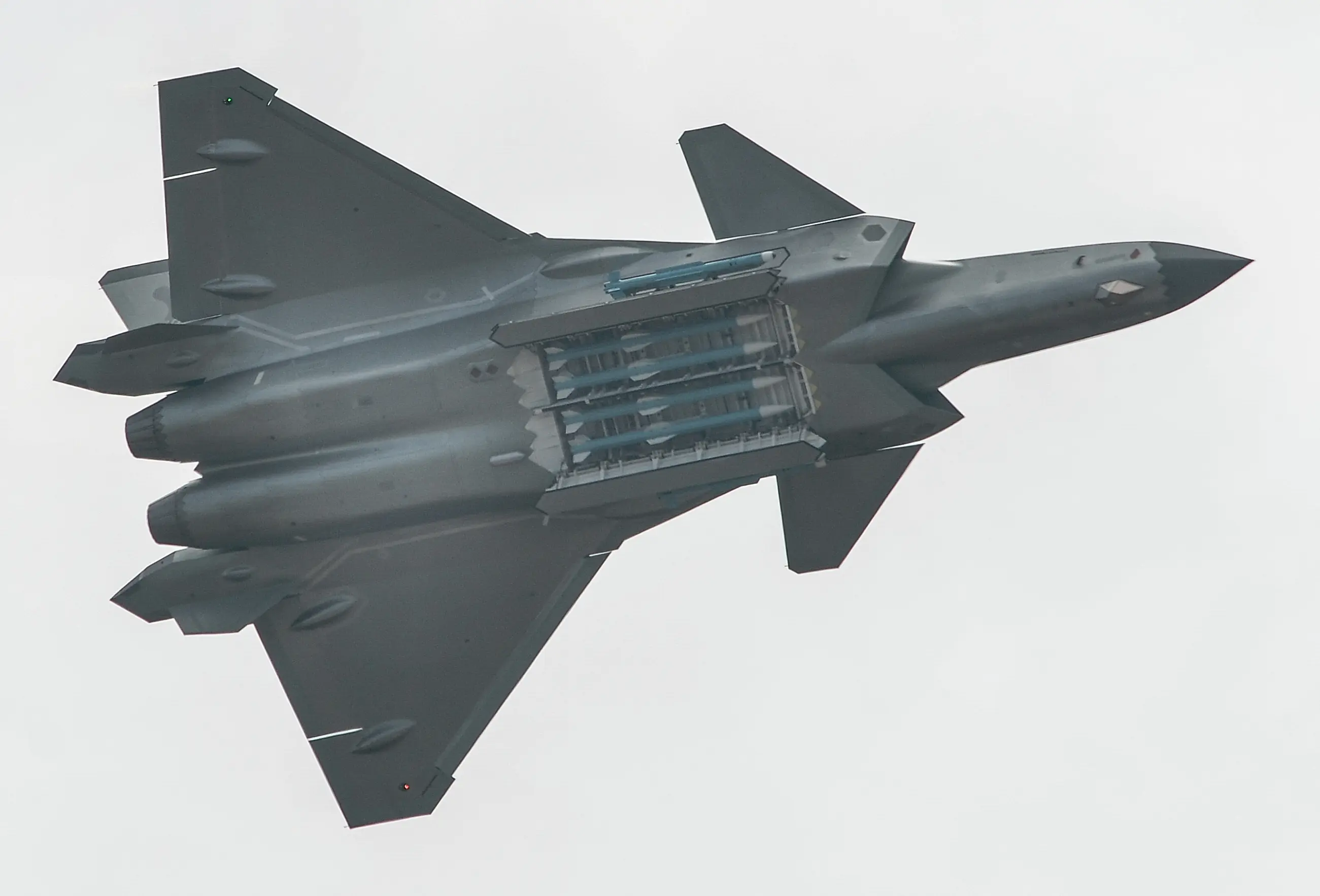
Some modern missiles include two-way datalink systems allowing aircraft radar to transmit trajectory correction updates during flight. This optional guidance keeps missiles on intercept course even if targets execute unexpected evasive manoeuvres.
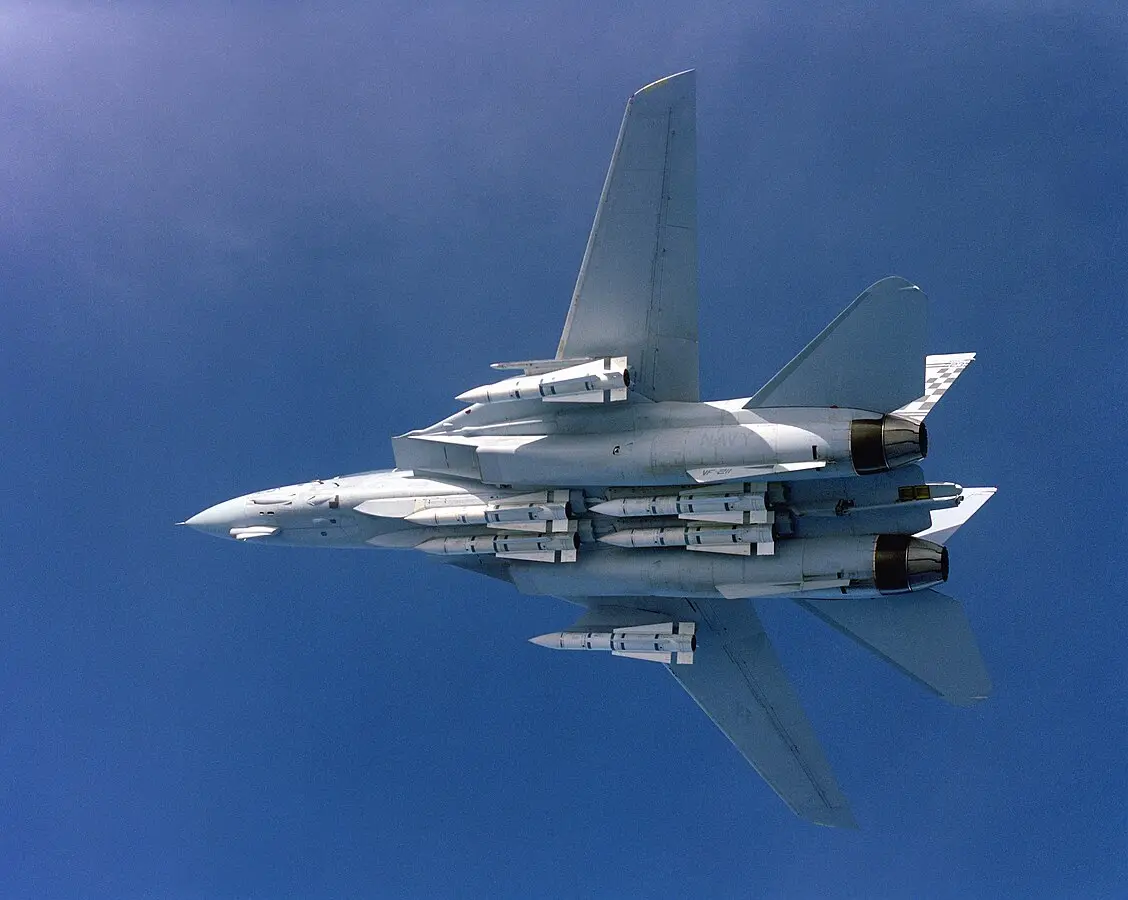
Proximity Fuses
Missile warheads contain radio proximity fuses that trigger detonation within metres of target aircraft. The missile's onboard systems automatically activate these fuses during terminal phase, ensuring warhead detonation even if final guidance isn't perfect.
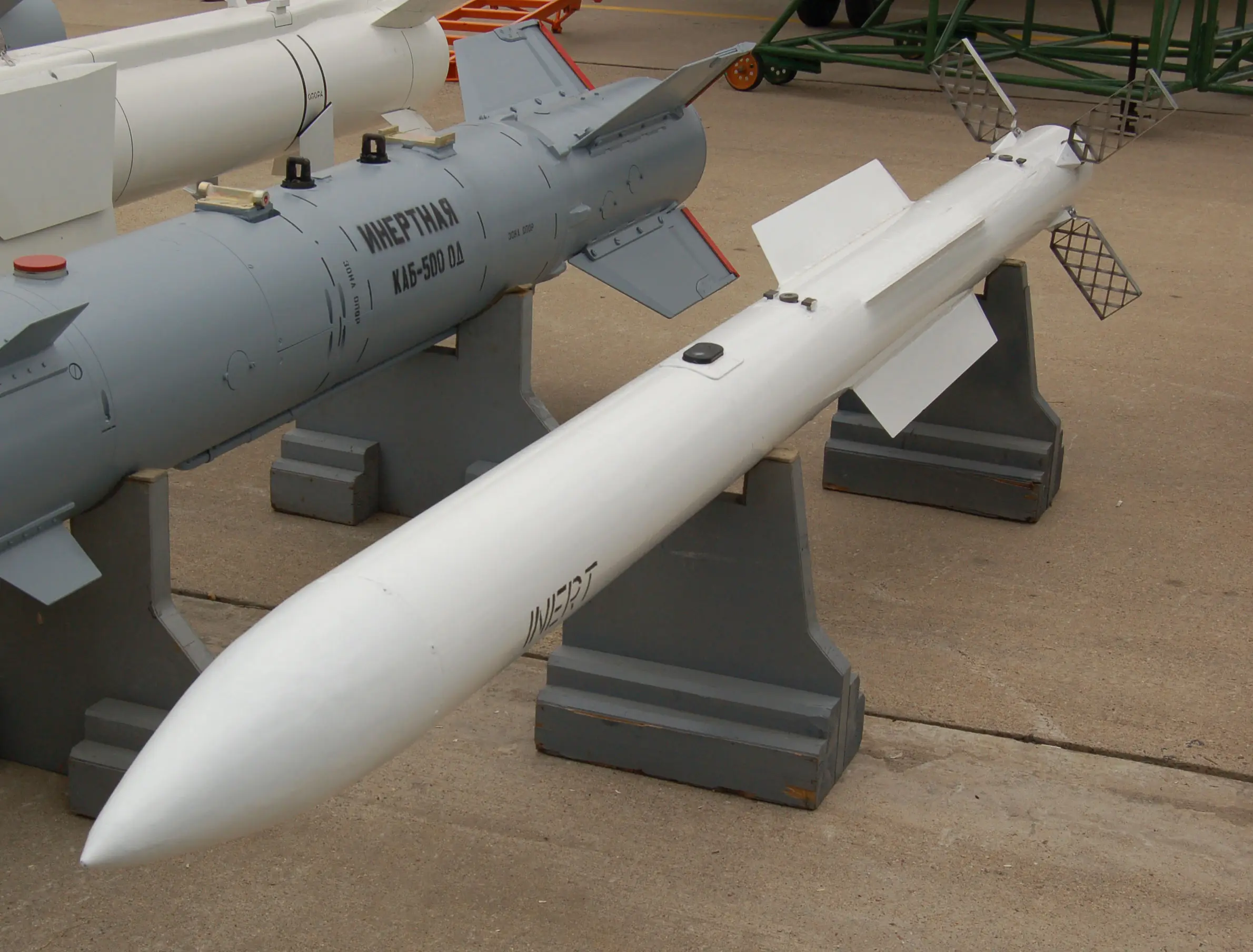
Autonomous Decision Making
Modern missile computers include decision-making software that evaluates targeting data, classifies threats and determines intercept priorities. These systems allow missiles to engage multiple targets or select optimal intercept timing without requiring pilot input.
)
)
)
)
)