What makes a fighter jet missile truly hypersonic? know the parameters

A true hypersonic missile exceeds Mach 5 and manoeuvres inside the atmosphere. These weapons endure extreme heat and use advanced aerodynamics to actively dodge air defence systems.
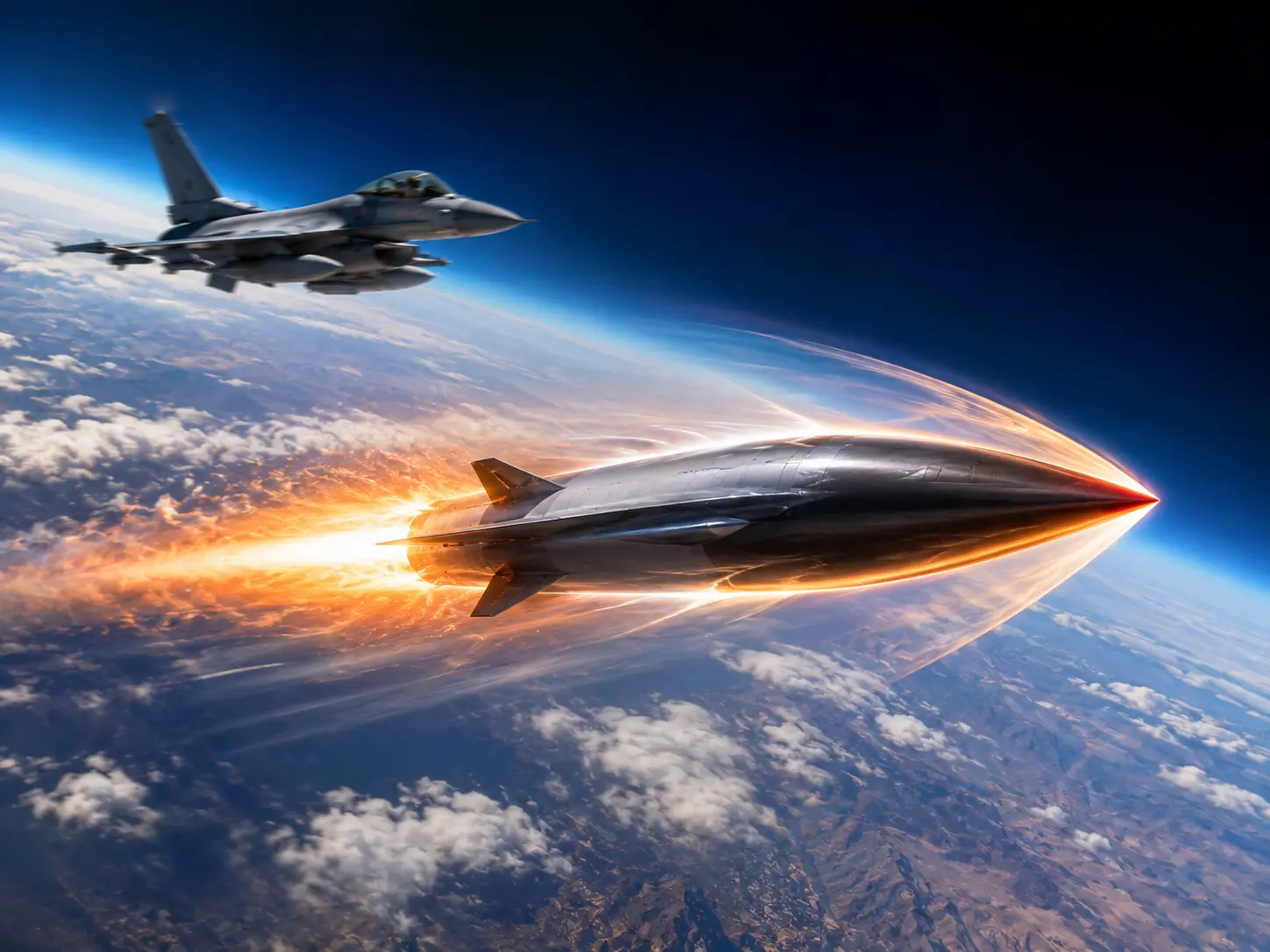
Minimum Mach 5 speed
A missile must travel at least five times the speed of sound, or Mach 5, to be officially considered hypersonic. This translates to roughly 3,800 miles per hour, or over one mile per second, severely cutting down the warning time for enemy air defences
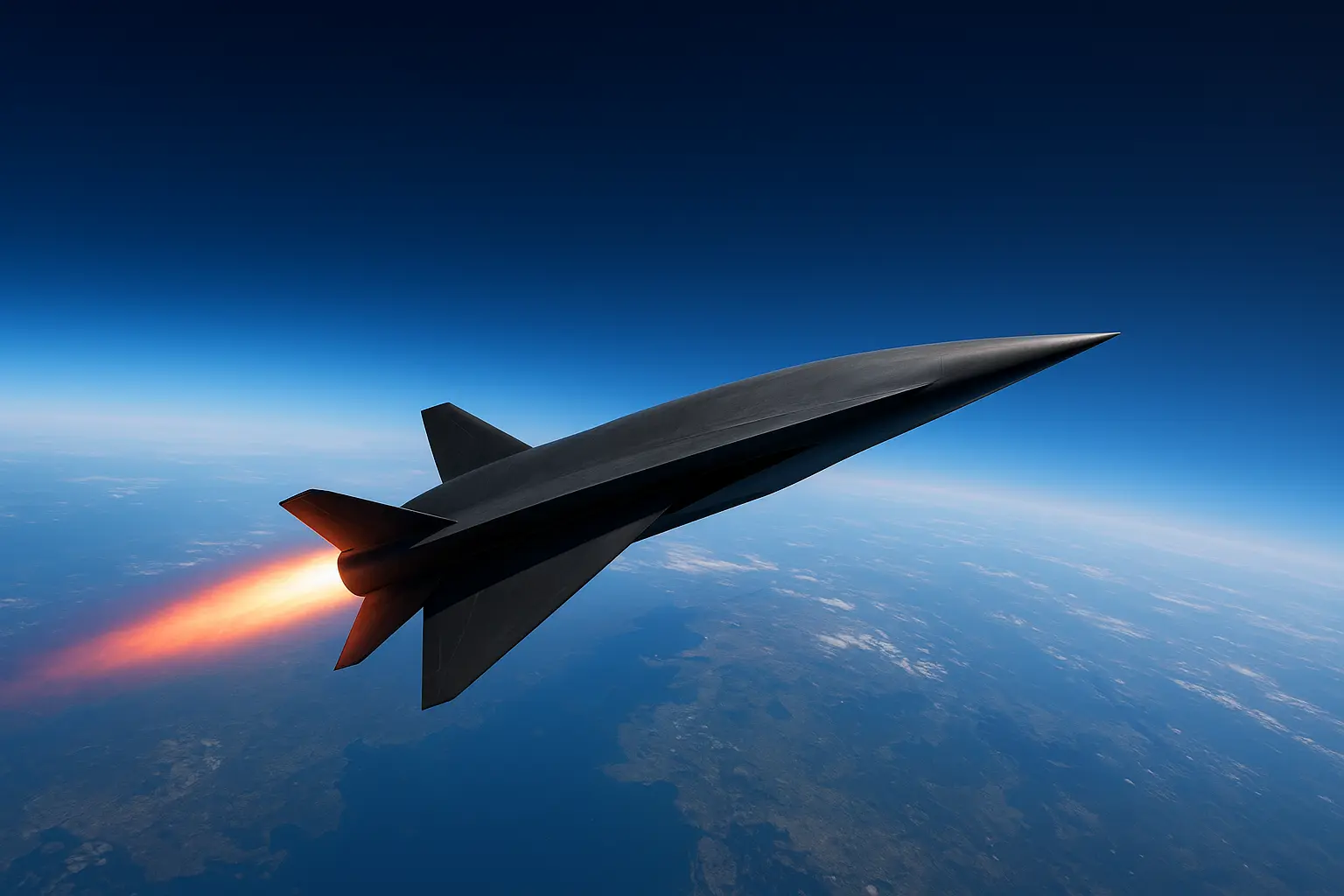
Atmospheric flight path
While ballistic missiles briefly hit hypersonic speeds by exiting and re-entering space, true hypersonic weapons fly lower. They travel entirely within the Earth's atmosphere at altitudes between 20 and 100 kilometres.
Mid-flight manoeuvrability
A defining parameter of a hypersonic weapon is its ability to change direction. Using aerodynamic lift and control fins, these missiles can shift their trajectory during flight, unlike ballistic missiles that fall on a predictable arching path.
Extreme thermal stress
Travelling past Mach 5 creates massive air friction, generating intense aerodynamic heating. The outer shield of the missile must withstand temperatures exceeding 1,100 to 2,000 degrees Celsius to protect the internal payload.
Scramjet propulsion system
Many hypersonic cruise missiles maintain their extreme velocity using air-breathing scramjet engines. These engines compress incoming supersonic air and mix it with fuel, sustaining powered flight for hundreds of kilometres without needing heavy oxidisers.
)
)
)
)
)