What made the 1973 solar eclipse the longest in history at 74 minutes?

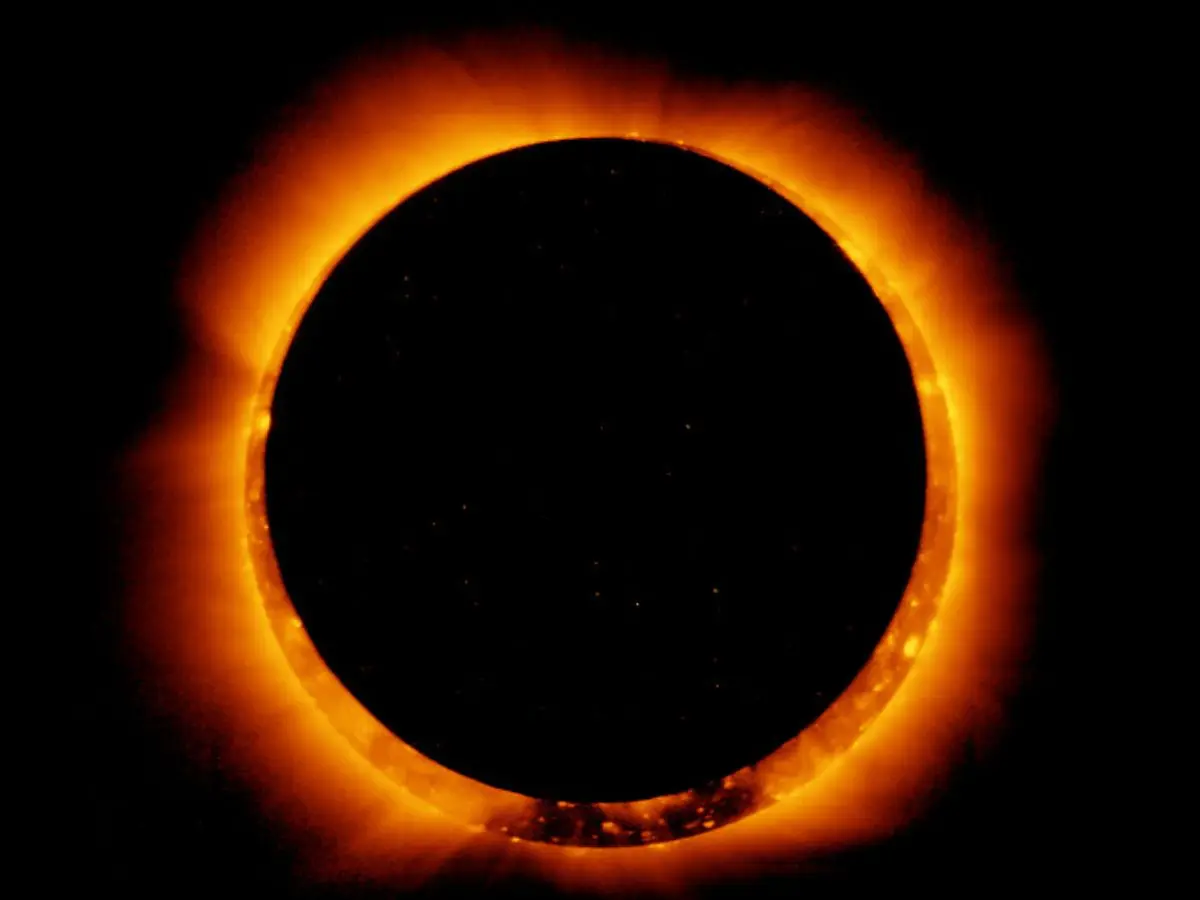
On June 30, over the Sahara Desert, they achieved what had never been done before: 74 minutes of uninterrupted totality, an experience impossible from the ground.
A Mission Beyond Speed
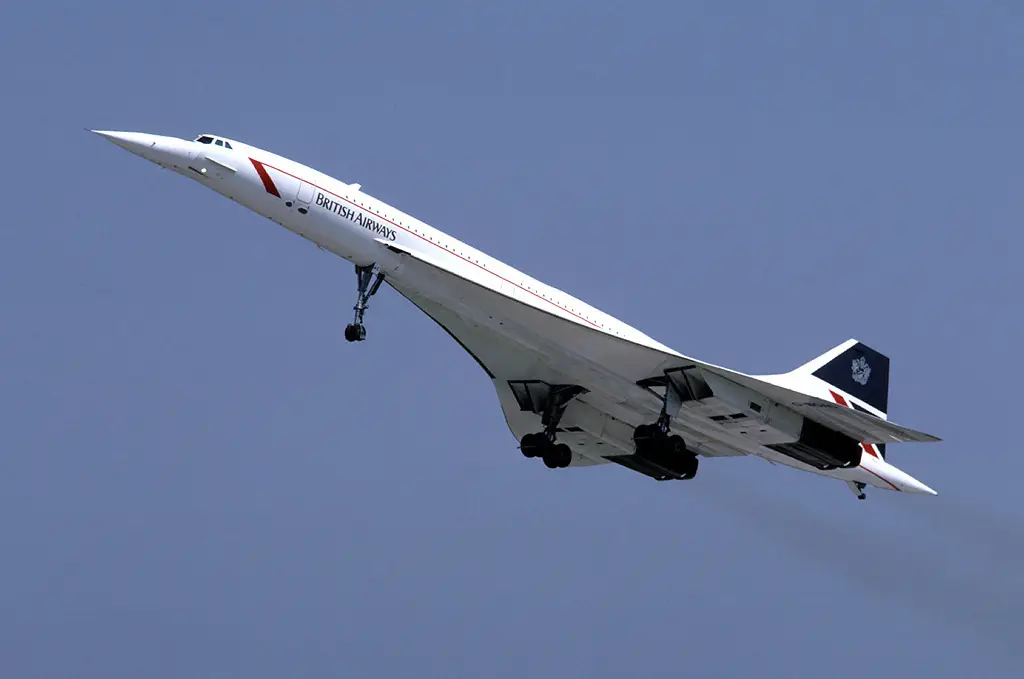
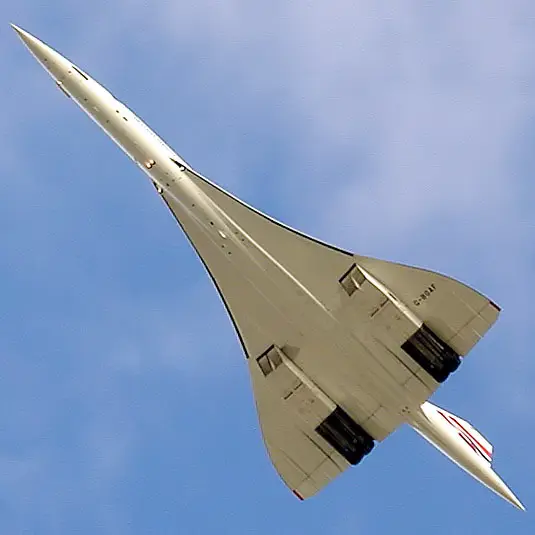
In the summer of 1973, a small team of scientists boarded Concorde 001, a prototype supersonic jet, not to set speed records but to chase the shadow of the Moon. Their target was the longest total solar eclipse in recorded history. On June 30, over the Sahara Desert, they achieved what had never been done before: 74 minutes of uninterrupted totality, an experience impossible from the ground.
Concorde 001 Becomes a Flying Observatory
The flight departed from Las Palmas in the Canary Islands, with the aircraft specially modified for its astronomical mission. Engineers fitted portholes into the roof of the fuselage, turning the jet into a high-altitude observatory. At Mach 2.05, more than 2,500 kilometres per hour, the Concorde aligned itself with the eclipse’s path, matching the speed of the Moon’s shadow as it swept across Earth. This manoeuvre kept the jet inside the umbra far longer than stationary observers could ever manage.
Precision Against the Clock
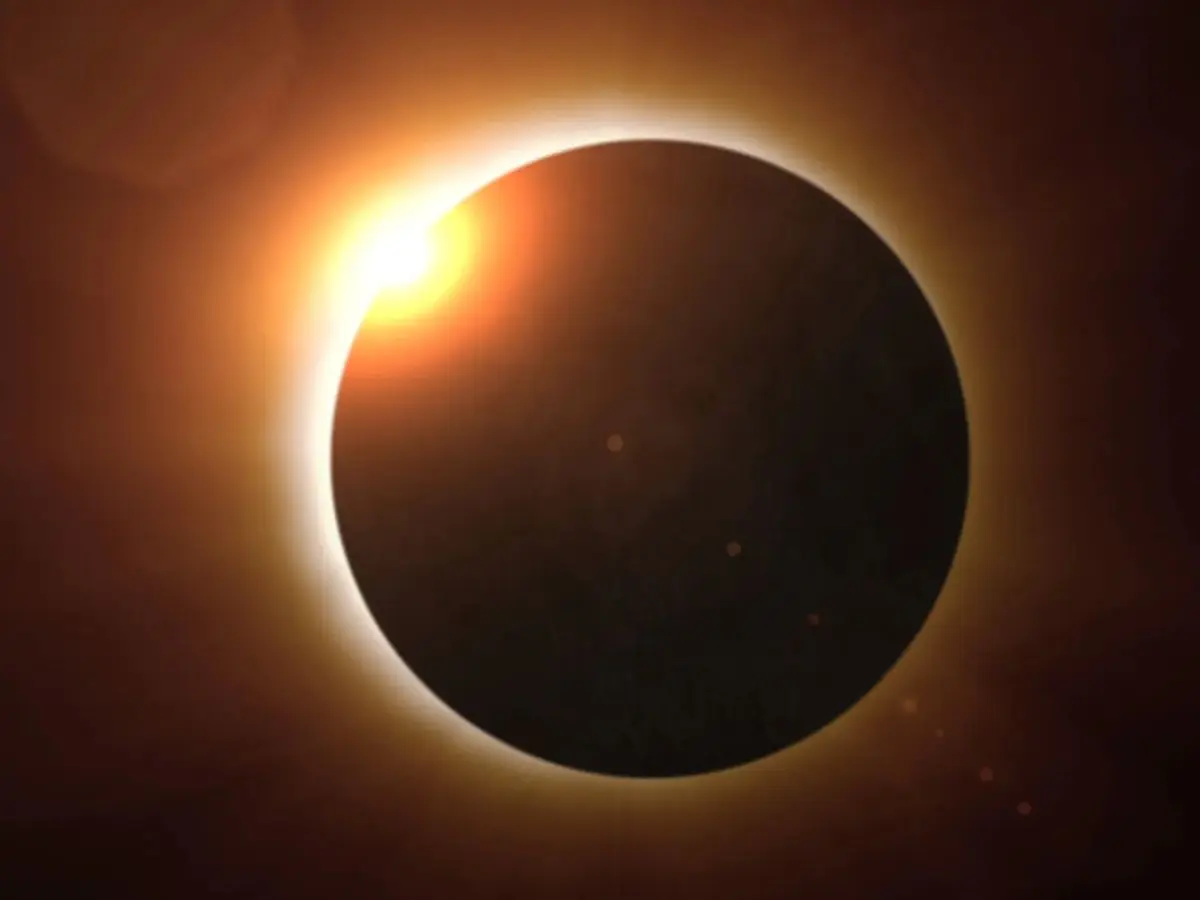
The mission’s success hinged on perfect timing. A delay or advance of just two minutes could have cut totality by up to 25 minutes, according to the scientists involved. Critical phases of the eclipse, known as second and third contacts, mark the beginning and end of complete obscuration. Missing them would have meant losing irreplaceable scientific data. At altitudes exceeding 16,000 metres, Concorde flew above both weather systems and atmospheric turbulence, securing clear skies and stable viewing conditions.
Unlocking the Secrets of the Solar Corona
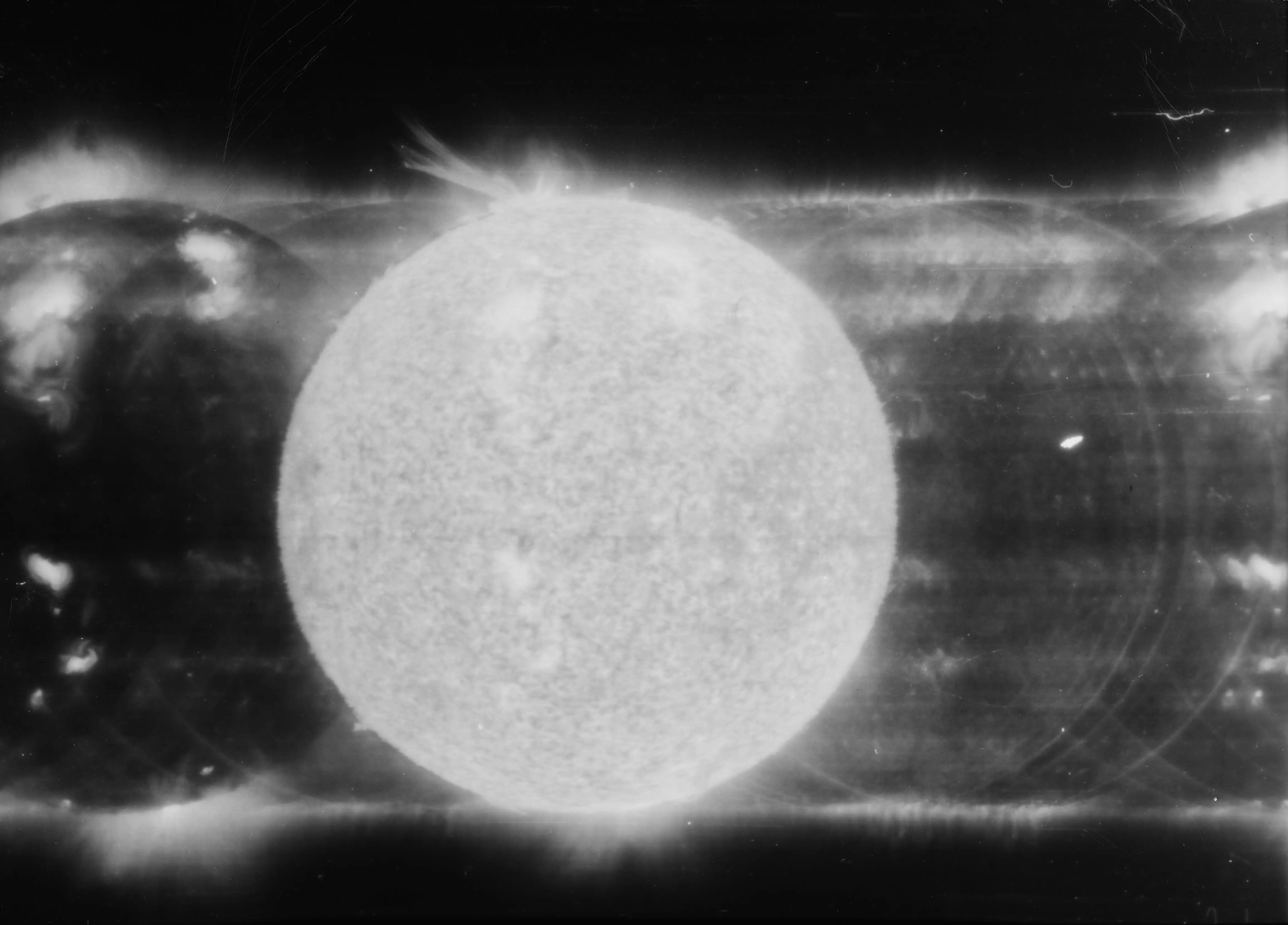
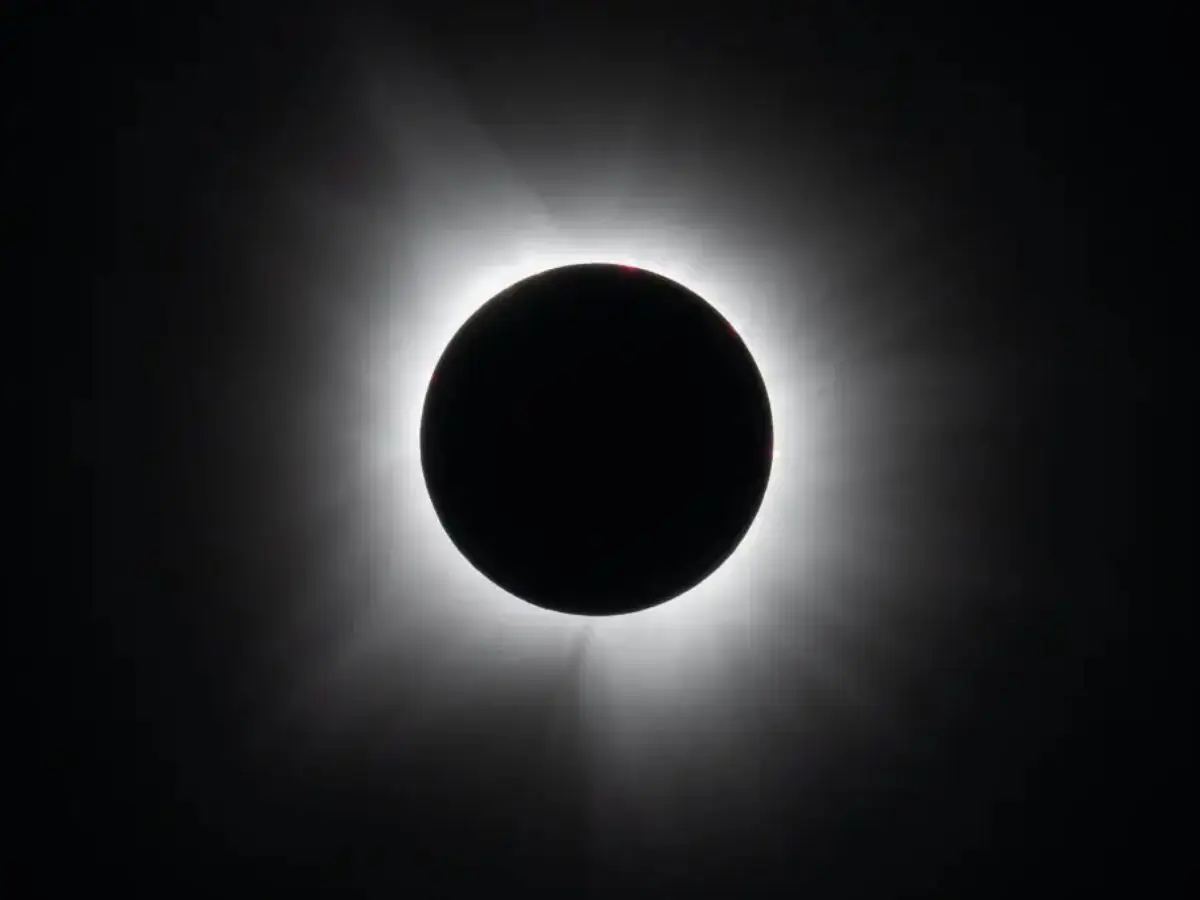
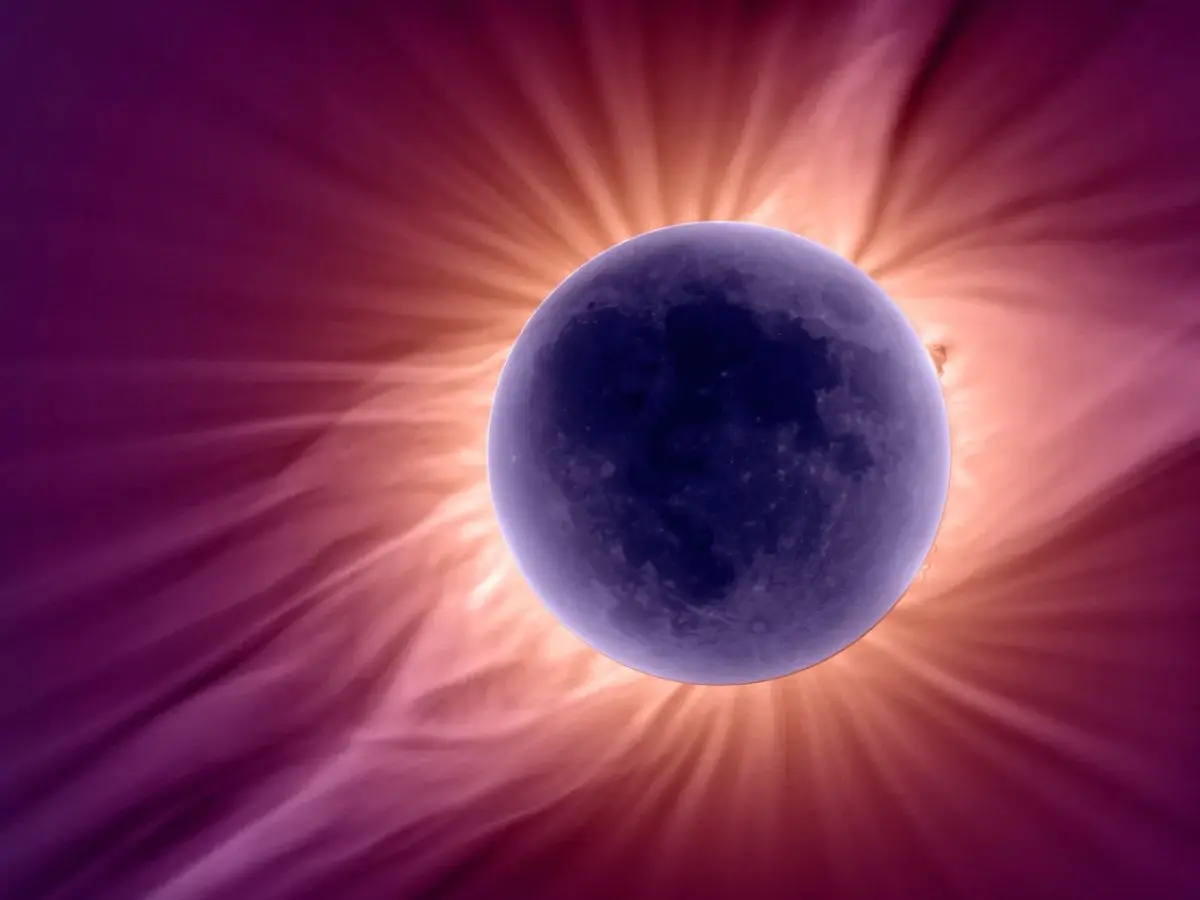
The focus of the flight was the solar corona, the Sun’s outer atmosphere, visible only during eclipses. Despite decades of research, its extraordinary heat, hundreds of times hotter than the solar surface, remains unexplained. During their 74 minutes in the shadow, five scientific teams conducted parallel studies, measuring the corona’s structure, tracking dynamic solar features, and capturing high-resolution imagery of the chromosphere. Extended contact phases, lasting far longer than ground-based observers could access, gave scientists an unprecedented window into the Sun’s upper atmosphere.
A First-of-Its-Kind Achievement
Donald Liebenberg, a physicist who joined the flight, later reflected that it was 'an experience I will never forget.' He has since logged more time in solar eclipses than any other human, much of it thanks to this mission. For eclipse science, the Concorde experiment was transformative. The researchers concluded at the time that supersonic flight had set a new benchmark, declaring that “future plans should favour this method over more conventional approaches.”
From Concorde to Modern Space Science
The influence of the 1973 experiment continues to resonate. NASA has since used WB-57 jets to pursue eclipses from the stratosphere, while the European Space Agency’s Proba-3 project is designed to create artificial eclipses in space using two precisely aligned satellites. In hindsight, the Concorde mission bridged two eras: one reliant on ingenuity and modified aircraft, and the other now dominated by satellites and digital sensors.
Holding Darkness a Little Longer
In a time before advanced orbital observatories, the 1973 flight proved that speed and altitude could bend nature’s limits. By synchronising with the Moon’s shadow, Concorde 001 gave humanity its longest look at a solar eclipse,74 uninterrupted minutes of darkness at twice the speed of sound.
)
)
)
)
)