What is water vapor doing on 3I/ATLAS? NASA's James Webb Telescope detected organic compounds on the comet

Scientists are fascinated by 3I/ATLAS because, unlike comets from our own solar system, its chemical fingerprint may reflect conditions in another star system. The mixture of gases and isotopic ratios could offer the first direct evidence of interstellar ice composition ever recorded.
Hubble Captures Stunning Transformation
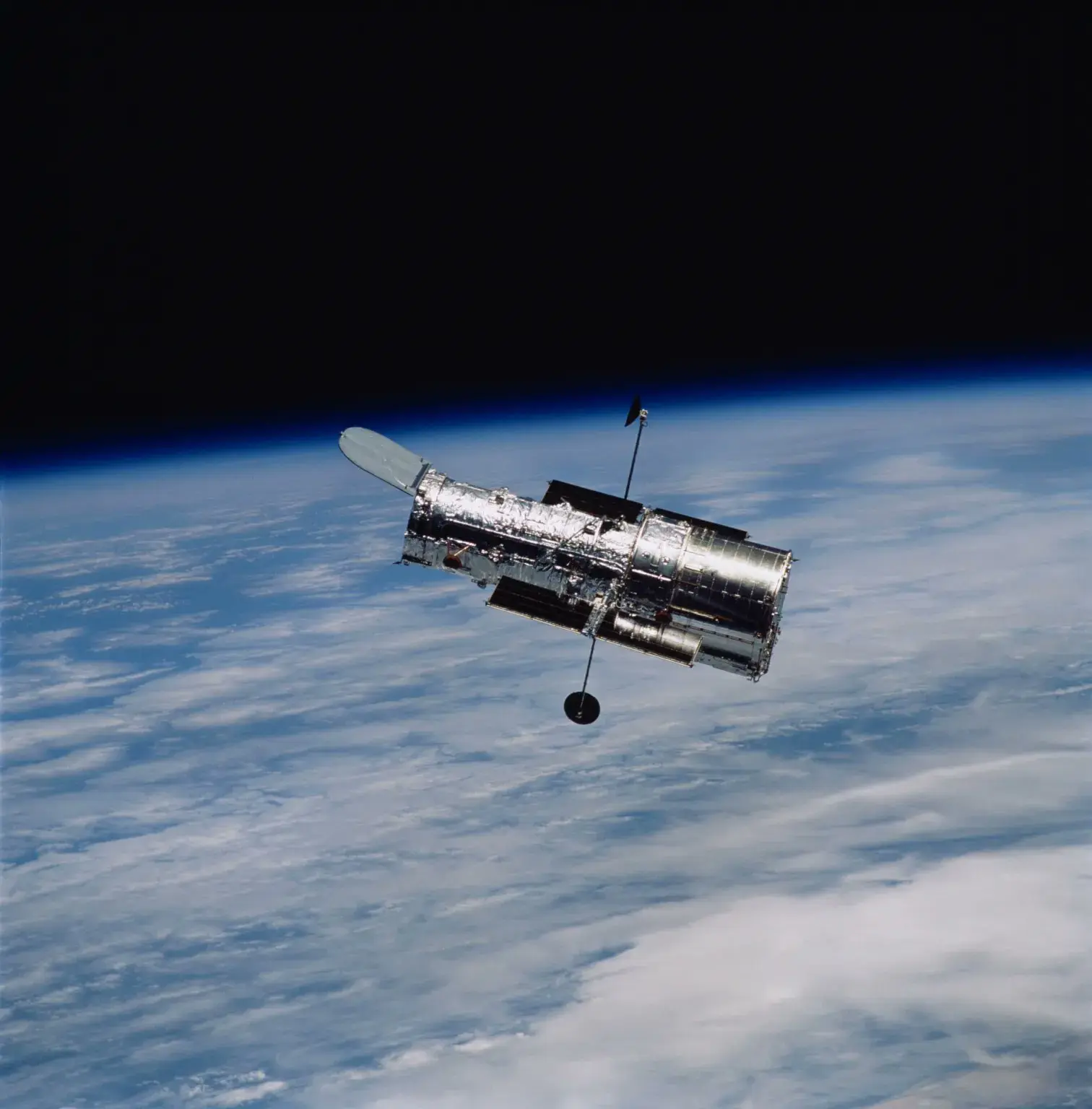
NASA confirmed that the Hubble Space Telescope has captured rare, high-resolution images of Comet 3I/ATLAS shedding dust and ice as it journeys closer to the Sun. The observations reveal a brilliant dust plume and extended tail, indicating that the comet’s frozen core is actively vaporising.
Solar Heat Triggers Mass Loss
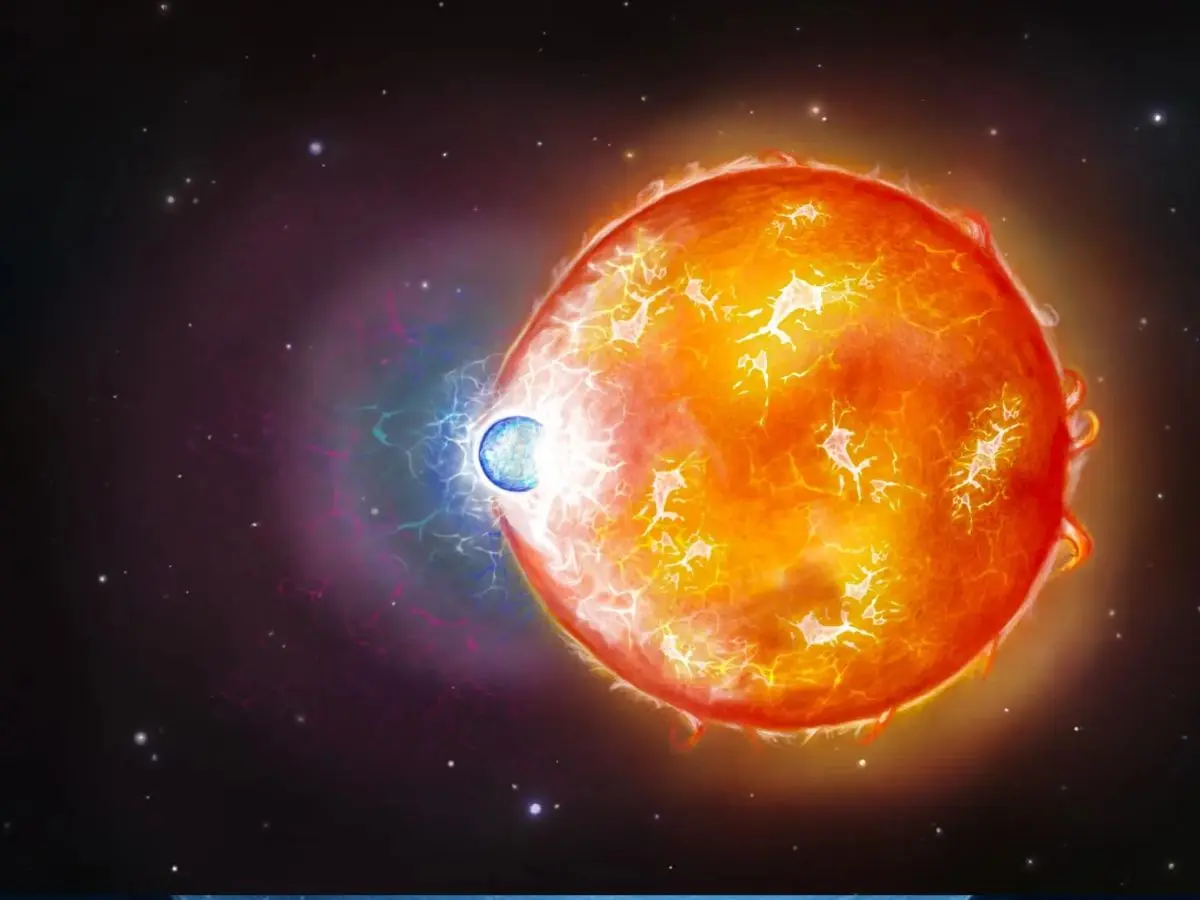
As 3I/ATLAS approaches perihelion, its closest point to the Sun, intense solar radiation is causing volatile ices to sublimate, pushing out dust and debris. NASA’s data shows a steady decrease in the comet’s overall brightness, a clear sign that it’s losing mass rapidly during its solar pass.
Webb Telescope Detects Water and Carbon Dioxide
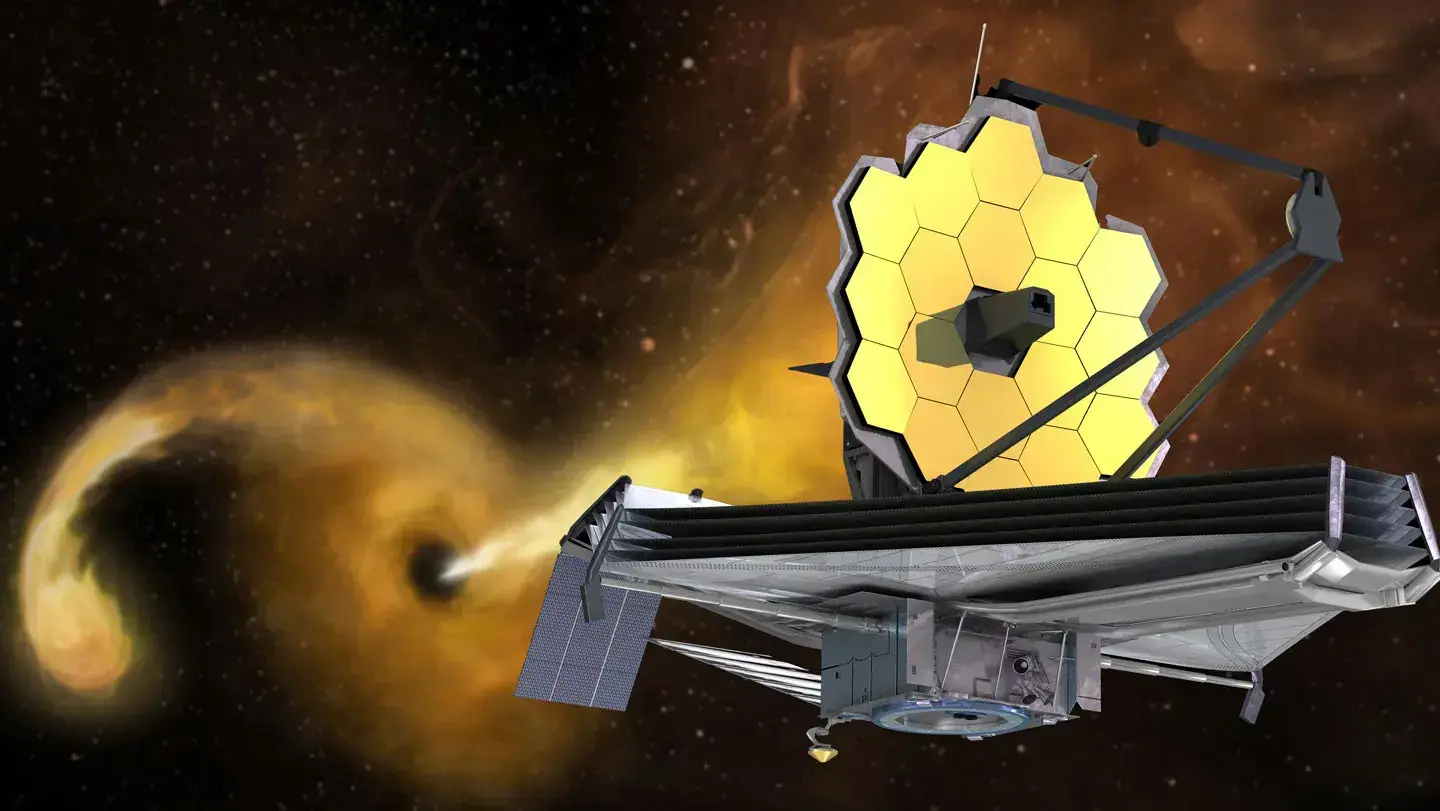
The James Webb Space Telescope (JWST) has added crucial details to the story, detecting water vapor, carbon dioxide, and other organic compounds in the comet’s coma, the glowing cloud of gas surrounding its nucleus. These findings suggest that 3I/ATLAS contains volatile materials similar to those found in early solar system comets.
A Window Into Alien Chemistry
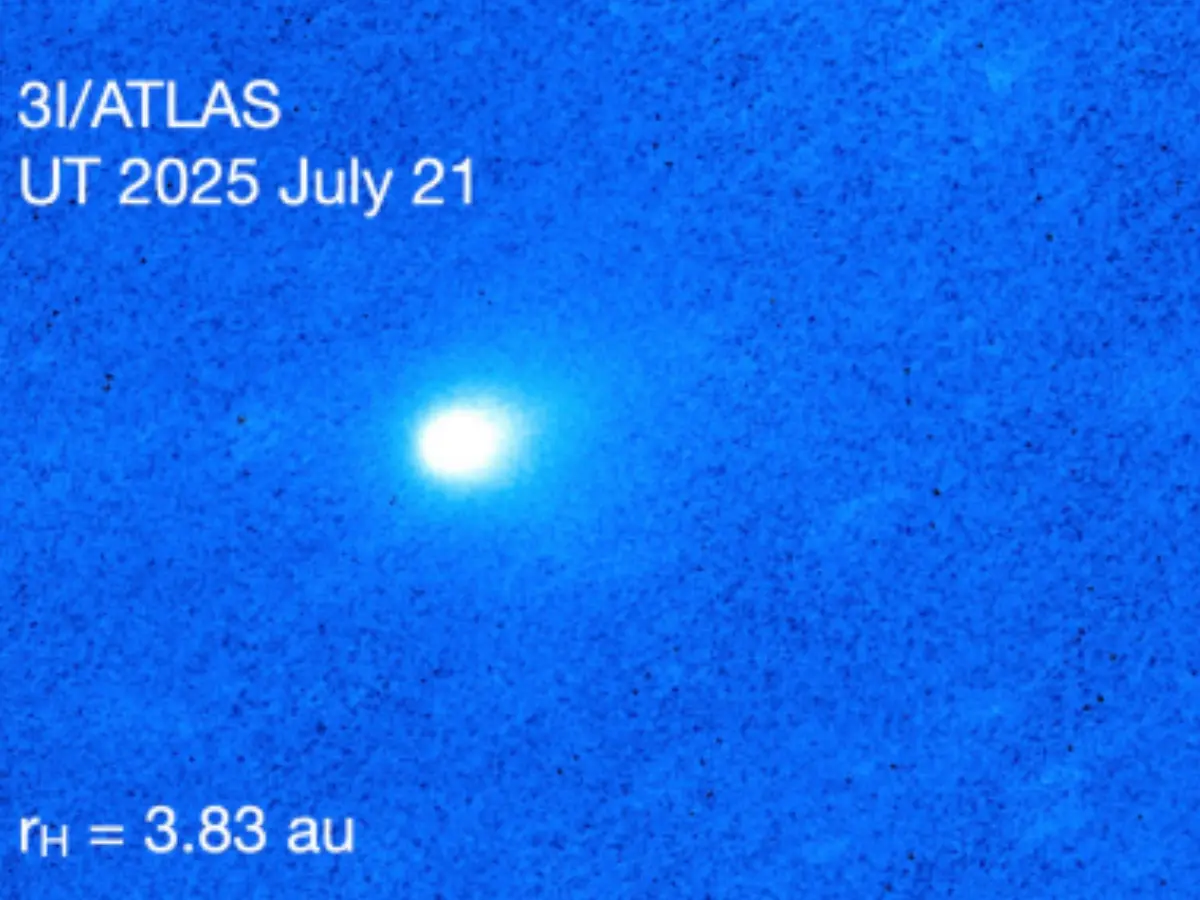
Scientists are fascinated by 3I/ATLAS because, unlike comets from our own solar system, its chemical fingerprint may reflect conditions in another star system. The mixture of gases and isotopic ratios could offer the first direct evidence of interstellar ice composition ever recorded.
Tracking From Multiple Observatories
Alongside Hubble and JWST, observatories in Chile, India, and Europe are monitoring 3I/ATLAS in real-time. Their optical and infrared data are being combined to build a 3D model of the comet’s tail structure and outgassing behaviour.
What Makes It Different From ‘Oumuamua and 2I/Borisov
Unlike ‘Oumuamua, which showed no visible outgassing, or Borisov, which resembled a typical comet, 3I/ATLAS exhibits hybrid behaviour, with a stable trajectory but unusually intense volatile activity. This makes it a unique case study in understanding how interstellar comets react to solar radiation.

The Bigger Question: What Lies Beyond?
As 3I/ATLAS continues its journey through the inner solar system, NASA scientists are racing to capture as much data as possible before it fades. The event could reshape our understanding of how icy bodies form and evolve in alien star systems, and whether such objects might have once carried life-building molecules across the cosmos.
)
)
)
)
)