What is ULPGM-V3? India completes final trials of indigenous UAV-launched precision guided missile; All features explained

The trials were conducted by the Defence Research and Development Organisation near Kurnool in Andhra Pradesh using an integrated Ground Control System (GCS), marking a major step in India’s push towards self-reliance in defence technology.
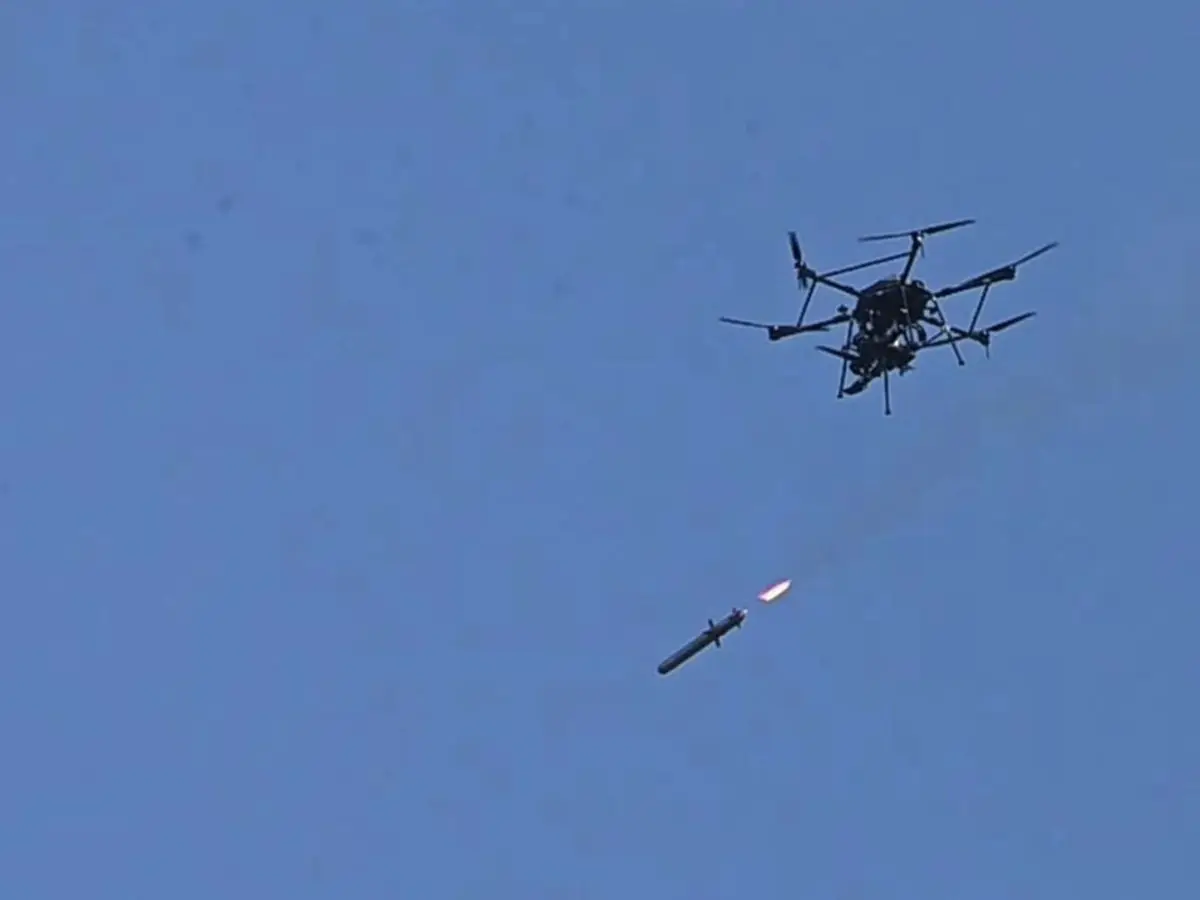
DRDO completes final trials of indigenous missile system
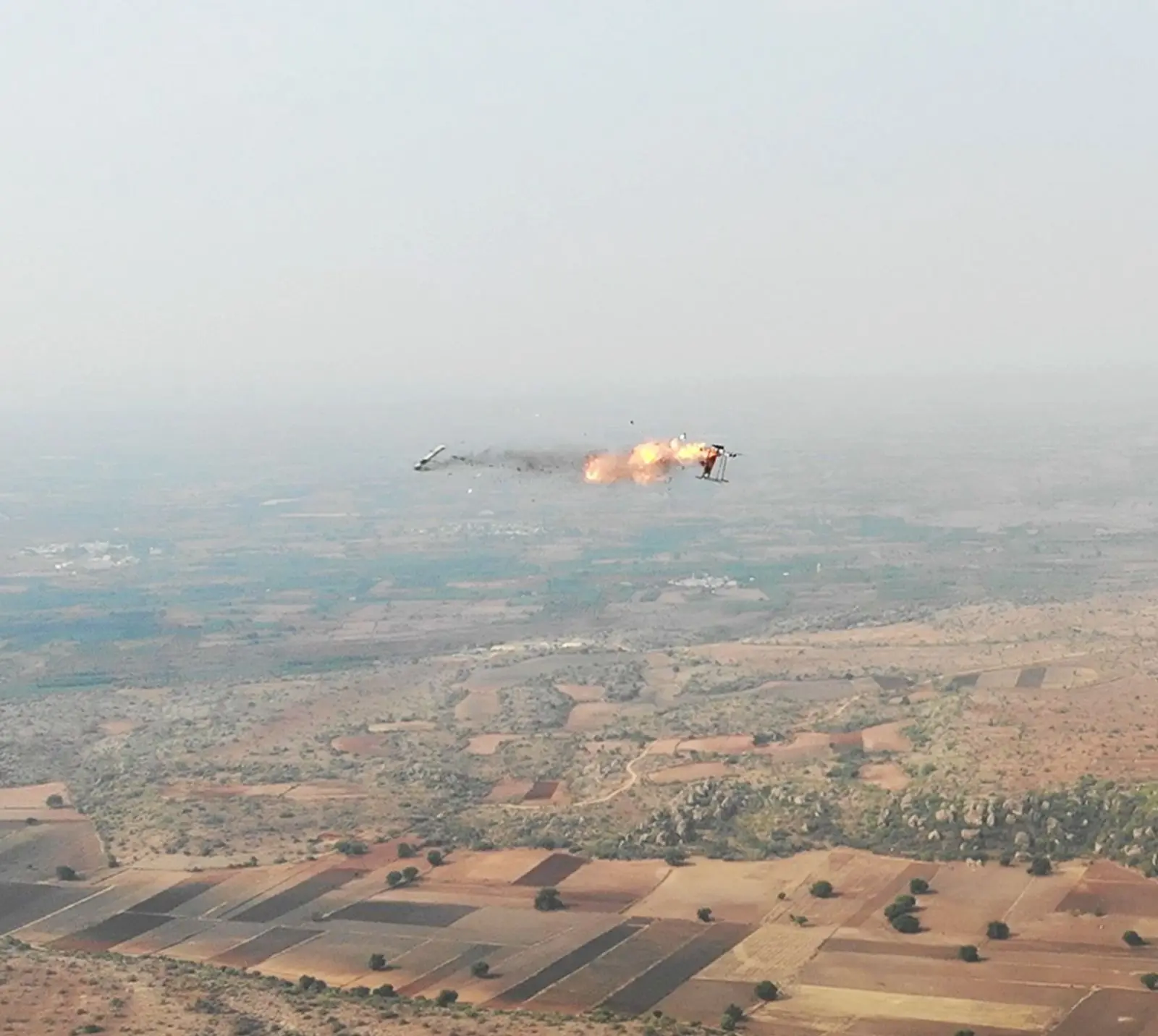
On Tuesday, DRDO successfully completed the final development trials of the ULPGM-V3, an indigenous precision-guided missile designed for both air-to-ground and air-to-air combat roles. The trials were conducted by the Defence Research and Development Organisation near Kurnool in Andhra Pradesh using an integrated Ground Control System (GCS), marking a major step in India’s push towards self-reliance in defence technology. The missile was tested against ground targets as well as airborne threats such as drones and helicopters. Defence Minister Rajnath Singh described the achievement as a 'strategic milestone' for Aatmanirbharta in defence production.
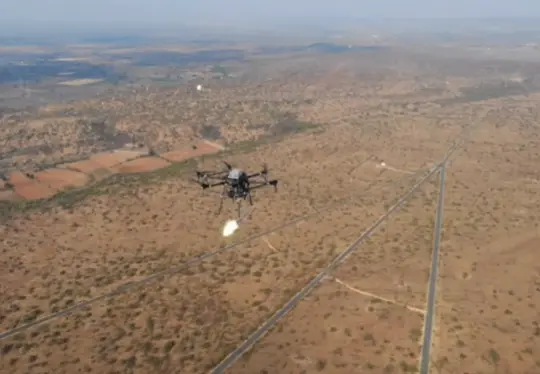
What exactly is the ULPGM-V3?
The ULPGM-V3 stands for Unmanned Aerial Vehicle Launched Precision Guided Missile-Version 3. It is an advanced missile system launched from UAV platforms and developed primarily for precision strikes against tanks, bunkers and airborne targets. It has been co-developed by DRDO and Adani Defence & Aerospace and integrated onto UAVs developed by Bengaluru-based Newspace Research and Technologies.

Key features of the missile
According to the official release, the ULPGM-V3 is equipped with a high-definition dual-channel Imaging Infrared seeker, allowing it to track both stationary and moving targets during day and night operations. It can be fired in plain and high-altitude areas. It also features a two-way data link that enables post-launch target updates in real time. The missile carries a two-kilogram warhead and reportedly delivers an accuracy of one metre Circular Error Probable (CEP). Officials say it can operate effectively in both plains and high-altitude regions.
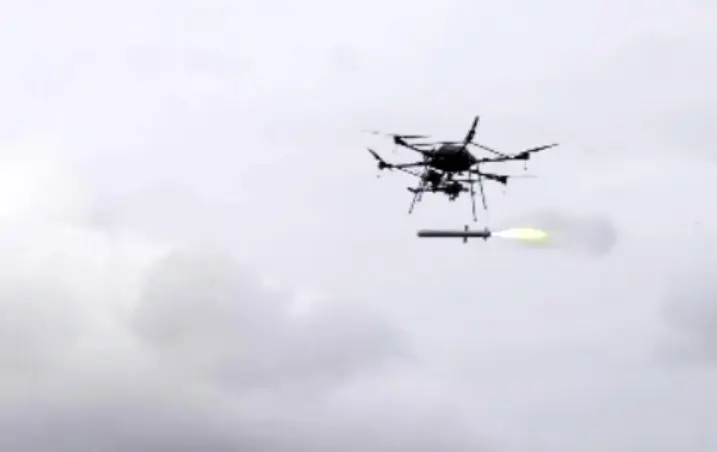
Day-night strike capability and modular warheads
According to DRDO, the missile is equipped with a high-definition dual-channel seeker capable of engaging a broad range of targets in plains as well as high-altitude terrain. It features day-and-night operational capability along with a two-way data link that enables post-launch target and aim-point updates. The missile can also be configured with three modular warhead options, including an anti-armour variant for modern tanks fitted with ERA protection, a penetration-cum-blast warhead for bunker attacks, and a pre-fragmentation warhead designed for a wider lethality zone against softer targets.
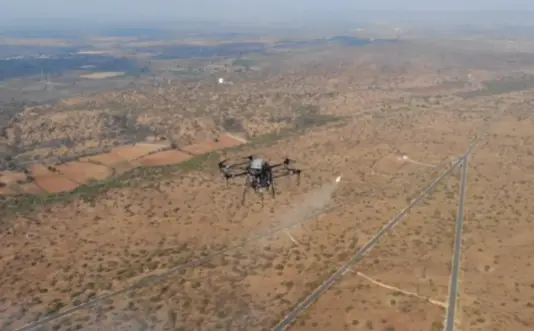
Built through India’s domestic defence ecosystem
The project was led by Hyderabad-based Research Centre Imarat along with DRDL, TBRL and HEMRL laboratories. Bharat Dynamics Limited and Adani Defence Systems & Technologies have been named production partners. DRDO said the missile was developed entirely within India’s defence ecosystem involving several MSMEs and private firms. Officials added that the successful trials confirmed the system is ready for serial mass production.
Advanced upgrades in the ULPGM-V3
The missile is an upgraded version of the earlier ULPGM-V2 and is regarded as India’s first indigenous loitering munition in its category. The successful ULPGM-V3 trials form part of India’s wider push to strengthen indigenous missile capabilities. In July 2025, DRDO conducted successful flight trials of the missile at the National Open Area Range test facility in Kurnool, Andhra Pradesh.
)
)
)
)
)