What is the X-37B 'secretive' space plane that US Space Force launches this week?

The X-37B space plane goes on secretive missions for days to carry out tests and experiments for the US Space Force. It is set to be launched again this week from NASA's Kennedy Space Centre near Cape Canaveral. Its launch and landing techniques are quite unique.
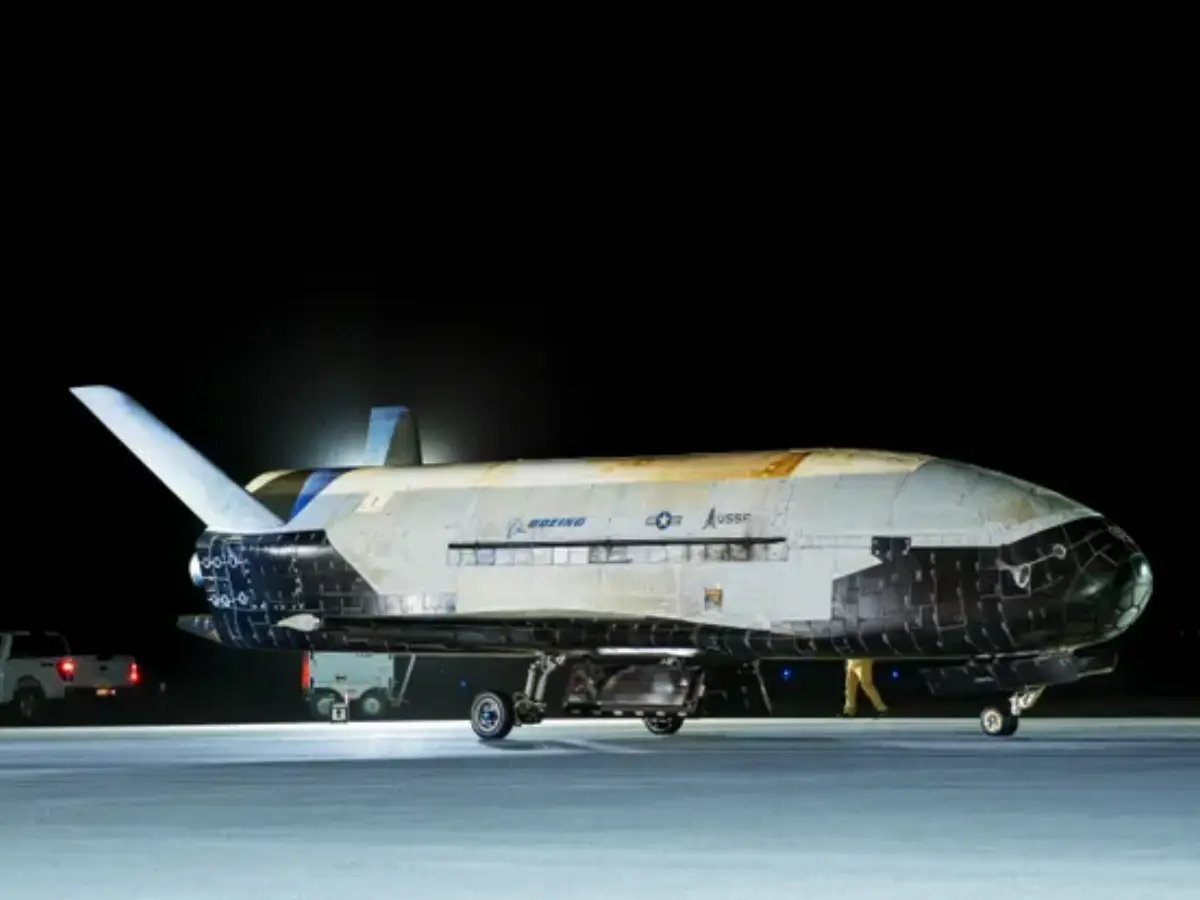
X-37B space plane set for another launch on August 21
The US Space Force is set to launch the X-37B Orbital Test Vehicle from NASA's Kennedy Space Centre near Cape Canaveral on August 21. According to a Federal Aviation Administration advisory, the launch window will remain open till 5:11 am on Friday, August 22. The X-37B military space plane is a "secretive" mission and has been built by Boeing. It looks like a mini space shuttle and has been launched previously as well.
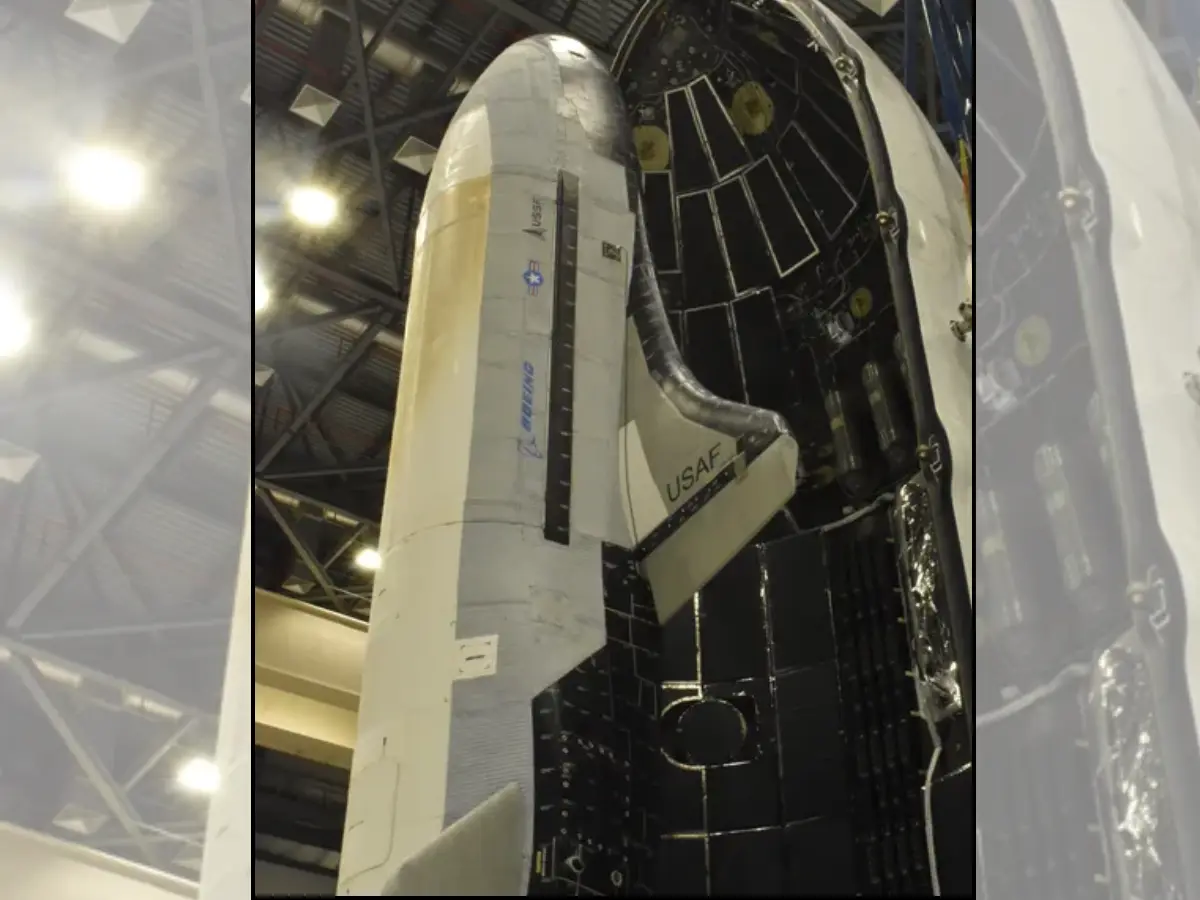
How is X-37B launched into space?
Even though the space plane looks like a space shuttle, it isn't launched like one. The X-37B is not mounted onto boosters like the space shuttle. Instead, the X-37B it is placed on top of a rocket like a payload. To protect it during the journey, it is encased inside protective fairing covers that come off soon after lift-off.
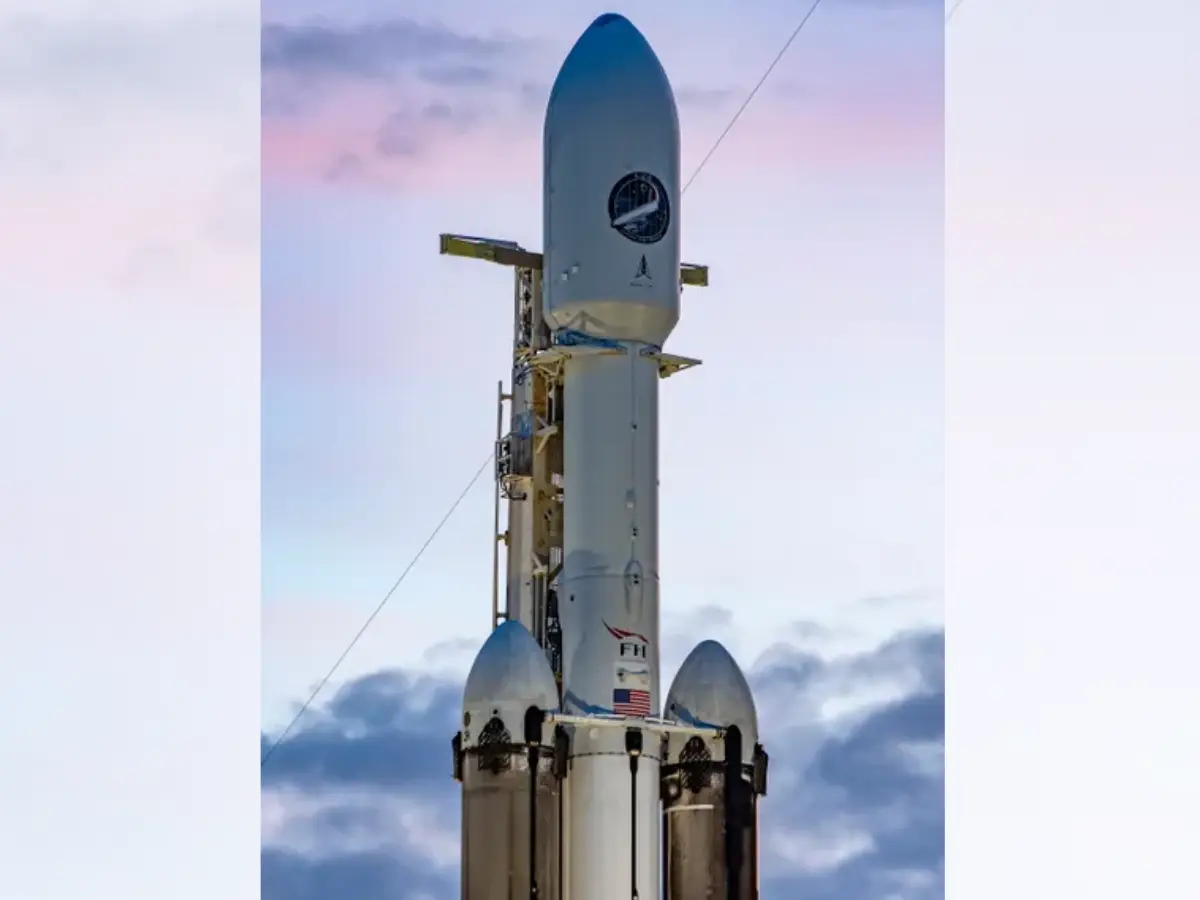
A SpaceX Falcon Heavy rocket with the Space Force X-37B
Earlier, it was launched on a ULA Atlas V rocket and SpaceX Falcon Heavy rocket from Cape Canaveral. Another time, the X-37B was launched from Vandenberg Space Force Base in Southern California. The purpose of the X-37B is to advance US interests in the field of space technology. It does not carry humans on board, but only Space Force experiments.
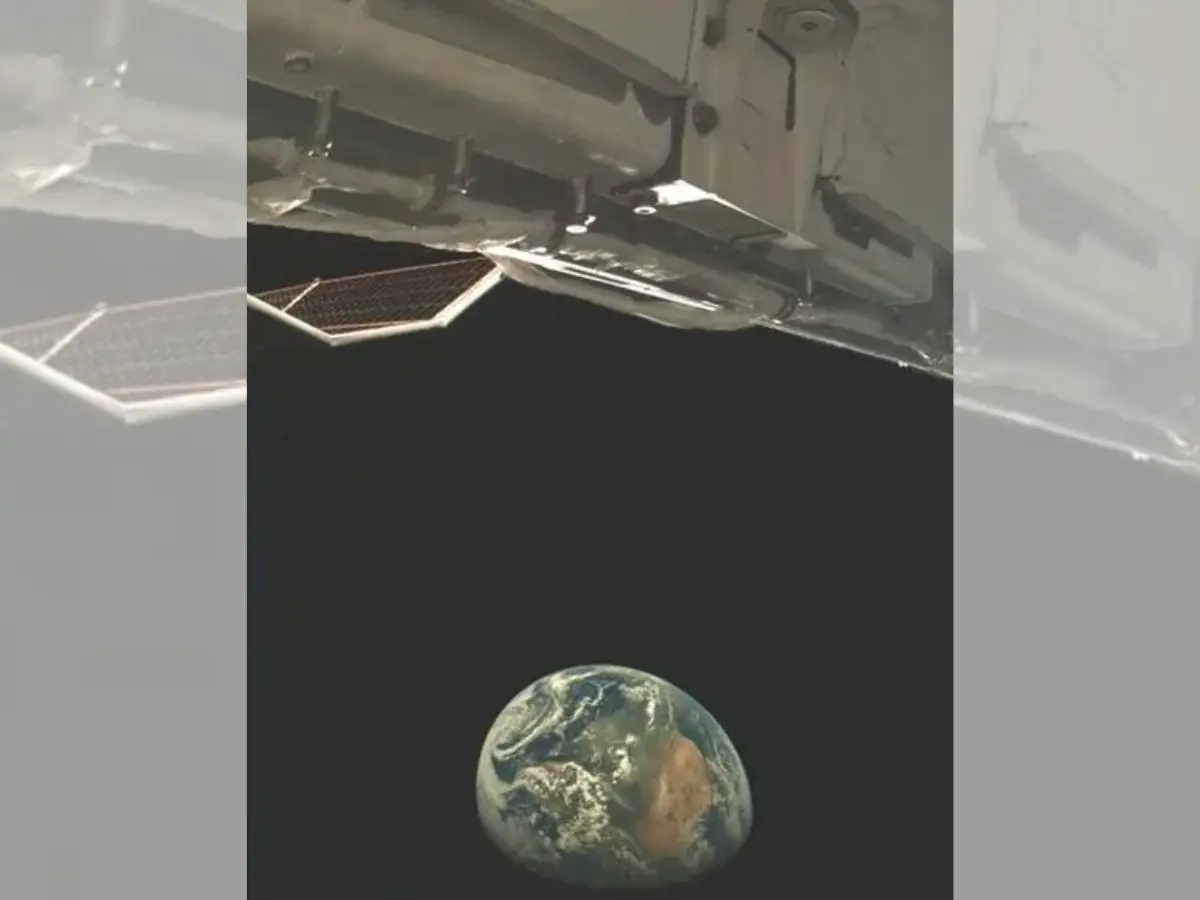
X-37B hovers around Earth like a space shuttle
After being launched into space, the X-37B orbits around the Earth. It's like a small plane or a space shuttle that continues to move around until its mission is over. According to Boeing, the X-37B is about one-fourth the size of the space shuttle.
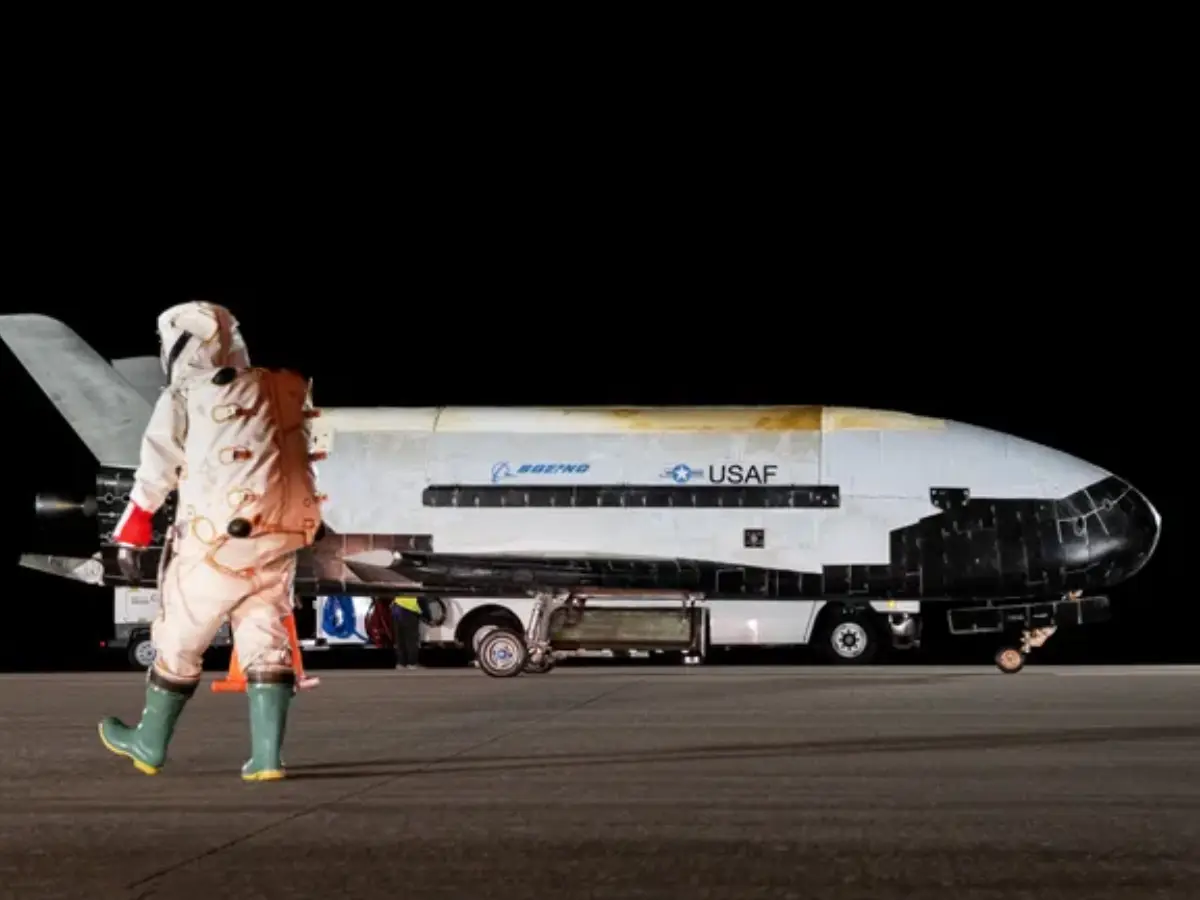
X-37B lands like a regular plane
When it is due to return, it does not splash into the ocean like a spacecraft. Instead, the X-37B glides onto a runway like a regular aircraft. This lets the space plane get ready for further missions much quicker than a regular spacecraft. Boeing says that its ability to re-enter on its own means that the turnaround time for X-37B is much less.
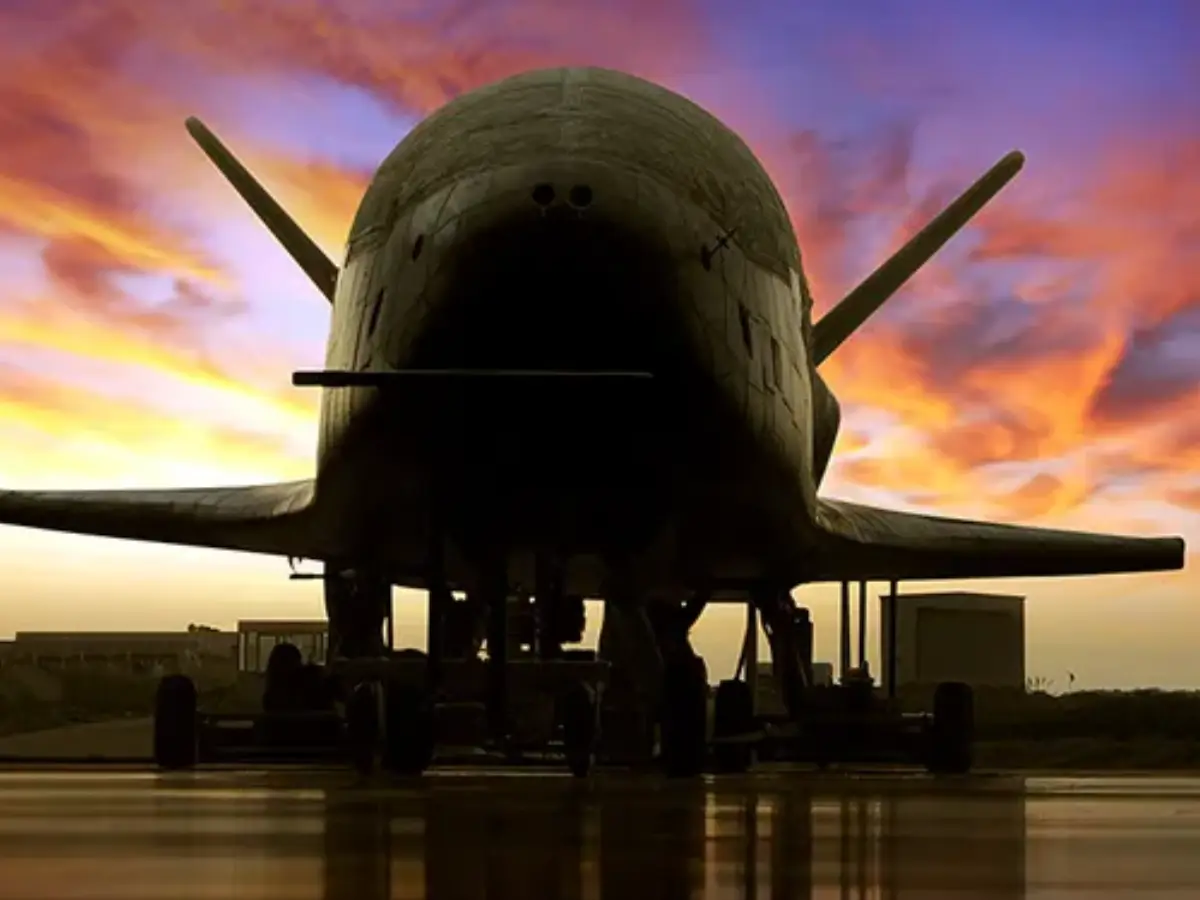
X-37 tests technologies in space
The X-37B takes with it several payloads for testing and conducting experiments in space. This helps engineers understand how things work in space and shape their future development of space systems and architectures.
)
)
)
)
)