What is the US’s HELIOS weapon? Range, features, and capabilities explained

Its beam can be directed with precision over significant distances, enabling engagements without explosive ammunition and with minimal logistical supply constraints.
A new era of naval defence
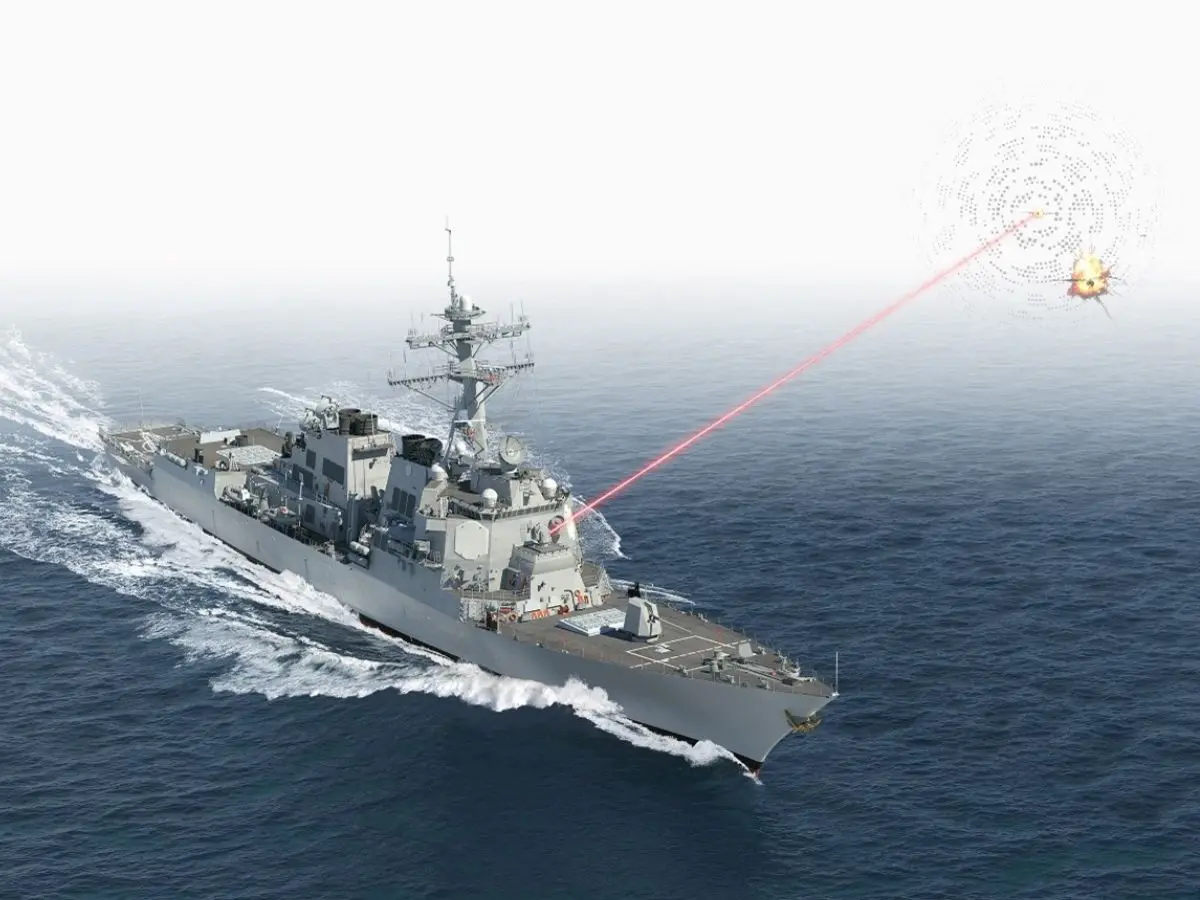
The US Navy has taken a significant step into directed-energy warfare with the deployment of the High Energy Laser with Integrated Optical-dazzler and Surveillance, known as HELIOS. This system, developed by Lockheed Martin, represents one of the first fully integrated shipborne laser weapon systems designed not just to dazzle or detect but to engage real threats at sea using concentrated beams of light directed at the speed of light.
What HELIOS is and where it operates
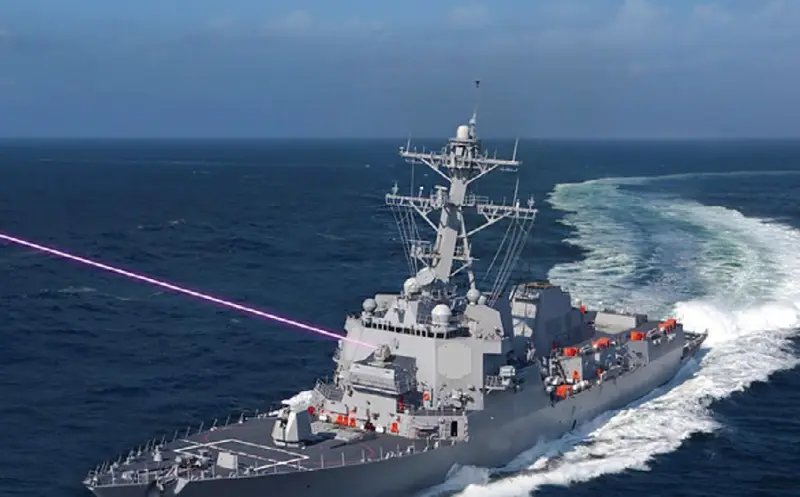
HELIOS is a 60-kilowatt-class high energy laser weapon system integrated aboard surface combatants, initially on an Arleigh Burke-class destroyer of the US Pacific fleet. Unlike conventional guns or missiles, the system draws power from the ship’s electrical generation systems, giving it a deep 'magazine' as long as there is power. It could provide protection from small aerial threats, such as kamikaze drones and loitering munitions.
Main functions and threat engagements
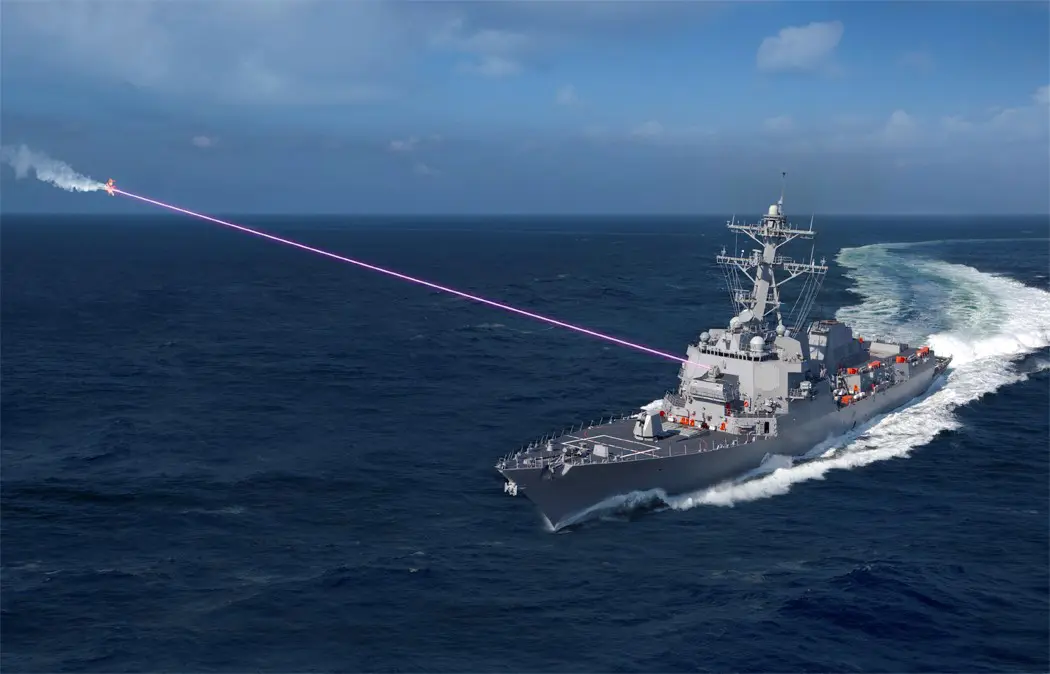
The HELIOS weapon combines three key functions: a high-energy laser for direct target engagement, sensors for long-range intelligence, surveillance and reconnaissance (ISR), and a counter-UAS mounted ISR (C-ISR) dazzler that disrupts or blinds hostile drone sensors. This combination of systems allows it to respond to small unmanned aerial systems, fast attack craft and potentially other threats without using traditional ordinance.
Integration with ship systems
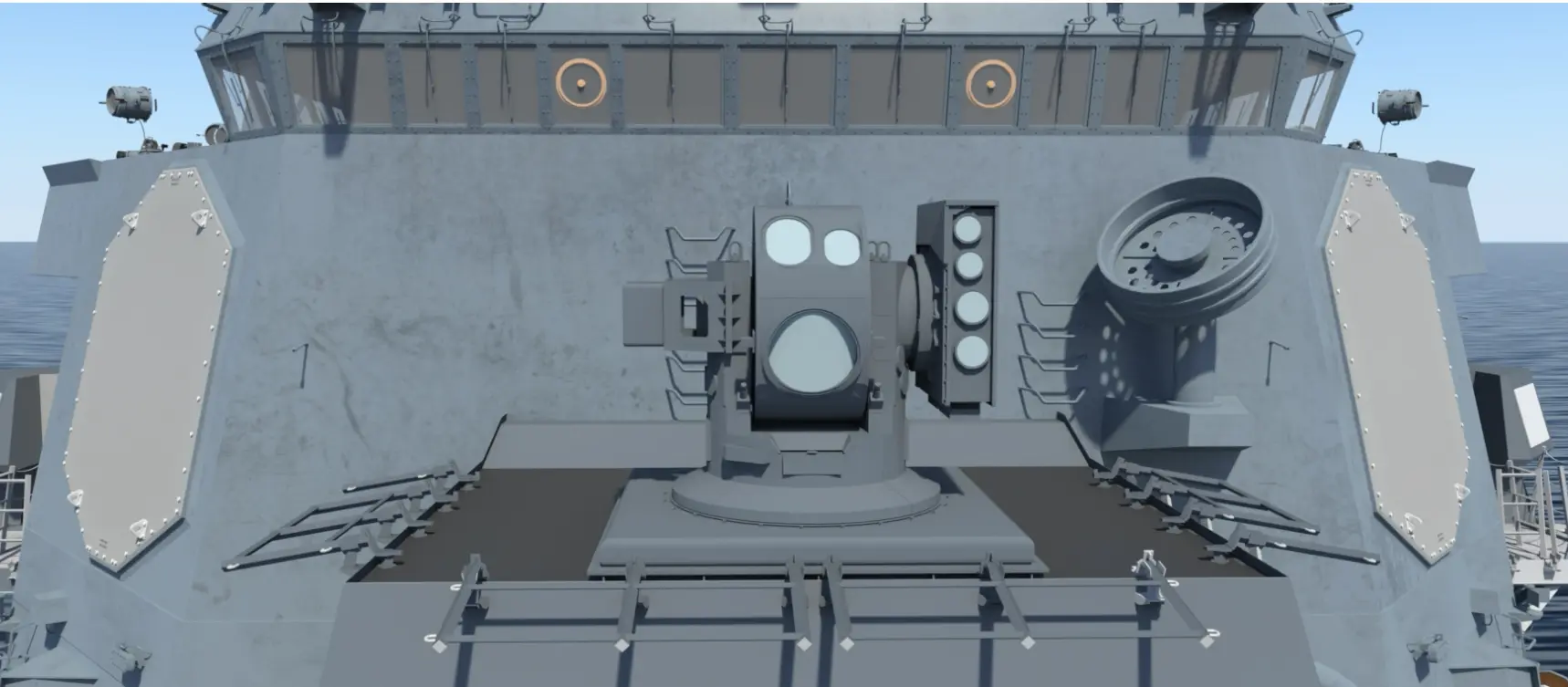
One of HELIOS’s distinguishing features is its deep integration with the ship’s combat system. The laser is built into the Aegis Combat System on board, sharing sensor data and fire control with existing radar and tracking networks. This feature avoids the challenges of standalone bolt-on systems and enhances situational awareness.
Precision and operational reach
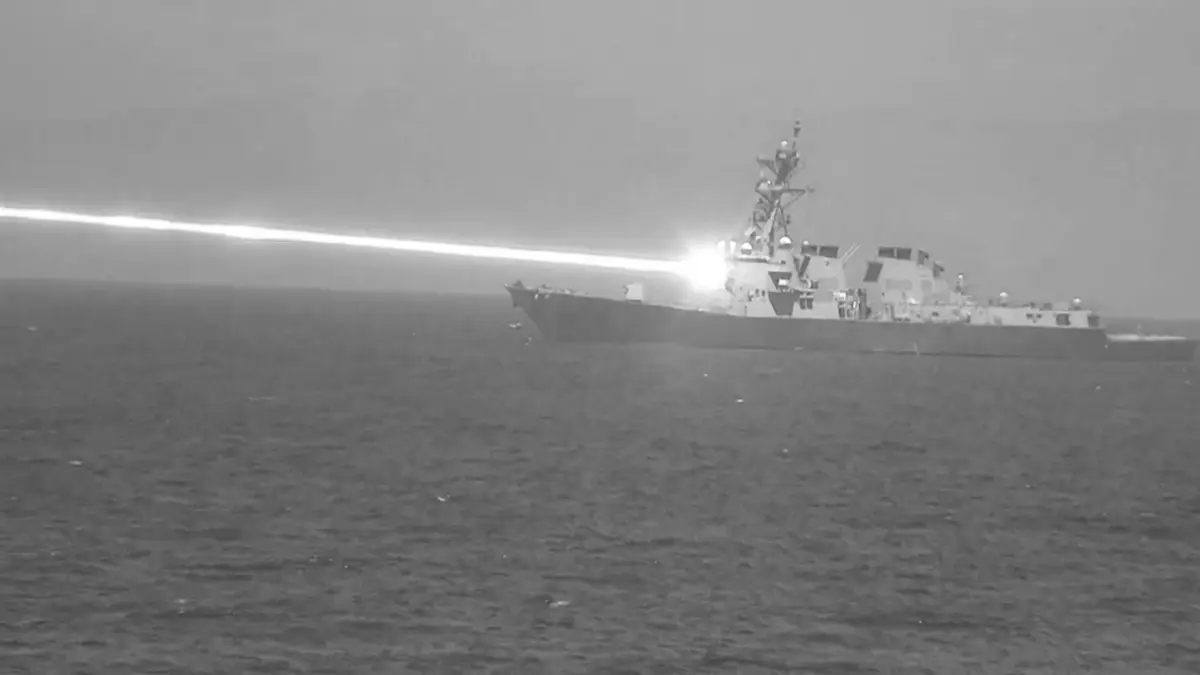
HELIOS has been demonstrated to exceed 60 kW output in testing, with scalable power architecture that allows for future increases in energy output. Its beam can be directed with precision over significant distances, enabling engagements without explosive ammunition and with minimal logistical supply constraints.
Cost and tactical advantages
The 'speed of light' delivery of energy means engagements occur in fractions of a second once a target is designated. There is no physical ammunition to expend, which significantly lowers cost per engagement compared with missiles or gun rounds. Its precision reduces collateral risk in cluttered littoral environments.
Future outlook and expanding roles
HELIOS forms part of a broader move towards laser and directed-energy systems in naval fleets. However, environmental conditions like Fog, wind, and other weather factors can also impact laser effectiveness.
)
)
)
)
)