What is the total cost of NASA and ISRO’s NISAR mission and how it could save millions from natural disasters?

NASA-ISRO’s NISAR mission costs about $1.5 billion and it will to give countries relevant data to spot and prepare for disasters, millions of people could benefit from early warnings and smarter rebuilding.
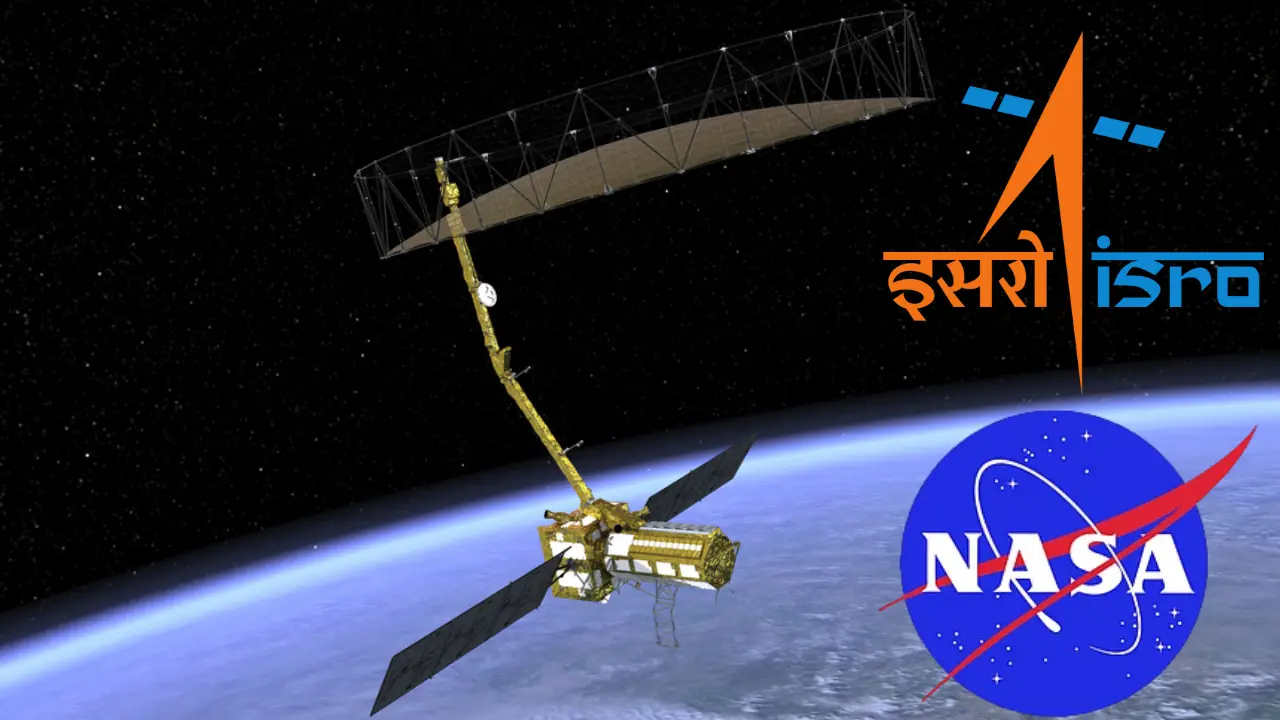
NISAR-joint US-India mission with about $1.5 billion cost
The NISAR satellite is the world’s most expensive Earth observation project at $1.5 billion. Built with both us and indian tech, NISAR launches from Sriharikota on 30 july 2025.
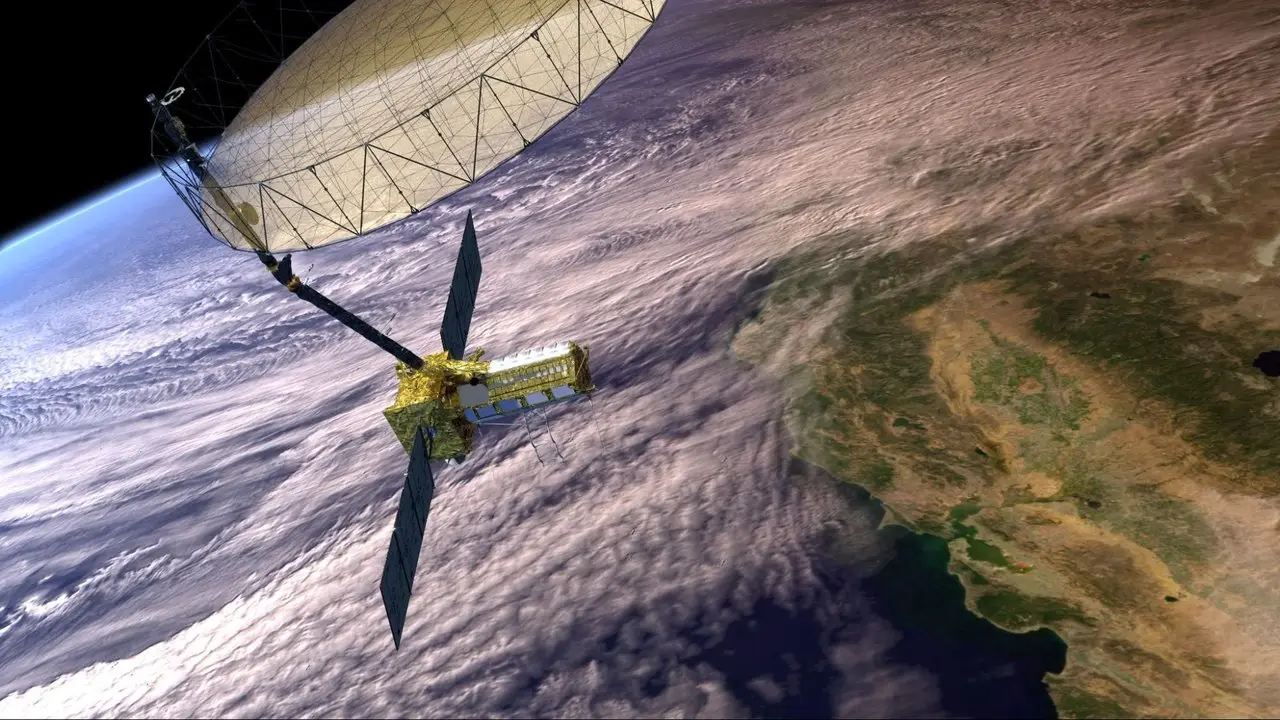
$1.5 billion
NISAR uses advanced dual-frequency radar l-band from NASA and S-band from ISRO with a massive 12-metre antenna. Together, they scan nearly all land and ice globally every 12 days, revealing subsurface changes and vital movement invisible to normal satellites.
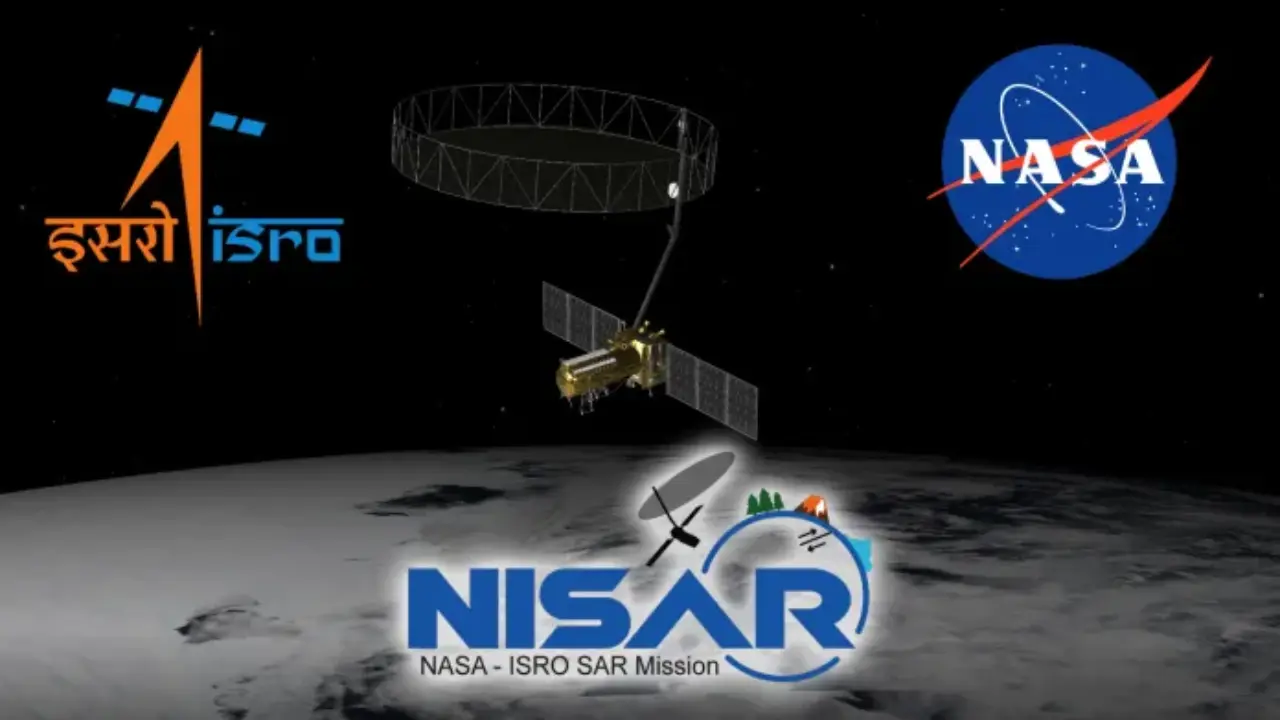
Precision for disaster early-warning
NISAR’s radar spots ground shifts as tiny as 1 cm. This will helps find early signs of earthquakes, landslides and volcanic activity which will enabl scientists to warn communities faster and prepare resources before disaster hits.

All-weather, day-and-night coverage
NISAR radar can see through clouds, dust and darkness, so it keeps collecting data during storms, floods or volcanic ash events. This ‘all-conditions’ data means emergency teams and leaders get vital updates almost in real time, no matter the weather.
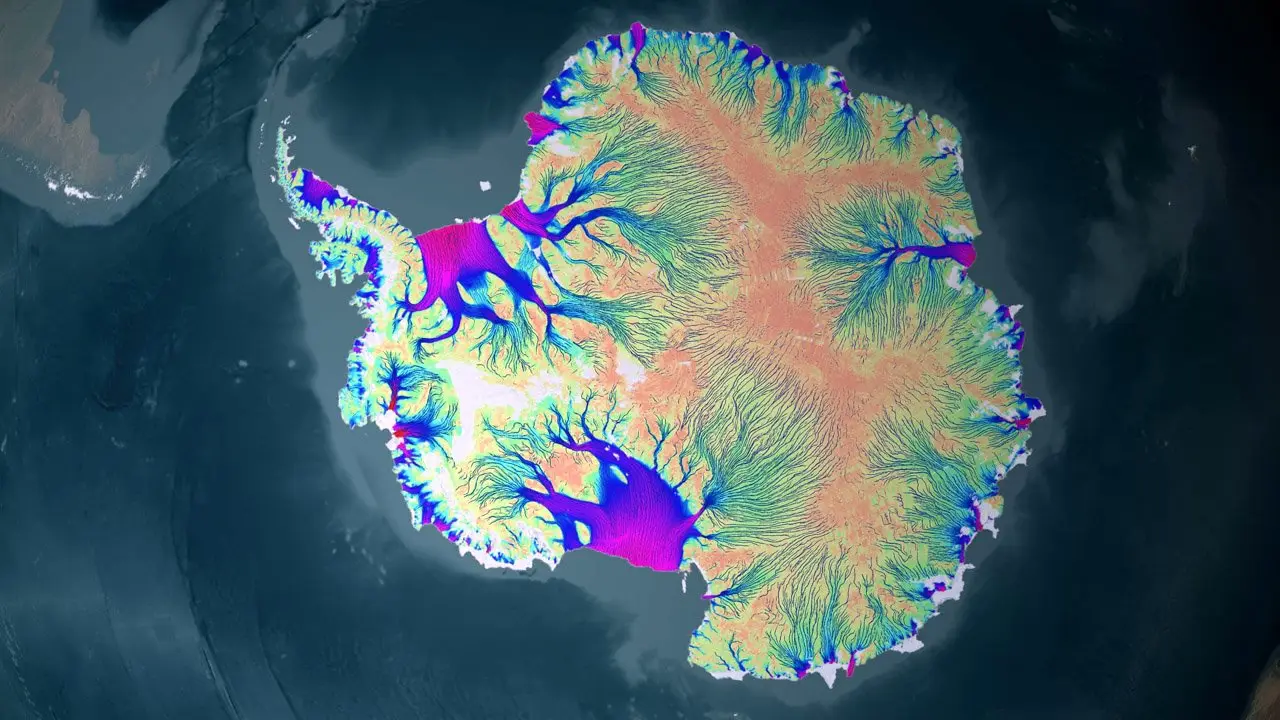
Free data for global scientists and governments
Governments, researchers and rescue teams gets free access to NISAR information. In disaster situations, key data is released in under a day, supporting fast rescue, risk mapping and smarter building after floods, quakes or storms.

Saving lives and billions in losses
By spotting risk zones and rapid changes, NISAR helps leaders plan safer cities and warn at-risk villages in time. protected crops, early evacuations or stronger infrastructure could save millions of lives, prevent billions in damages, and boost disaster resilience.

A new model for space and safety
NISAR satellites will not only bring us powerful Earth monitoring data but are also a landmark in international teamwork. Its open-data policy and tech-sharing approach set a model for future space cooperation.
)
)
)
)
)