What is the secret 'Ghost Mode' of B-2 Bomber?

Infrared sensors are another way enemies try to spot stealth aircraft, by tracking the heat from engines. The B-2’s designers built a unique exhaust system that cools engine gases by mixing them with cold air before release.
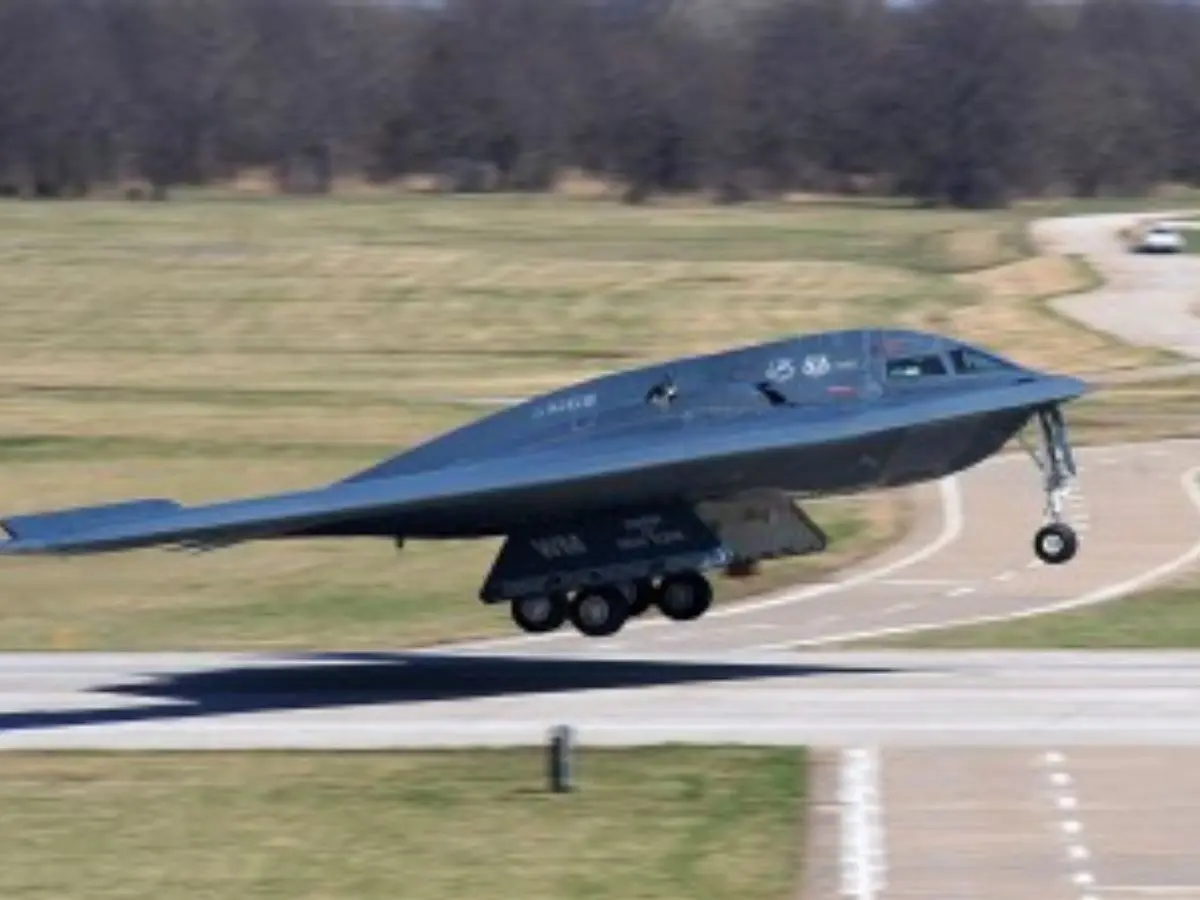
What Is “Ghost Mode”?
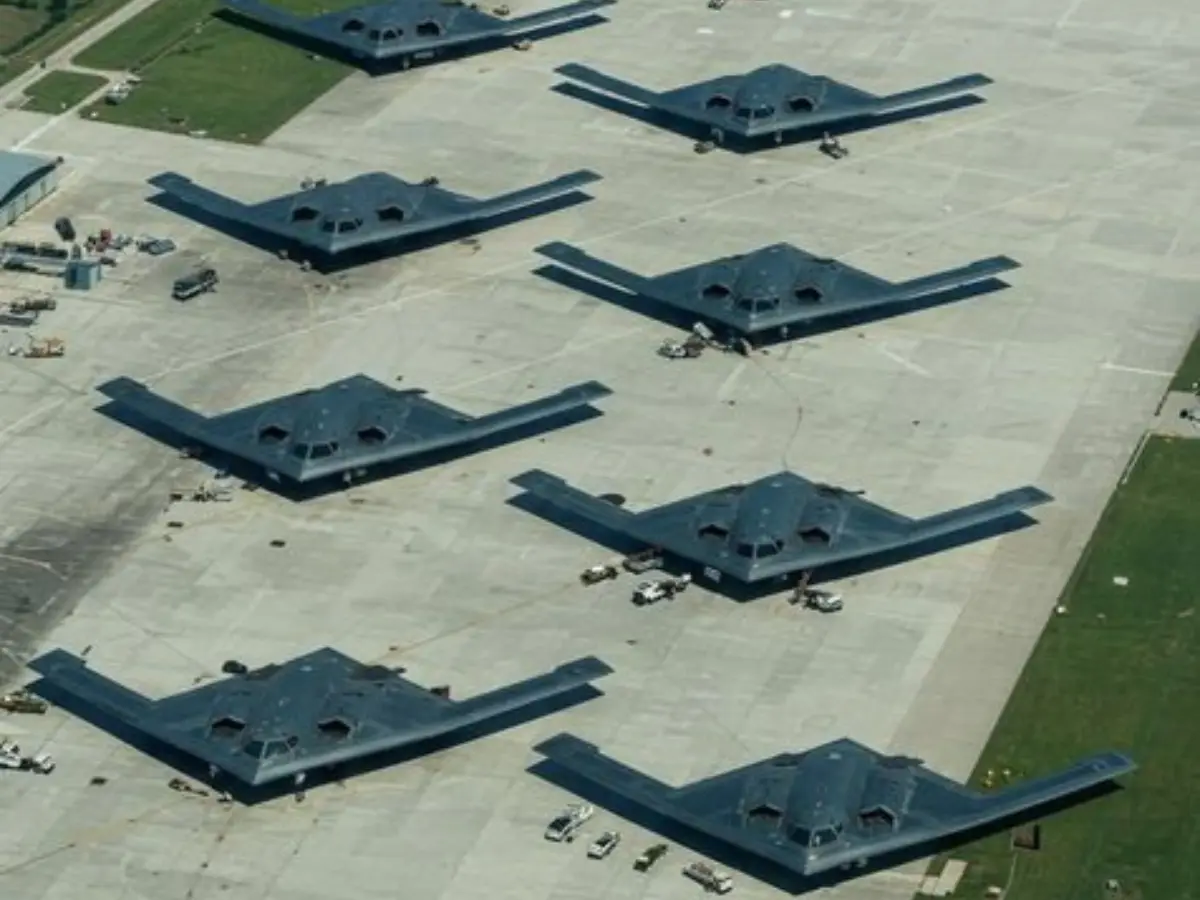
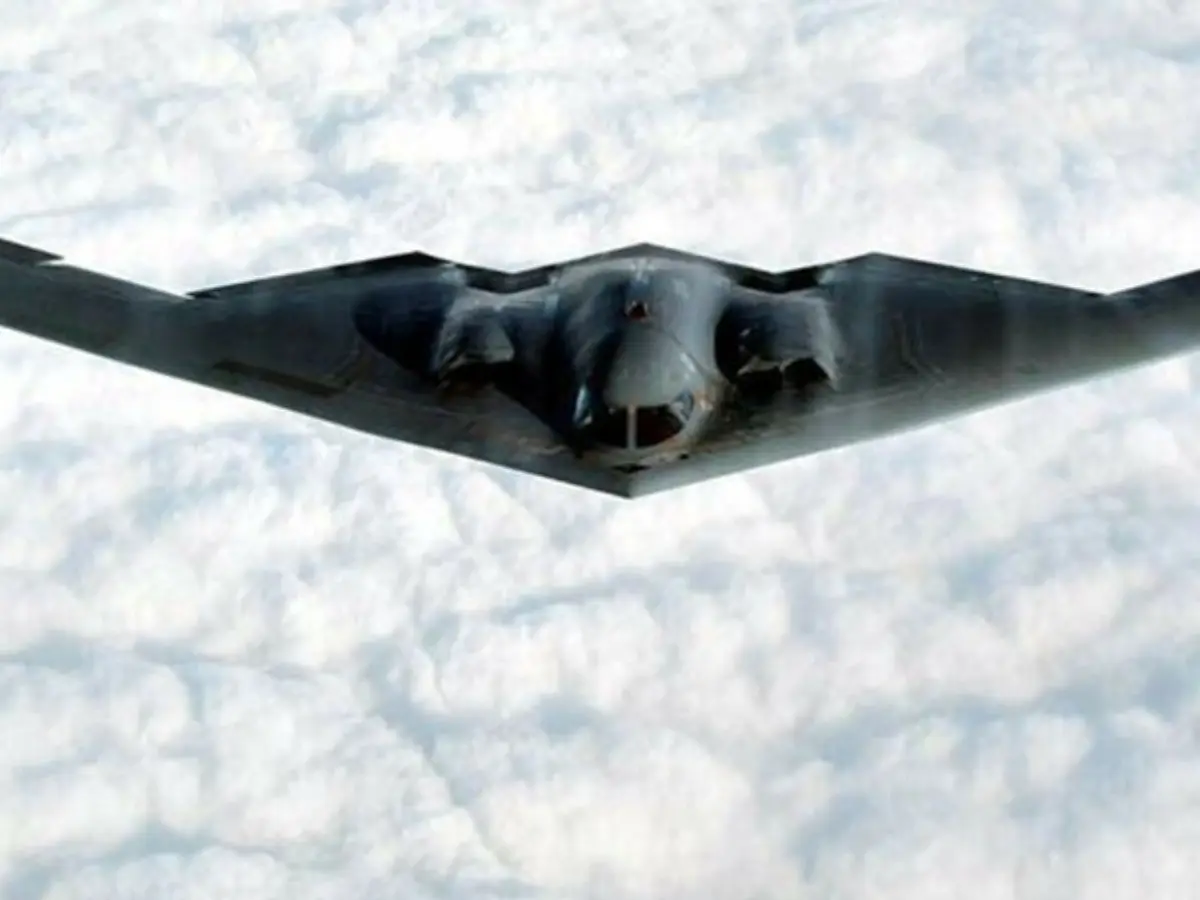
The B-2 Spirit stealth bomber has earned the nickname “the Ghost” because of its ability to vanish from radar. But military insiders often talk about a hidden feature informally called “Ghost Mode.” This isn’t a button pilots press but rather a combination of advanced stealth technologies, flight tactics, and electronic countermeasures that allow the B-2 to slip past some of the most advanced defence systems in the world as if it were invisible.
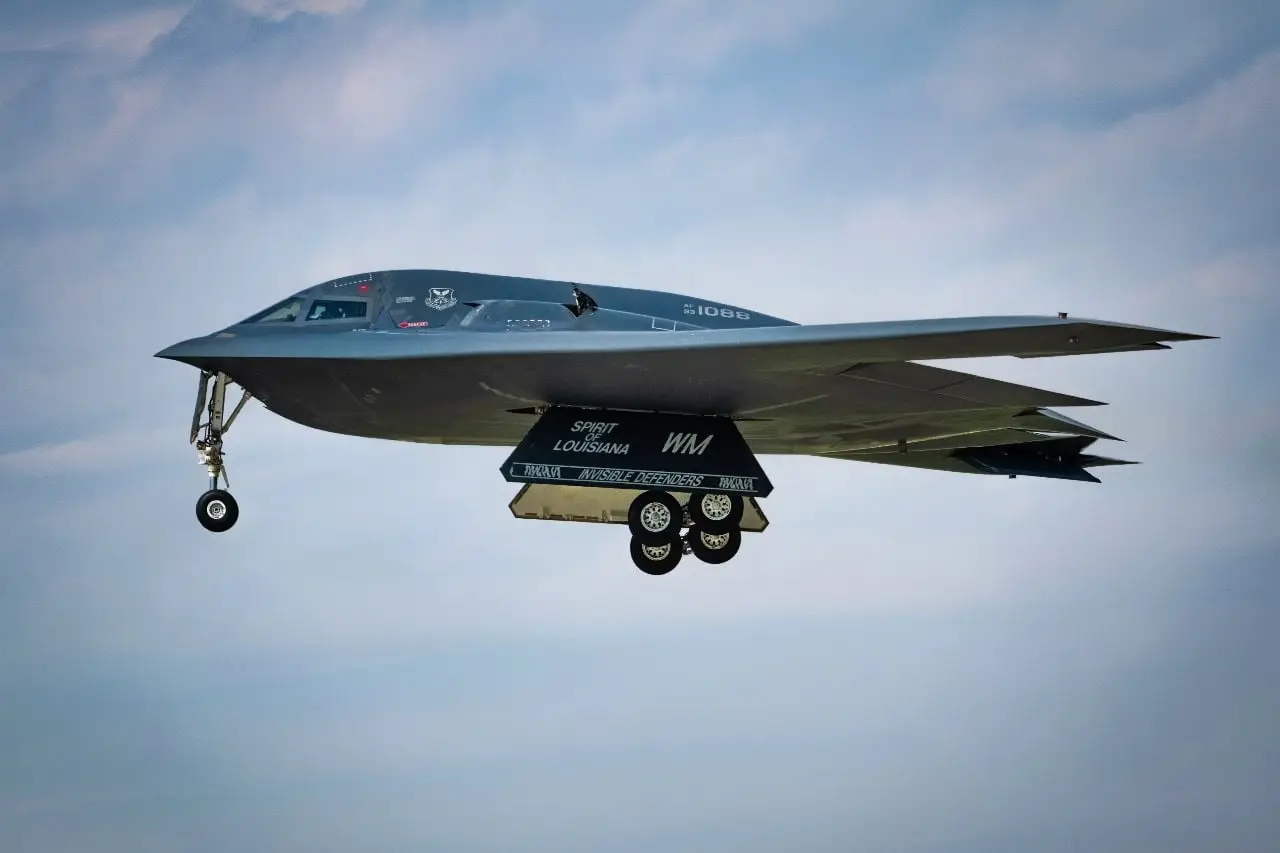
Shaping the Shadows
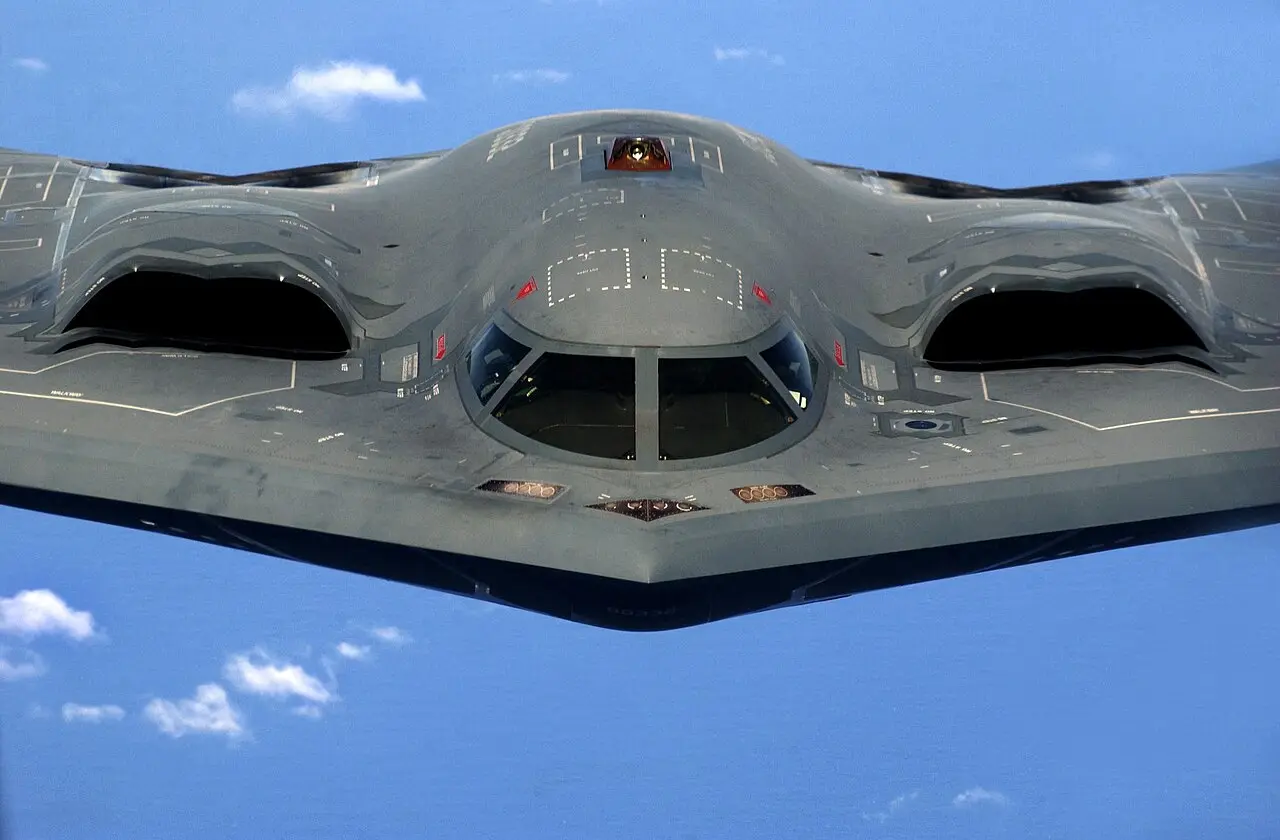
The B-2’s flying wing design isn’t just futuristic, it’s central to Ghost Mode. Without a tail or vertical stabilisers, it reflects very little radar energy back to enemy systems. Its smooth curves scatter radar signals in multiple directions, making the aircraft appear like a tiny bird or vanish completely, on an enemy’s screen.
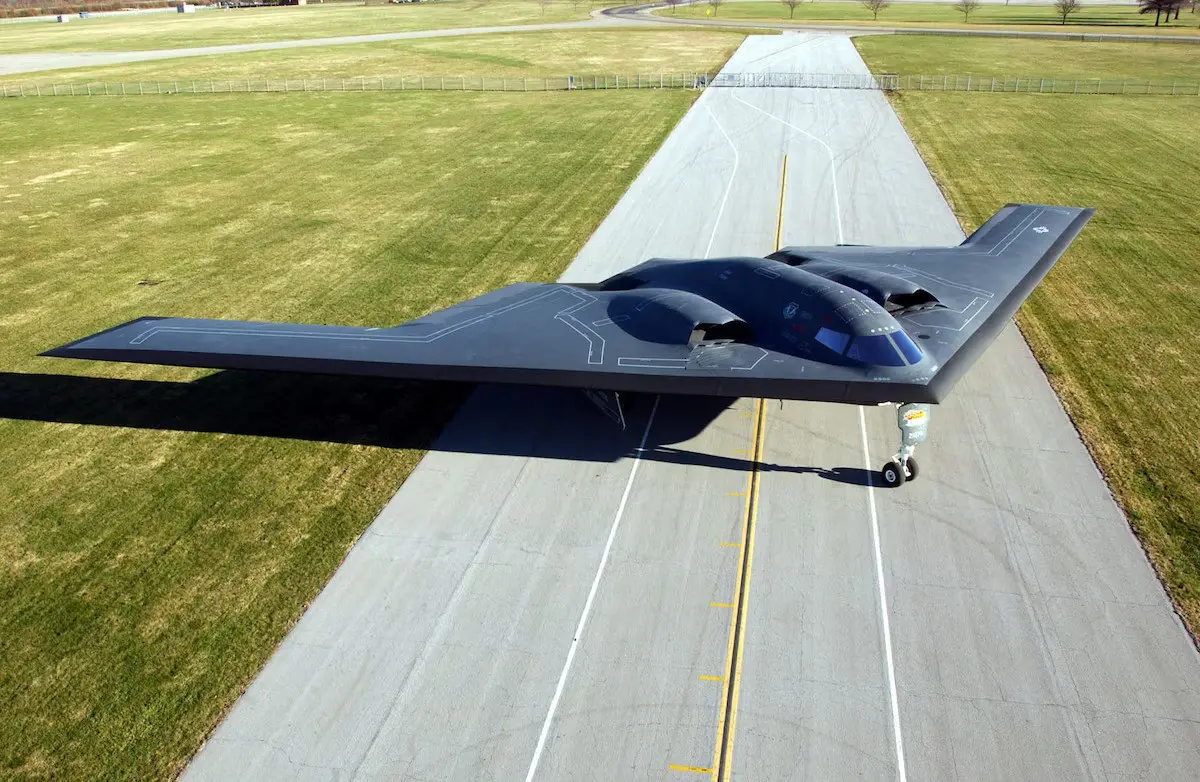
The Secret Skin
A big part of Ghost Mode lies in the bomber’s skin. The B-2 is coated with radar-absorbent material (RAM) that soaks up enemy radar waves instead of bouncing them back. Maintenance crews spend hours treating and repairing this coating before every mission, ensuring the jet’s invisibility cloak works at its best.
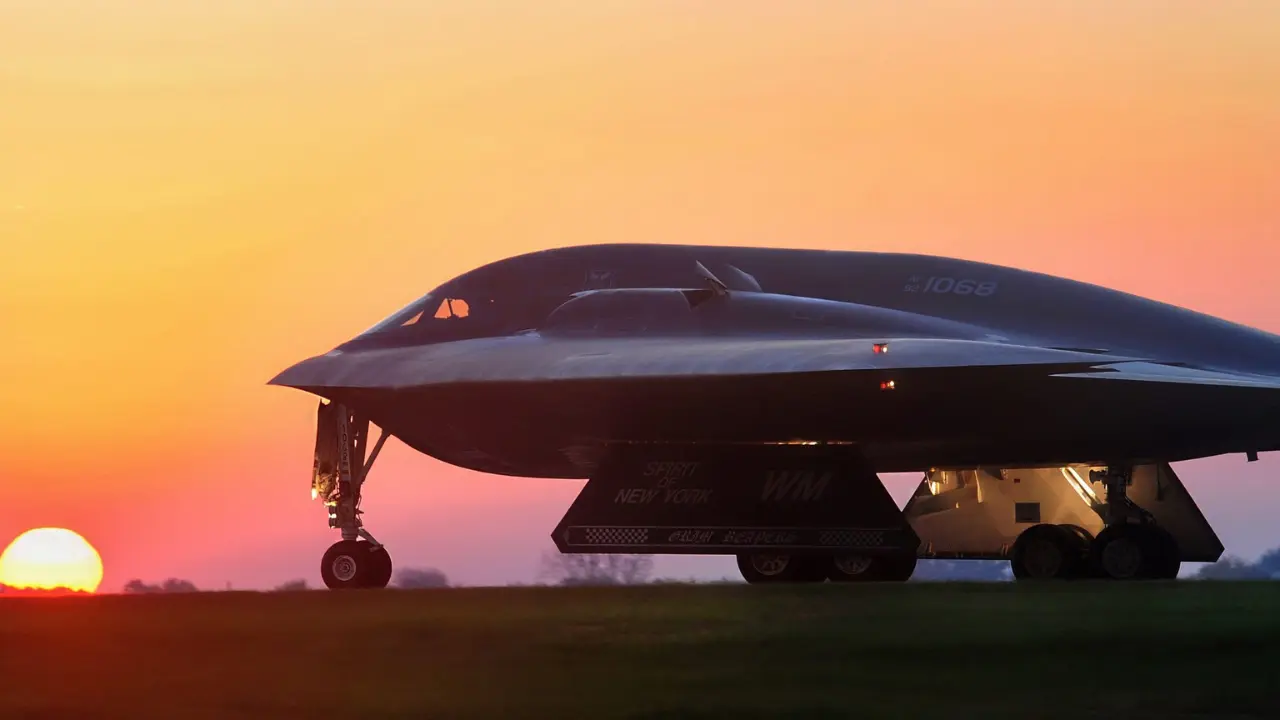
Heat Becomes Smoke
Infrared sensors are another way enemies try to spot stealth aircraft, by tracking the heat from engines. The B-2’s designers built a unique exhaust system that cools engine gases by mixing them with cold air before release. This hides its heat signature so effectively that even satellites find it hard to lock on.
Electronic Ghosting
The B-2 isn’t silent, it carries one of the most advanced suites of electronic warfare tools ever built. When detected, it can jam enemy radars, confuse missile guidance systems, and even send false signals to make it look like it’s flying in a completely different direction. To radar operators on the ground, the B-2 becomes a phantom.
Tested in Real Combat
Ghost Mode is not just theory, it has been proven in battle. During conflicts in Kosovo, Iraq, and Afghanistan, B-2s flew deep into enemy airspace heavily guarded by air defence systems. Not a single B-2 was ever shot down or even detected in time to be targeted. That combat record made the world realise the B-2’s stealth was on another level.
The Future of the Phantom
The B-2 is already over 30 years old, but Ghost Mode continues to evolve. Upgrades in sensors, electronic warfare, and stealth coatings keep it ahead of modern defences. Even as the B-21 Raider prepares to take over, the B-2 remains a legend in aviation history—the plane that could become a ghost at will.
)
)
)
)
)