What is the range of the F-15IA fighter jet without refueling?

The F-15IA features a combat radius of roughly 1,270 kilometres without refuelling. By utilising conformal and external drop tanks, its maximum one-way ferry range extends to nearly 4,000 kilometres, enabling strategic deep strike missions.
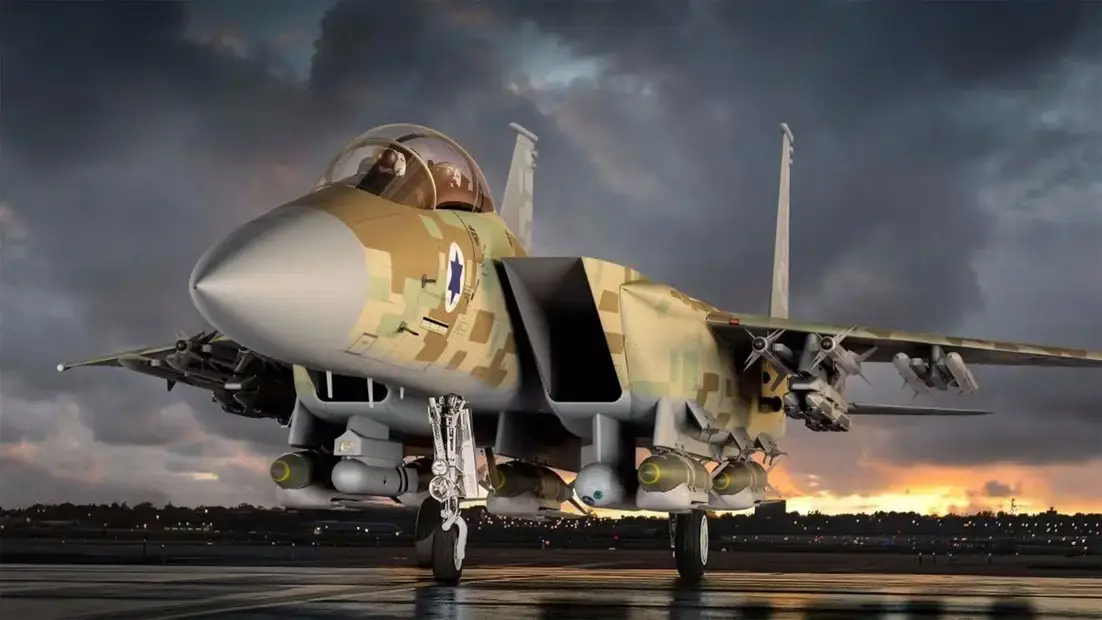
Combat radius vs ferry range
In military aviation, a jet's distance is measured in two ways. The 'combat radius' is how far it can fly out and return fully armed, while 'ferry range' is the maximum one-way distance it can travel empty.
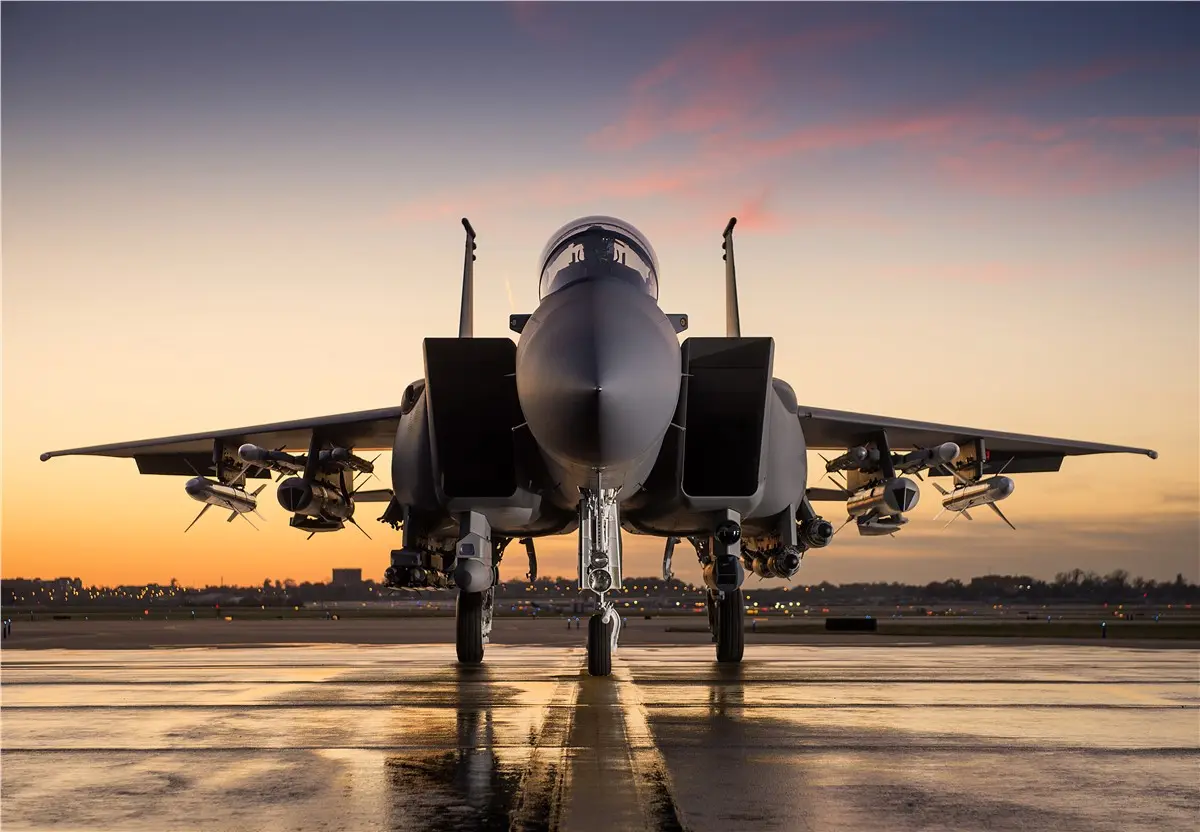
The 1,270-kilometre combat radius
According to operational data, when fully loaded with heavy munitions for a strike mission, the F-15IA boasts an unrefuelled combat radius of approximately 1,270 kilometres. This allows it to strike deep targets and safely return to base.
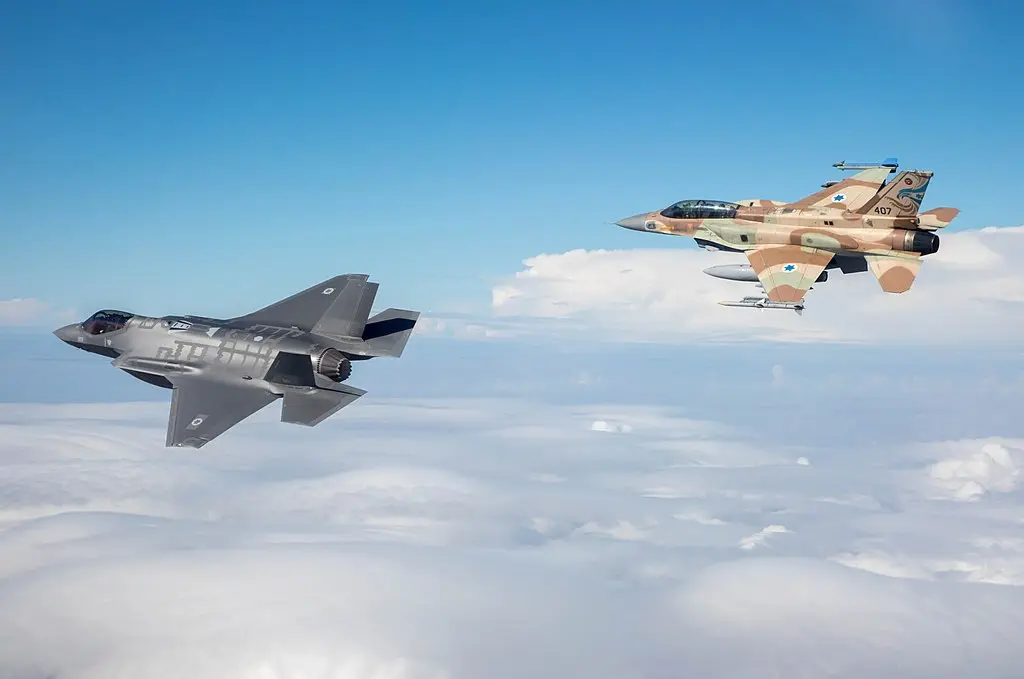
Maximum unrefuelled distance
If the aircraft is stripped of heavy weapons and equipped solely for distance, its maximum ferry range expands significantly. In this configuration, Boeing specifications indicate the F-15IA can fly nearly 4,000 kilometres without needing a tanker.
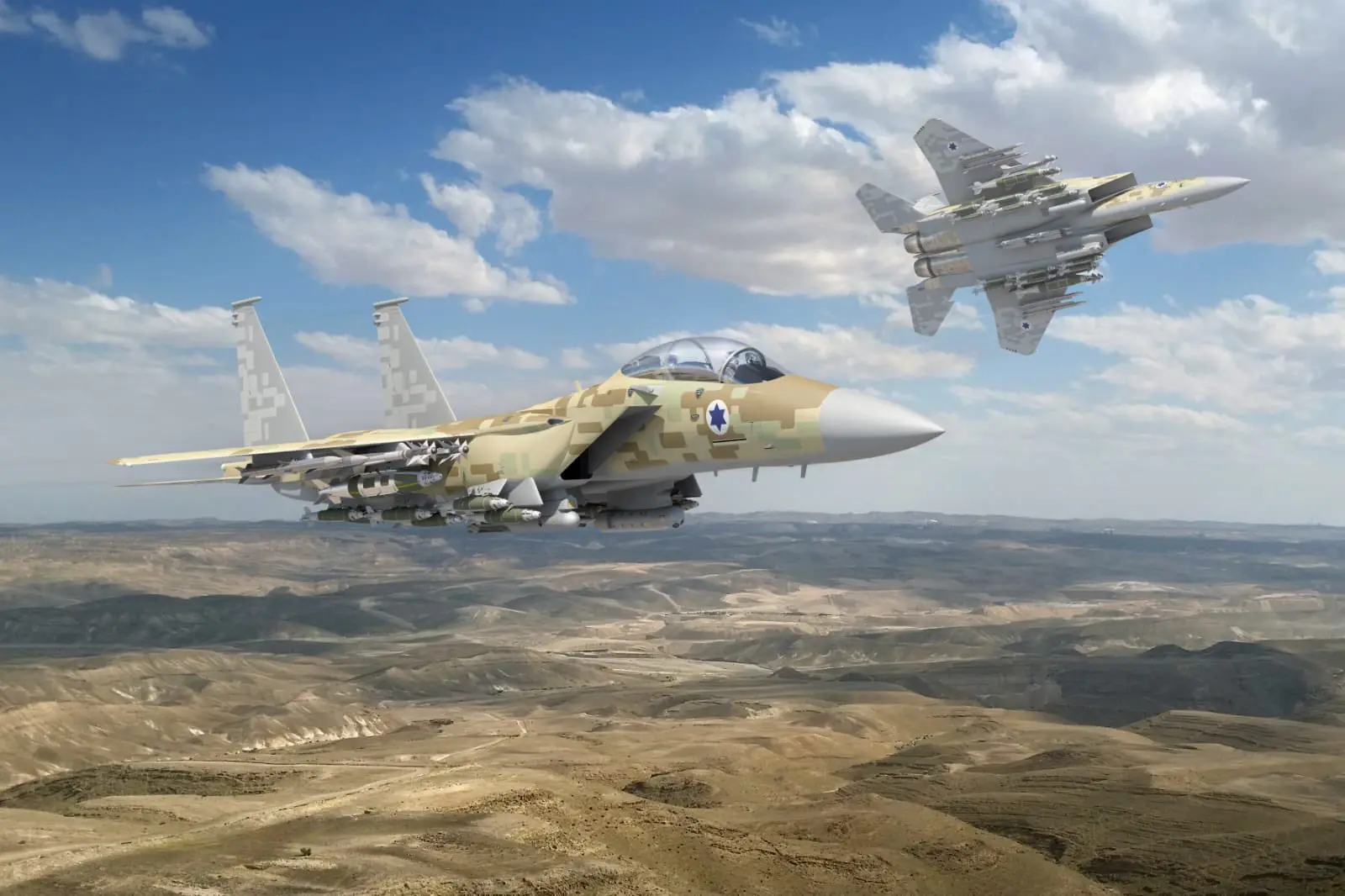
Conformal fuel tanks
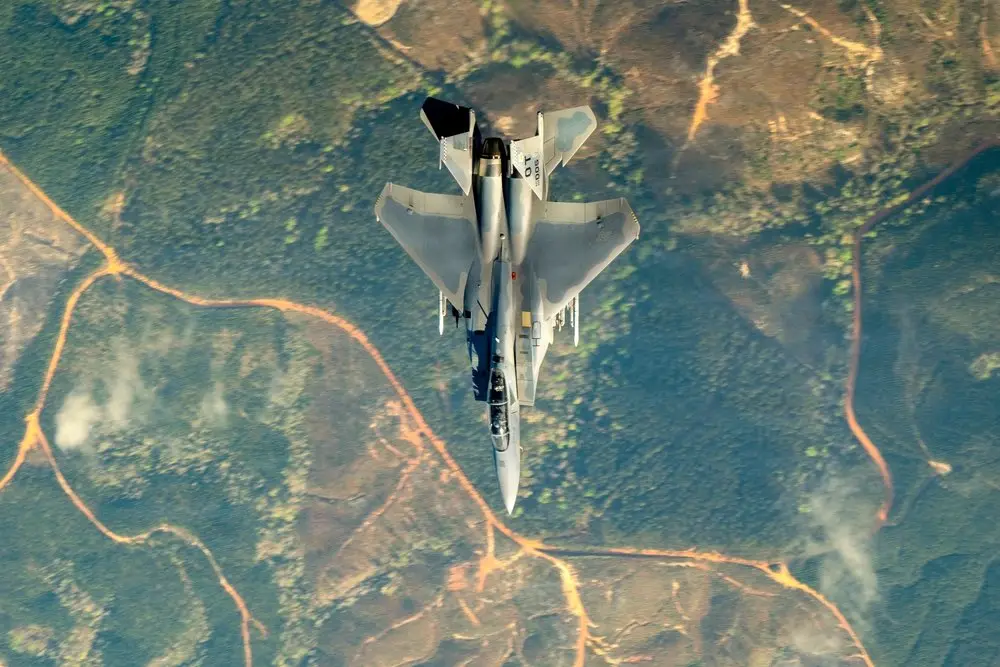
The secret to this impressive range lies in conformal fuel tanks (CFTs). These are aerodynamically shaped fuel containers strapped directly to the fuselage, adding massive fuel capacity without creating excessive drag.
External drop tanks
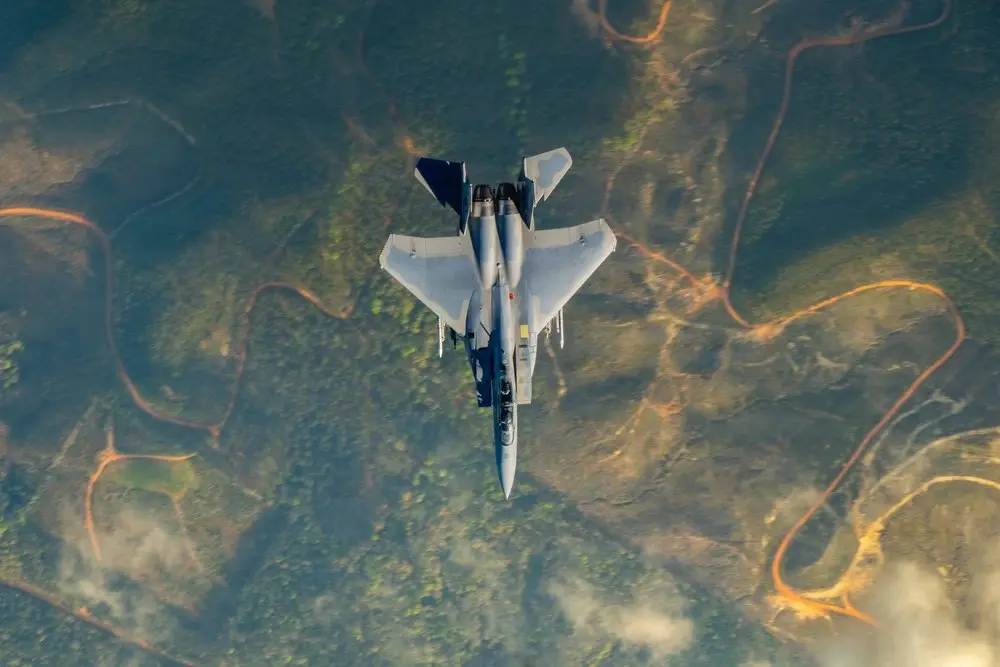
For maximum distance, the aircraft can carry up to three external drop tanks under its wings and fuselage. Pilots can jettison these empty tanks mid-flight to instantly reduce weight and improve combat manoeuvrability.
The payload penalty
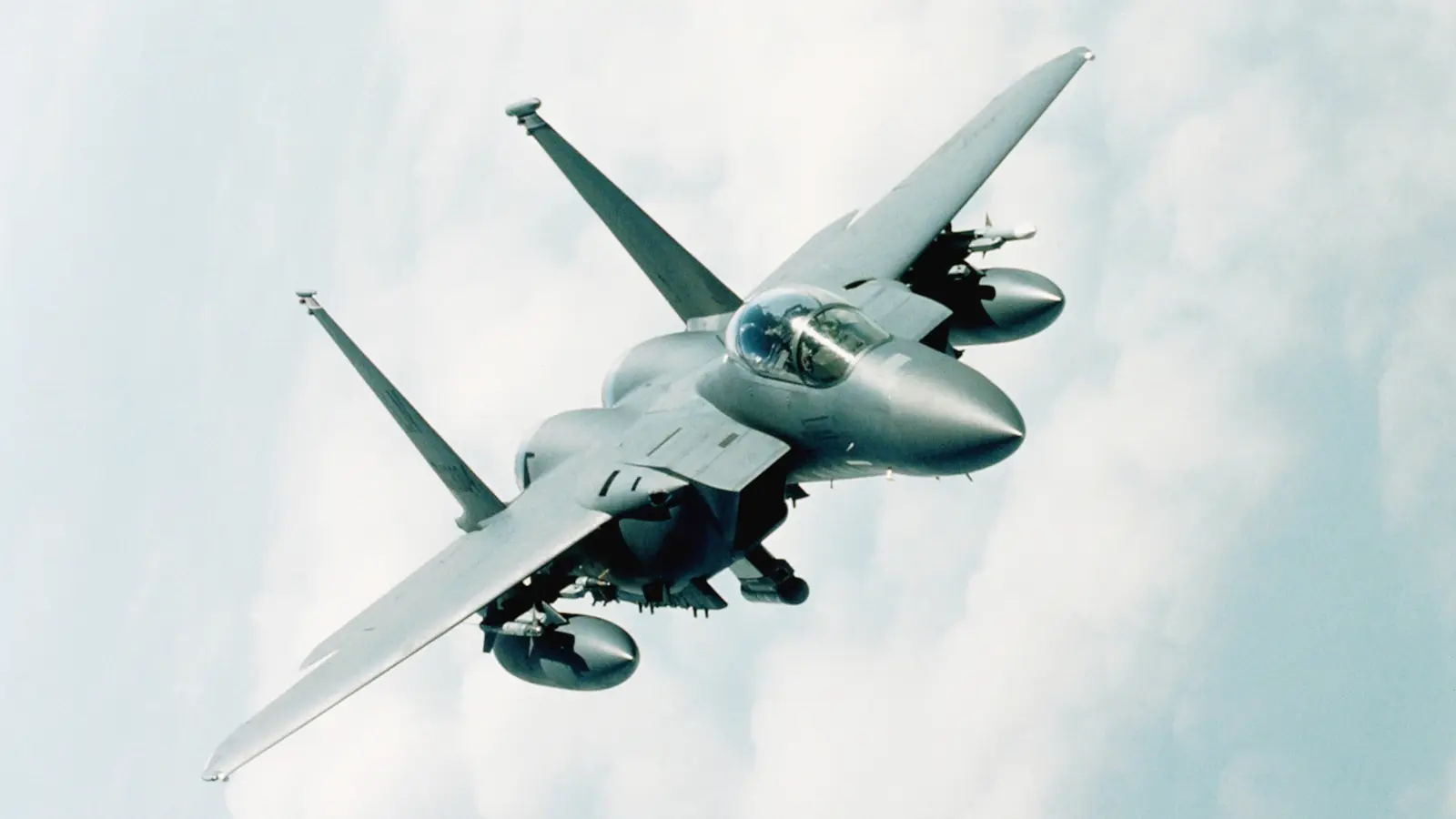
Range is heavily dictated by the jet's 13,380-kilogramme weapons payload. Carrying massive bunker-buster bombs drastically increases aerodynamic drag, rapidly burning through the jet's internal fuel reserves.
Strategic deep strikes
For the Israeli Air Force, this unrefuelled range is a critical strategic asset. It enables the F-15IA to reach distant targets across the Middle East without exposing slow, vulnerable refuelling tankers to enemy air defences.
)
)
)
)
)