What is the Meteor missile that India plans to acquire for Rafale fighter jets after Operation Sindoor's success?

The missiles, developed by the European defence consortium MBDA, are intended to strengthen India’s Rafale fleet and ensure unmatched aerial dominance in future engagements.
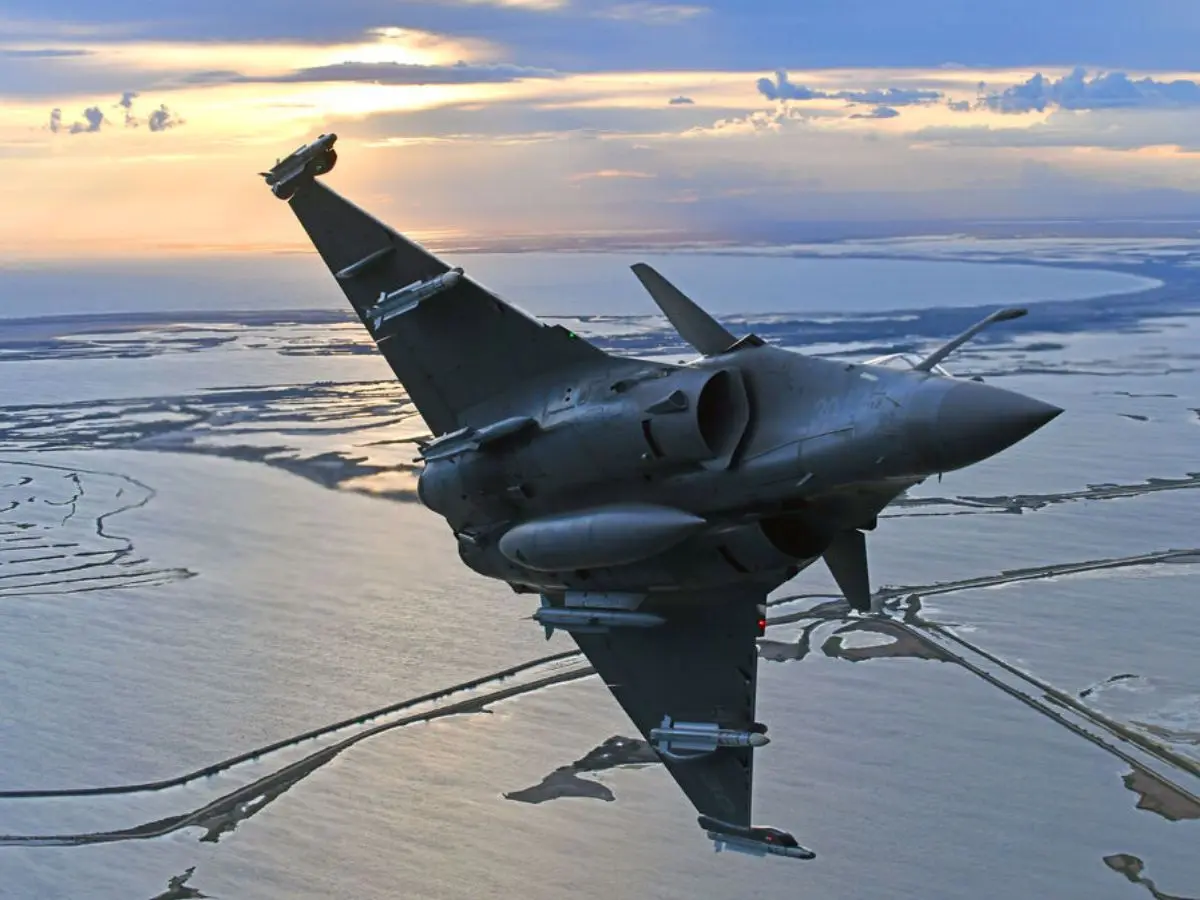
Post-Operation Sindoor Modernisation Drive
Following the success of Operation Sindoor, which reinforced India’s air superiority over Pakistan in the recent conflict, the Indian Air Force (IAF) is moving to further enhance its beyond-visual-range combat capabilities. According to ANI, a proposal worth approximately Rs. 1,500 crore for the acquisition of additional Meteor air-to-air missiles is at an advanced stage within the Defence Ministry and is expected to be approved in an upcoming high-level meeting. The missiles, developed by the European defence consortium MBDA, are intended to strengthen India’s Rafale fleet and ensure unmatched aerial dominance in future engagements.
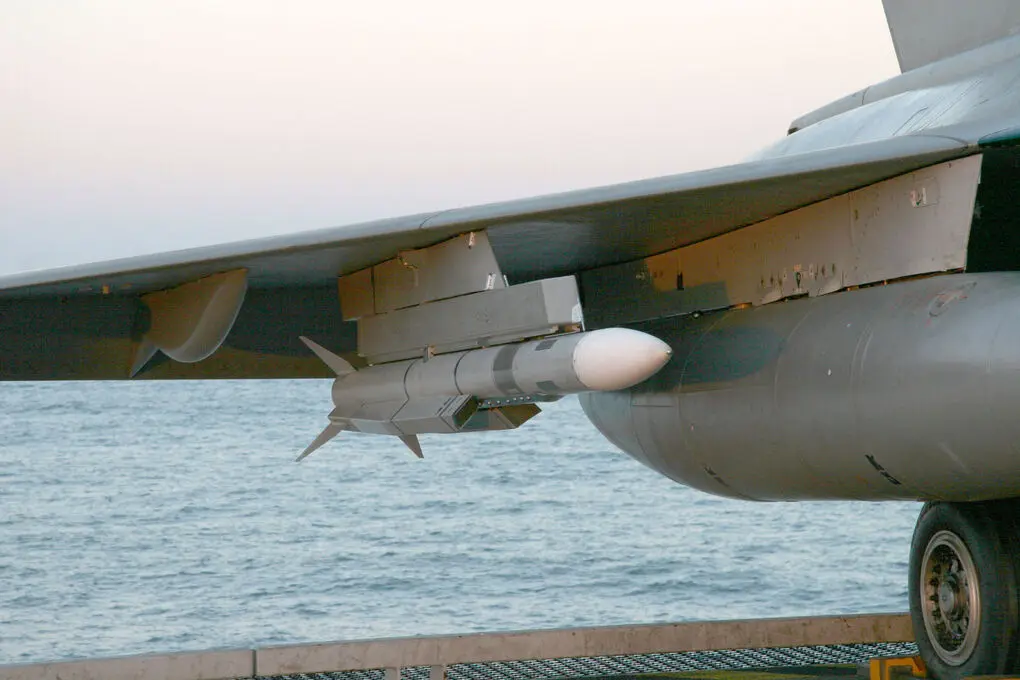
Europe’s Most Advanced Beyond-Visual-Range Weapon
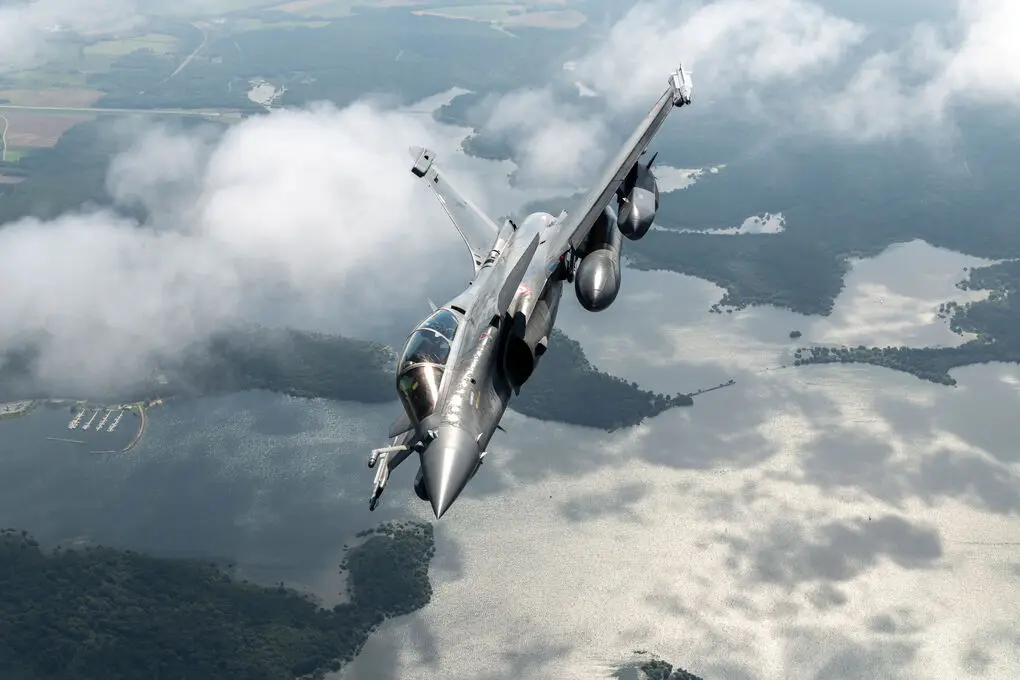
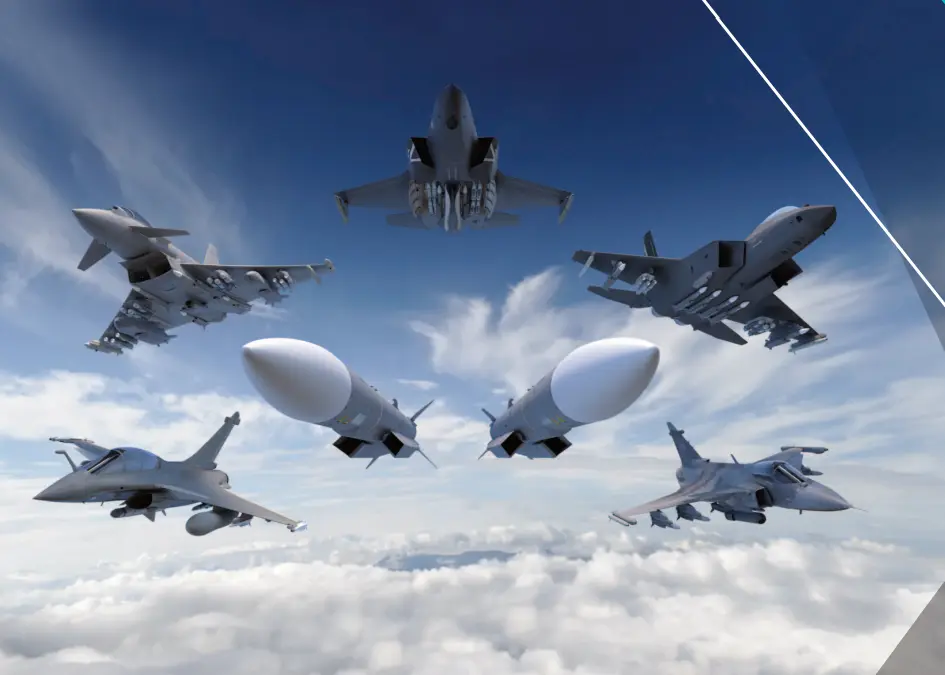
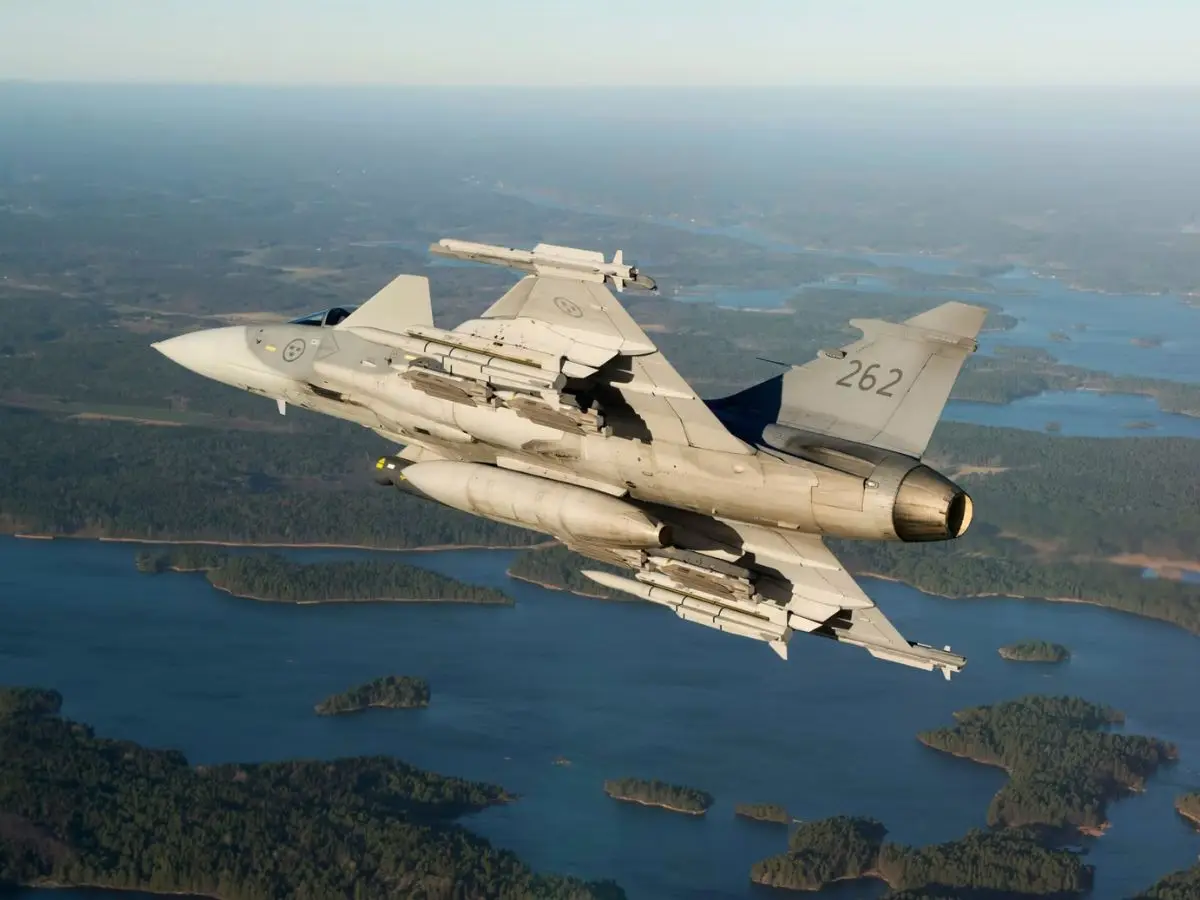
The Meteor represents the next generation of Beyond Visual Range Air-to-Air Missiles (BVRAAMs), specifically designed to transform aerial warfare. Developed through collaboration between six European partner nations, the United Kingdom, France, Germany, Italy, Spain and Sweden, under MBDA’s leadership, it is engineered to defeat modern and evolving airborne threats. The missile is already operational with leading air forces in Europe and integrated on platforms such as the Eurofighter Typhoon, Dassault Rafale, and Saab Gripen, with ongoing integration for the F-35 and South Korea’s KF-21.
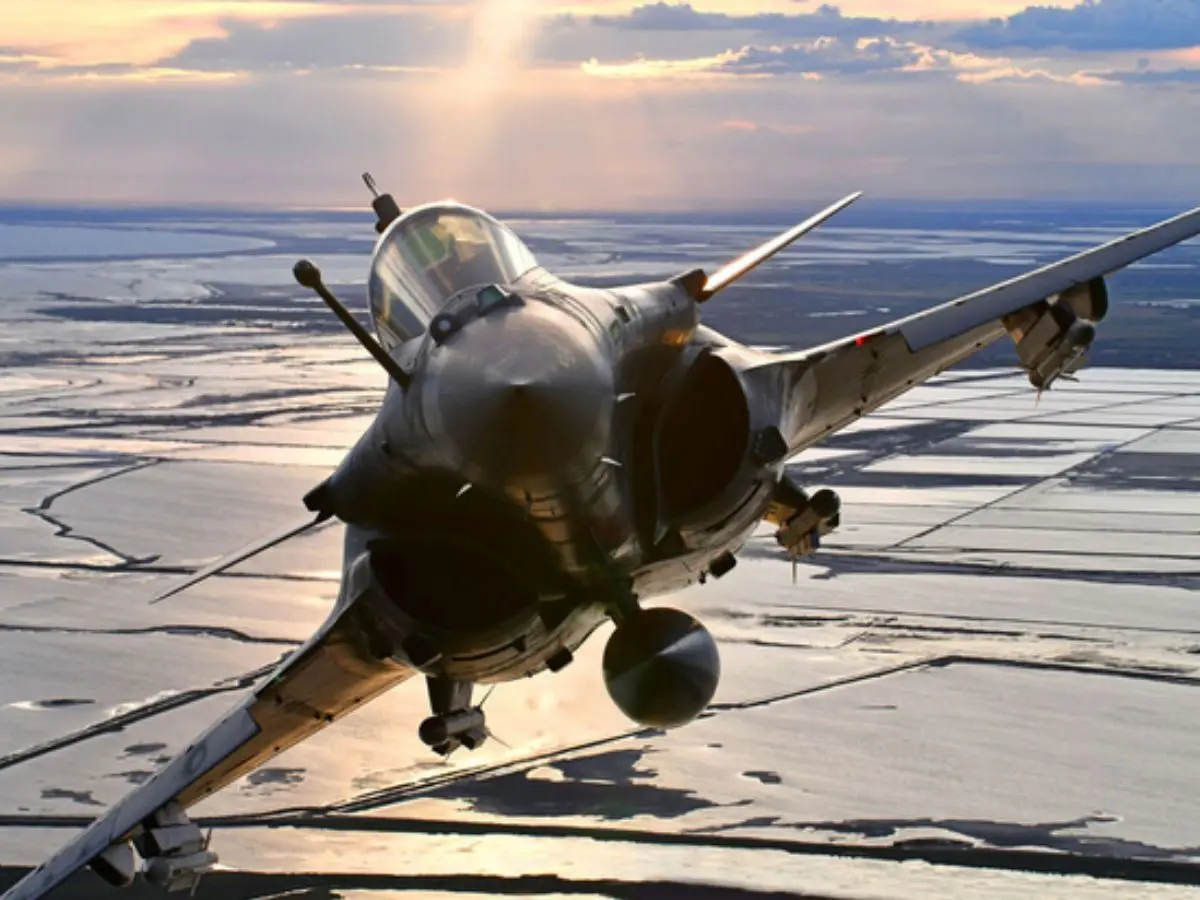
Meteor and India’s Rafale Fleet
India first received the Meteor missile as part of its initial batch of 36 Rafale fighter jets purchased from France in 2016. These missiles gave the IAF a decisive advantage in long-range air combat, significantly expanding its ‘no escape zone.’ The upcoming procurement aims to replenish and expand that stock, ensuring continued readiness and interoperability with the 26 Rafale Marine aircraft ordered for the Indian Navy. Once the deal is cleared, both Air Force and Naval Rafale variants will be equipped with the Meteor, consolidating India’s air and maritime air dominance.
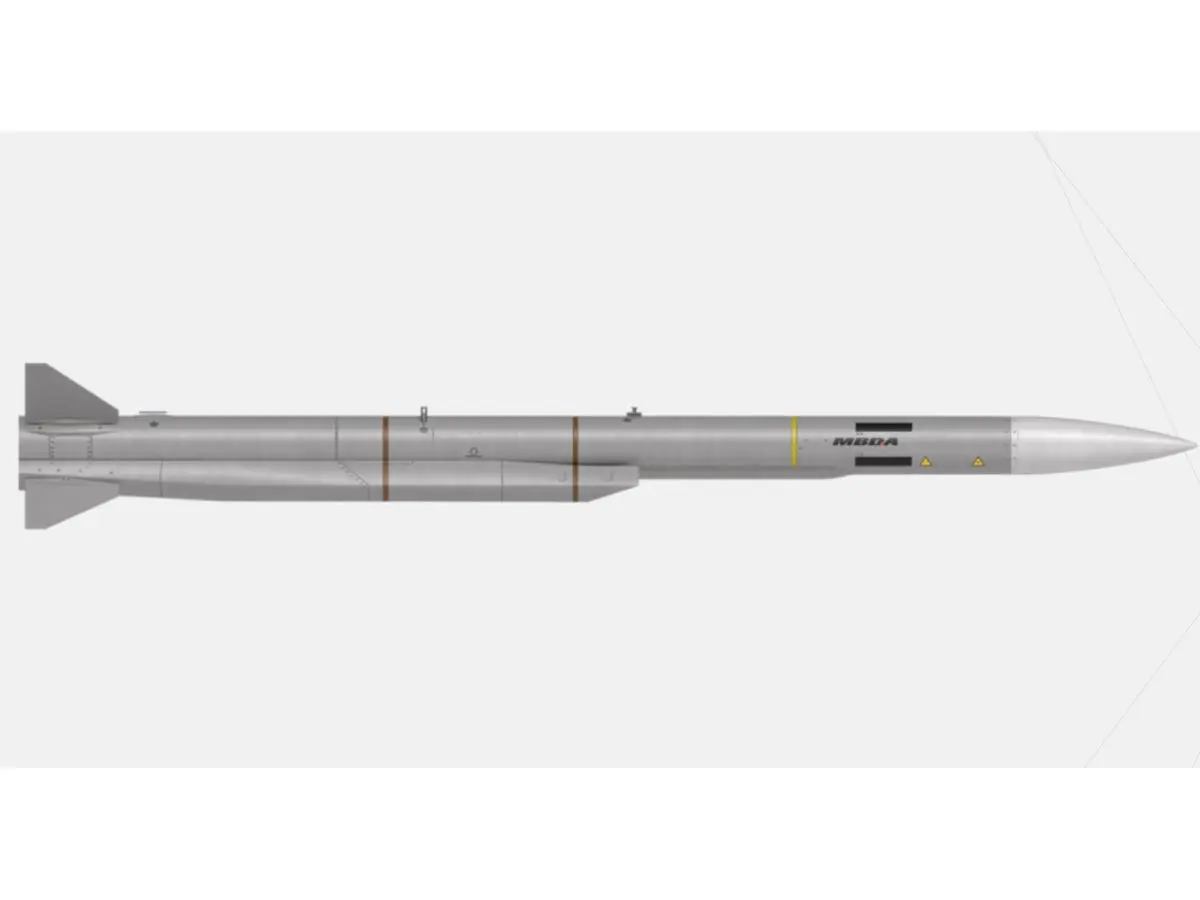
Ramjet Propulsion: The Meteor’s Core Advantage
At the heart of the Meteor’s lethal capability lies its solid-fuel variable flow ducted rocket, a ramjet propulsion system that provides sustained thrust until impact. This unique feature enables the missile to maintain high speeds throughout its flight, achieving speeds of over Mach 4 and ranges exceeding 100 kilometres. This continuous propulsion ensures the largest ‘no escape zone’ among any current air-to-air missile, allowing it to intercept agile, fast-moving targets even at extreme distances.
Precision, Connectivity and Combat Intelligence
The Meteor’s advanced two-way datalink enables the launch aircraft or other allied assets to provide mid-course updates or retargeting commands. This network-enabled feature ensures dynamic engagement and greater mission flexibility. Its active radar seeker, developed to resist electronic jamming, allows the missile to autonomously home in on targets under any conditions, day or night, in all-weather environments, and even amid dense electronic warfare. The integration of Saab’s radar proximity fuze enhances the weapon’s accuracy, providing a 'first-shot, first-kill' advantage crucial for modern aerial confrontations.
Warhead and Design Specifications
Meteor carries a high-explosive blast-fragmentation warhead designed for maximum lethality. Combined with impact and proximity fuses, it guarantees target destruction even against evasive manoeuvres or decoys. Technically, the missile measures 3.7 metres in length, has a diameter of 178 millimetres, and weighs around 190 kilograms. Its navigation system uses inertial guidance during mid-course flight and switches to autonomous radar homing in the terminal phase, ensuring precise engagement with minimal pilot intervention.
Strategic Implications
The acquisition of additional Meteor missiles signals India’s intent to maintain a decisive edge in long-range aerial warfare. By integrating Meteor across both Air Force and Naval Rafale platforms, India will strengthen its deterrence capability across multiple fronts.
)
)
)
)
)