What is the Meteor missile, and why does it give the Tejas Mk2 an advantage over other fighter jets?

Meteor’s throttleable ramjet, large no-escape zone and two-way datalink give Tejas Mk2 a real BVR advantage. The Uttam AESA radar enables smart mid-course updates and networked targeting for greater range and survivability.
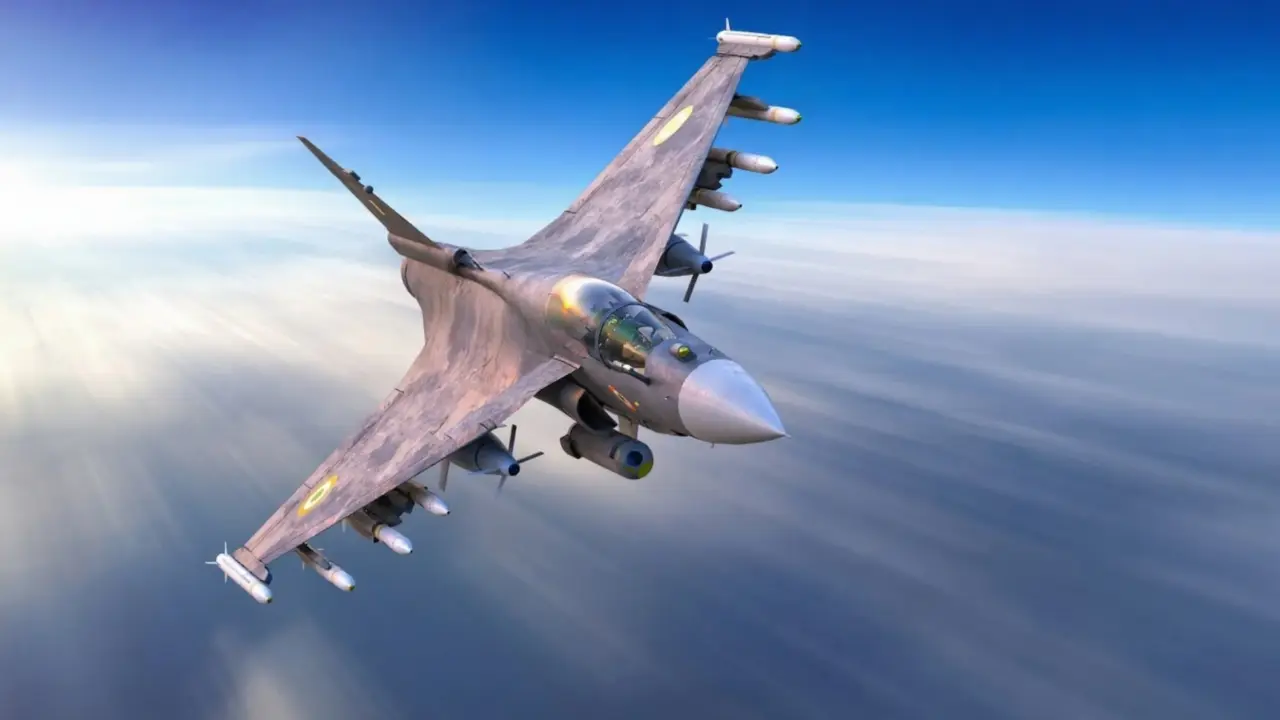
What is Meteor and why it is different
Meteor is a beyond-visual-range air-to-air missile with an active radar seeker and a throttleable ramjet. It keeps thrust on all the way to the target, giving very high-end game energy and long reach at speeds above Mach 4.
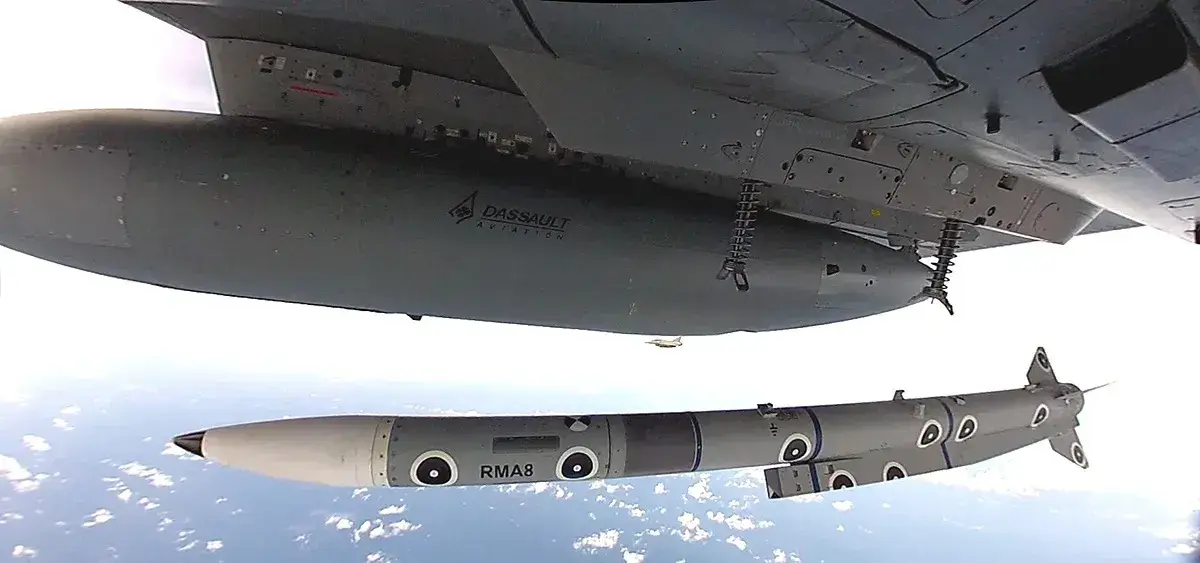
The ramjet advantage
Unlike typical solid rocket BVR missiles, Meteor’s variable flow ramjet sustains acceleration in mid-course and in the final phase. This creates one of the largest No Escape Zones among current air-to-air missiles, giving targets far less chance to evade.
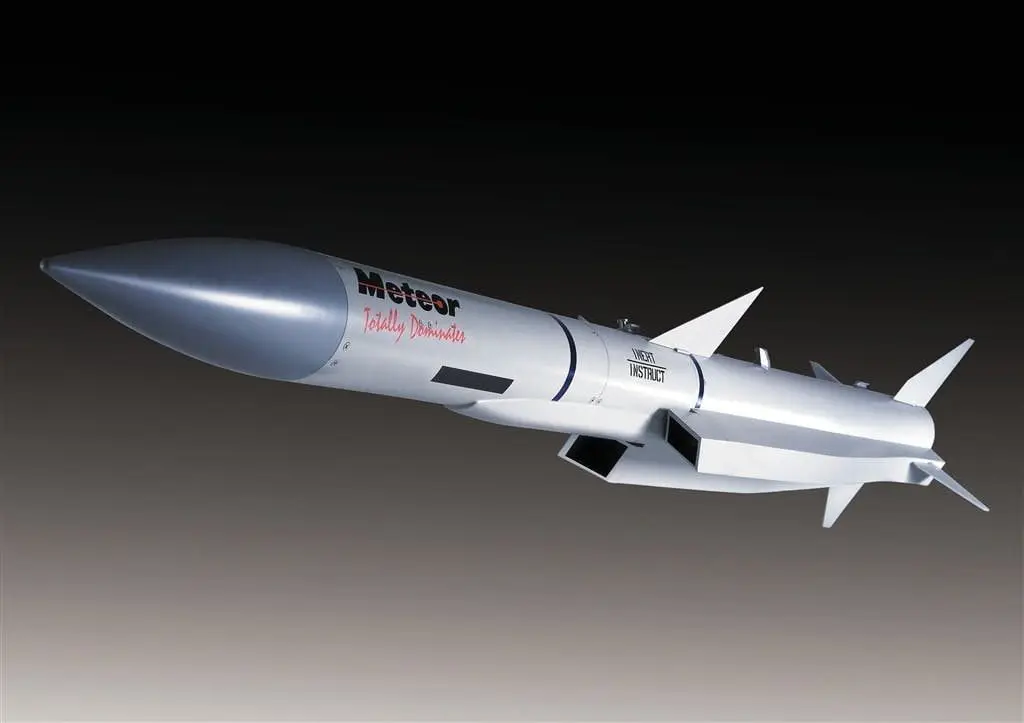
Range and NEZ what the numbers mean
The official range is over 100 kilometres, with many estimates placing it beyond 200 kilometres. Its No Escape Zone is often described as three times or more that of current medium-range missiles, greatly improving kill probability against agile fighters.
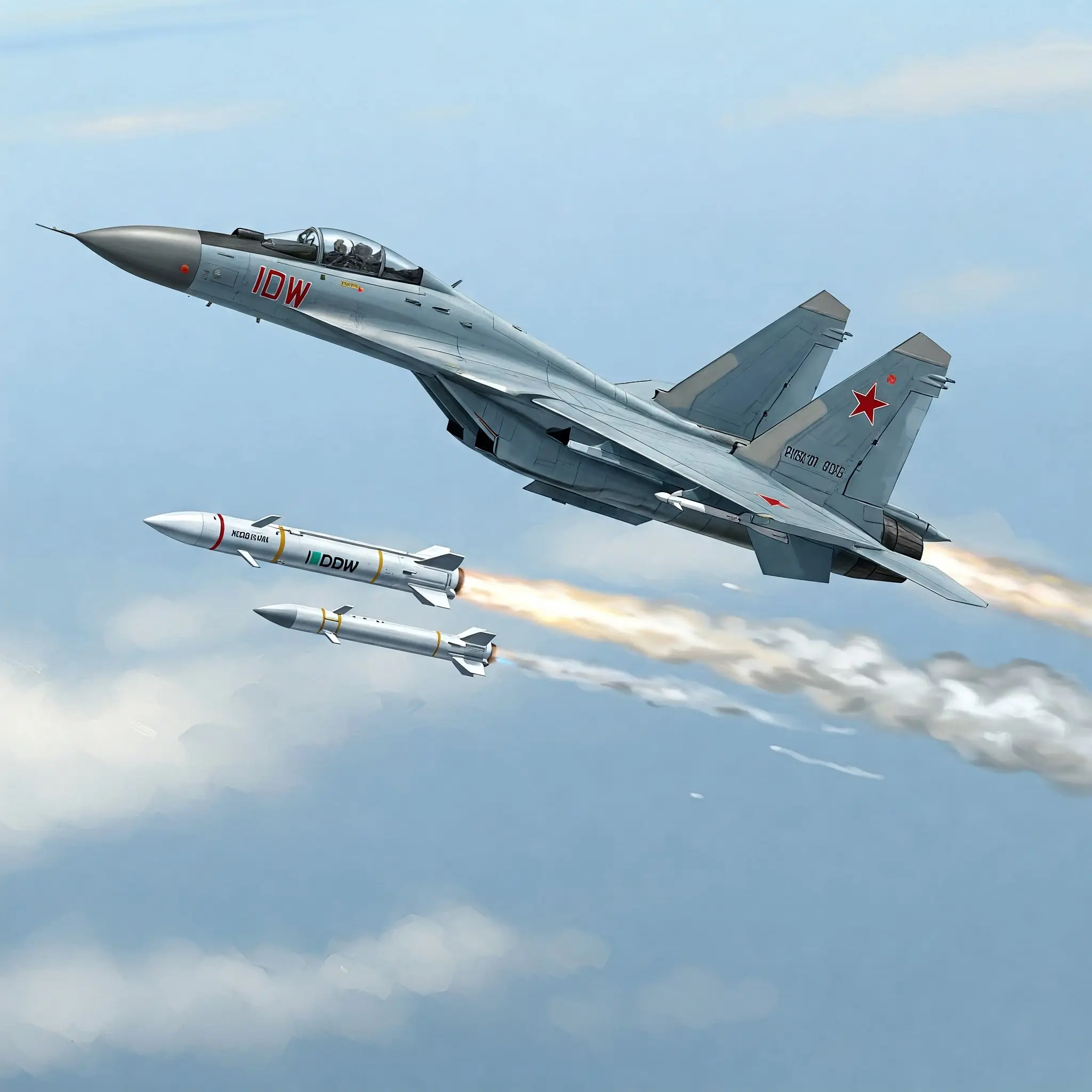
Guidance, datalink and seeker
Meteor uses an active radar seeker and a two way datalink. The launch aircraft can send mid-course updates or retarget with third-party data, helping the missile stay on high-value, manoeuvring targets even in heavy jamming.
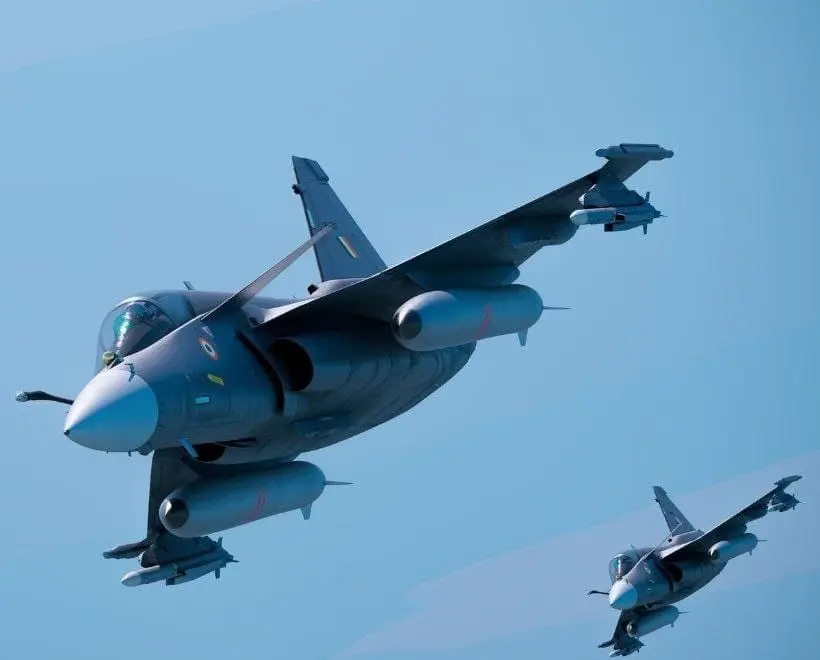
Why Tejas Mk2 benefits
Tejas Mk2’s Uttam AESA radar roadmap, including planned GaN upgrades, supports advanced tracking, sensor fusion and networked mid-course updates. These are key to using Meteor’s network-enabled guidance and large No Escape Zone to full effect.
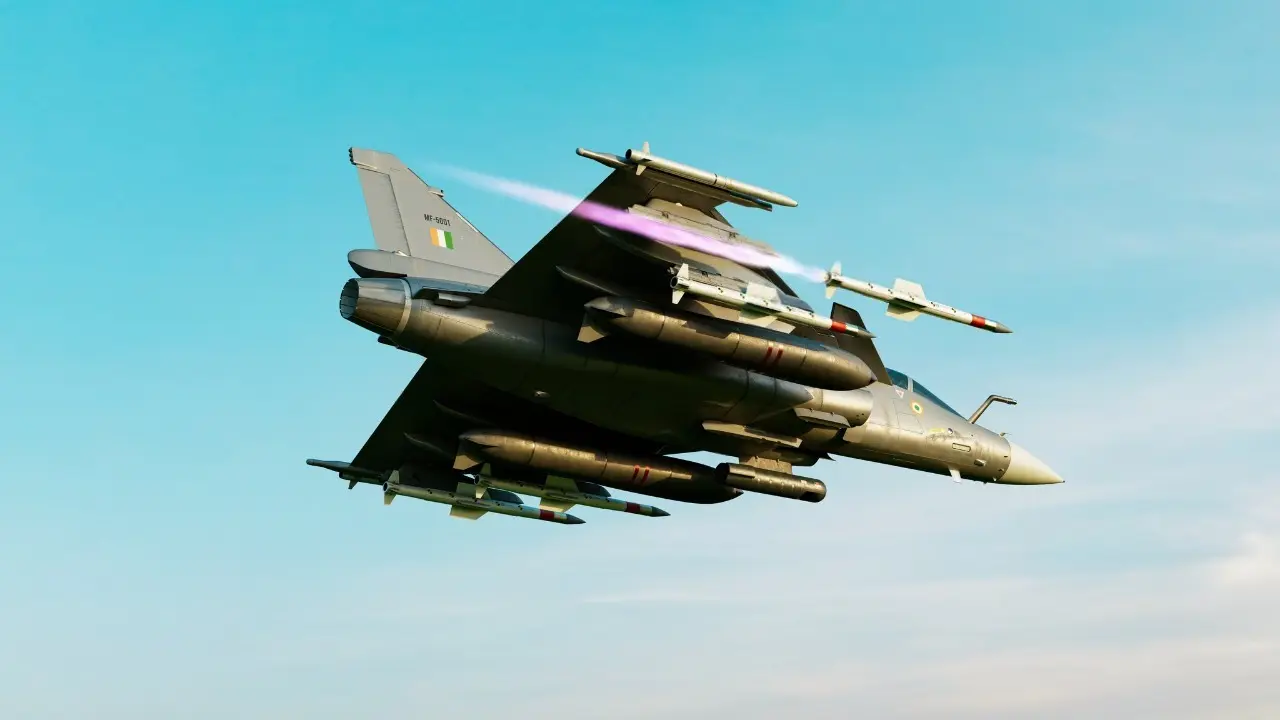
Combat impact, first look, first shot
With sustained thrust and strong endgame energy, Meteor lets the shooter engage earlier and from farther away, cutting the enemy’s survival options. This matches well with Mk2’s planned BVR weapons and sensor fusion to gain the first shot advantage.
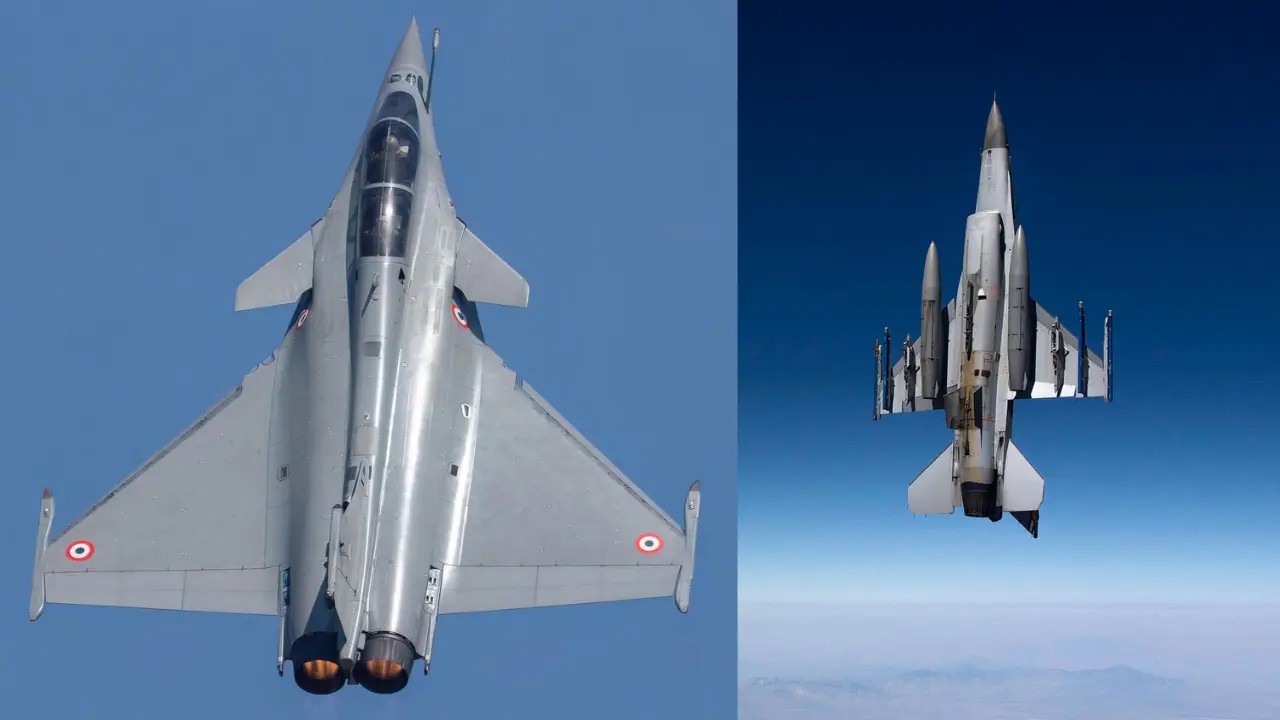
Integration
Meteor is already in service on Gripen, Rafale, and Eurofighter, and is being integrated on the F-35 and other platforms. Similar integration on the Tejas Mk2 would align India with top-tier BVR capability used by leading air forces.
)
)
)
)
)