What is the ideal car speed for maximum fuel savings?

Driving between 50 and 60 mph is the ideal speed for fuel savings in most cars. Exceeding 70 mph increases air resistance and burns up to 9 per cent more fuel, while maintaining a steady pace in a high gear maximises efficiency.
The 50 to 60 mph sweet spot
Research by the UK's Energy Saving Trust shows that driving between 50 and 60 mph is the most efficient speed for the vast majority of internal combustion engine cars.
The cost of hitting 70 mph
Pushing your speed to 70 mph uses up to 9 per cent more fuel than driving at 60 mph, according to official data from the Department for Transport.
Why 80 mph wastes fuel
Driving at 80 mph can consume up to 25 per cent more fuel compared to 70 mph, as the RAC notes the engine must work significantly harder against massive air resistance.
The impact of lower speeds
Driving too slowly can also waste petrol if the car remains in a low gear. The AA advises drivers to shift to the highest gear possible by 50 mph to keep engine revolutions low.
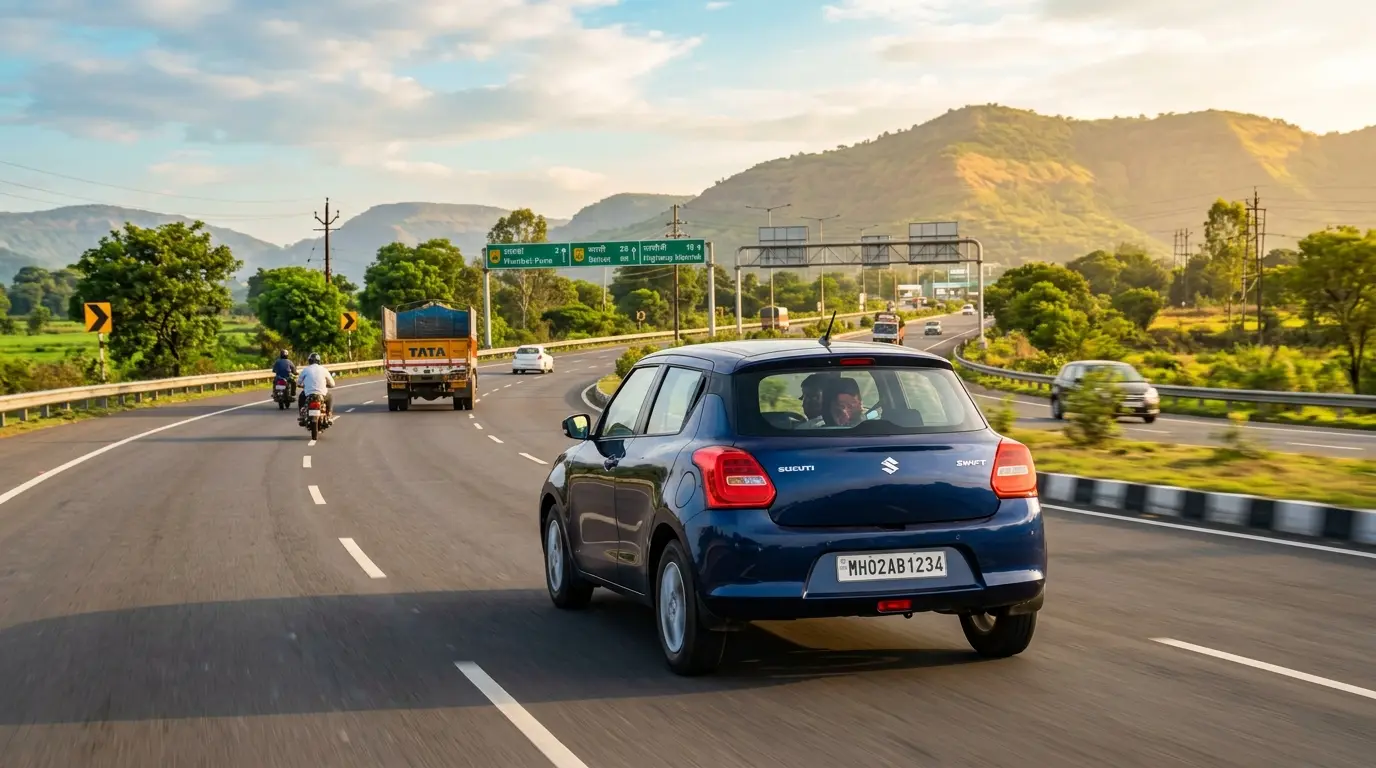
Combating aerodynamic drag
Automotive experts explain that at speeds above 50 mph, air resistance becomes the primary factor in fuel consumption, making wind drag a heavier burden than the vehicle's actual weight.
Maintaining a steady pace
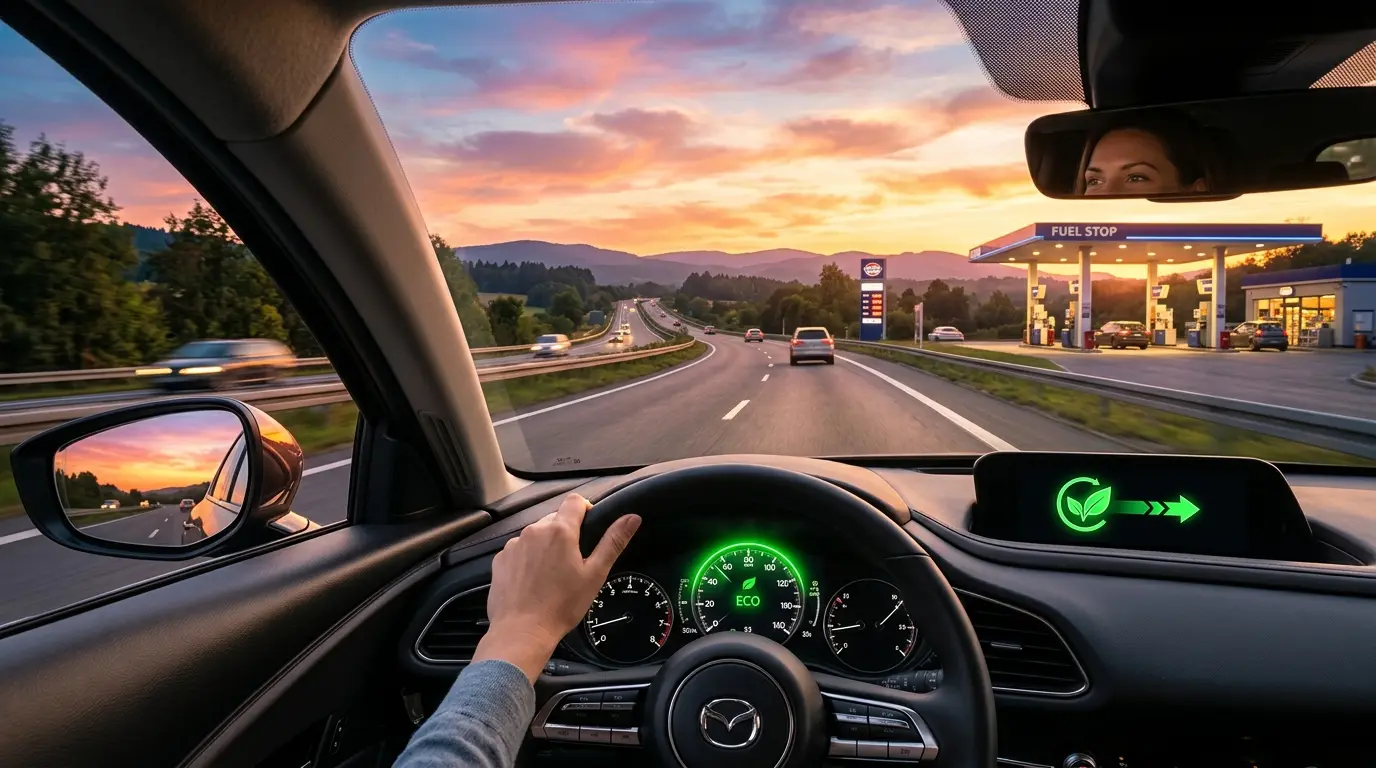
Transport engineers state that using cruise control on flat roads helps maintain a steady 55 mph, preventing the heavy fuel spikes caused by sudden braking and accelerating.
Electric vehicles and speed
For electric vehicles, testing by consumer group Which? shows the ideal speed for preserving battery range is often slightly lower, typically around 40 to 50 mph, to reduce rapid energy drain.
)
)
)
)
)