What is the future of space tourism after 2030?

Space tourism is set to grow fast after 2030, with companies planning suborbital flights, space hotels, and even trips around the Moon. Prices are expected to drop, tech is improving, and commercial space travel may soon be within reach for more people.
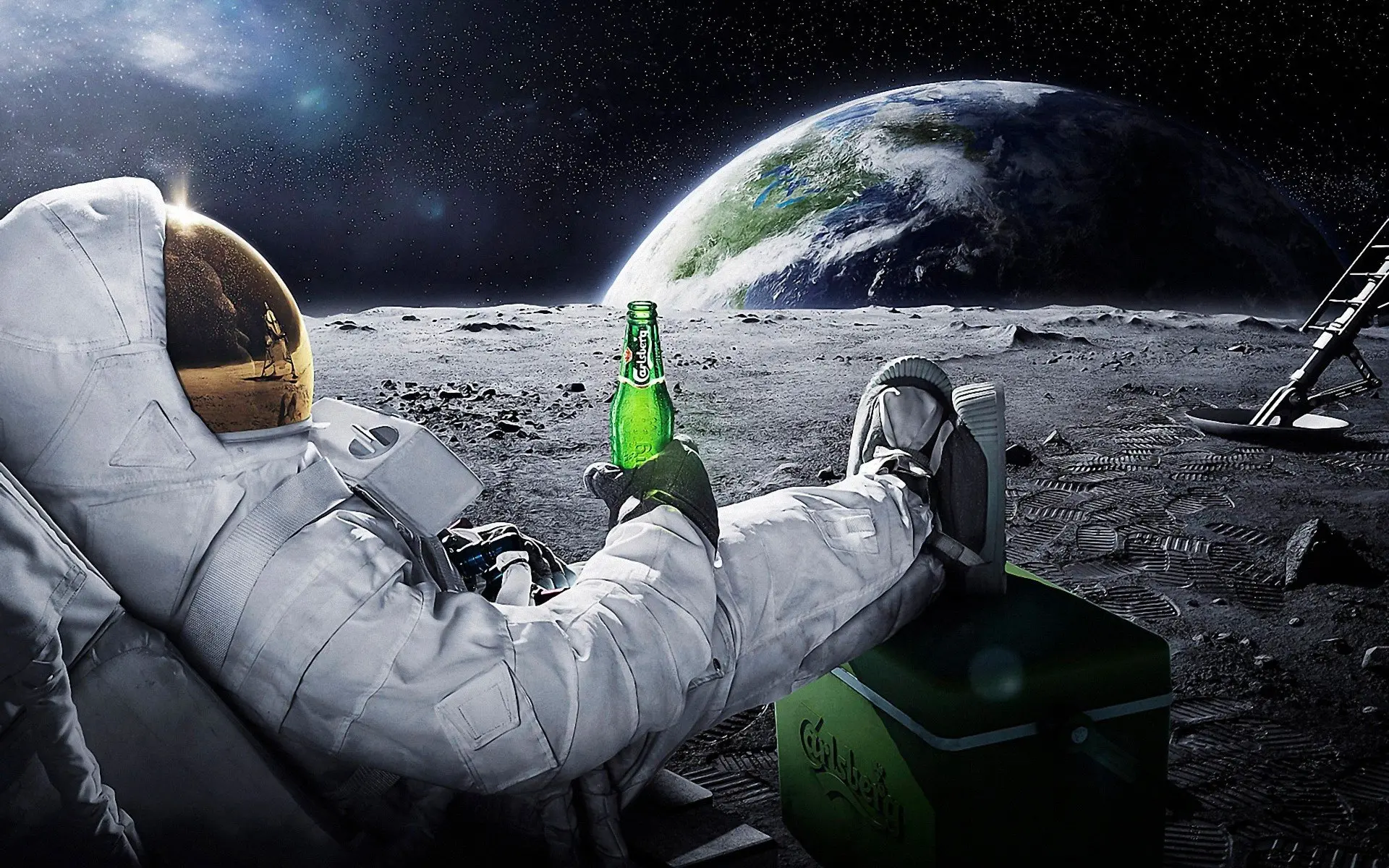
Space tourism
After 2030, experts believe space tourism will grow rapidly, with several firms aiming to make trips beyond Earth possible for more people. By 2030, the industry could be worth more than £6 billion per year, according to multiple recent studies and analyst reports.
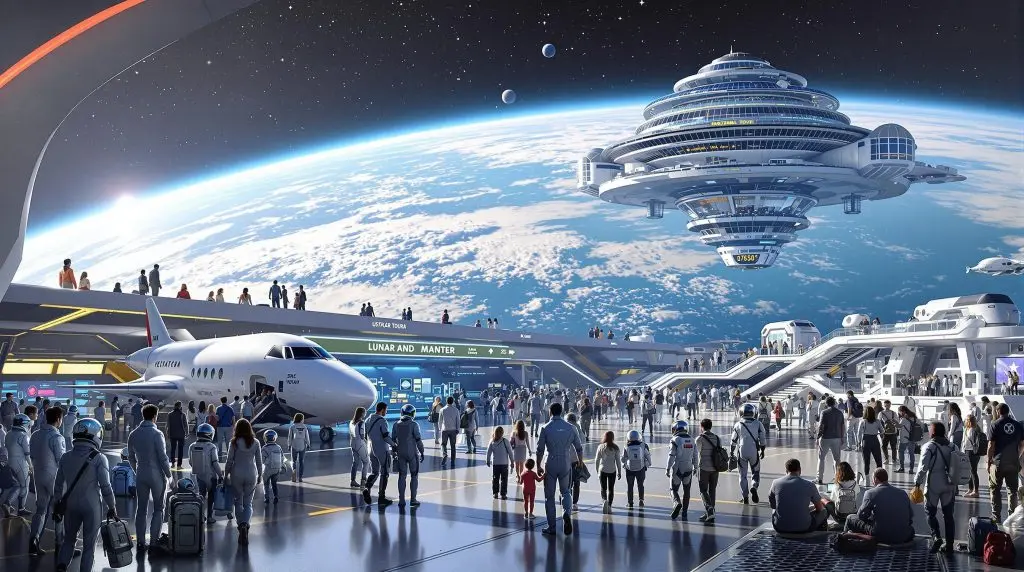
Luxury space
Luxury space hotels could be operational by 2030, with companies developing ambitious projects like Voyager Station and Pioneer Station. These hotels could hold between 28 and 400 guests, with planned stays from four days to two weeks depending on comfort and cost.
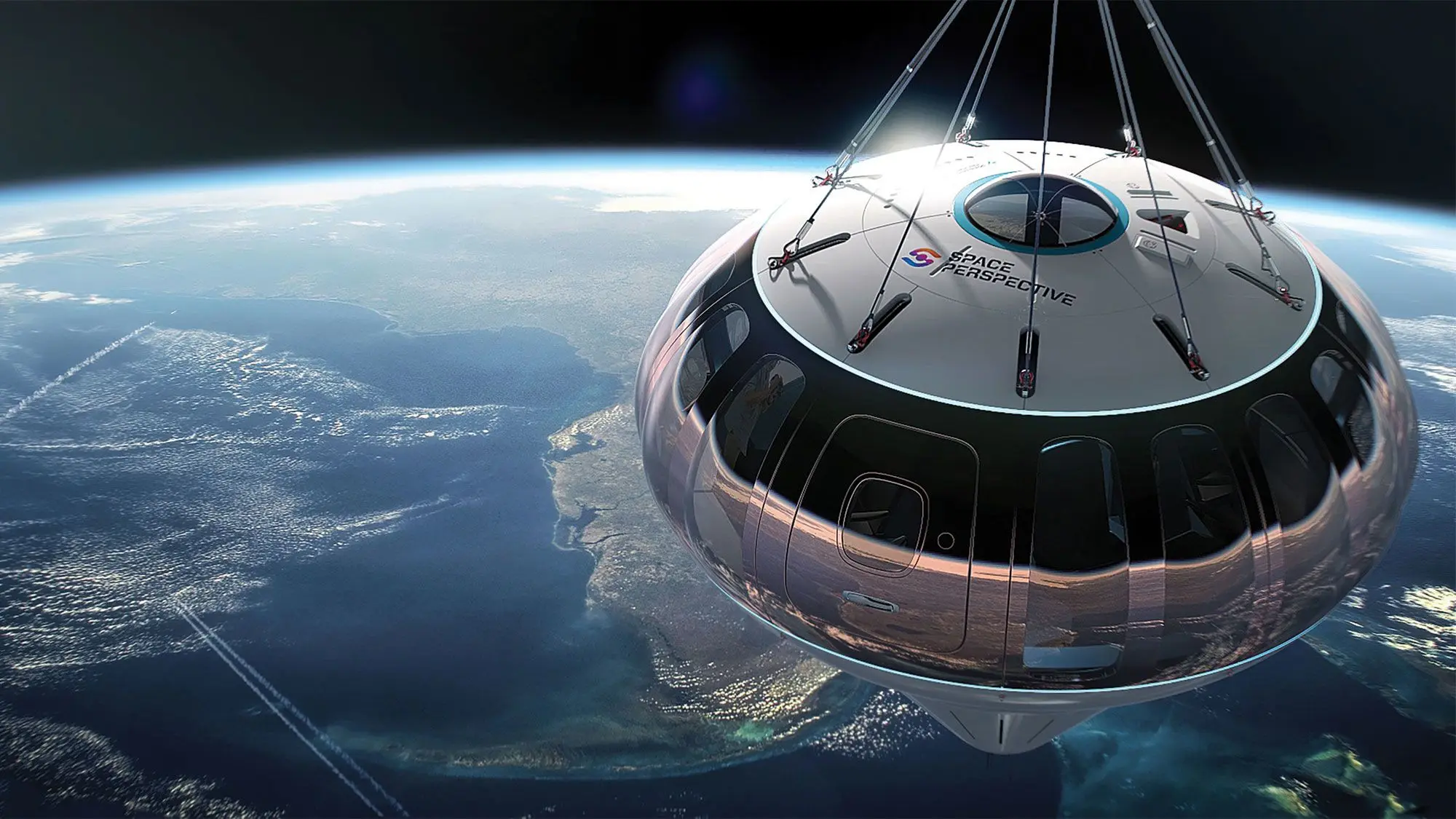
Suborbital tickets
A key change will be price. Suborbital tickets are predicted to drop below £100,000 each, with orbital stays costing much more but expected to decline. Affordable space tourism is still for the wealthy, but prices are expected to fall as technology advances and commercial flights become frequent.

Tech progress
Tech progress will make flights safer and easier to book. Systems like virtual reality training will prepare passengers. Spaceports, reusable rockets, and new safety features will mean more people will be able to visit space, not just astronauts or billionaires.
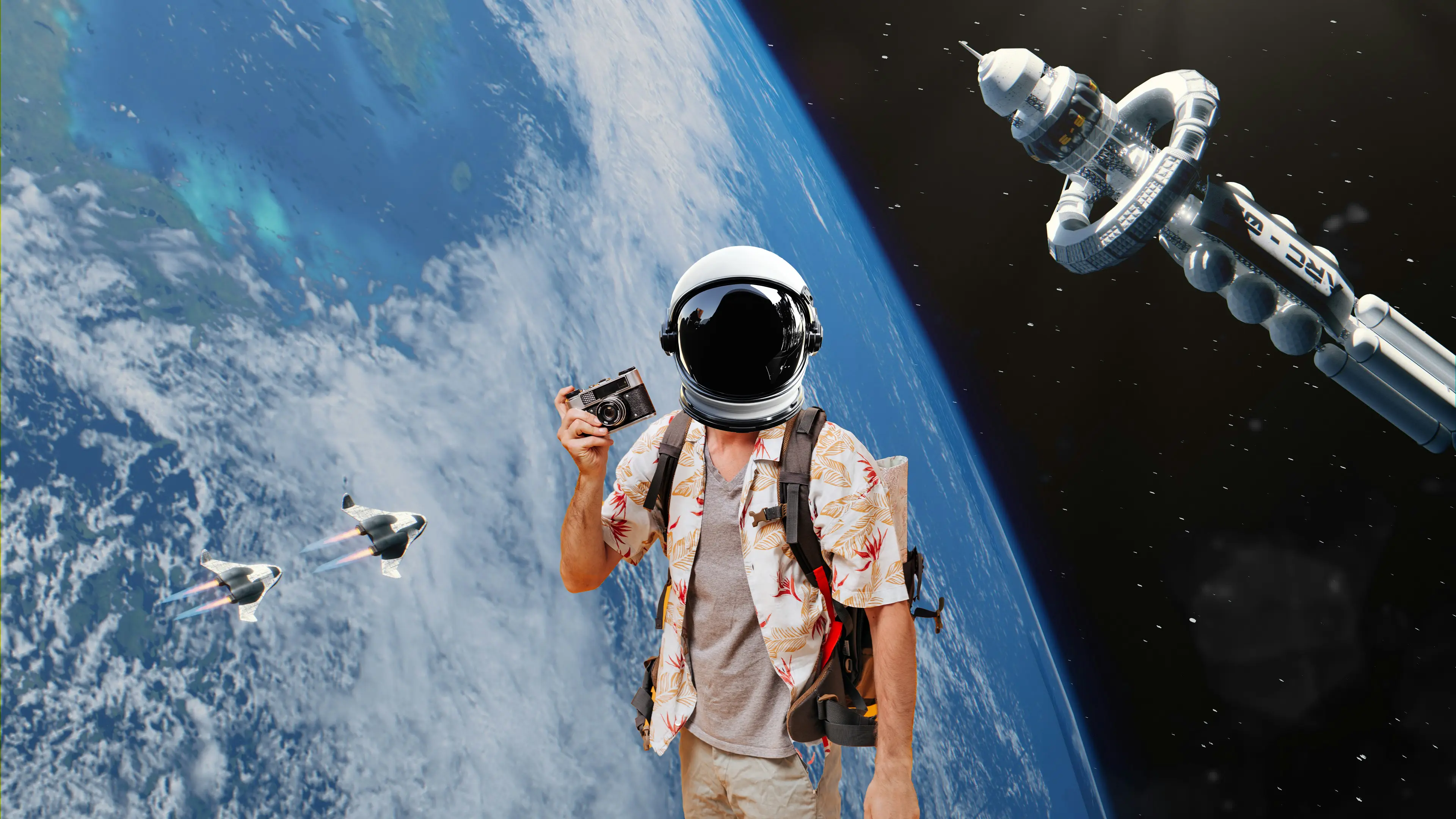
Shape the future
Regulations and environmental issues will shape the future. Experts warn about space junk and rules for tourist safety. Bodies like NASA and international agencies will set new standards to make trips sustainable and secure.
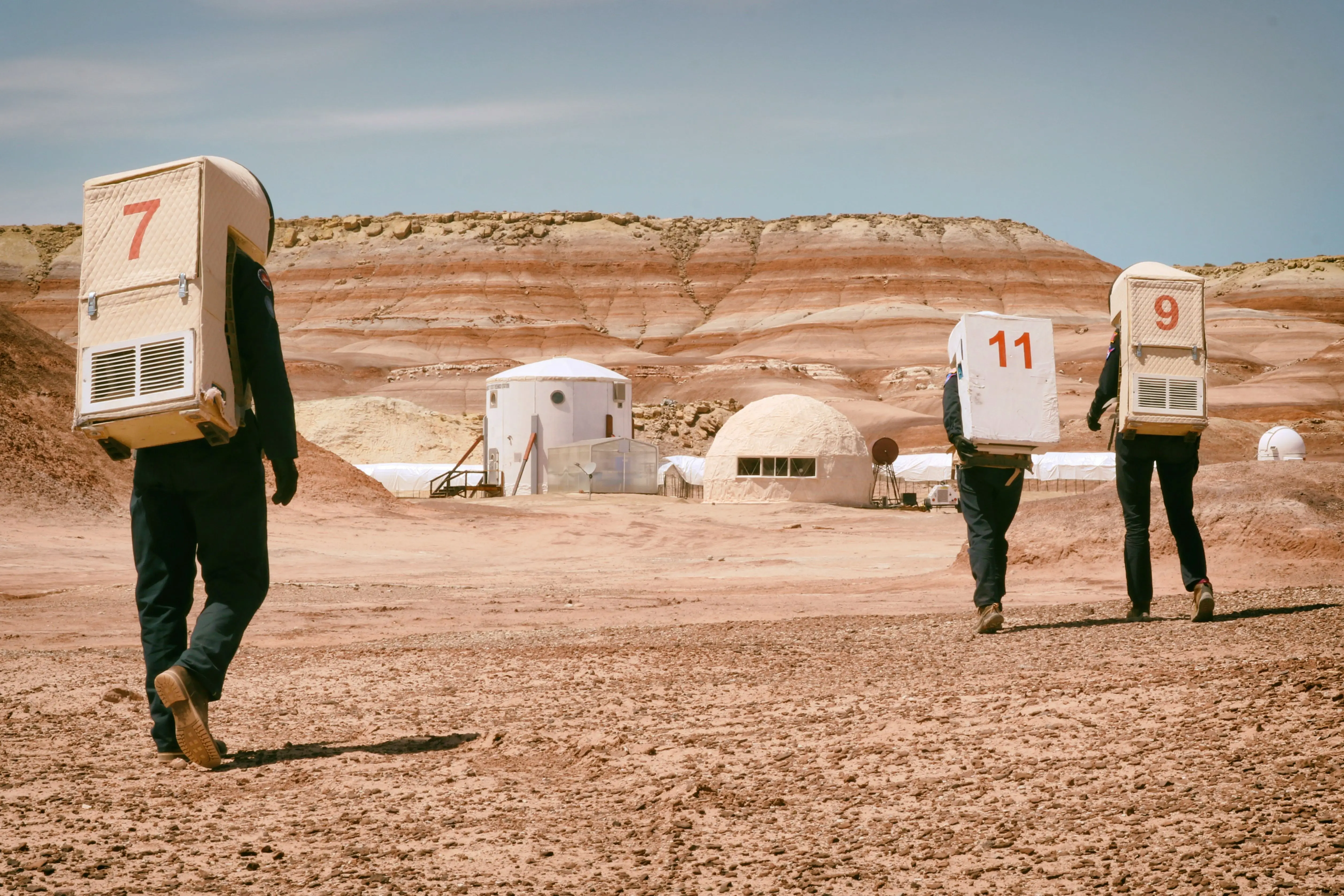
Tourists to Mars
The 2030s could see trips around the Moon or even the first tourists to Mars, but these journeys will depend on technology and safety advances. For now, most predicted space tourists will enjoy low Earth orbit and short luxury visits, but the dream of cosmic travel is getting closer.
)
)
)
)
)