What is the difference between short-range vs long-range missiles used by fighter jets

Short-range missiles use infrared guidance for close dogfights. Long-range missiles use radar guidance for beyond-visual-range strikes. Modern fighters carry both weapons for different combat scenarios and tactical situations.
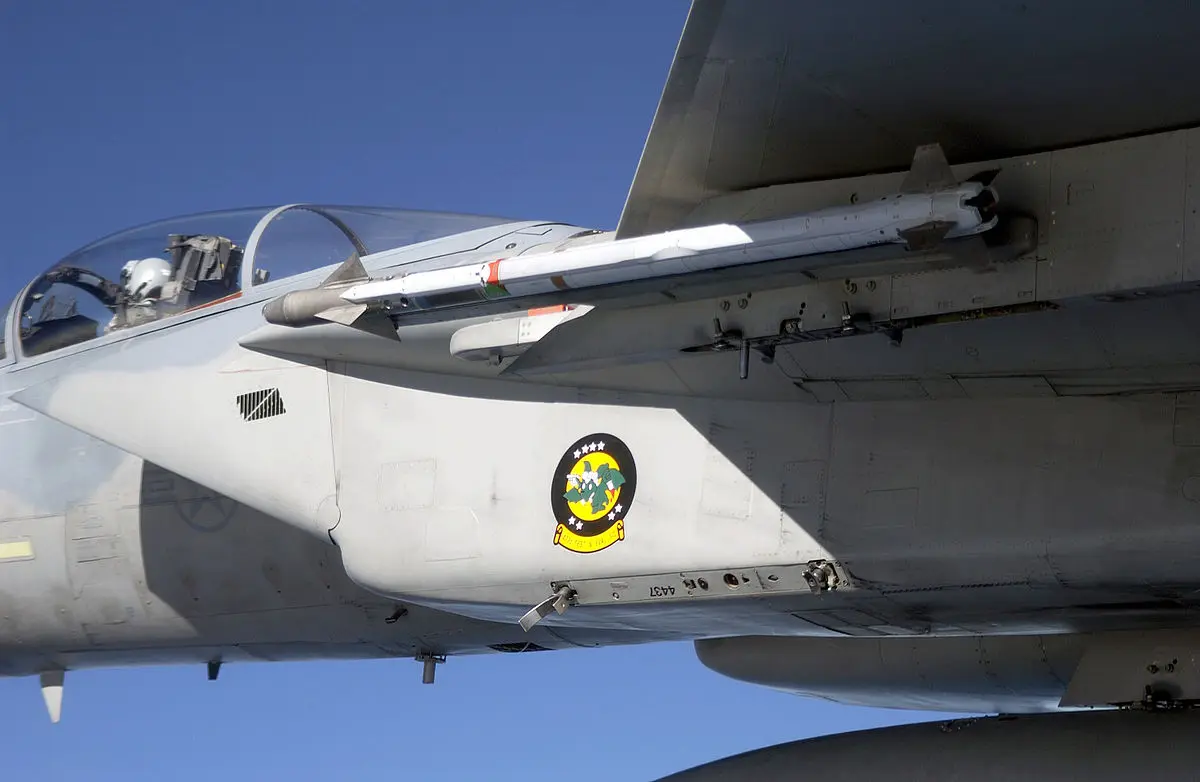
Short-Range Missile Engagement
Short-range missiles like the AIM-9X Sidewinder detect aircraft engine heat and engage targets within 10 to 35 kilometres. Pilots must manoeuvre into launch positions, typically approaching from behind or the aircraft's vulnerable quarter. Infrared guidance requires clear line-of-sight to the target's heat signature, making these weapons effective during visual dogfights where pilots see enemy aircraft.
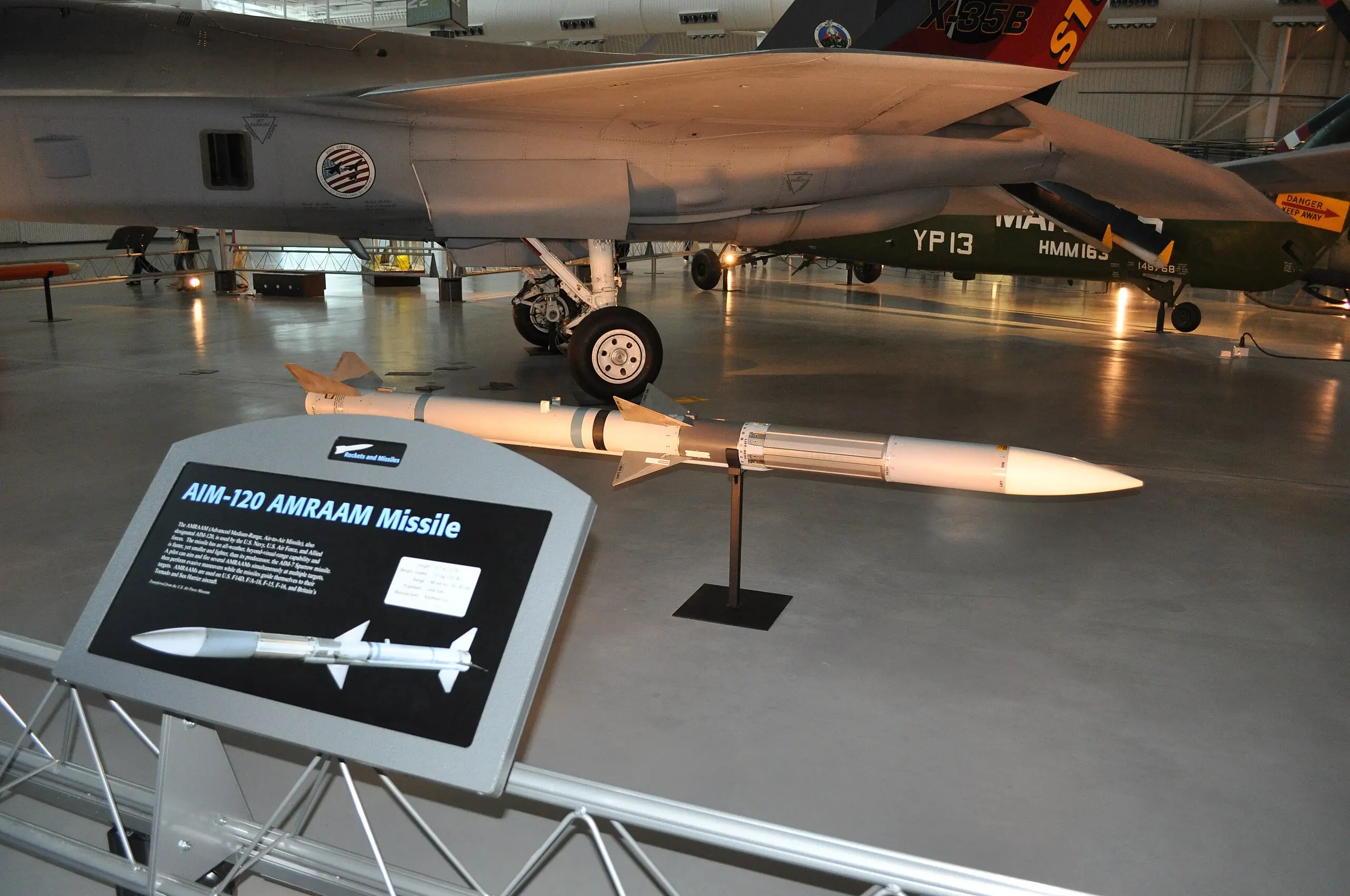
Long-Range Missile Employment
Long-range missiles like AMRAAM carry active radar seekers enabling engagement beyond 100 kilometres. Pilots launch these weapons based on radar detection, not visual confirmation. After launch, the missile's onboard radar takes over guidance autonomously, freeing pilots from maintaining target lock. This "fire-and-forget" capability allows rapid multiple engagements against distant targets.
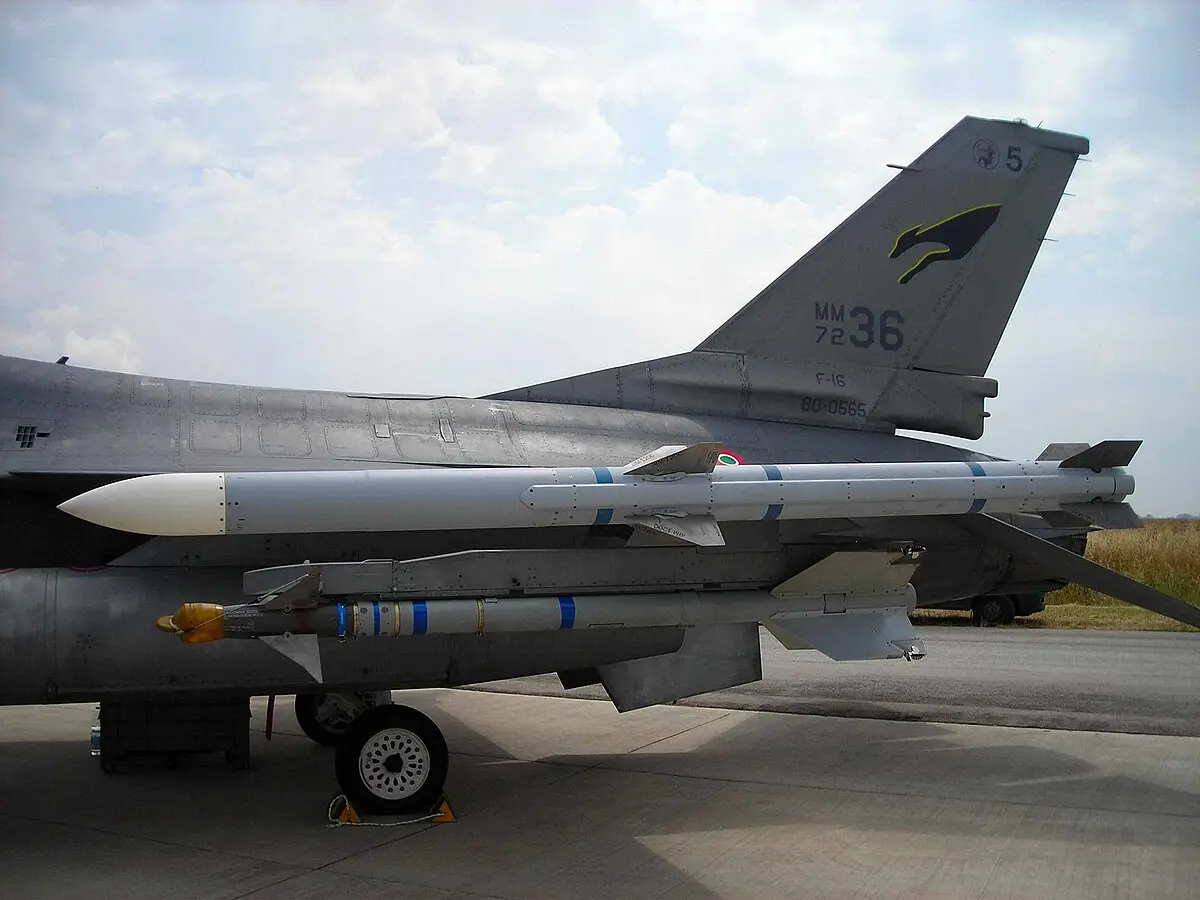
Range Capability Differences
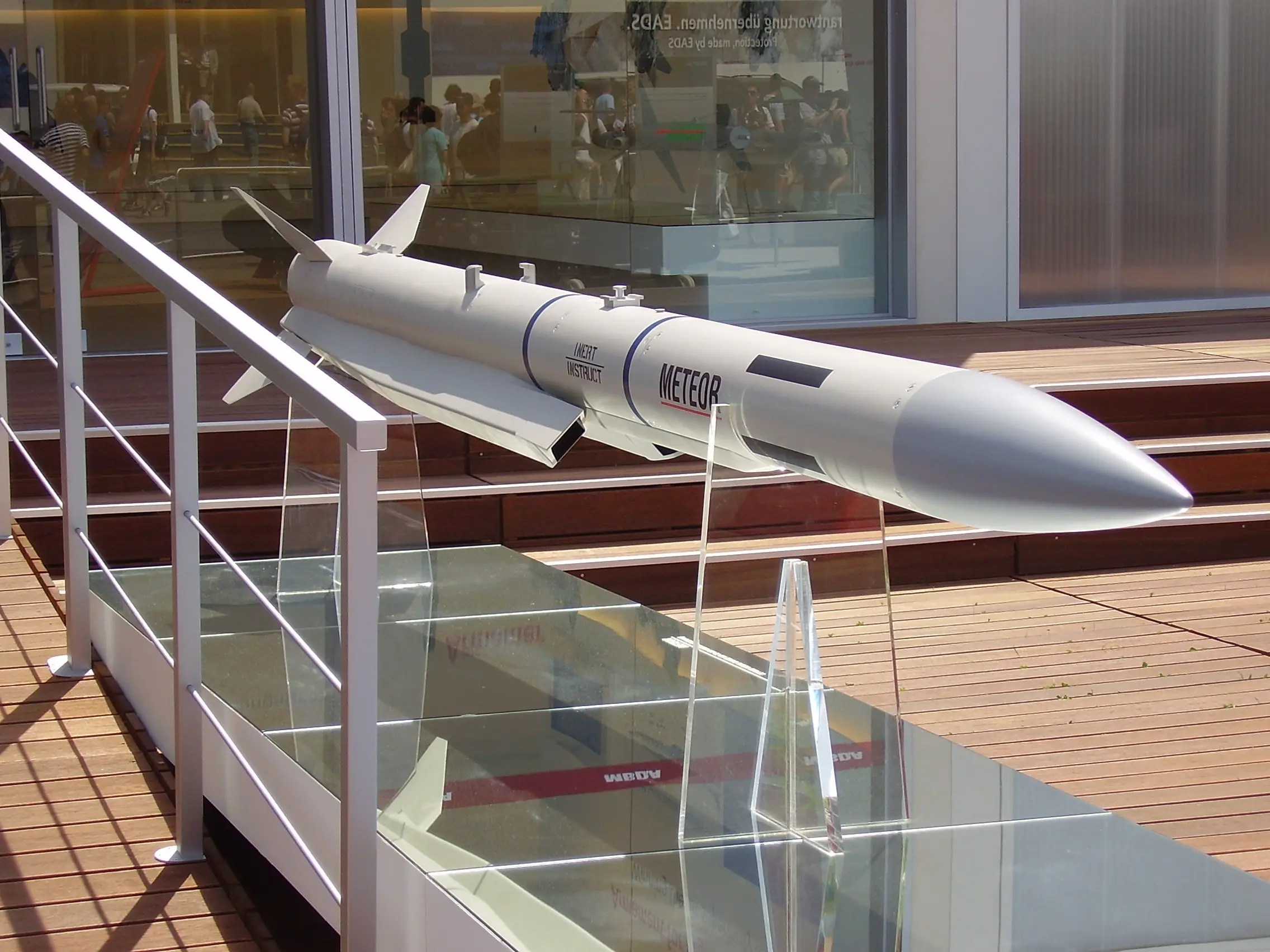
The AIM-9 Sidewinder operates effectively between 1 to 35 kilometres, requiring pilots to be reasonably close to targets. The AMRAAM extends capability to 160-plus kilometres under optimal conditions. The European METEOR missile reaches 200 kilometres with superior energy retention during flight. These range differences determine where pilots can successfully employ each weapon type during air combat.
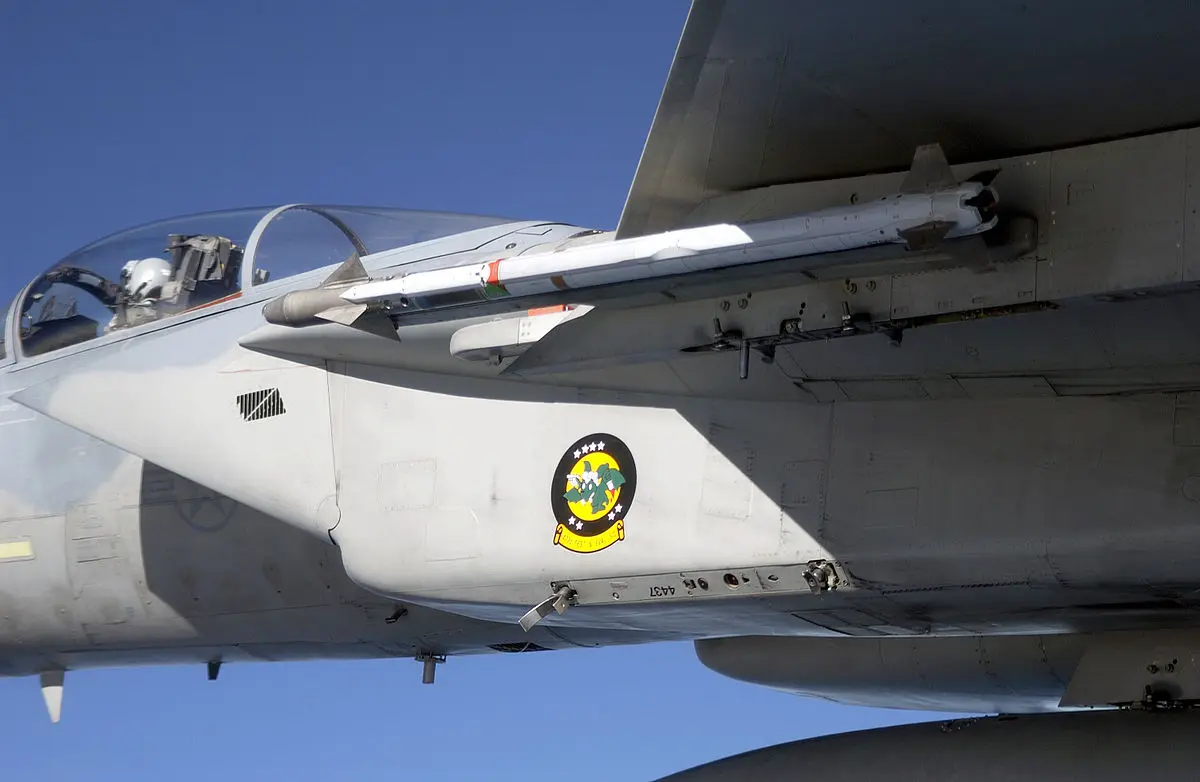
Guidance System Fundamentals
Short-range missiles home onto infrared energy from jet engine exhaust and airframe heating. Long-range missiles track radar reflections bounced from aircraft surfaces. Infrared guidance requires target visibility and clear heat signature, whilst radar guidance operates all-weather and beyond visual range. Electronic countermeasures like flares defeat infrared missiles more easily than chaff defeats radar missiles.
Beyond Visual Range Tactics
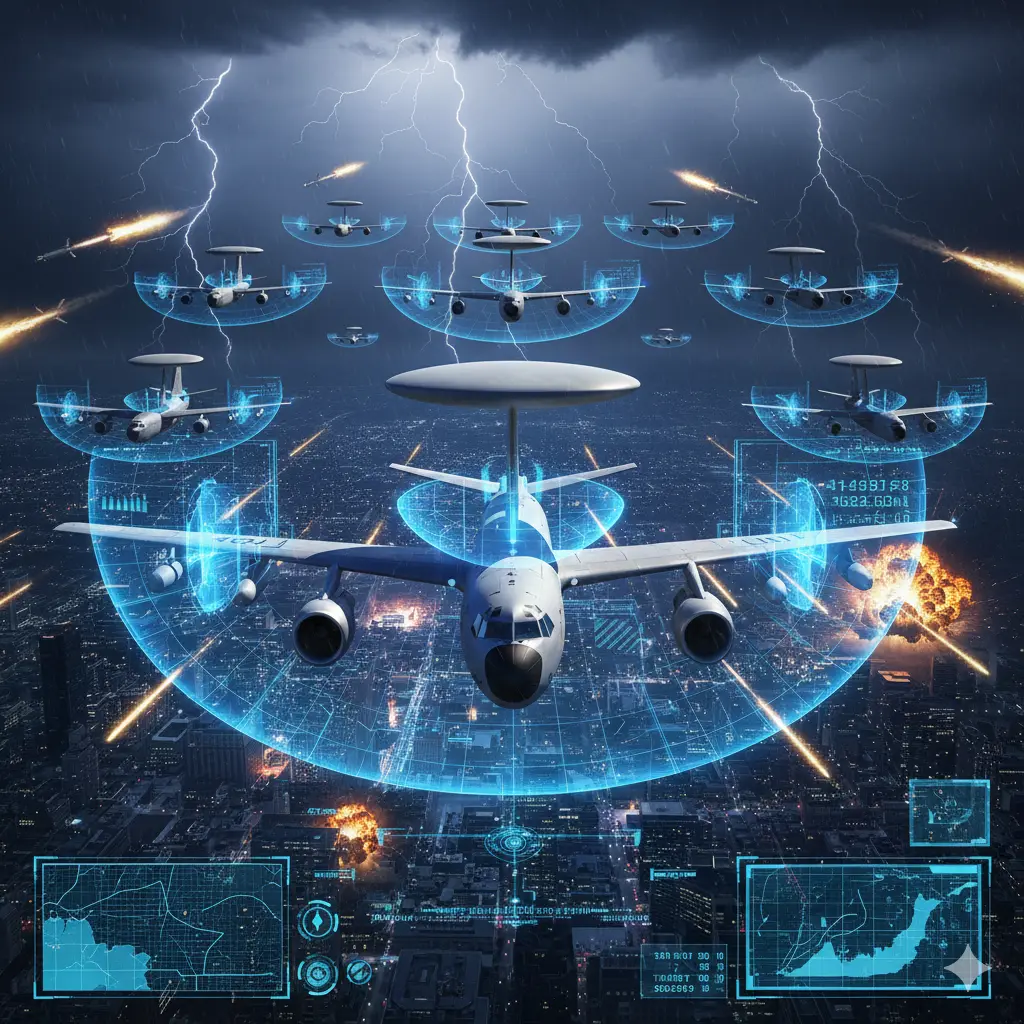
Beyond-visual-range combat prioritises detecting targets first and launching missiles before enemies know they are threatened. AWACS radar stations feed targeting data to fighters, enabling long-range engagements. Pilots need not see targets or manoeuvre into launch positions. The extended envelope creates "no-escape zones" where targets cannot outmanoeuvre incoming missiles regardless of evasive tactics.
Within Visual Range Dogfighting
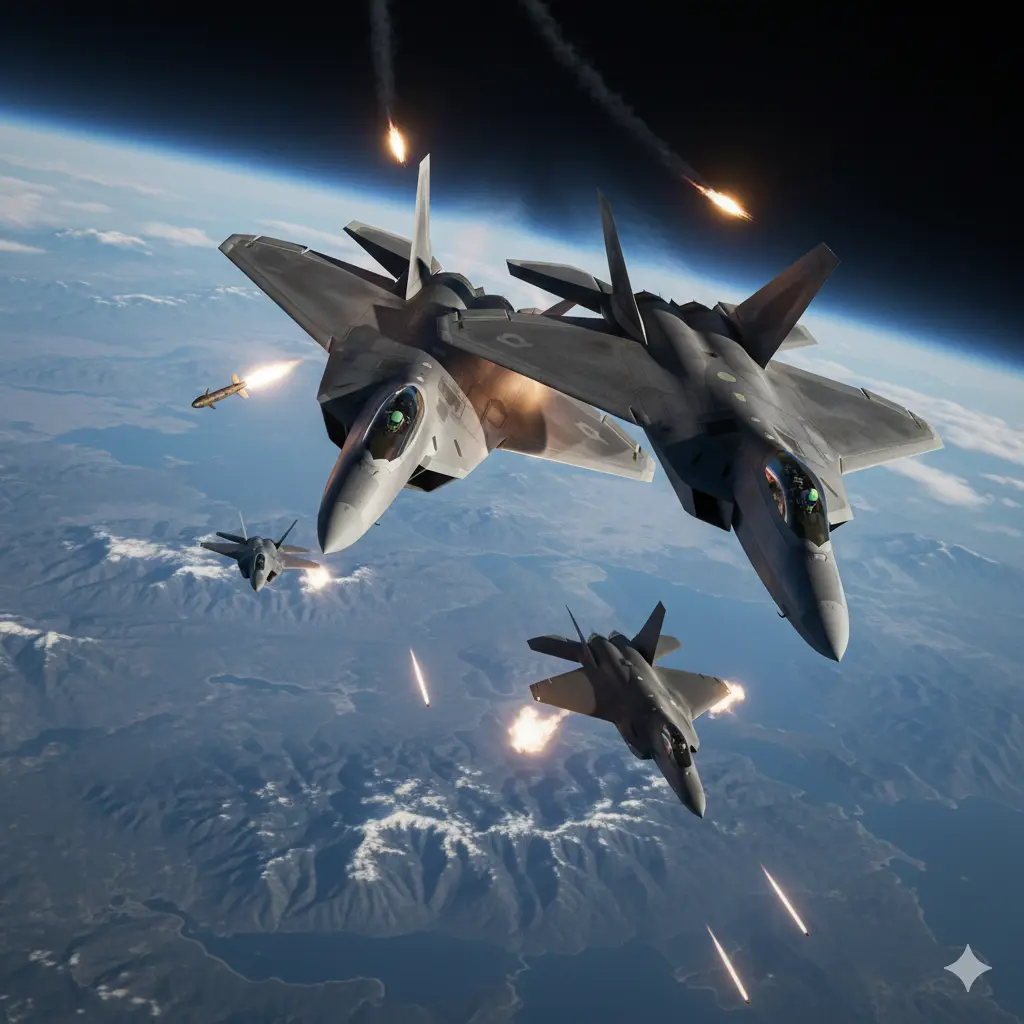
Within-visual-range combat occurs when pilots see enemy aircraft and engage in rapid turning fights. Short-range missiles require continuous pilot input and re-aiming during target manoeuvring. Pilots must maintain situational awareness of enemy positions whilst executing defensive manoeuvres. These close engagements reward agile aircraft with superior turning capability and pilot awareness.
Tactical Employment Considerations
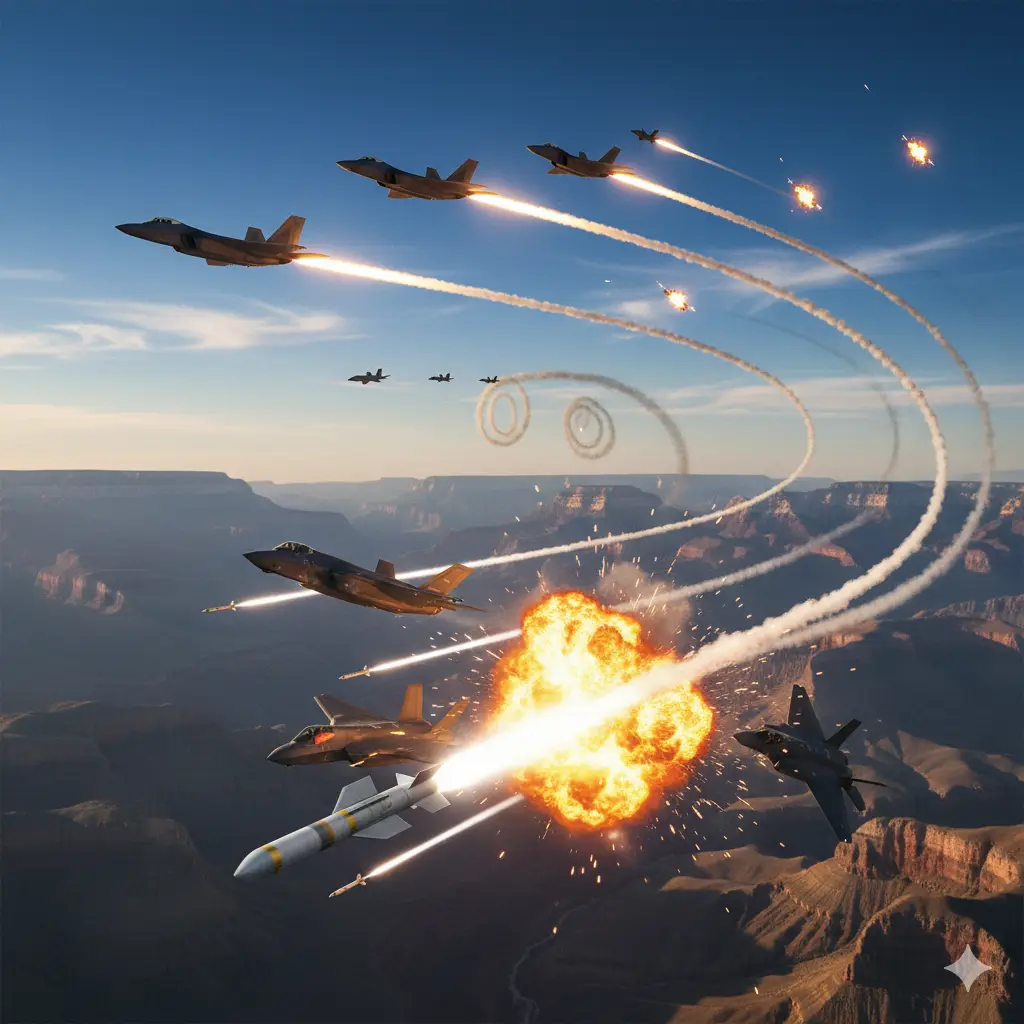
Pilots carry both weapons simultaneously, short-range missiles for close-range encounters and long-range missiles for initial engagements. When threats are detected at distance, pilots launch long-range missiles first, attempting to achieve kill before entering short-range envelope. If initial long-range shots miss, pilots manoeuvre into close range to employ short-range missiles for decisive engagements.
Future Missile Evolution
Next-generation missiles like METEOR use throttleable ramjet engines maintaining speed throughout flight, extending lethal range significantly beyond earlier weapons. Artificial intelligence algorithms in seeker heads distinguish real targets from decoys and countermeasures. These advances shift air combat advantage towards long-range engagements, reducing reliance on short-range close-in tactics traditional in fighter pilot training.
)
)
)
)
)