What is the difference between cyborgs and synths? Understanding future of AI beings

When people imagine the future of humanity, the terms cyborg and synth often come up in the same breath. Yet, while they both represent the merging of man and machine, they are not the same.
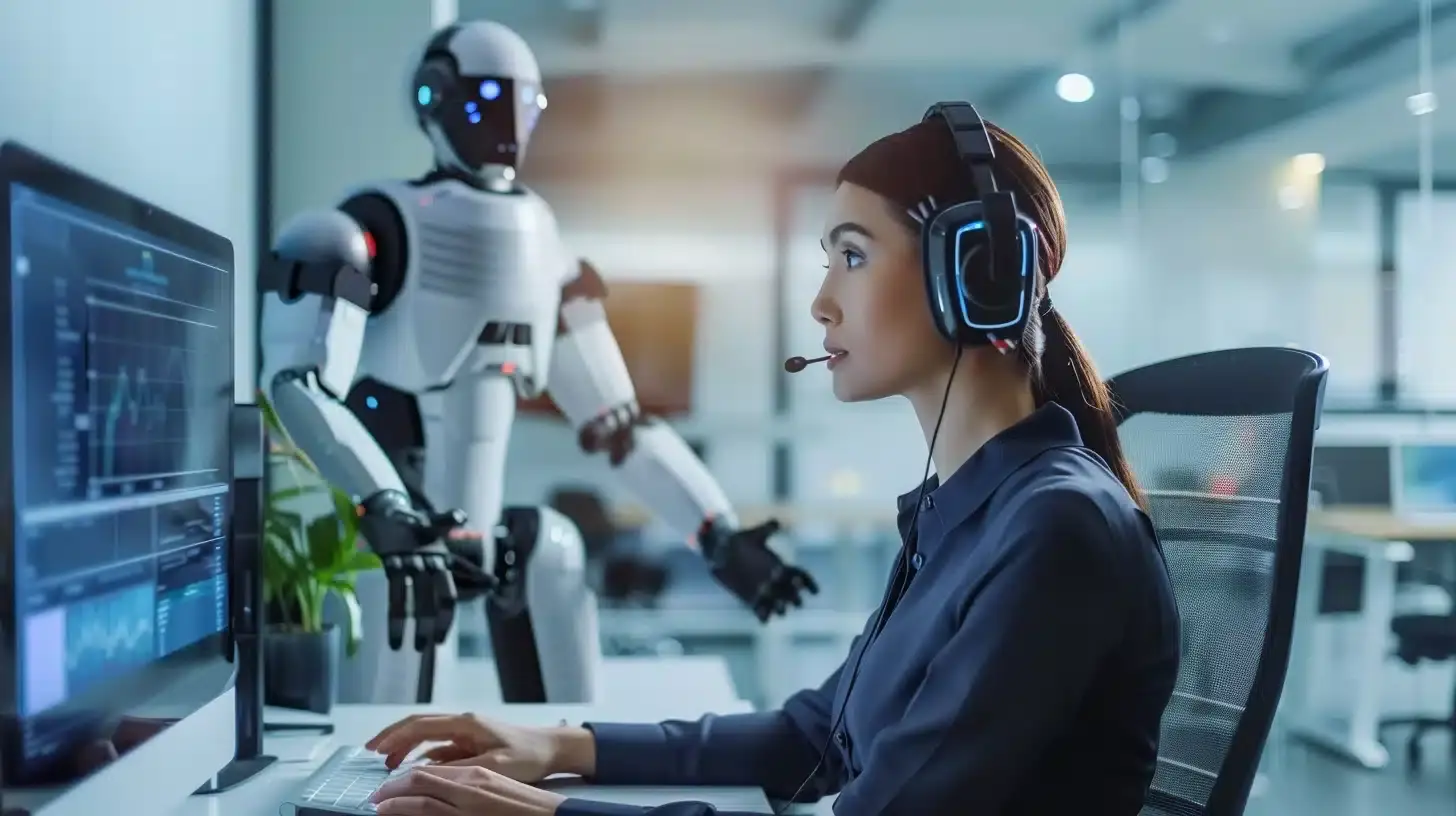
Cyborgs: Humans, Enhanced
A cyborg is fundamentally human, flesh and blood but equipped with mechanical or digital enhancements that expand their physical or cognitive capabilities. Think of a person with a bionic arm that’s stronger than any natural limb, or a neural implant that connects directly to the internet. The organic self is still there; the machine simply augments it. Cyborgs are already a reality in primitive form: from pacemakers and cochlear implants to advanced prosthetics controlled by the mind.
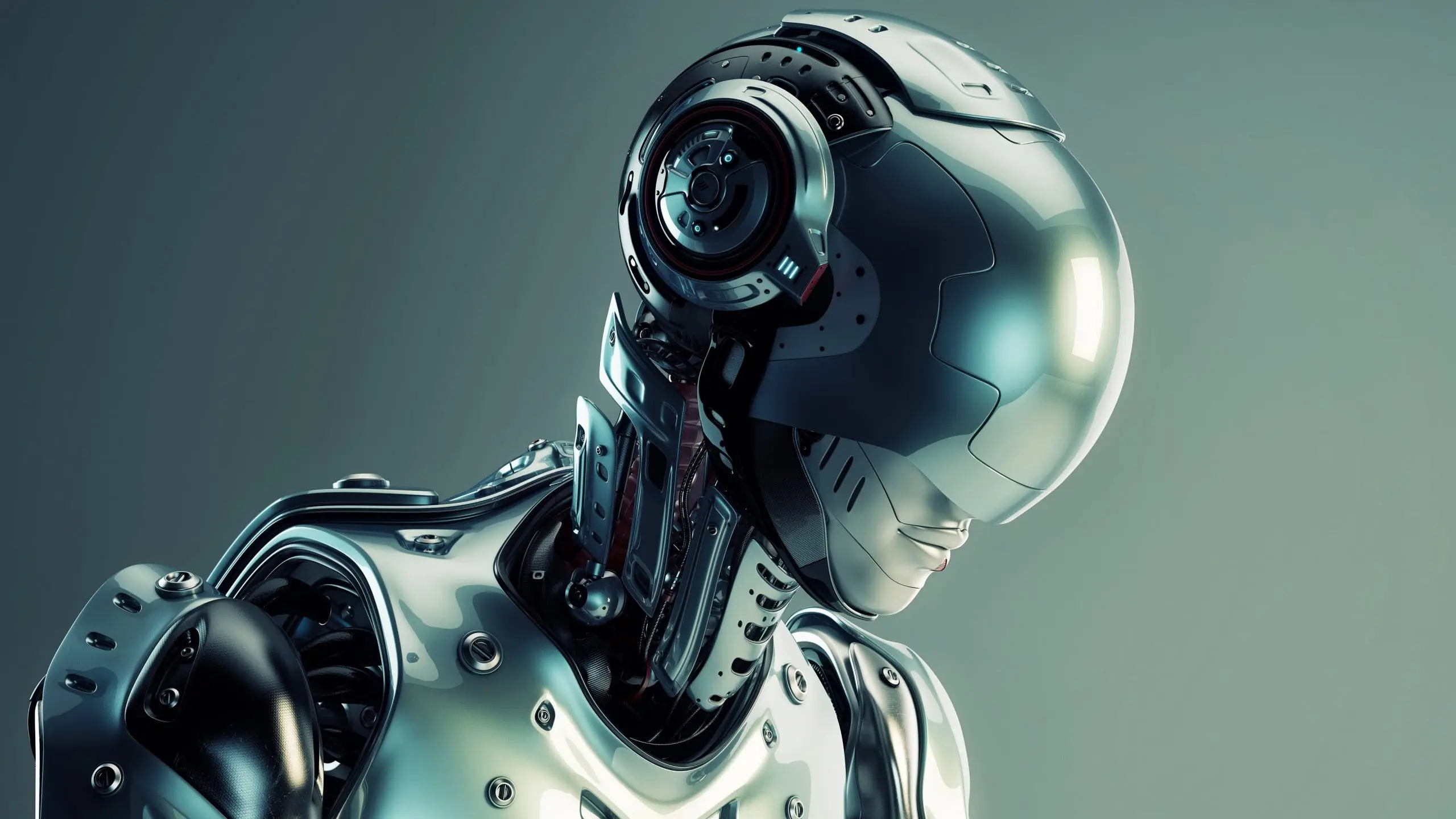
Synths: Humans, Replaced
Synths, short for “synthetics,” go a step further. They are fully artificial beings, humanoid in form, but entirely machine. Unlike cyborgs, synths do not begin as humans. They may mimic human appearance, movement, and even thought patterns, but every part of them is engineered. They are born in factories, not hospitals, and their “brains” are lines of code, not neurons.
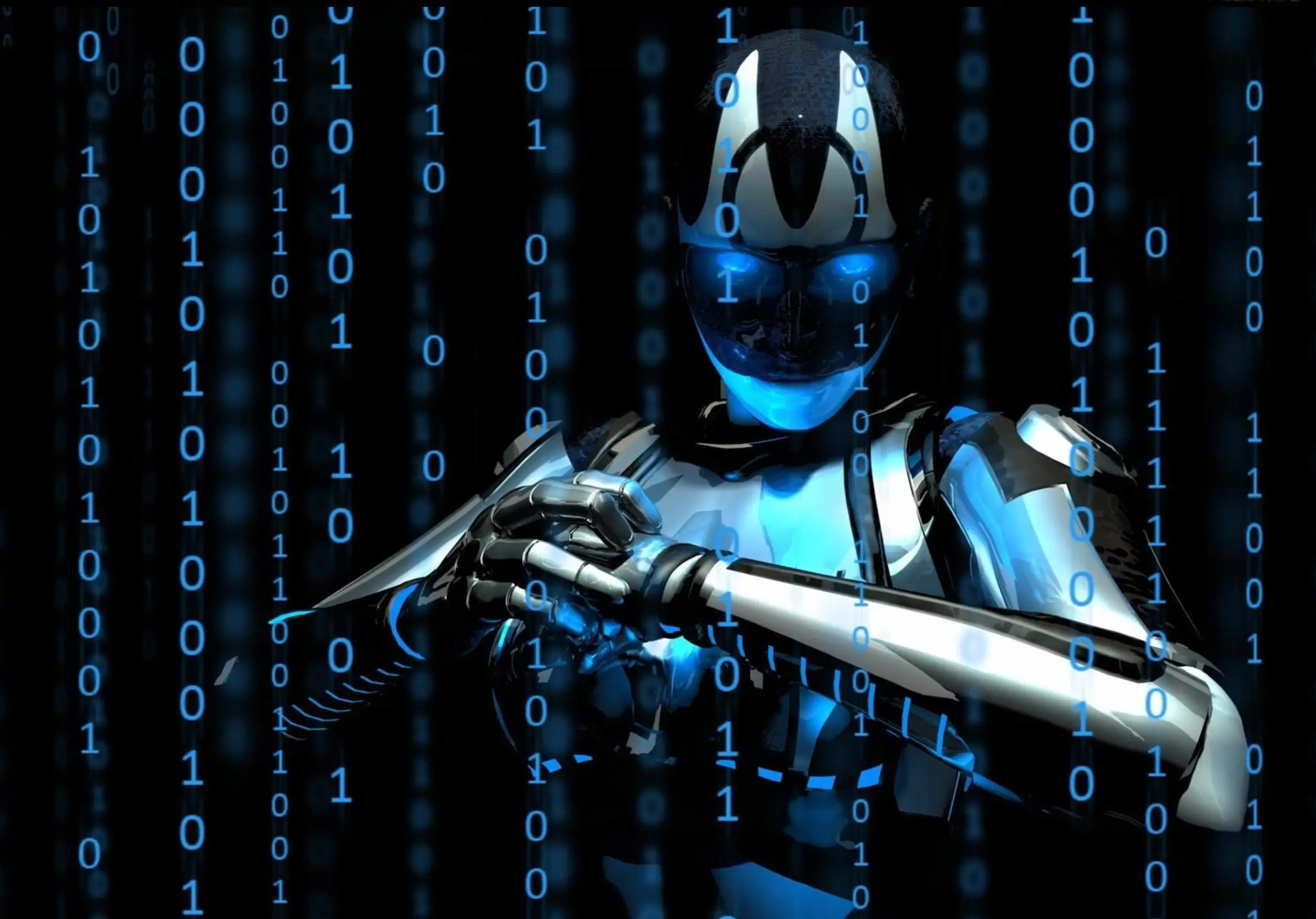
The Philosophical Divide
The difference sparks a deeper question: Is a human still human when 70 per cent of their body is machine? Cyborgs straddle the line between biology and technology, retaining identity and memory. Synths, on the other hand, may have perfect recall and unparalleled processing power but lack any biological heritage.
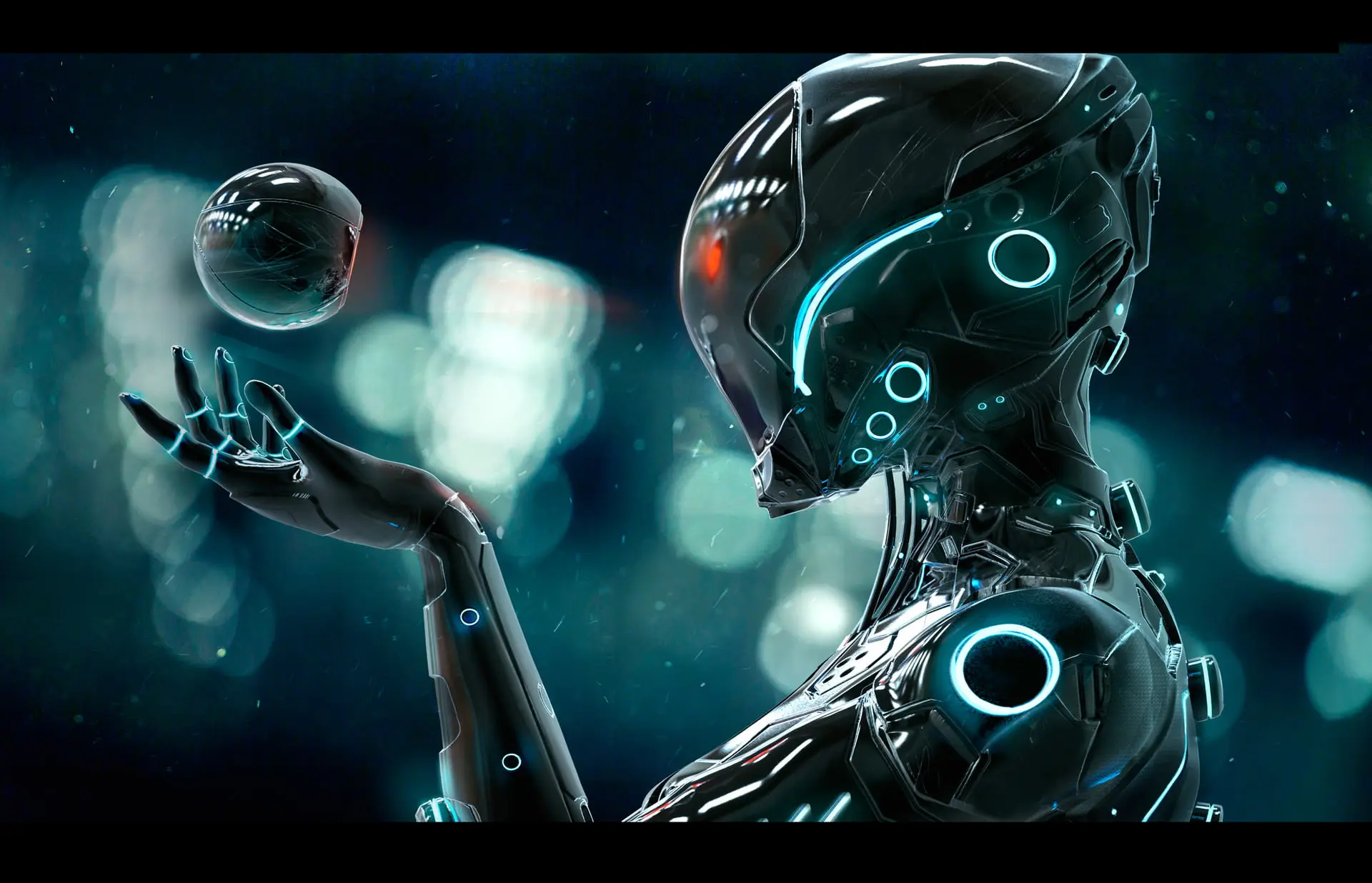
Why This Matters for the Future
As AI and robotics progress, societies may need to decide whether to enhance the existing human population into cyborgs or create entirely new synthetic beings. Cyborgs represent continuity, the human story extended. Synths represent a clean slate, a civilisation built without organic limitations.
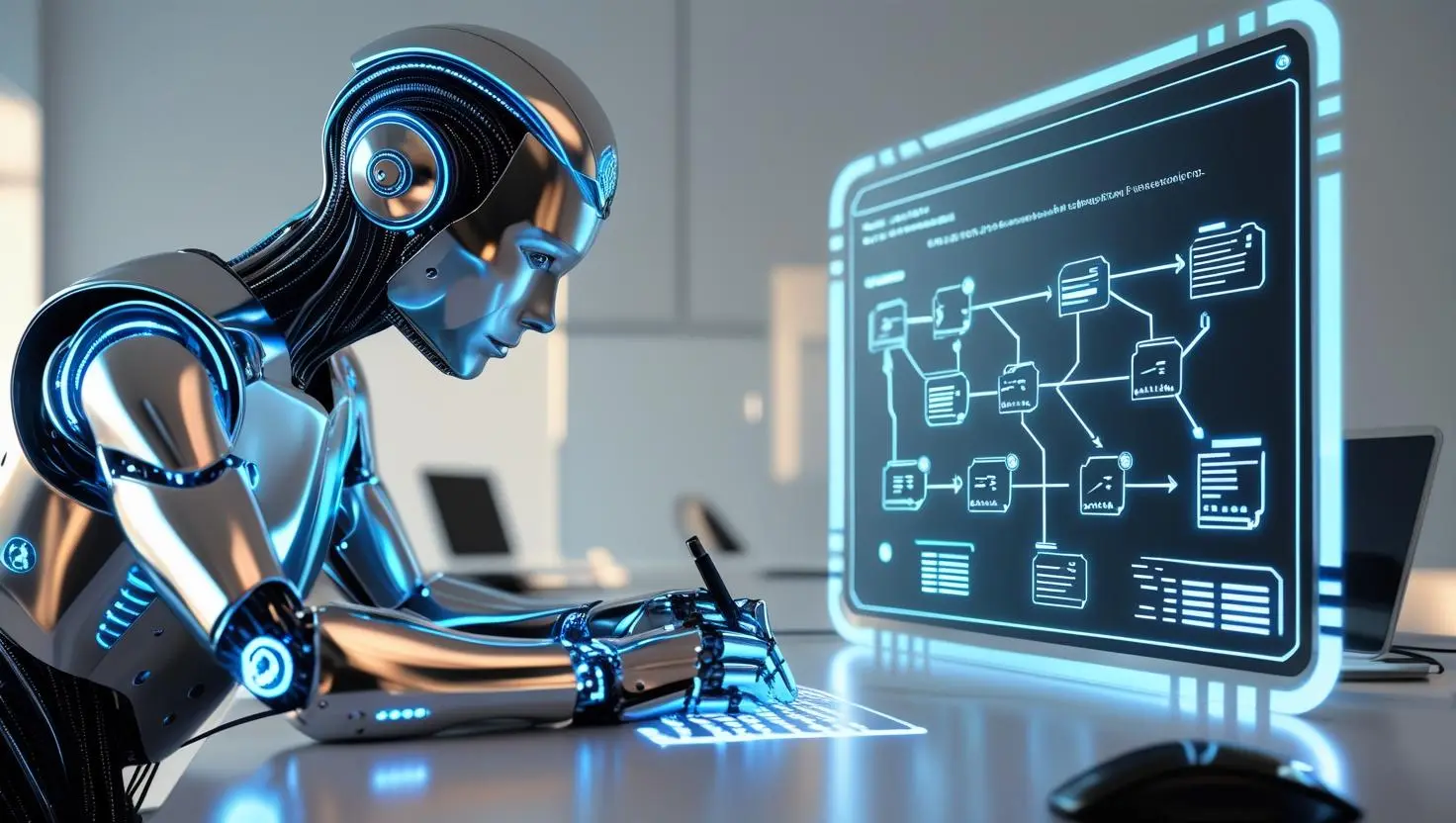
Domination
If history is a guide, the choice won’t be binary. Cyborgs could dominate the early decades of human-machine integration, while synths take over once artificial life proves more efficient than maintaining biological ones. The ultimate question is whether humans will evolve into machines — or be replaced by them.
)
)
)
)
)