What is 'The Box'? Where USS Abraham Lincoln could be hiding in dark near Iran

The lid on "The Box" is provided by the E-2D Advanced Hawkeye. Flying at 25,000 feet above the carrier, this radar plane acts as the “Eye of God.”
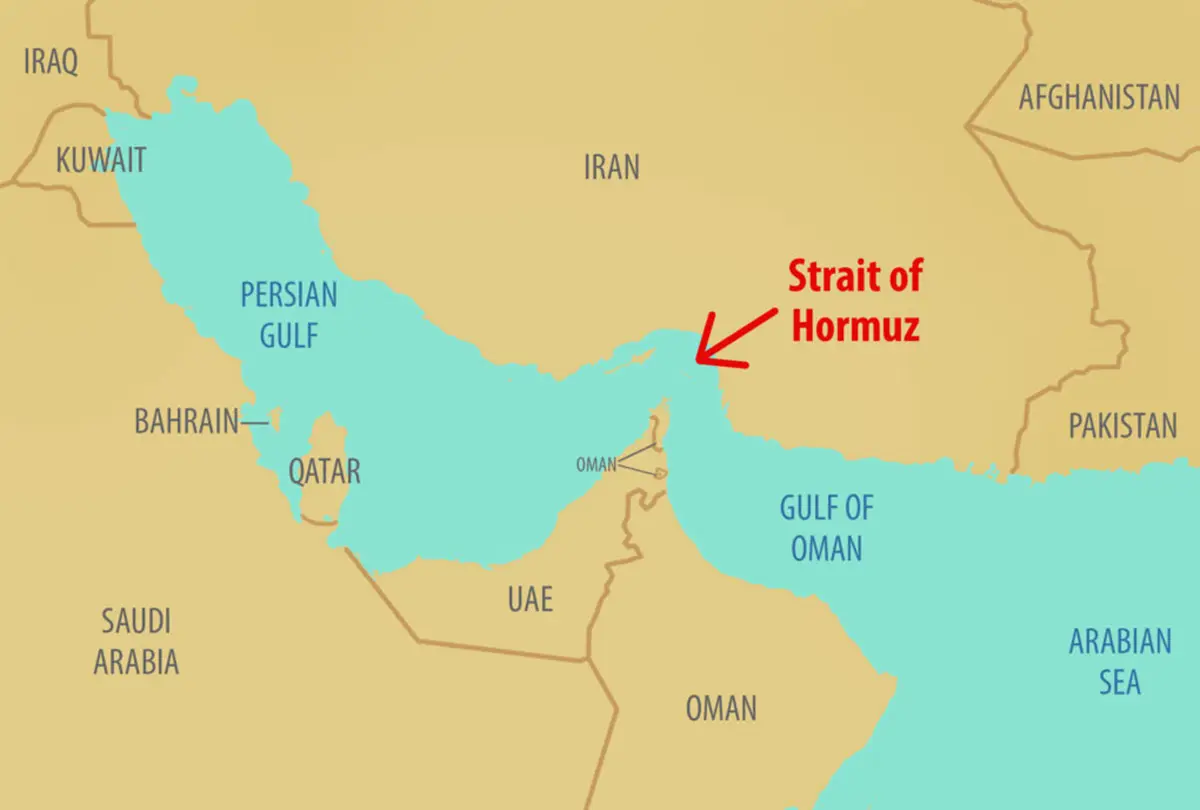
1. The "Goldilocks" Zone (150-200 Miles Out)
"The Box" is defined by a deadly mathematical compromise. It is located roughly 150 to 200 miles southeast of the Strait of Hormuz. This specific distance is the "Goldilocks" zone: it is close enough for the F-35C Lightning II (combat radius ~600 miles) to reach Tehran and return without needing vulnerable mid-air refueling over hostile territory, yet it is just far enough to stay out of the effective "kill zone" of Iran’s coastal anti-ship cruise missiles like the Noor and Qader.
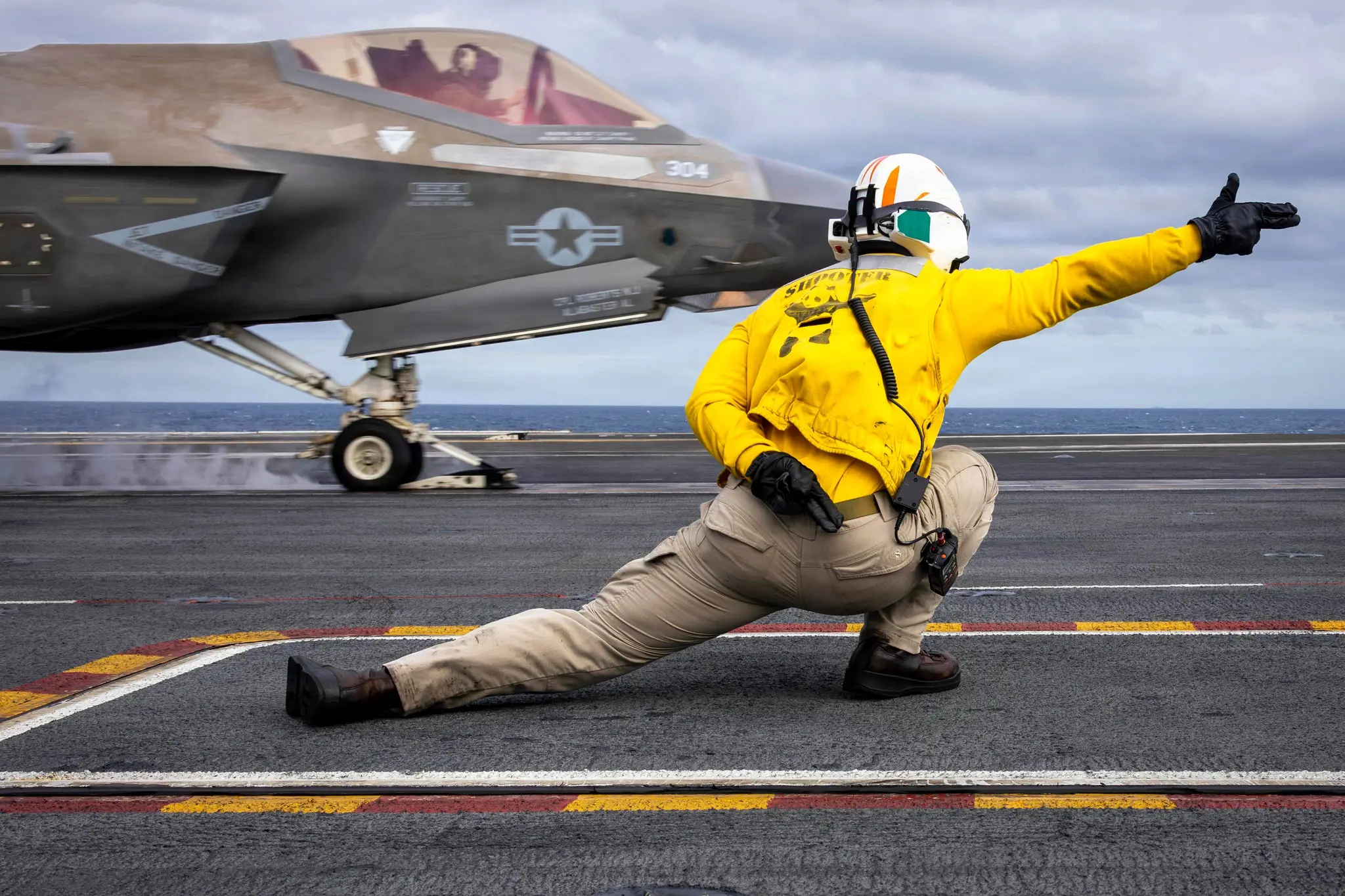
2. The "Blue Water" Sanctuary
Unlike the narrow, shallow waters of the Persian Gulf, "The Box" is located in the deep "Blue Water" of the North Arabian Sea. This is a deliberate defensive choice. In the shallow Gulf, the carrier would be vulnerable to Iran’s thousands of floating sea mines and "swarm" fast-attack boats. By staying in the deep ocean, the Lincoln nullifies Iran’s "guerrilla naval tactics," forcing the IRGC to come out into the open sea where the carrier’s destroyers can easily pick them off.
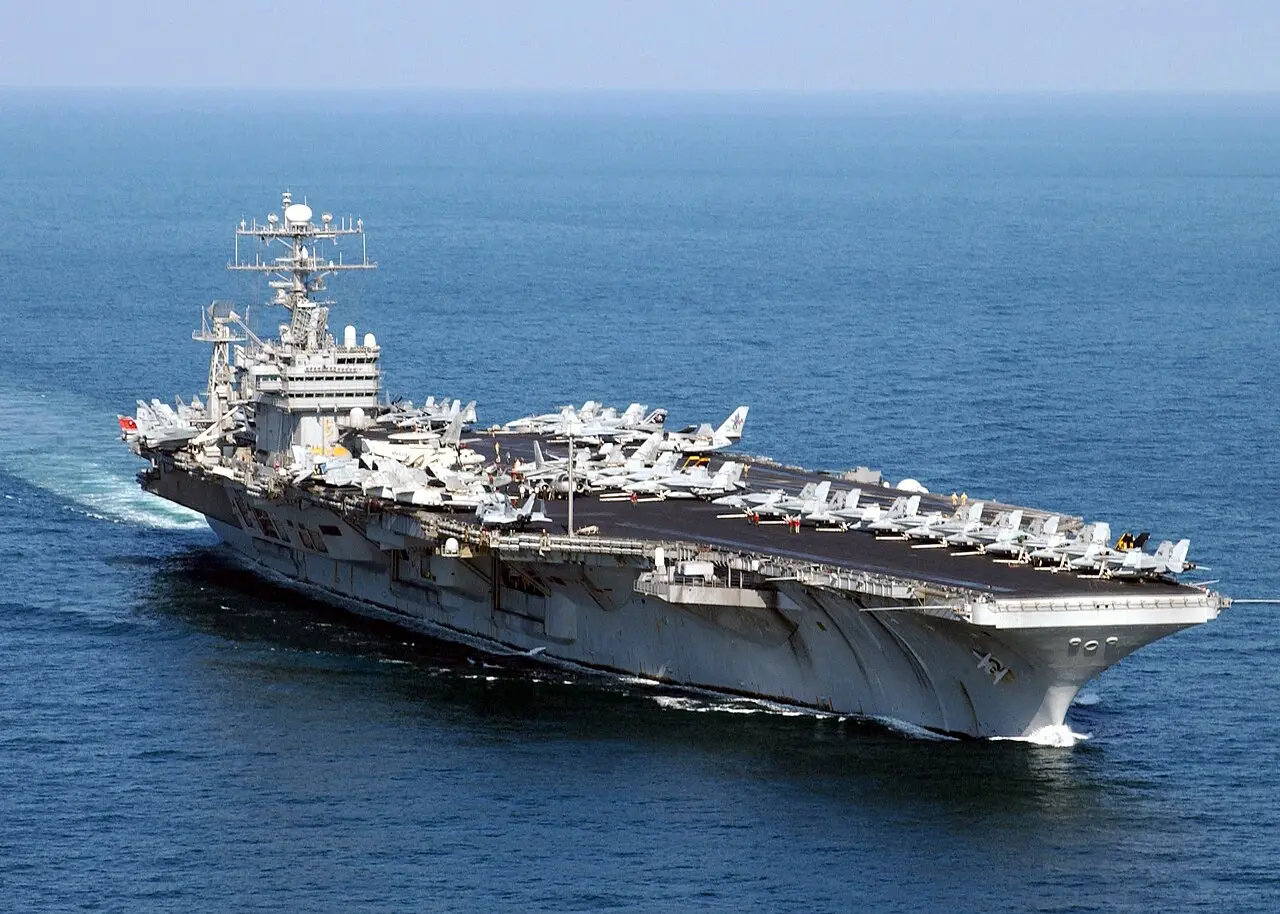
3. The "Racetrack" Maneuver
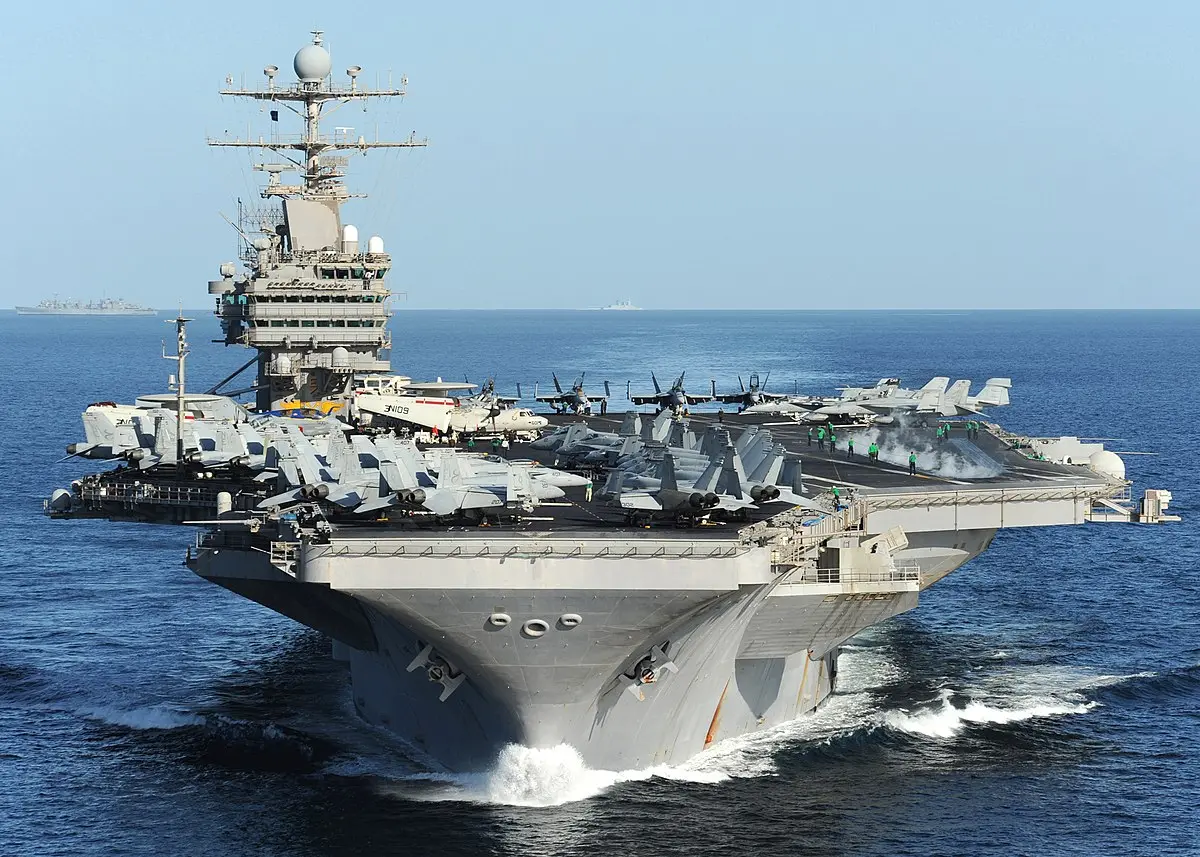
Inside "The Box," the USS Abraham Lincoln is never stationary. It performs a continuous "Racetrack" pattern, steaming at high speeds (25+ knots) in an oval loop. This constant movement is vital for "Ghost Mode." Even if an Iranian satellite captures an image of the carrier, by the time the data is processed and sent to a missile battery, the ship has moved miles away from that spot. The "Racetrack" ensures that any long-range targeting data Tehran receives is obsolete the moment it arrives.
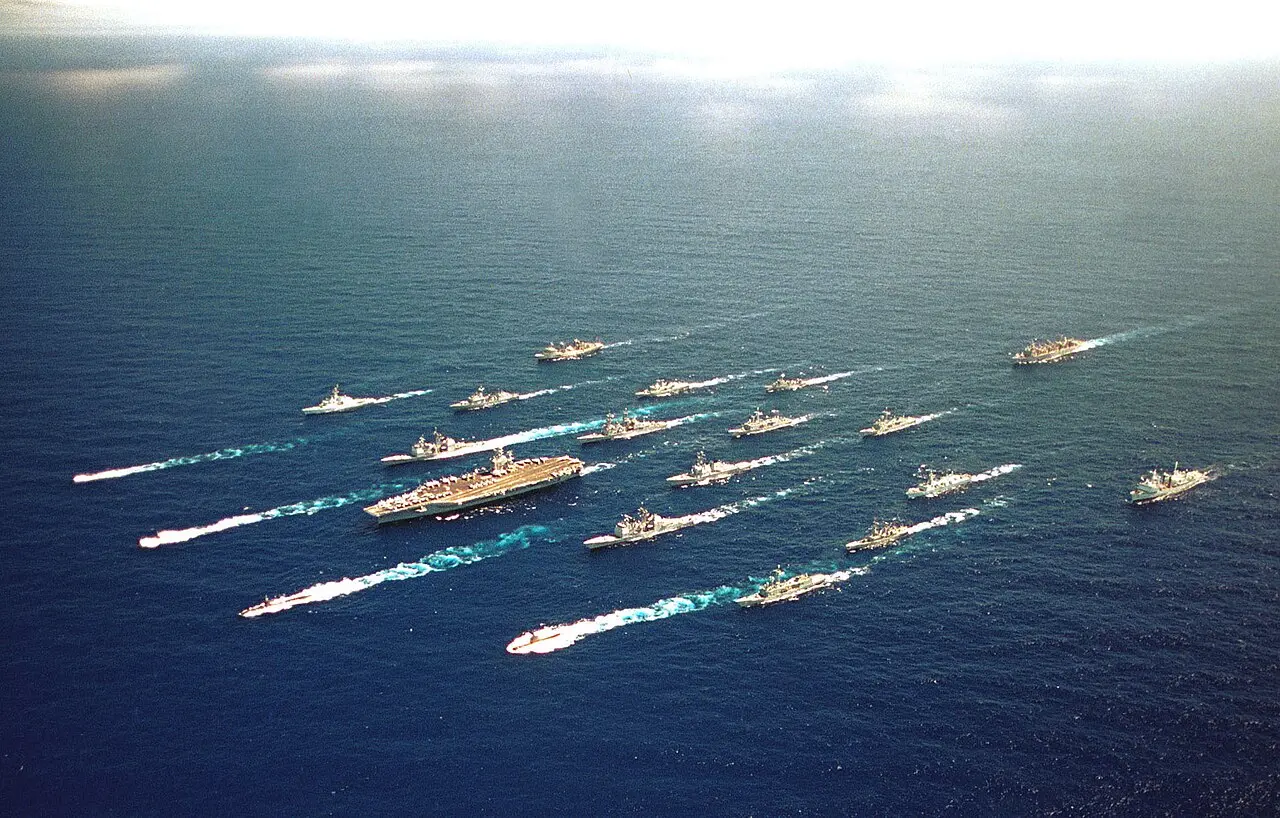
4. The "Hawkeye" Ceiling
The lid on "The Box" is provided by the E-2D Advanced Hawkeye. Flying at 25,000 feet above the carrier, this radar plane acts as the "Eye of God." It can see over the curve of the earth, detecting Iranian aircraft or drones the moment they lift off from bases like Bandar Abbas. This allows the Lincoln to operate in "The Box" with a buffer of safety, knowing that no aerial threat can sneak up on the fleet without being spotted 200 miles away.
5. The "Acoustic Shadow" Defense
"The Box" is also chosen for its underwater acoustics. The deep waters of the Arabian Sea have specific thermal layers (thermoclines) that U.S. Navy submarines and sonar operators use to their advantage. By operating in this specific zone, the Lincoln’s escorts can hide in the "acoustic shadow," making it incredibly difficult for Iran’s Kilo-class submarines to detect the carrier’s propellers amidst the background noise of the ocean, effectively blinding Tehran’s underwater threat.

6. The "River City" Electronic Wall
"The Box" is an area of total electronic silence, a condition known as River City. Inside this zone, the carrier strikes a "digital pose" that blends in with commercial shipping traffic. The ship’s massive radars are often throttled down or synchronized to mimic civilian patterns, while the crew’s personal devices are confiscated or disabled. This creates a "black hole" in the electromagnetic spectrum, ensuring that Iranian listening posts hear nothing but the static of the open ocean.
7. The "Sprint" Capability
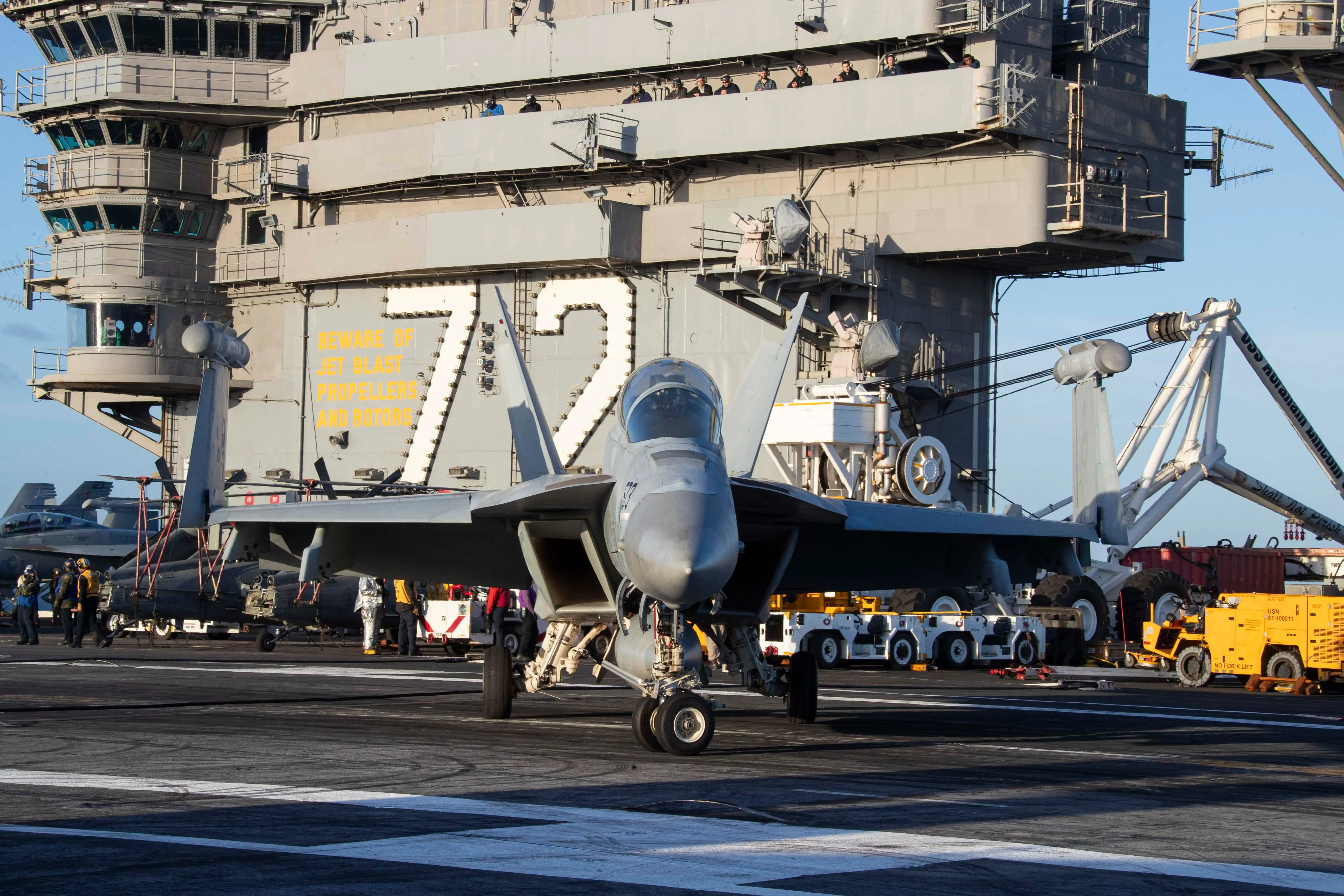
Finally, "The Box" is positioned to allow for a rapid "Sprint" toward the launch point. If the order for "Day One" is given, the Lincoln can surge from the safety of "The Box" toward the Iranian coast at over 35 knots, cutting the flight time for its jets by half. This ability to "hide far and strike close" is the ultimate strategic value of the zone, it is a waiting room for war, allowing the President to hold a knife to the regime's throat without ever having to draw blood.
)
)
)
)
)