What is the best driving speed to save fuel?

Driving between 50 and 60 mph is widely considered the optimum speed for fuel efficiency, while exceeding 70 mph can increase your vehicle's fuel consumption by up to 15 per cent.
The optimum speed range
Research by the Energy Saving Trust indicates that driving between 50 and 60 mph is the most efficient speed for most cars. Keeping within this specific range effectively minimises both engine strain and aerodynamic resistance.
The 70 mph fuel penalty
Pushing your speed up to 70 mph burns up to 9 per cent more fuel compared to driving at 60 mph. According to the UK Department for Transport, higher speeds require exponentially more energy simply to push the vehicle through the air.
Why 80 mph drains your tank
Driving at 80 mph can use up to 25 per cent more fuel than cruising safely at 70 mph. The RAC notes that aerodynamic drag drastically increases at these higher speeds, forcing your engine to work much harder and burn petrol rapidly.
The impact of lower gears
Driving too slowly can also waste fuel if the car remains in a low gear. The AA recommends shifting to the highest possible gear early, usually arriving at fifth or sixth gear by 50 mph, to keep engine revolutions low and save fuel.
Cruise control benefits
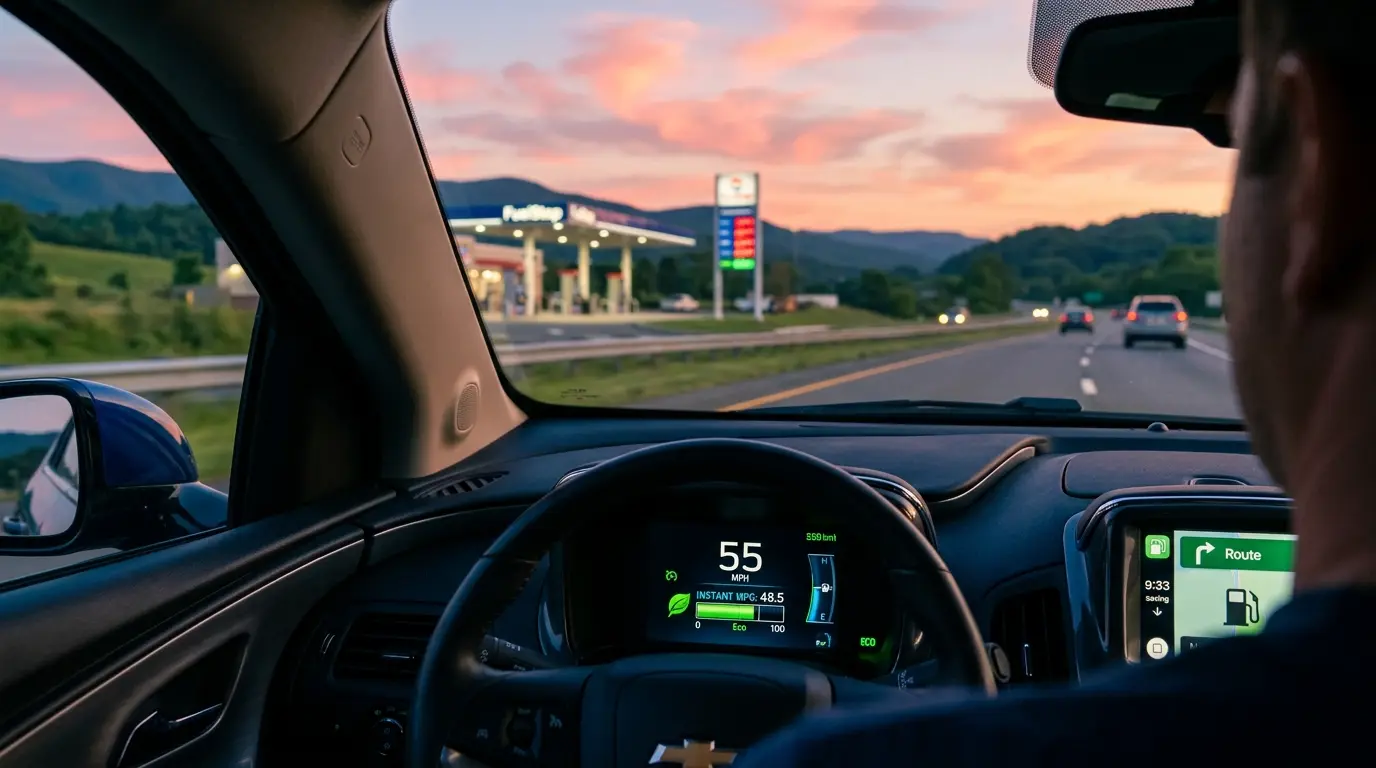
Using cruise control on flat motorways helps maintain a constant, efficient 55 mph, which prevents unnecessary throttle adjustments. Automotive engineers confirm that maintaining a steady speed prevents the heavy fuel spikes caused by constant braking and accelerating.
Wind resistance factors
At speeds above 50 mph, air resistance becomes the single biggest factor in your fuel consumption. Transport studies show that rolling down windows at these higher speeds creates a severe drag that burns more fuel than simply using the air conditioning.
Smooth driving matters
Even if you hold the perfect 55 mph speed, harsh acceleration will instantly ruin your fuel economy. The Energy Saving Trust advises gentle acceleration and anticipating traffic flow ahead to maintain a steady, highly fuel-efficient pace.
)
)
)
)
)