What is the 9M729 missile, Russia’s most controversial weapon system?

The development of the 9M729 is thought to have begun in the mid-2000s, with flight testing underway by 2008 and the missile entering service about a decade later.
Development and Deployment
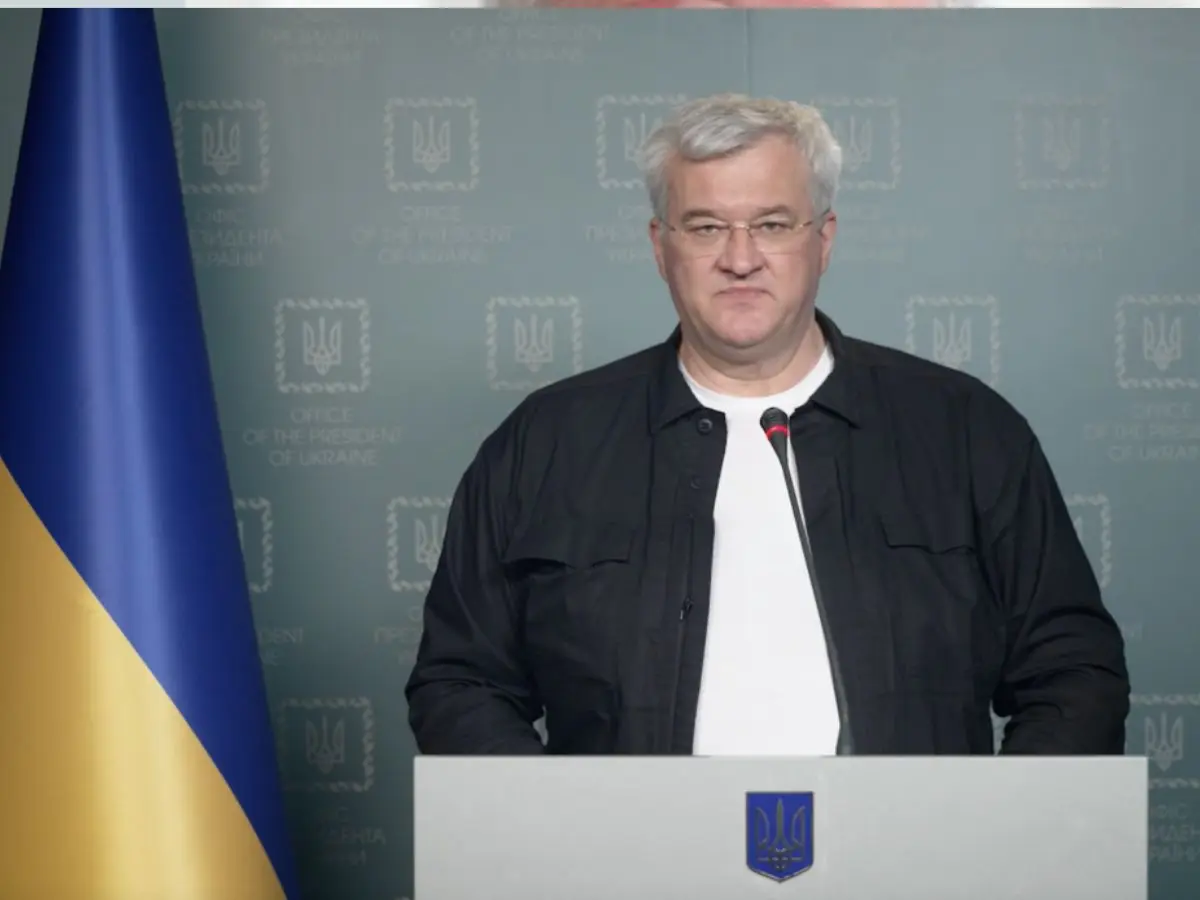
The 9M729 missile system, designated by NATO as the SSC-8, is a Russian ground-launched cruise missile developed by the design bureau NPO Novator. Ukraine’s foreign minister, Andrii Sybiha told Reuters that Russia has in recent months used 9M729 missile system in attacks on Ukraine, a weapon whose secret development once prompted former US President Donald Trump to withdraw from a key nuclear arms control treaty with Moscow during his first term.
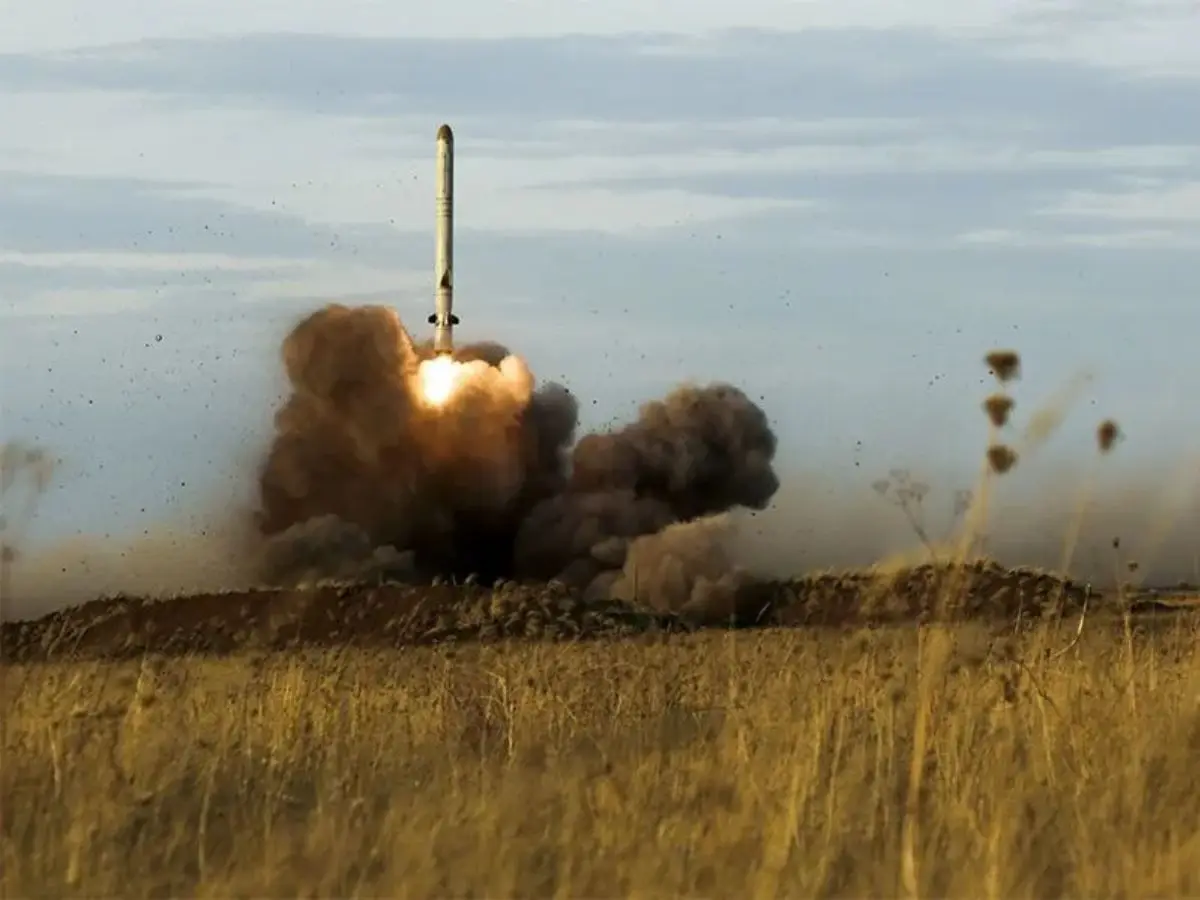
What is 9M729 missile?
The development of the 9M729 is thought to have begun in the mid-2000s, with flight testing underway by 2008 and the missile entering service about a decade later. It was first test fired in July 2014. Moscow officially acknowledged the system in 2019. A successor to the 9M728 (SSC-7) used with the Iskander-M launcher, the 9M729 incorporates extended range and more advanced guidance systems.
Technical Characteristics and Capabilities
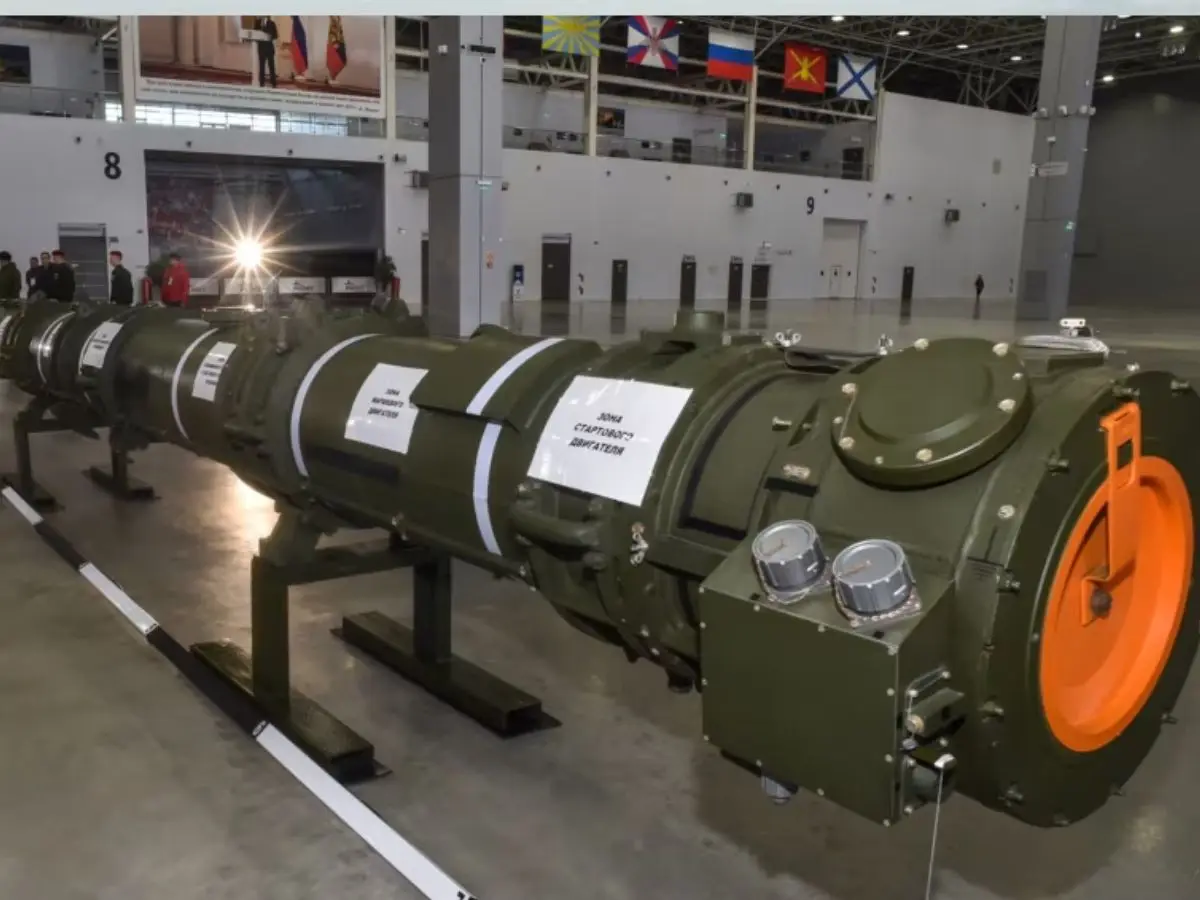
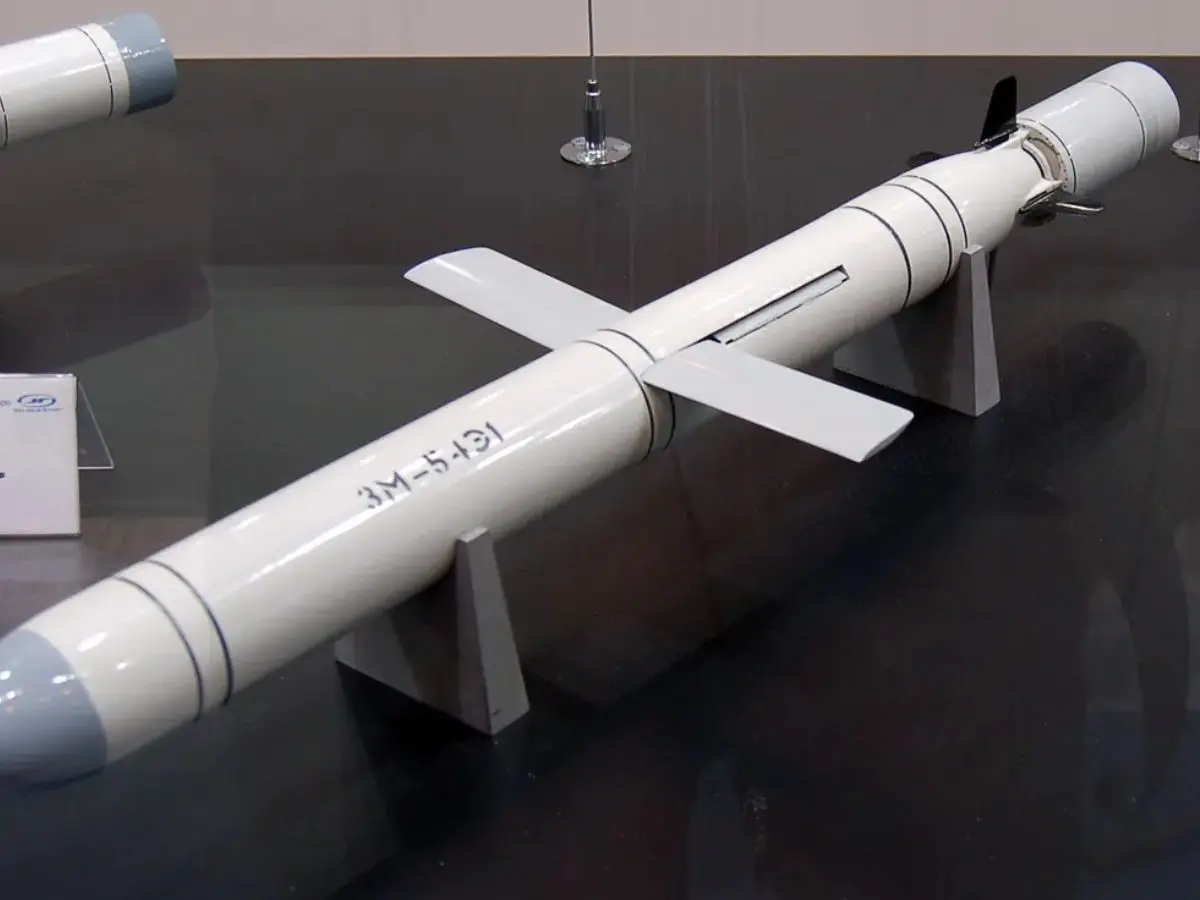
The 9M729 is road-mobile and capable of carrying either a conventional or a nuclear warhead, giving it significant strategic flexibility. It reportedly measures between six and eight metres in length and carries a payload of around 450 kilograms. Its estimated range lies between 1,500 and 2,500 kilometres, which would enable it to strike targets across much of Europe or Asia. Analysts believe the missile incorporates design features from Russia’s naval cruise-missile technologies, making it both versatile and difficult to monitor.
Why It Is Controversial
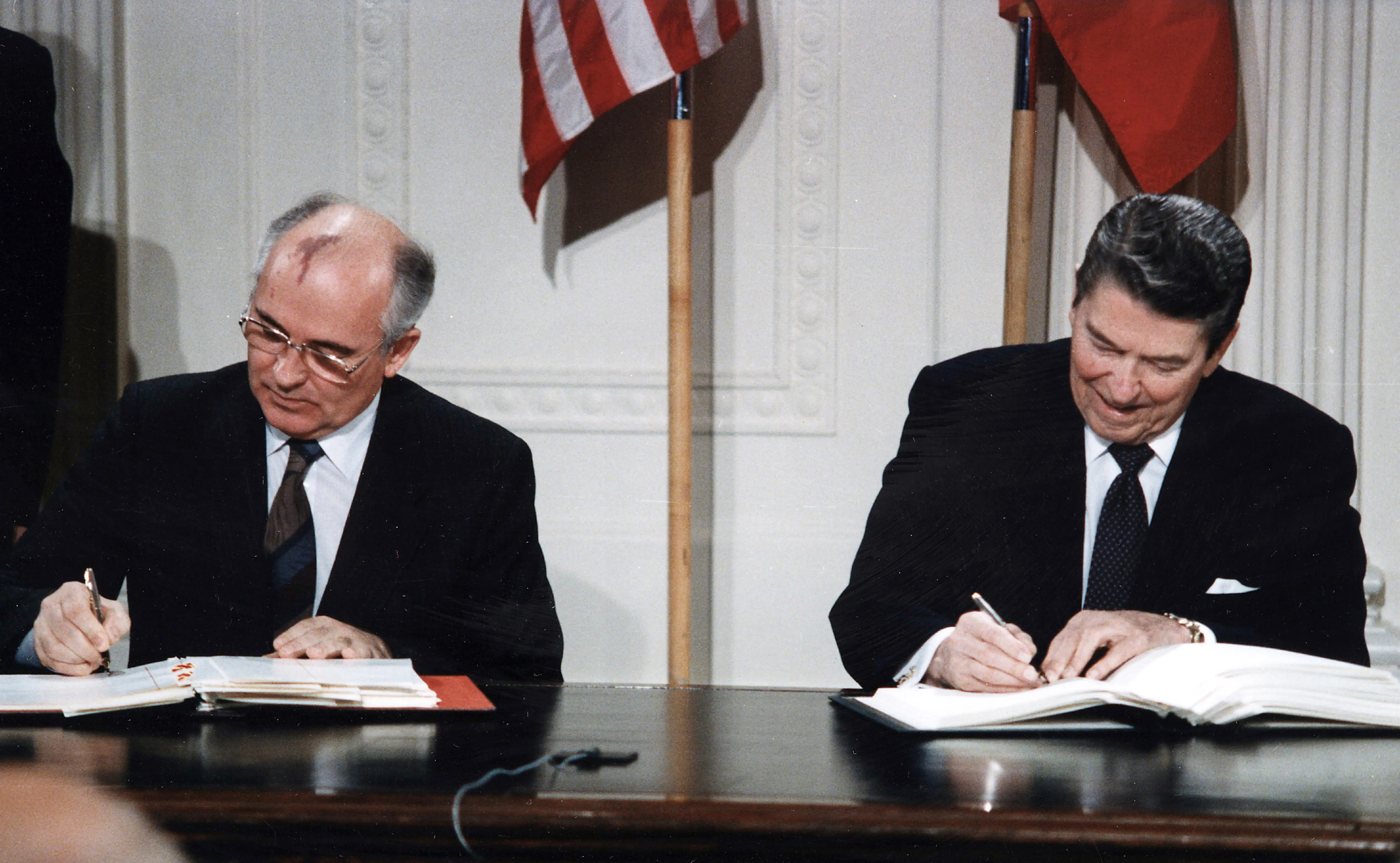
The 9M729 has long been at the heart of a major arms-control dispute between Russia and the United States. The Intermediate-Range Nuclear Forces (INF) Treaty, signed in 1987 by US President Ronald Reagan and Soviet leader Mikhail Gorbachev, banned land-based ballistic and cruise missiles with ranges between 500 and 5,500 kilometres.
The withdrawal from the Treaty
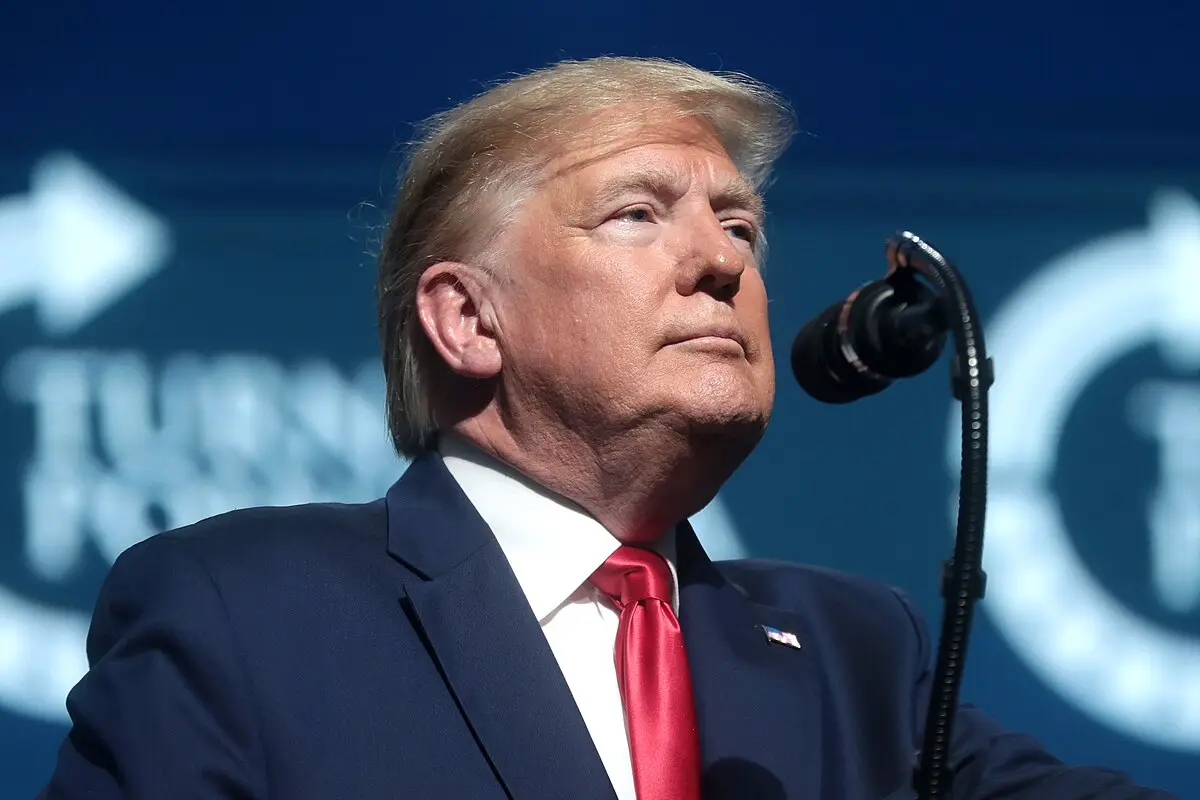
Washington accused Moscow of secretly developing and deploying the 9M729 in violation of the treaty’s limits, while Russia denied any breach, insisting the weapon’s range remained within permitted boundaries. The dispute ultimately led the United States to withdraw from the INF Treaty in 2019 under President Donald Trump, citing Russian non-compliance.
Operational Use in Ukraine
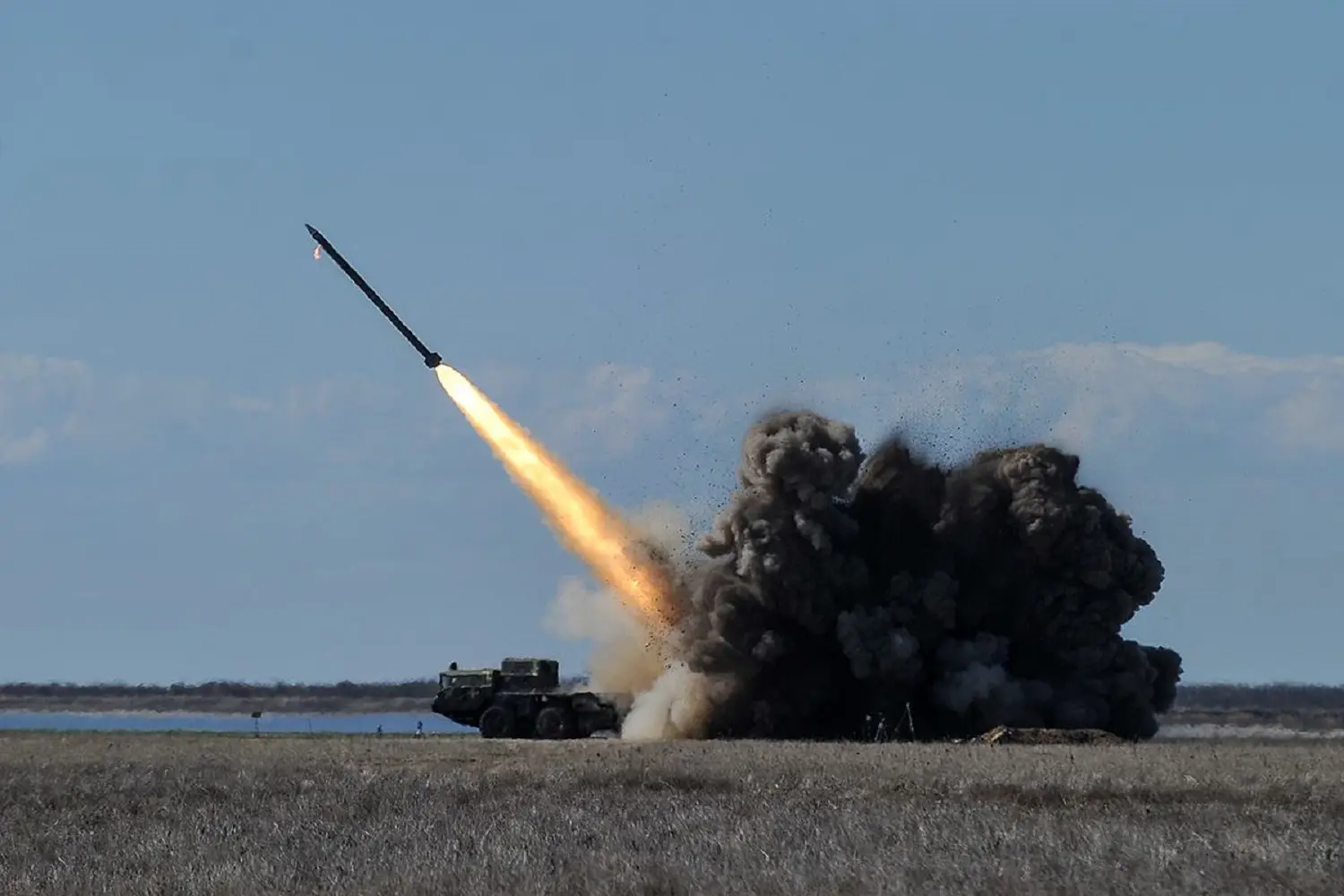
According to Ukrainian officials, Russia has employed the 9M729 missile in its ongoing invasion of Ukraine. Kyiv reports that the weapon has been launched at least 23 times since August, with two earlier recorded launches in 2022, according to Reuters. These strikes reportedly targeted sites deep inside Ukrainian territory, signalling that the missile is being used operationally rather than simply serving as a deterrent. If confirmed, this would mark the first battlefield deployment of a system once banned under the INF Treaty.
Implications for European and Global Security
The reappearance of a missile type once outlawed under arms-control agreements has renewed concern across Europe. Because the 9M729 is both mobile and dual-capable, able to carry either nuclear or conventional payloads, its deployment increases strategic uncertainty. European governments worry that such weapons reintroduce short-notice nuclear strike risks and undermine decades of progress in reducing intermediate-range arsenals.
Russia’s Position and Official Stance
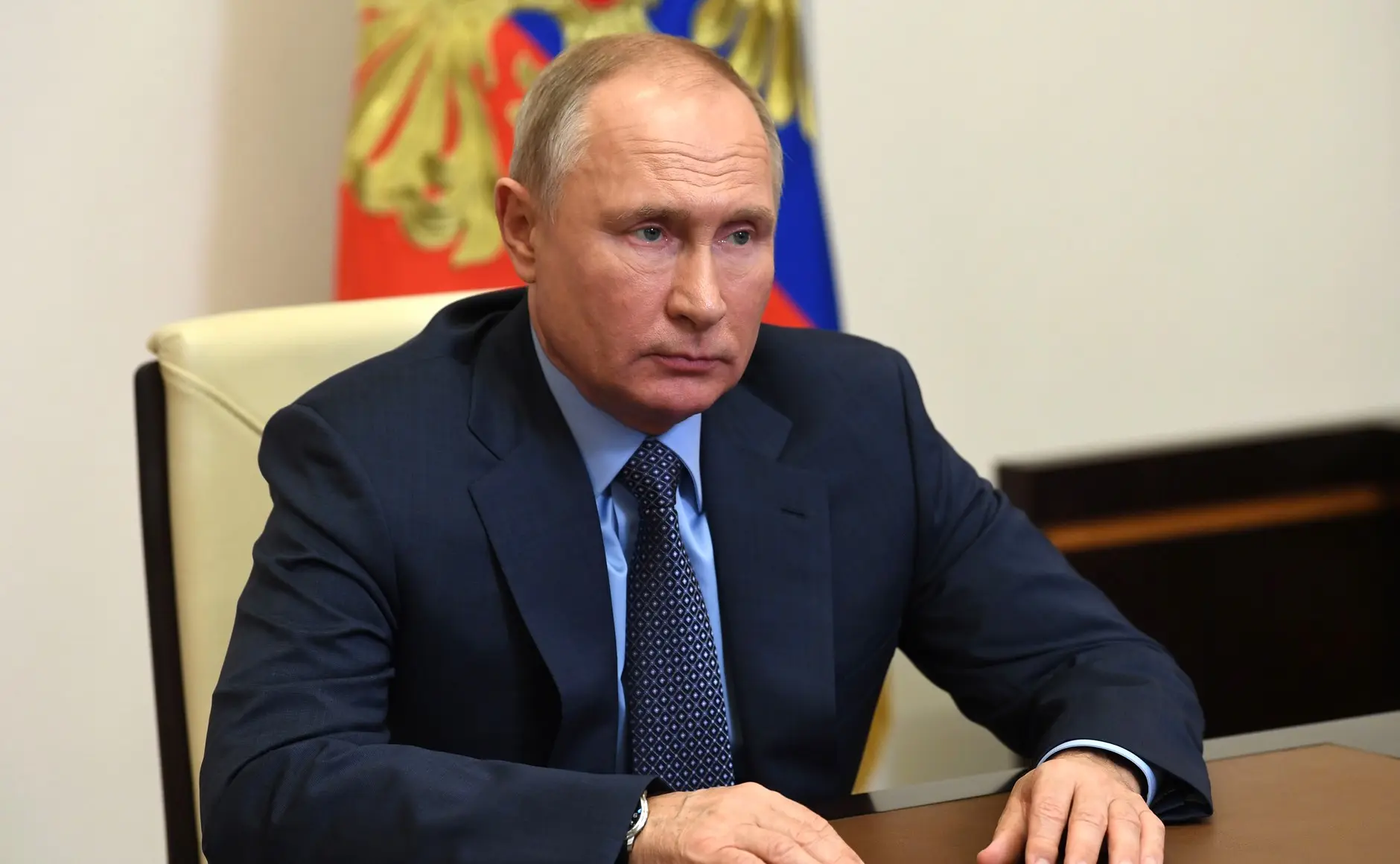
Moscow continues to reject accusations of treaty violations, maintaining that the 9M729 complies fully with international obligations. Russian officials argue that it was the United States, not Russia, that dismantled the arms-control framework by abandoning the INF Treaty. They further claim that NATO’s missile defences and US deployments in Eastern Europe justified Russia’s development of new missile systems for national security.
)
)
)
)
)