What is Teleios? 5 facts about the mysterious sphere found floating in the Milky way galaxy

Edited By Subhadra Srivastava
Published: Jun 05, 2025, 19:49 IST | Updated: Jun 05, 2025, 19:49 IST
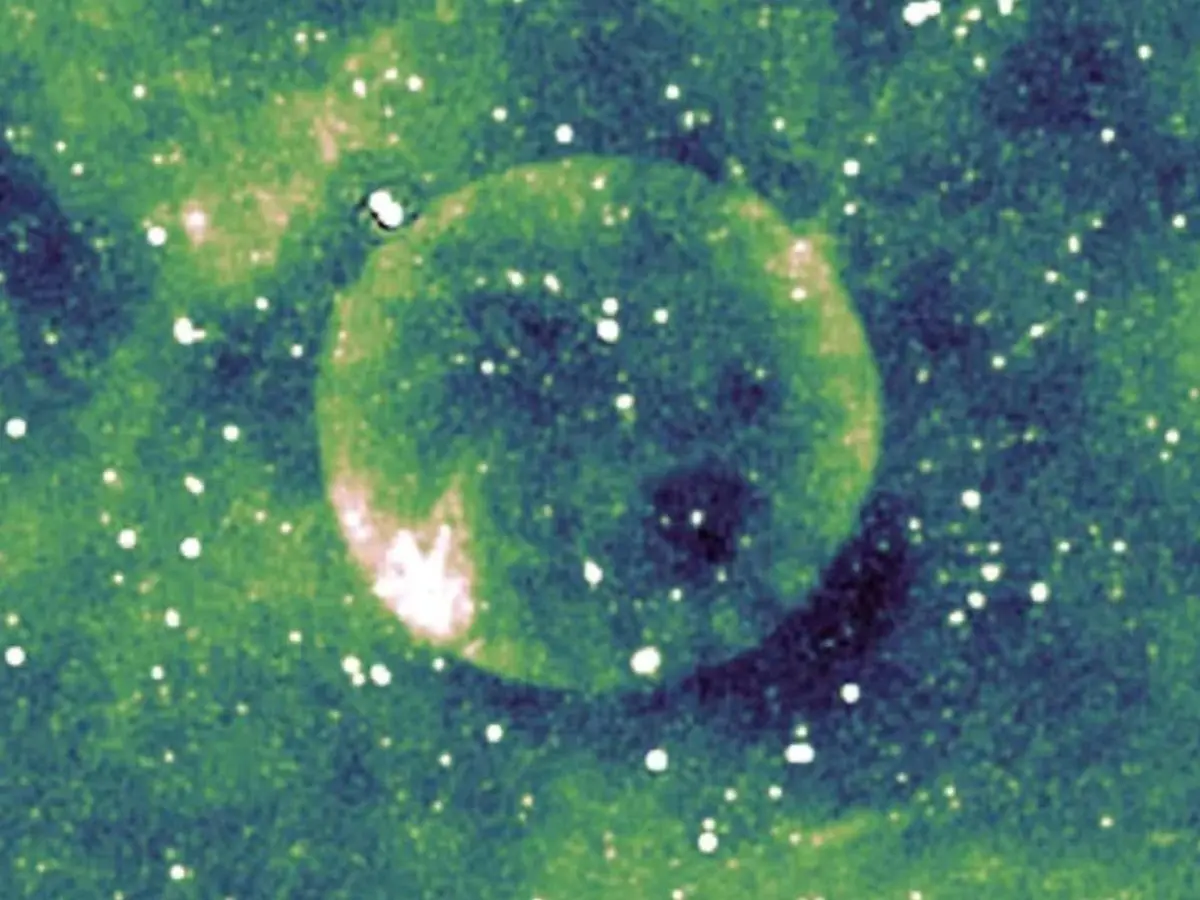
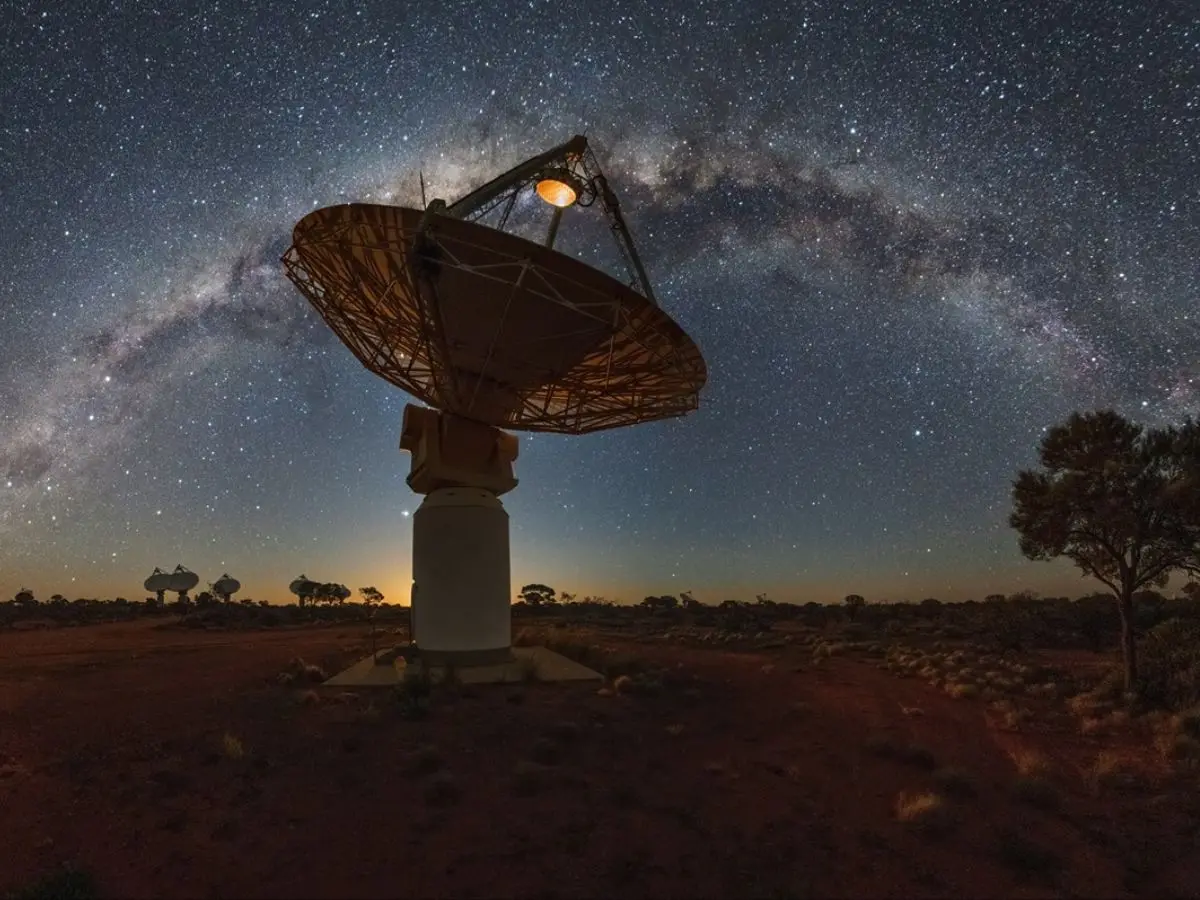
This object named Teleios emits only radio signals and was discovered using Australia’s ASKAP (Australian Square Kilometre Array Pathfinder) telescope during an all-sky survey.
1 / 6
(Photograph: Earth.com)
Discovery through Radio Signals
Astronomers have detected a perfectly spherical object in the Milky Way. This object named Teleios emits only radio signals and was discovered using Australia’s ASKAP (Australian Square Kilometre Array Pathfinder) telescope during an all-sky survey. It initially appeared as a faint radio-emitting region, with no visible light, infrared radiation, or X-rays—making it undetectable to conventional optical instruments.
2 / 6
(Photograph: NASA (Representational Image))
Invisible but Expanding
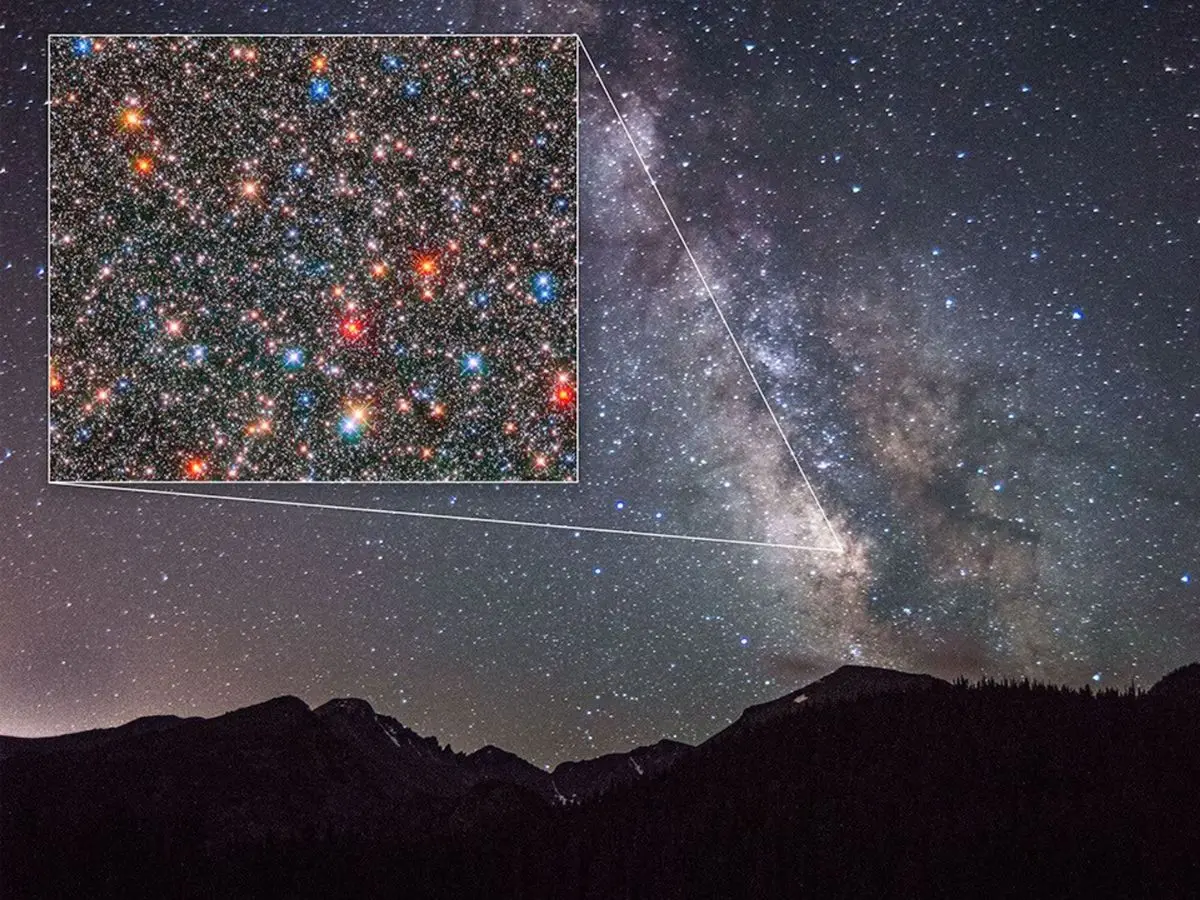
Even though the object is located within our galaxy, it is completely invisible to the human eye. It is believed to be thousands of trillions of miles away from Earth. The data from the survey suggested that the object is expanding outward, but its uniform spherical shape is very strange. Unlike most known cosmic structures which often appear irregular and asymmetric, Teleios shows a high degree of symmetry.

3 / 6
(Photograph: NASA (Representational Image))
A Puzzling Formation
There is a theory that proposes that Teleios may be the leftover of an ancient stellar explosion. However, its smooth, circular and symmetric form is unusual and raises doubts, as supernova remnants typically display distorted shapes due to turbulent ejections of gas and debris. To explain this form, some researchers have even suggested that the explosion may have occurred in a particularly empty region of space, allowing the remnant to expand without interference.
4 / 6
(Photograph: NASA (Representational Image))
Alternative Explanations
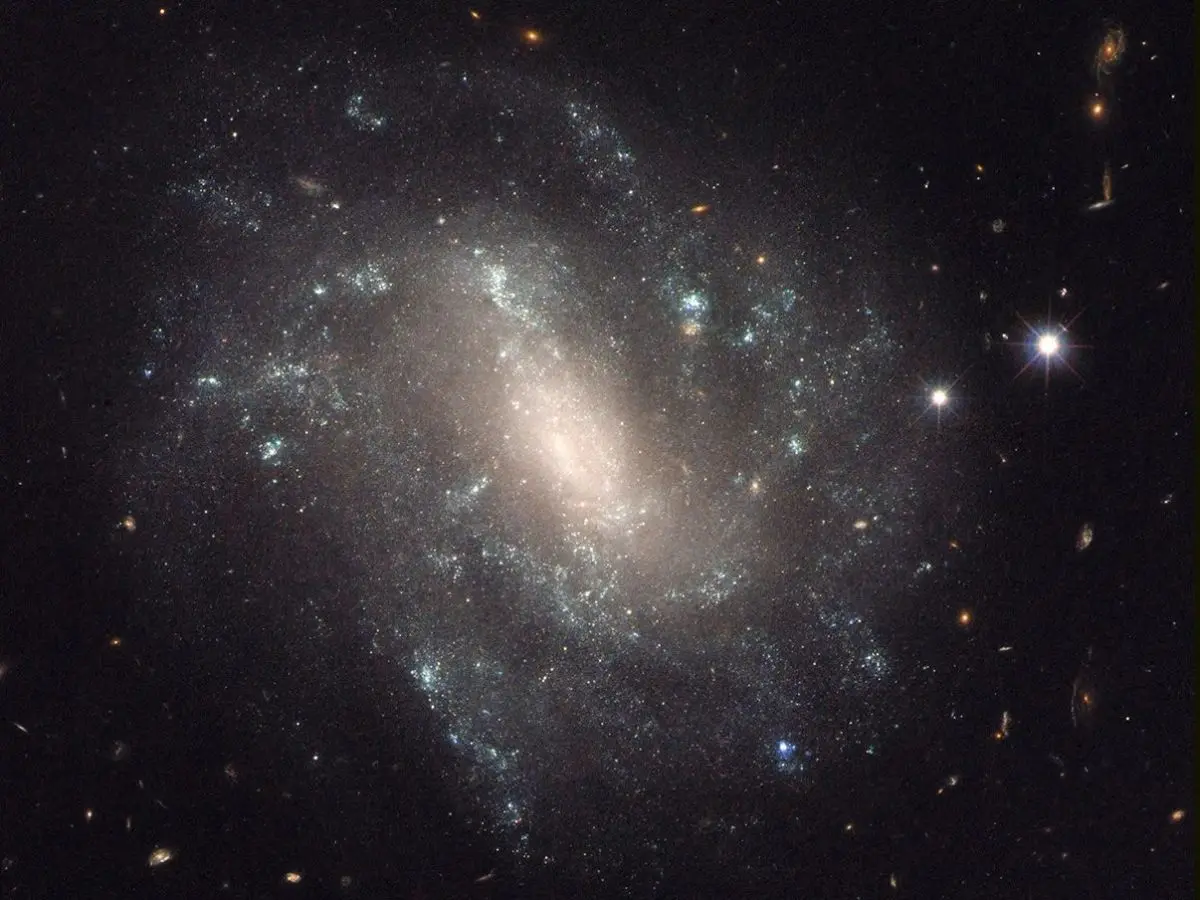
An alternative explanation suggests that Teleios is a giant bubble formed by strong stellar winds, which was gradually blown outward by a dying star. However, scientists have not yet ruled out the idea that it could be a rare form of expanding gas cloud from a stellar event. The structure is assumed to be growing for a very long time, with an estimated diameter that stretches up to 157 light-years.
5 / 6
(Photograph: CSIRO)
Radio-Only Detection
The most prominent factor discovered about Teleios is that it is only observed through radio wavelengths which is the longest in the electromagnetic spectrum. Its low surface brightness indicates that the energy is faint and spread out, making detection difficult. This strengthens the significance of radio telescopes in identifying such unusual cosmic objects that would otherwise remain hidden.
6 / 6
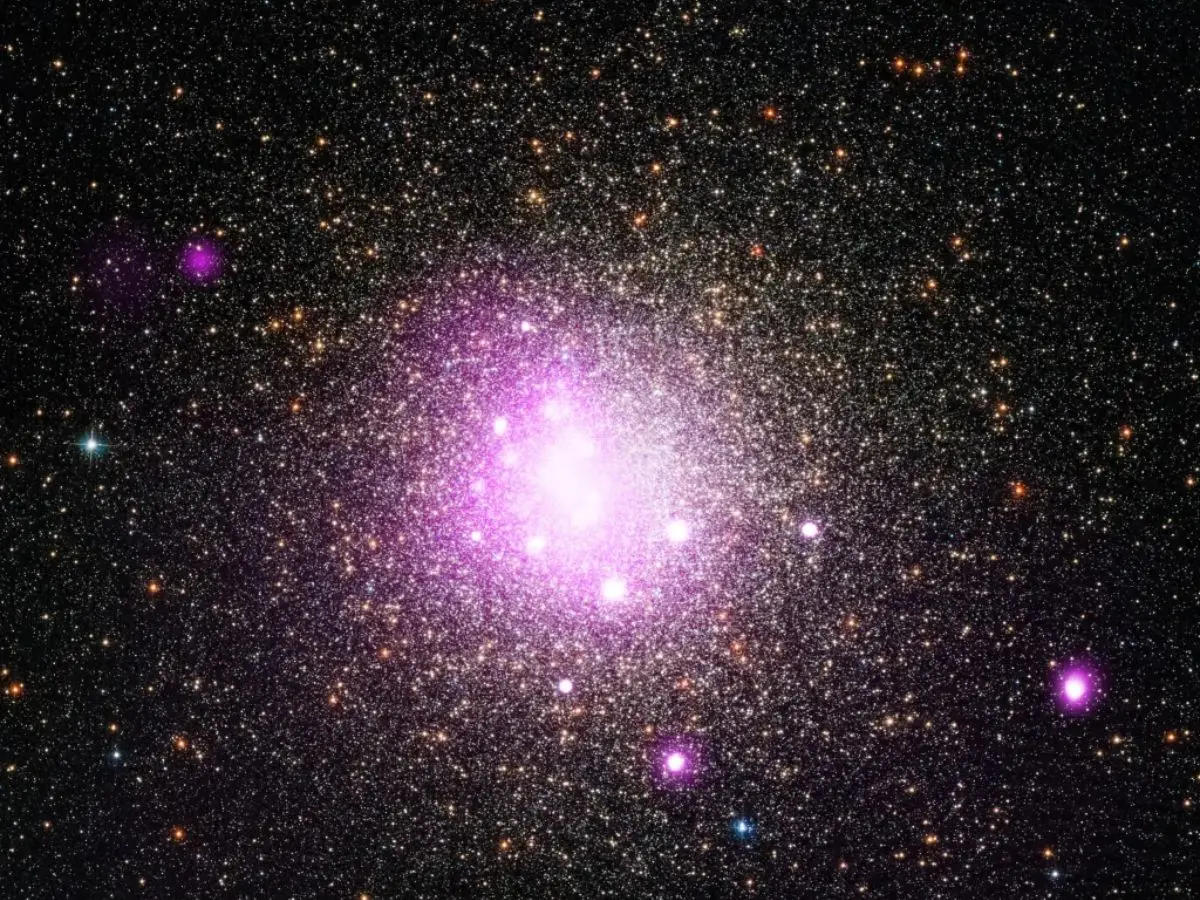
(Photograph: NASA (Representational Image))
Challenges to Current Models
The near-perfect round shape of Teleios does not align with the existing examples of star remnants or stellar wind-driven shells. Its symmetry combined by the lack of X-ray signals has additionally puzzled scientists, since these are usually present after recent stellar explosions. The object does not fit any established patterns and classifications in astrophysical models. Researchers are now preparing additional follow-up observations to see if Teleios changes shape over time.
)
)
)
)
)